Clematis hybrida: Fruit Description
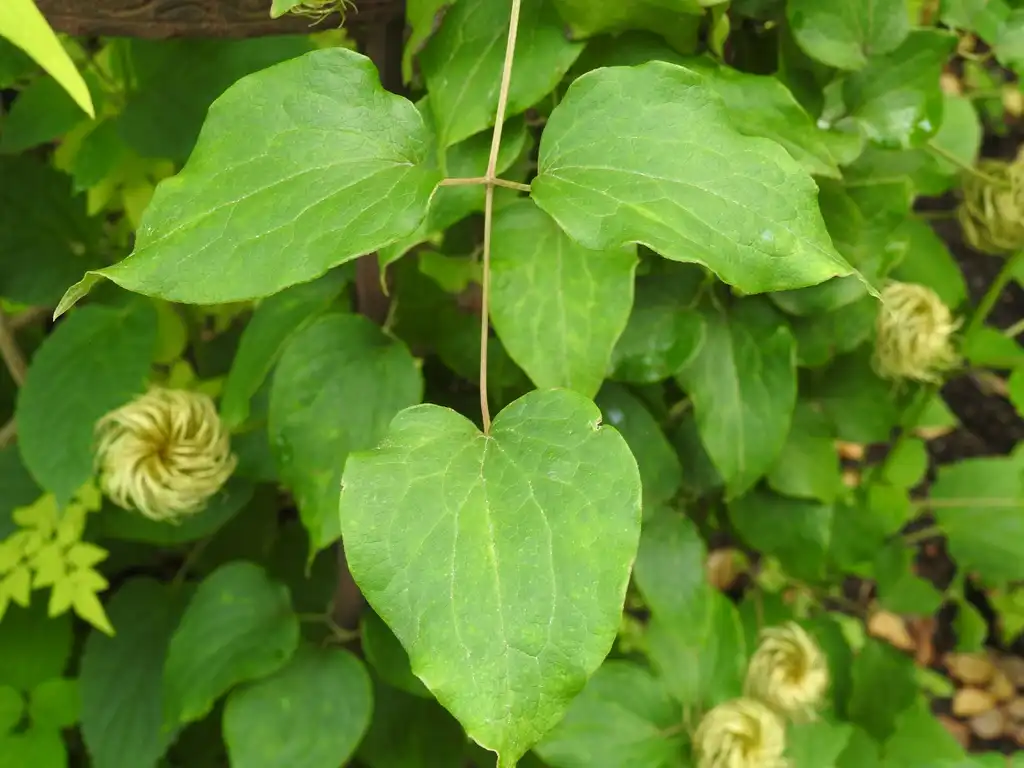
This plant has many small, dry fruits each with a silky-plumose tail. Fruit looks like spiral threads in the form a circle.
Phonetic Spelling:KLEM-ah-tiss hy-BRID-ah
Genus:Clematis
Species:hybrida
Family:
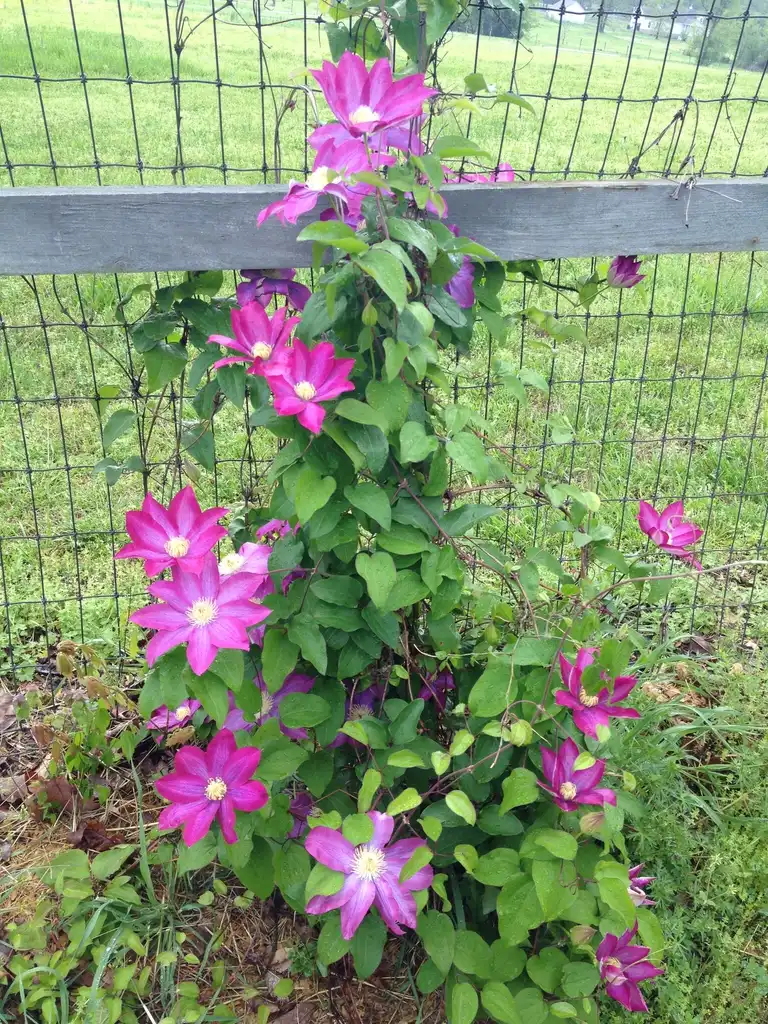
Clematis hybrids originate from two large-flowered clematis species that were introduced to England from China in the late 19th century. Nurserymen began crossbreeding these plants to develop large-flowered hybrids suitable for commercial cultivation. The first successful hybrid, ‘Jackmanii,’ was produced by George Jackman at Jackman’s Nursery in England. Today, there are approximately 1,000 varieties of Clematis hybrids that bloom throughout spring, summer, and fall, showcasing a vibrant palette of colors including blue, pink, red, white, purple, yellow, cream, and various bi-color combinations. These versatile plants can climb trellises or fences, act as attractive ground cover, or thrive in containers. Often referred to as the “queen of the vines,” clematis is celebrated for its stunning floral displays.
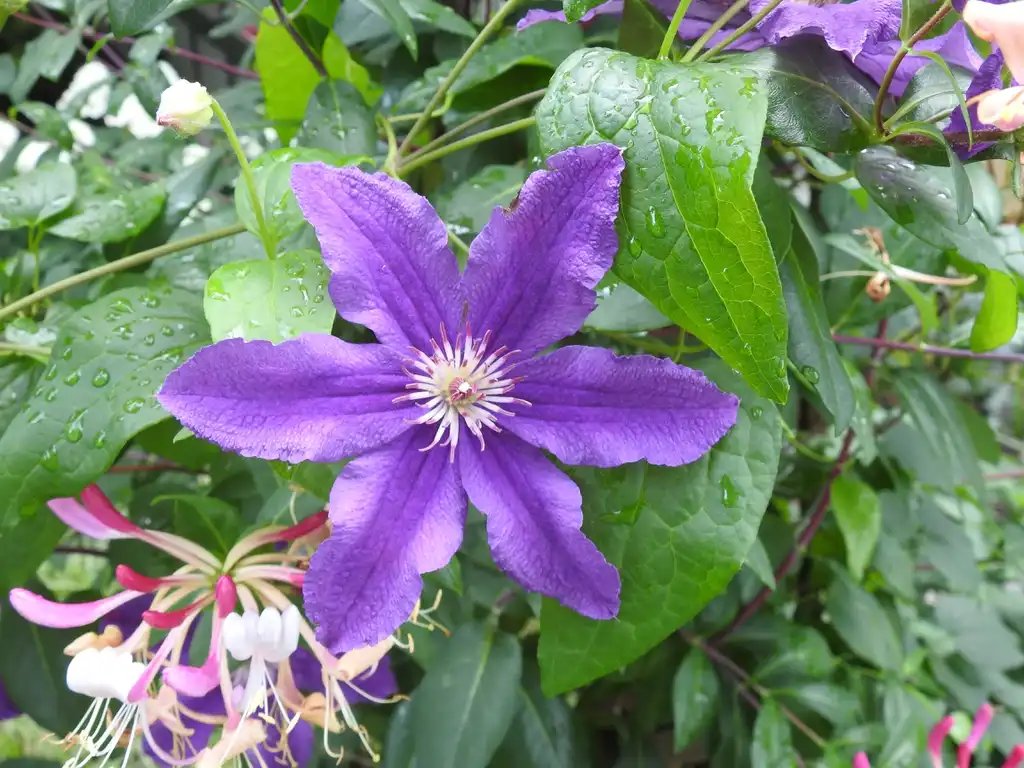
In a single growing season, a large-flowered hybrid can yield over 100 blossoms, which may be star-shaped or saucer-shaped, with diameters ranging from 4 to 10 inches. The flowers can be found in single, double, or semi-double forms.
Clematis faces various pests, including slugs, earwigs, deer, and rabbits; however, herbivores typically only target young shoots that have not yet developed their natural toxins.
These hybrids are considered weak climbers, relying on their twisting petioles to ascend. They thrive in soil with a pH close to 7.0, which should be kept cool through mulching or companion planting, consistently moist, and well-drained. Clematis can be cultivated as either herbaceous or woody vines and may be deciduous or evergreen.
Clematis hybrida Feature Summary
Clematis hybrida Image Gallery