Enkianthus campanulatus: Wildlife Value
Members of the genus Campanula support the following specialized bee: Colletes brevicornis.
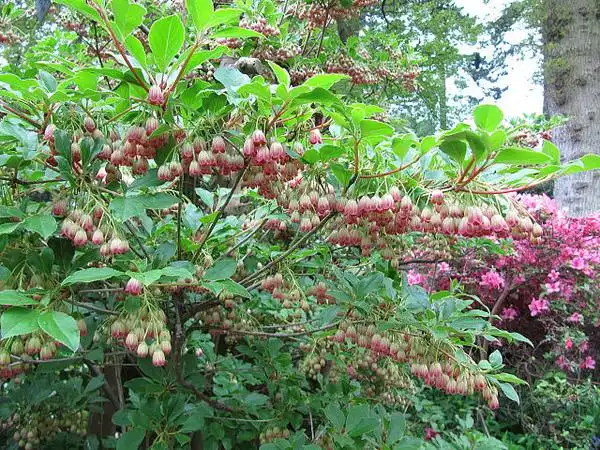
Phonetic Spelling:en-kee-AN-thus kam-pan-yoo-LAH-tus
Genus:Enkianthus
Species:campanulatus
Family:Ericaceae
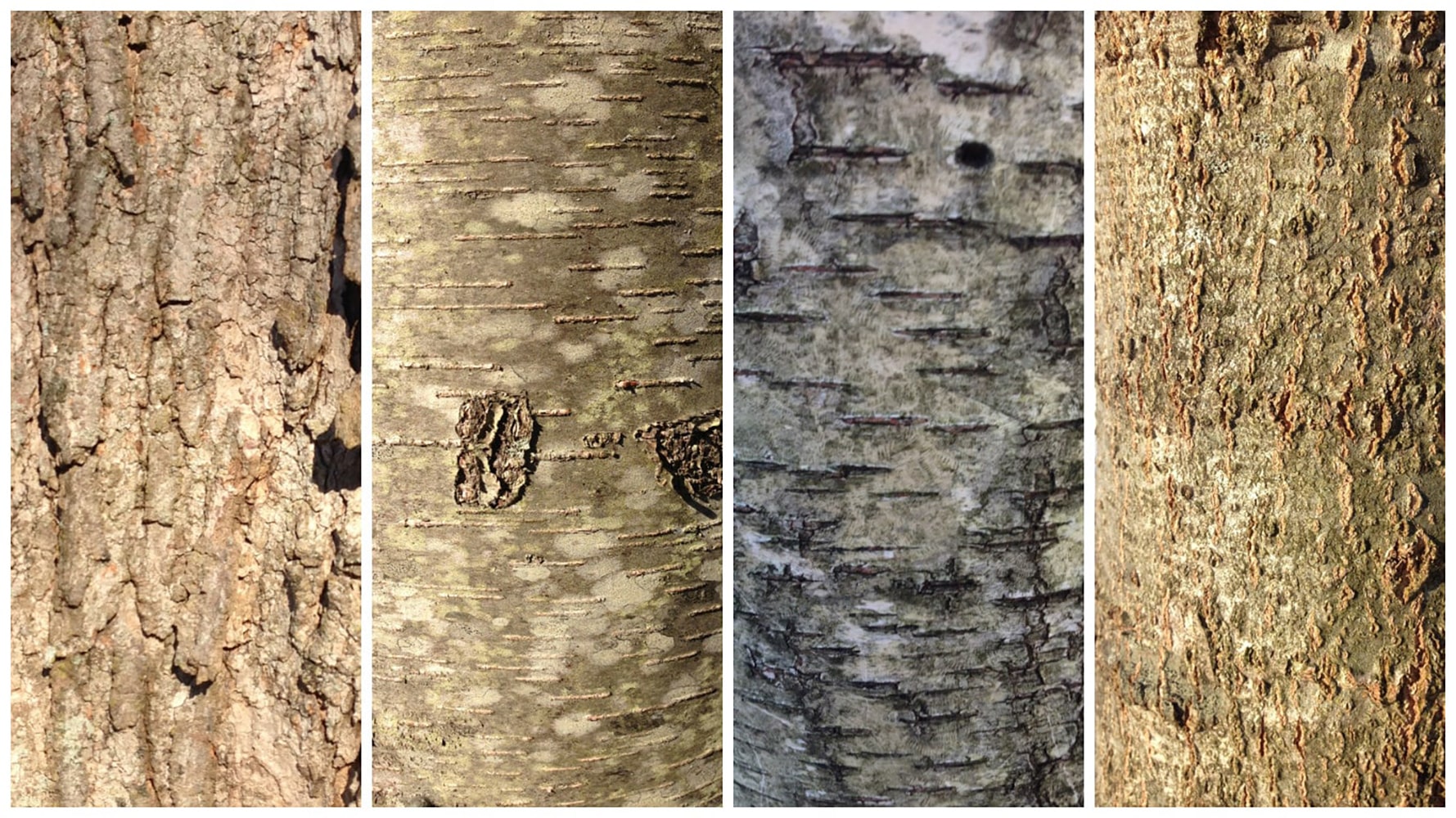
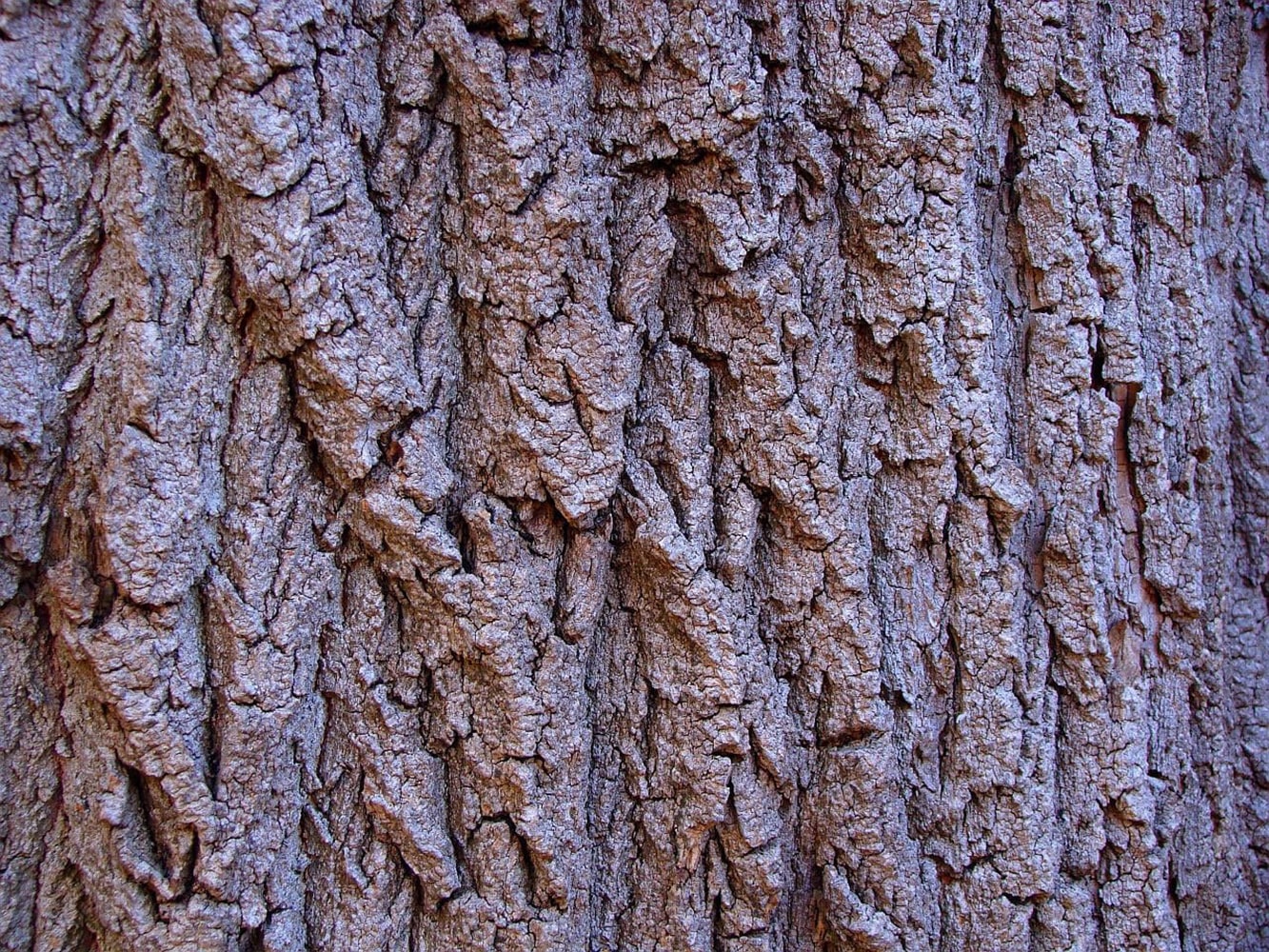
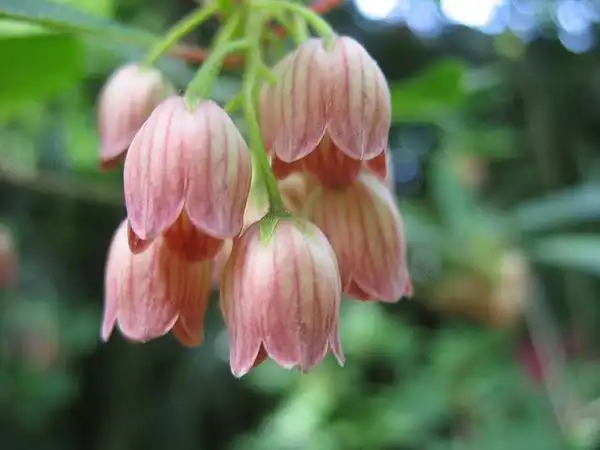
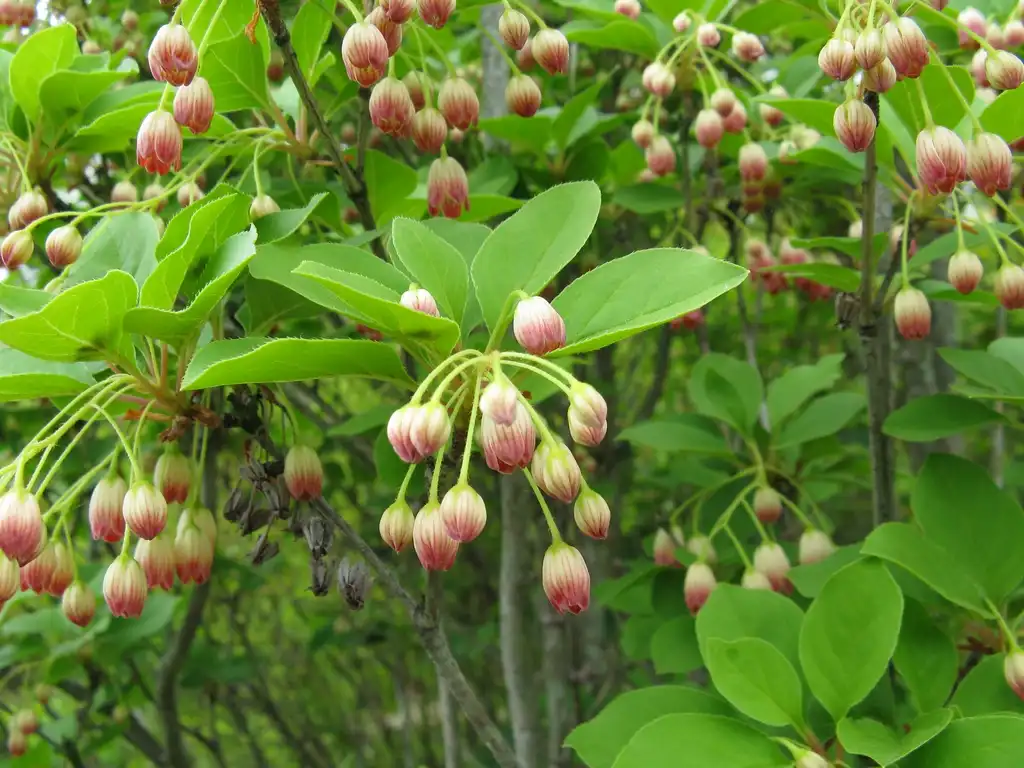
This deciduous shrub, belonging to the Ericaceae family, features a slender, upright growth pattern with layered branches and tufted leaves. It thrives in acidic, moist, and well-drained soil, although it struggles in dry conditions, yet adapts well to clay soils. The bark is a striking, smooth warm brown. Since it flowers on last year's growth, it's important to prune right after blooming to avoid cutting off next year's buds. This plant can be showcased as a solitary specimen near a foundation or grouped in small clusters within shrub borders. Rhododendrons share similar soil preferences, making them excellent companions for planting.
**Seasons of Interest:**
- **Foliage:** Fall
- **Bark:** Winter
**Quick Identification Tips:**
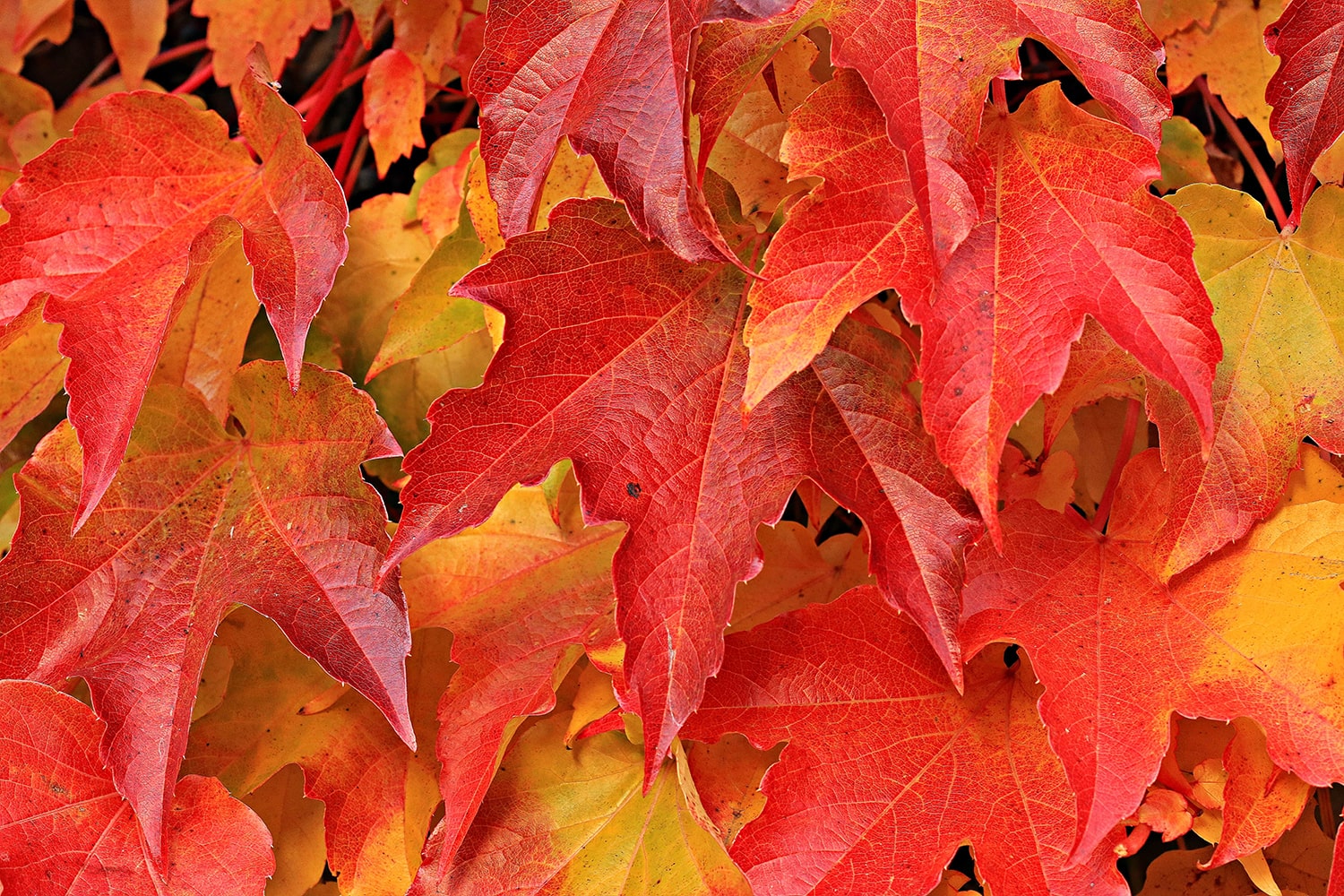
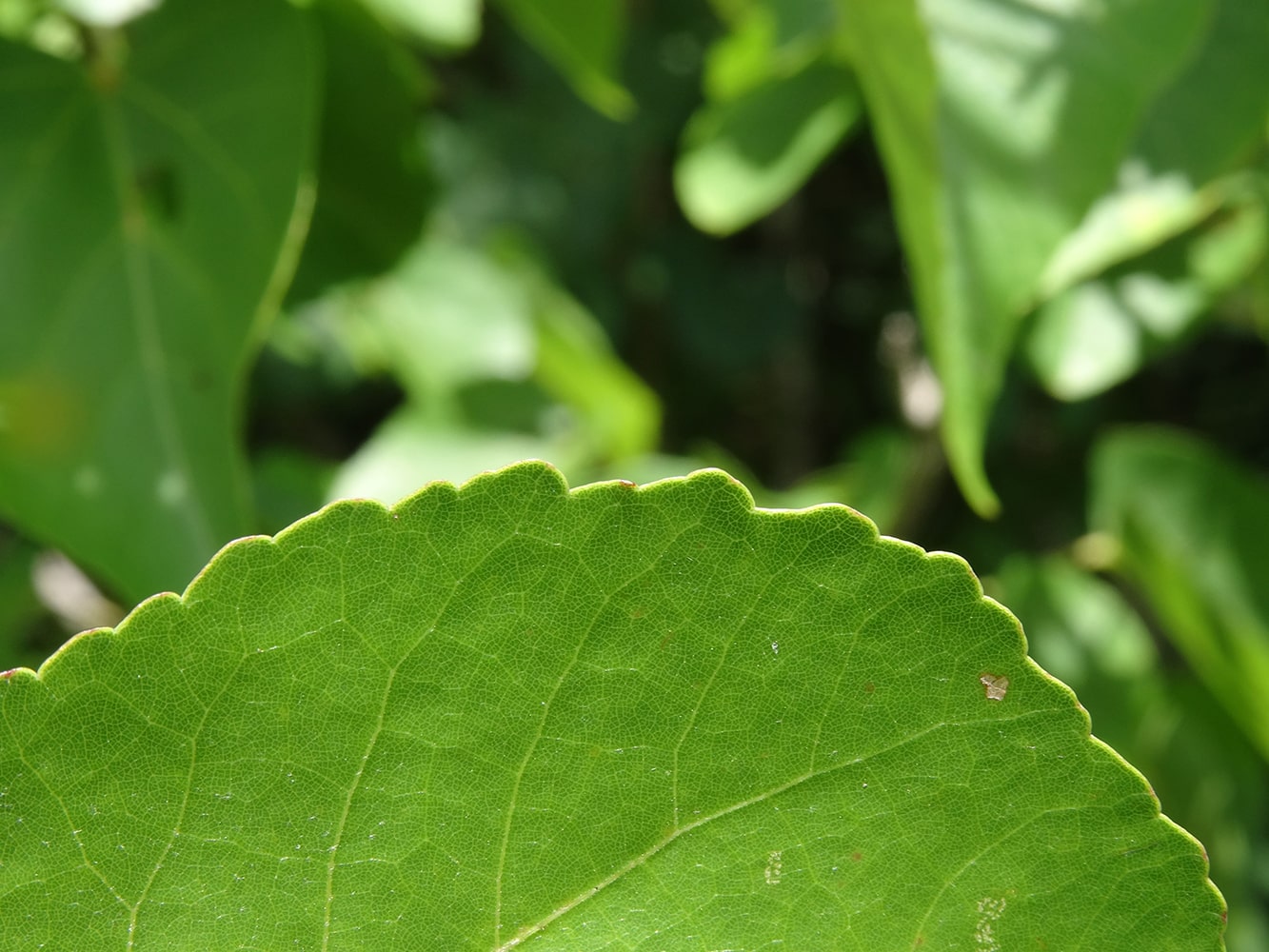
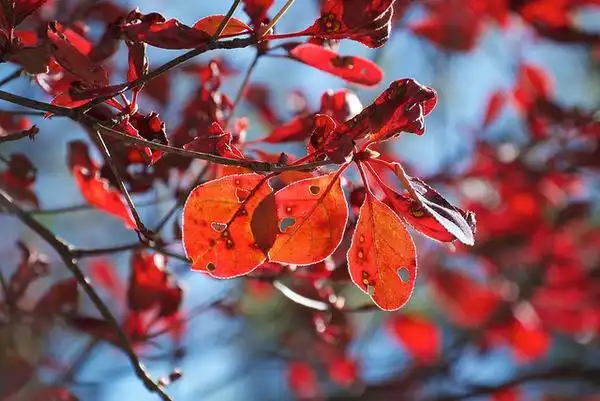
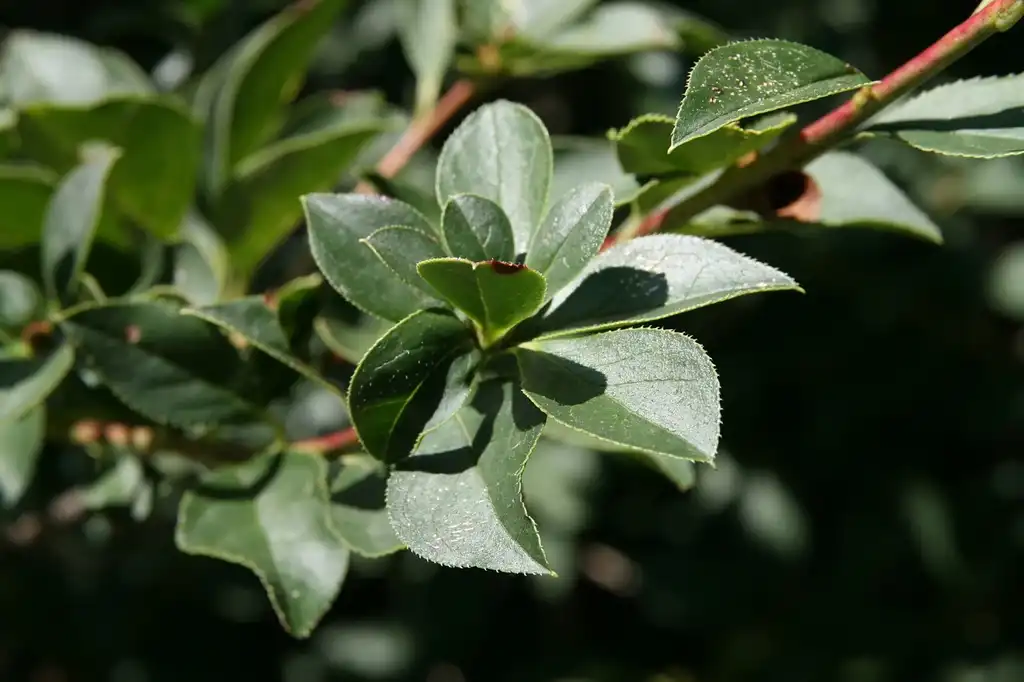
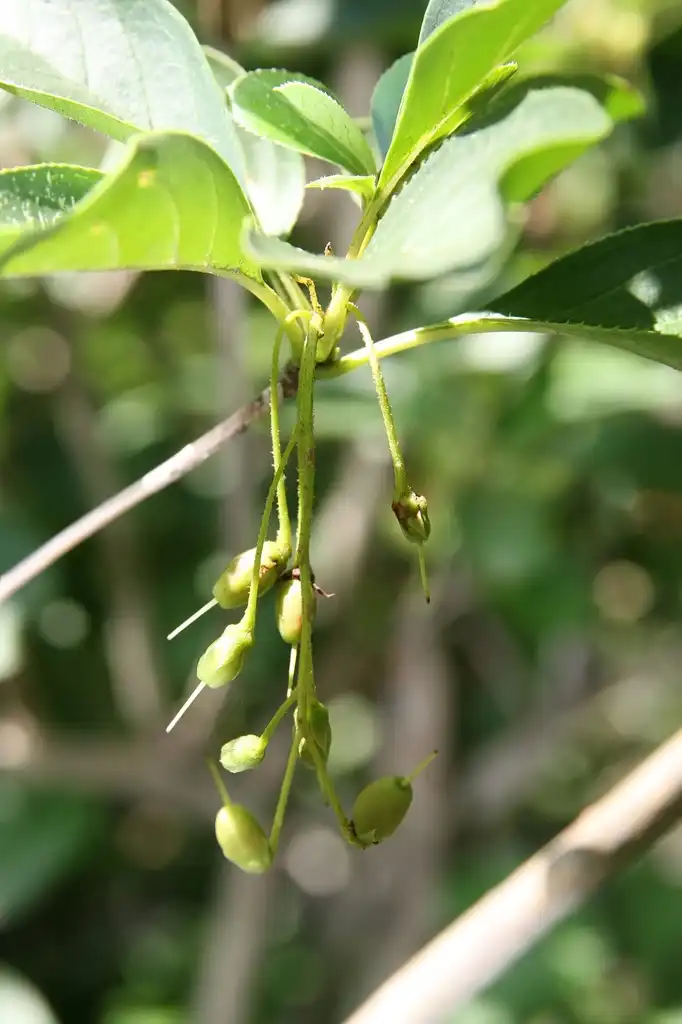
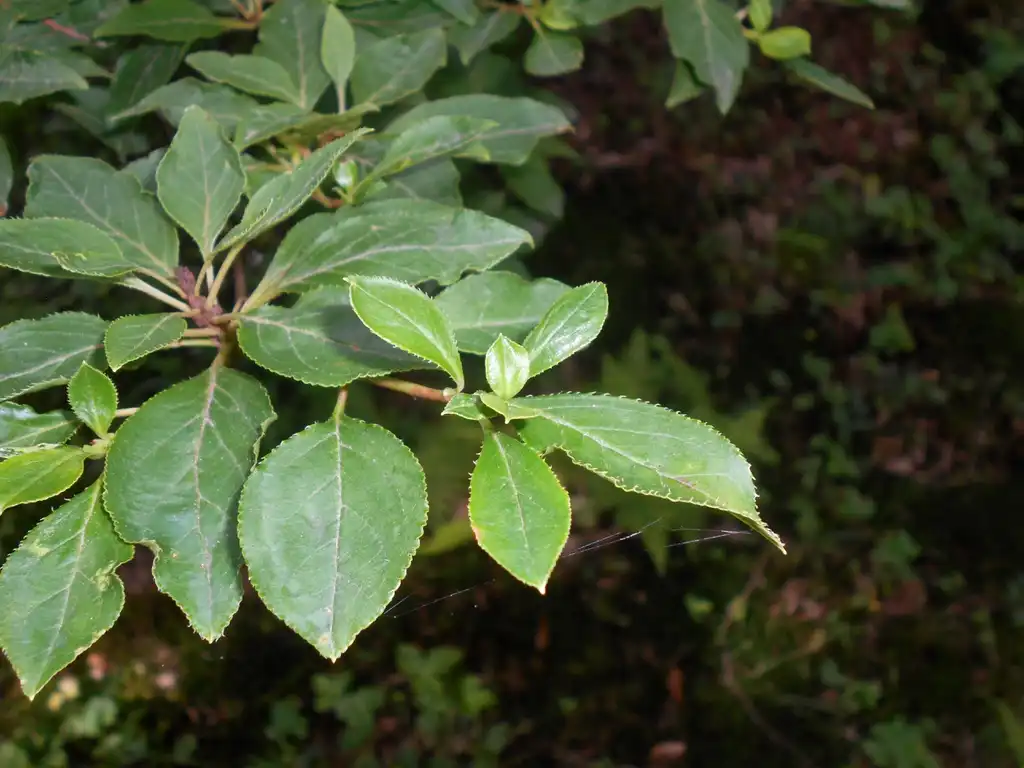
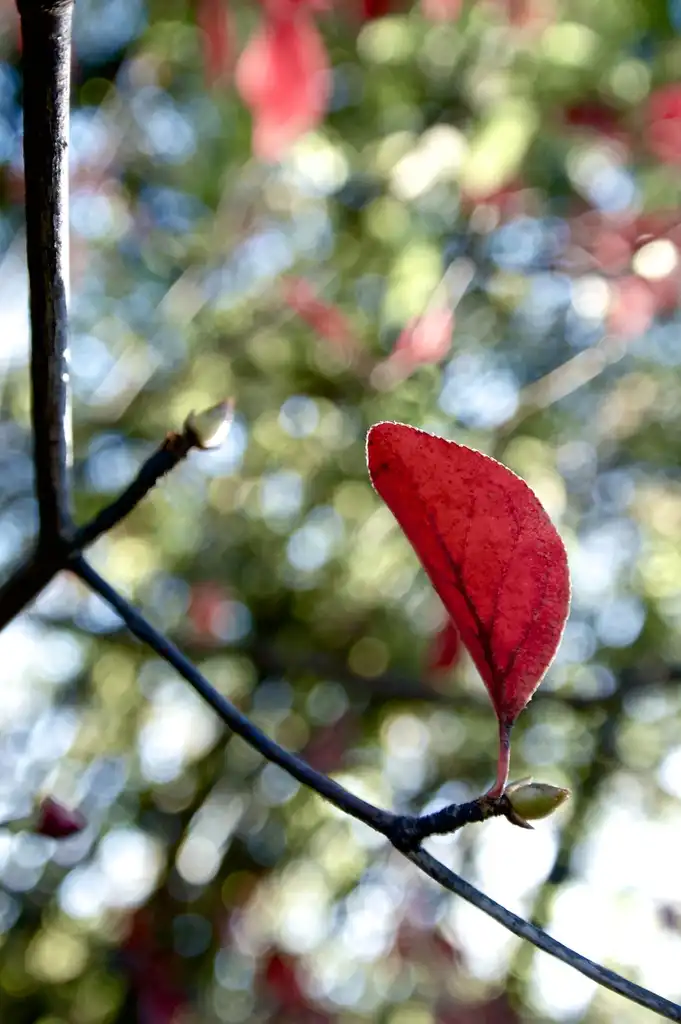
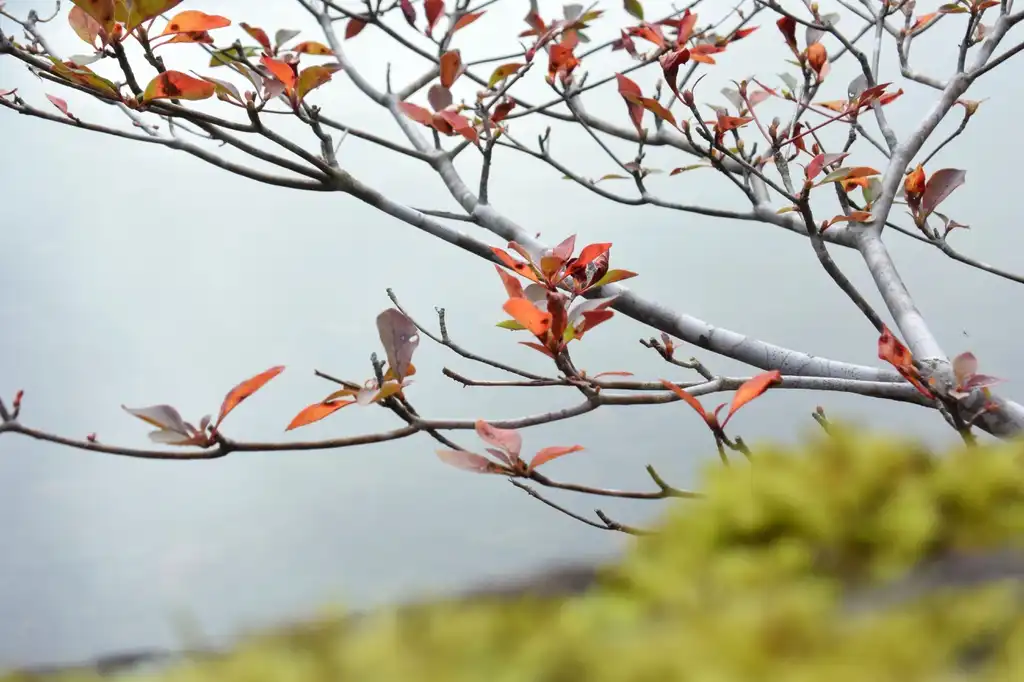
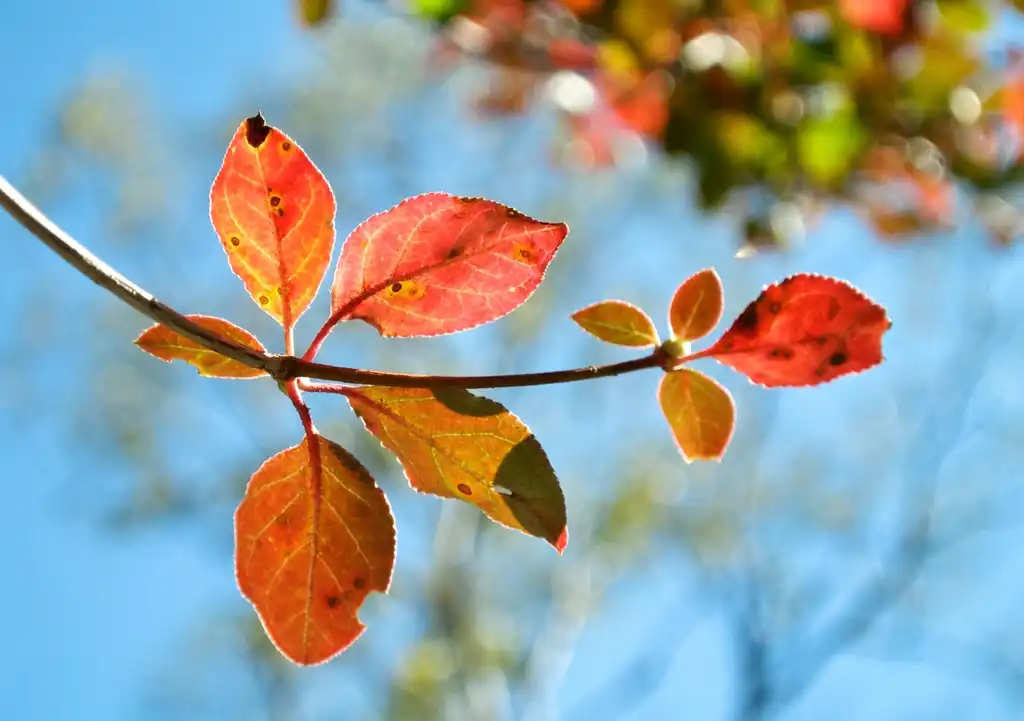
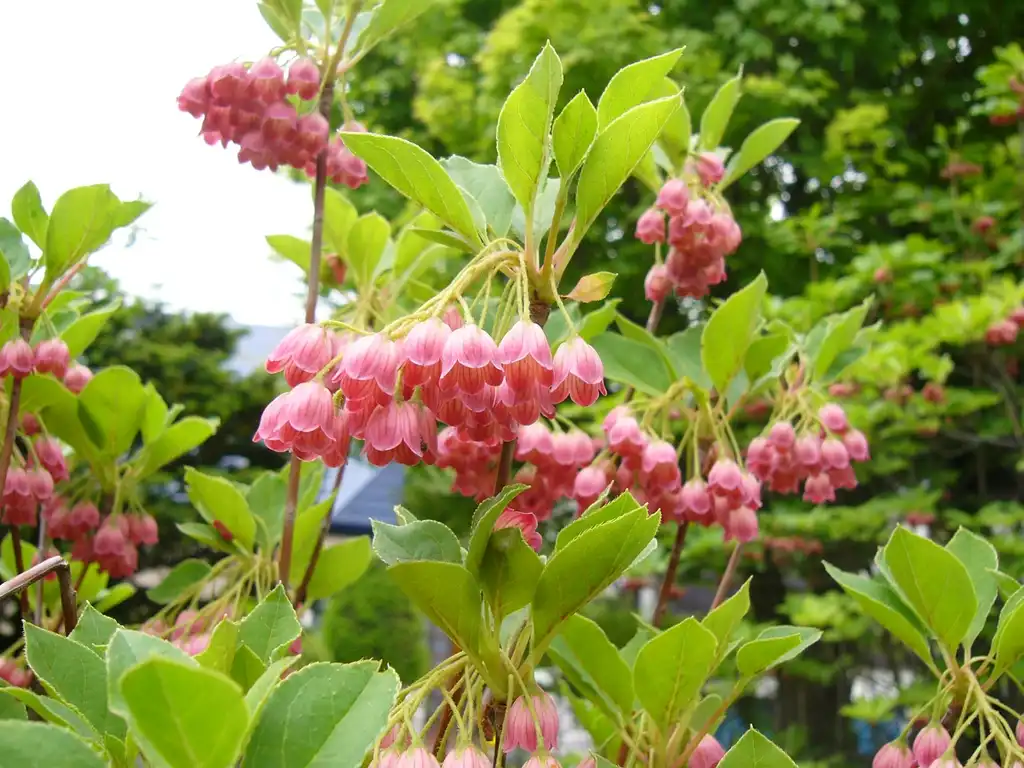
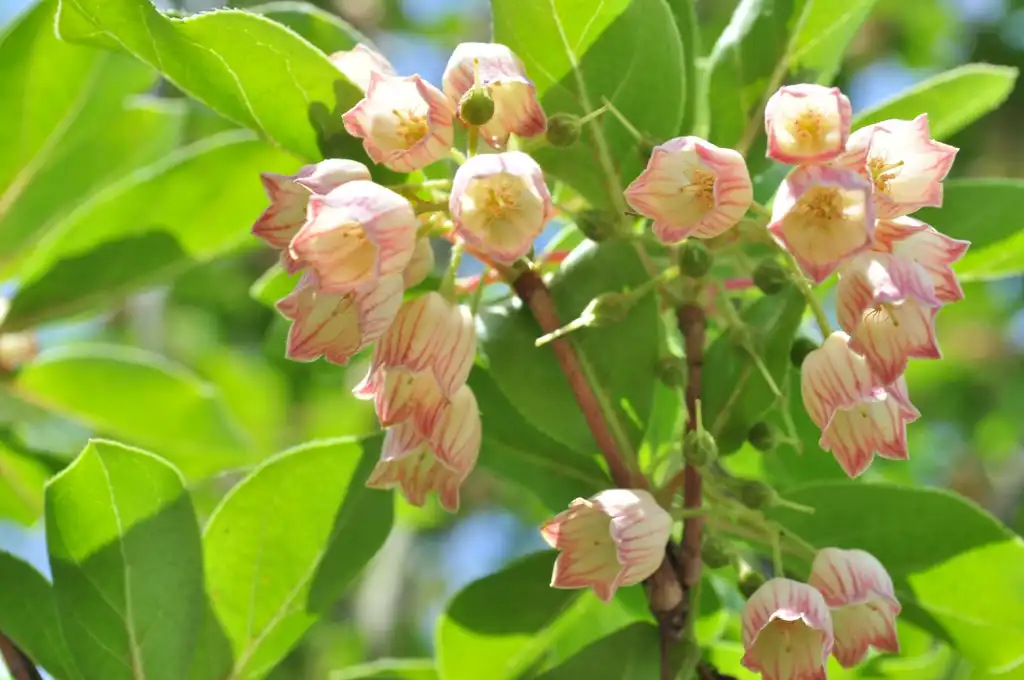
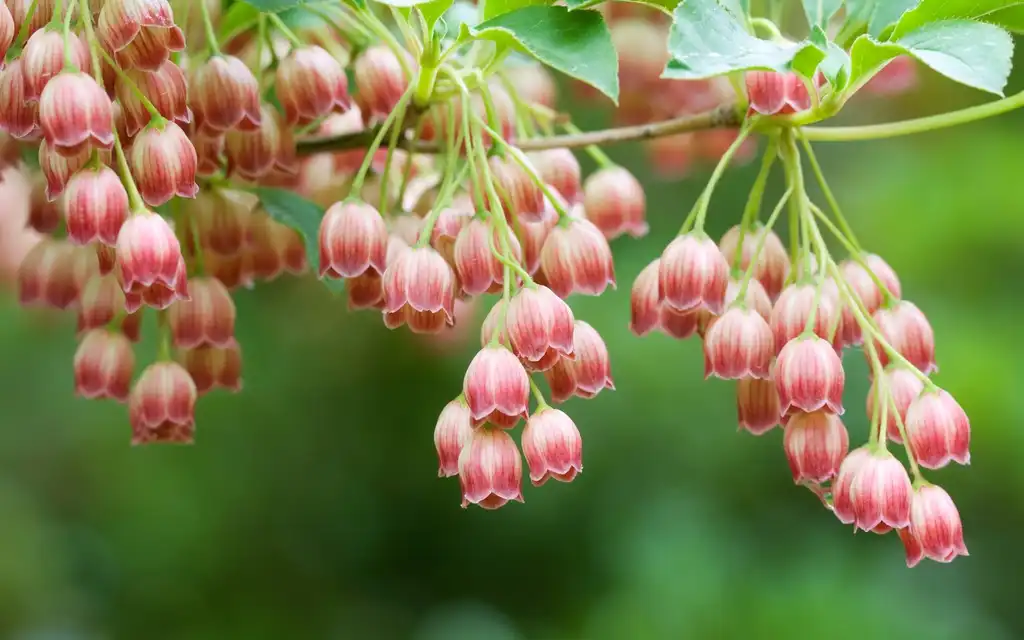
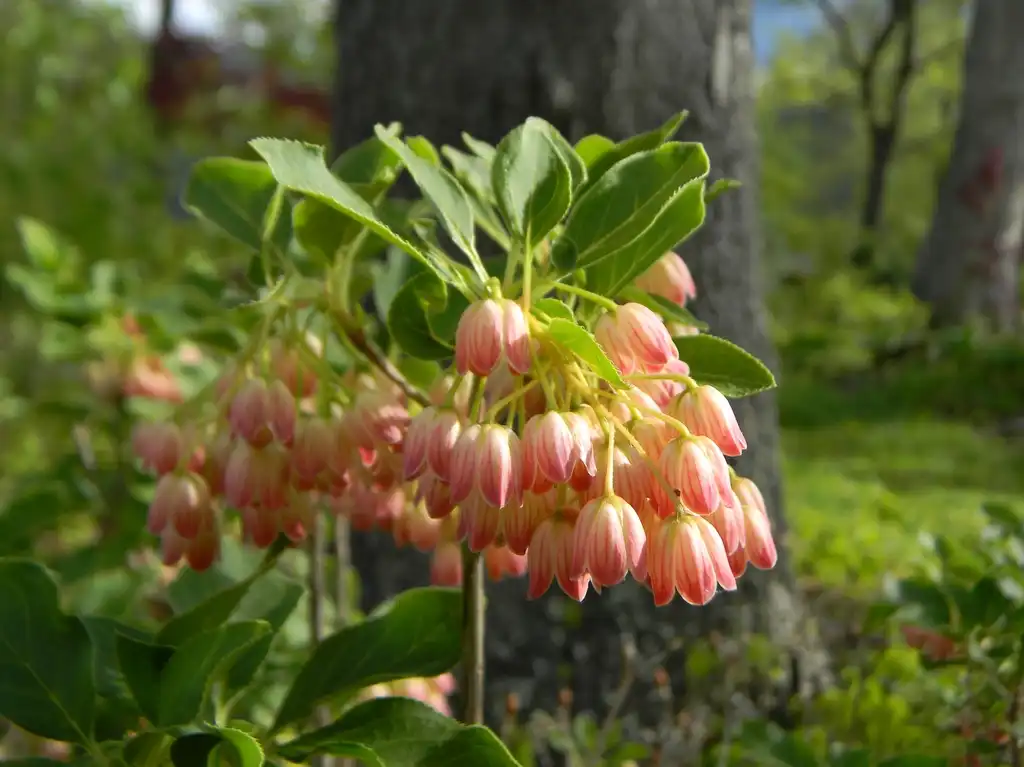
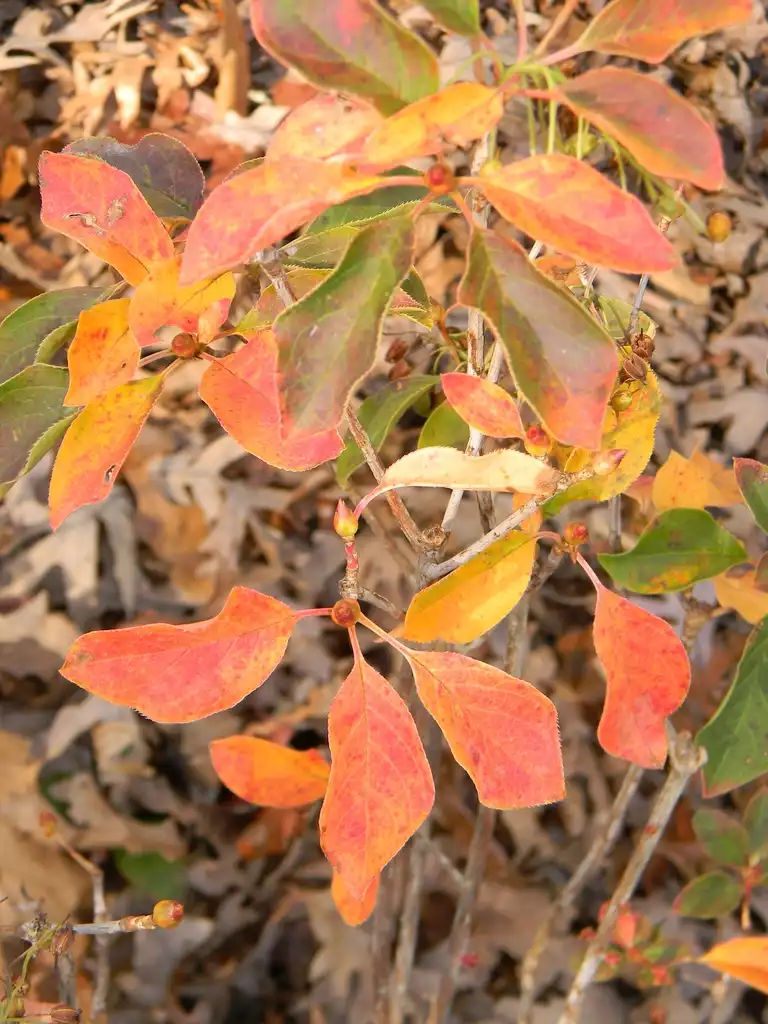
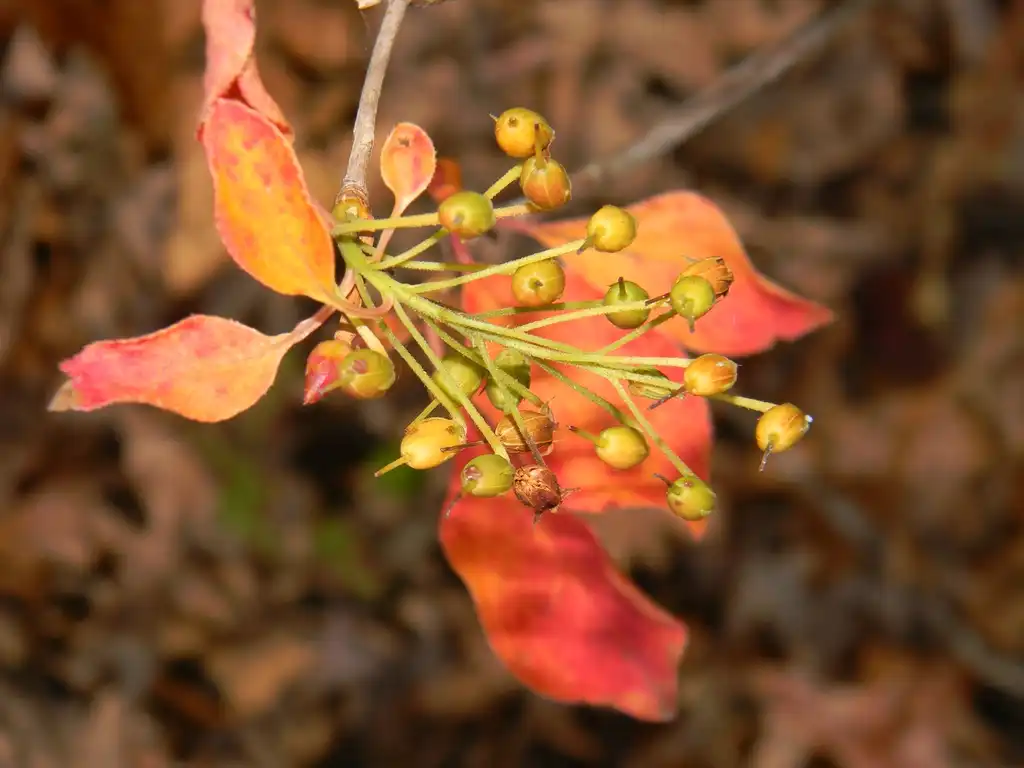
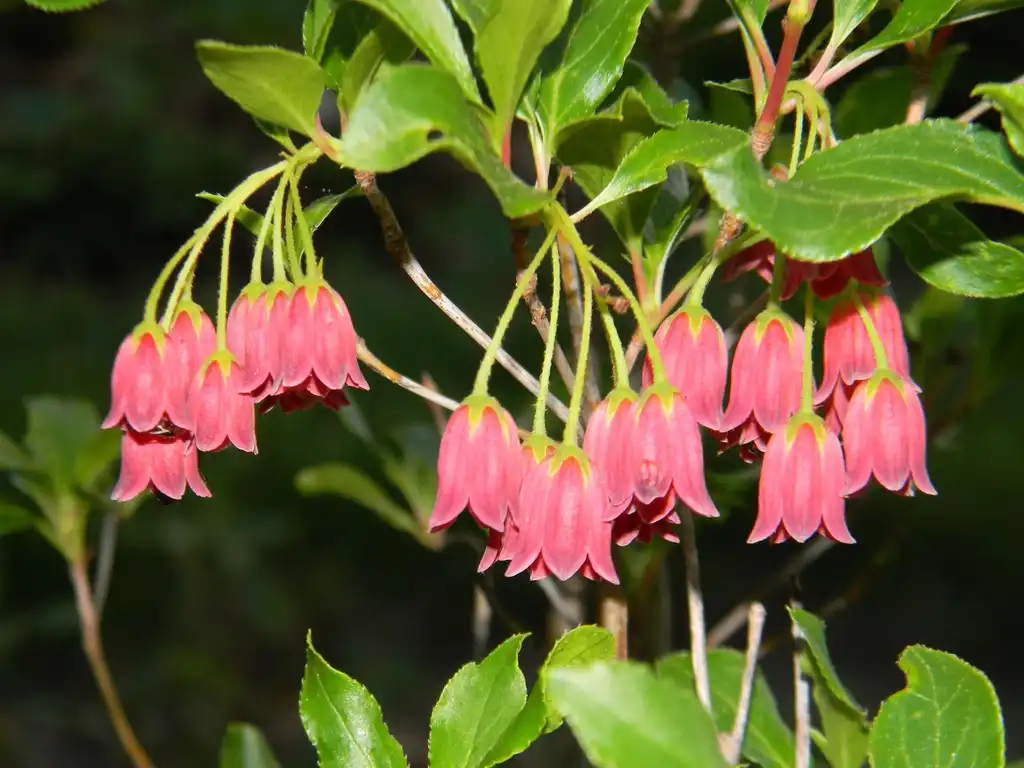
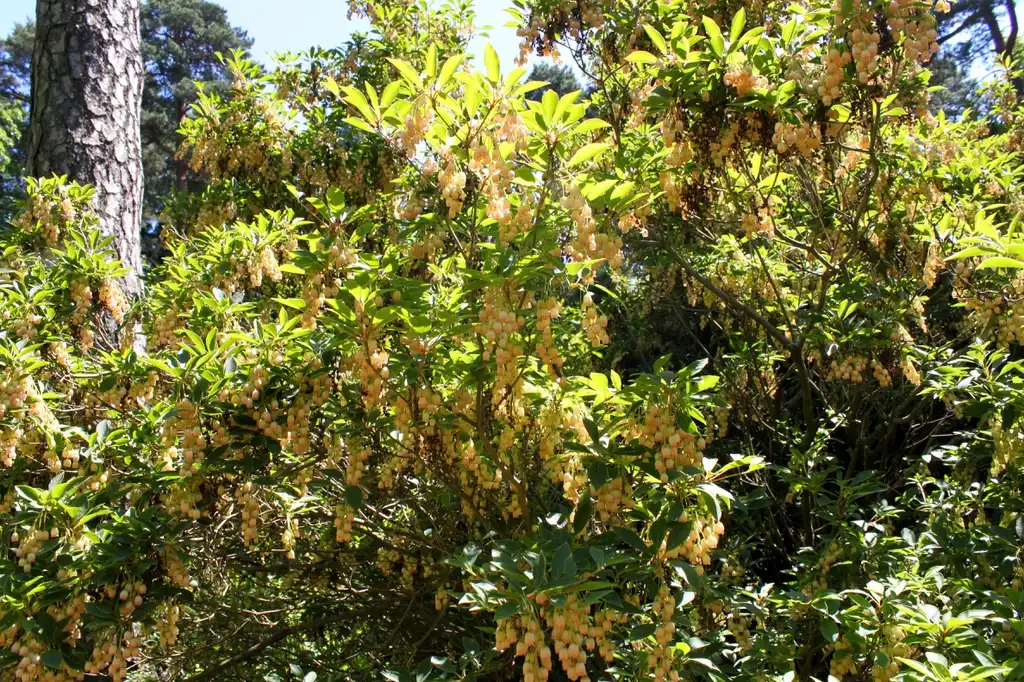
This shrub or small tree can reach up to 16 feet, exhibiting an upright and narrowly rounded form. It produces blooms in late spring, with fall foliage displaying vibrant shades of yellow, orange, or red. Its unique tiered growth habit and striking autumn colors are noteworthy. Most specimens are grown from seeds but require vegetative propagation to maintain specific fall colors. The seed capsules are distinctive and valued for use in dried floral arrangements.
This plant is adaptable to full sun or partial shade but is sensitive to drought. It prefers well-drained, moist, acidic soil and is generally free from significant pest or disease issues.
Enkianthus campanulatus Feature Summary
Enkianthus campanulatus Image Gallery