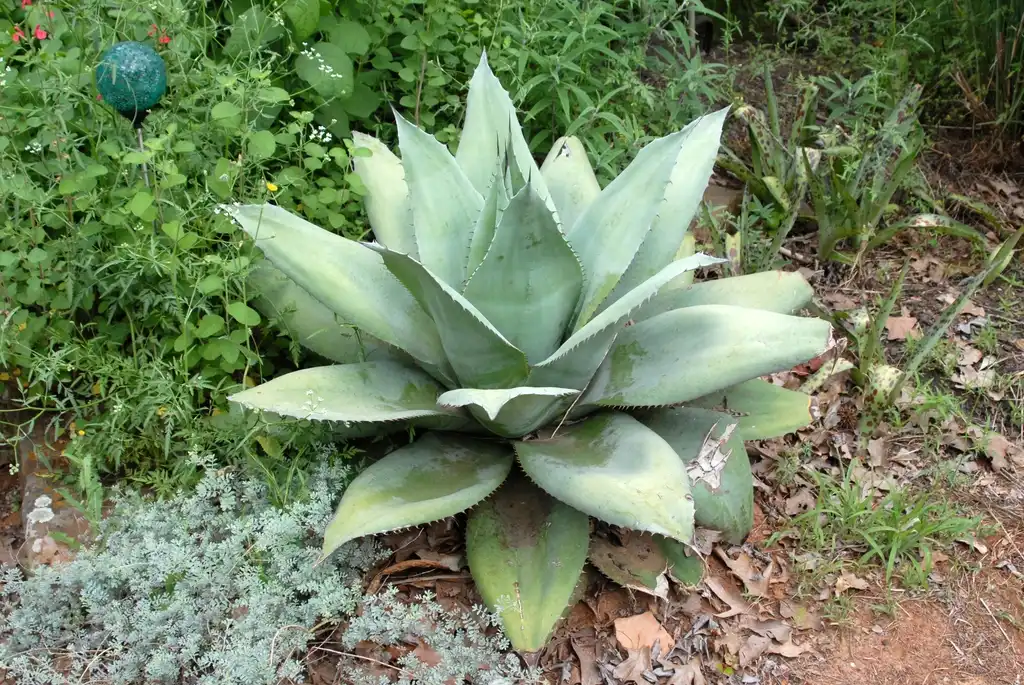
• Photo of Agave (Agaves)

Plant Profile: Agave

Taxonomy: Agave

Names

Century Plant

  • Photo of Agave (Agaves)

Phonetic Spelling:ah-GAH-vay

Genus:Agave

Species:

Family:Agavaceae

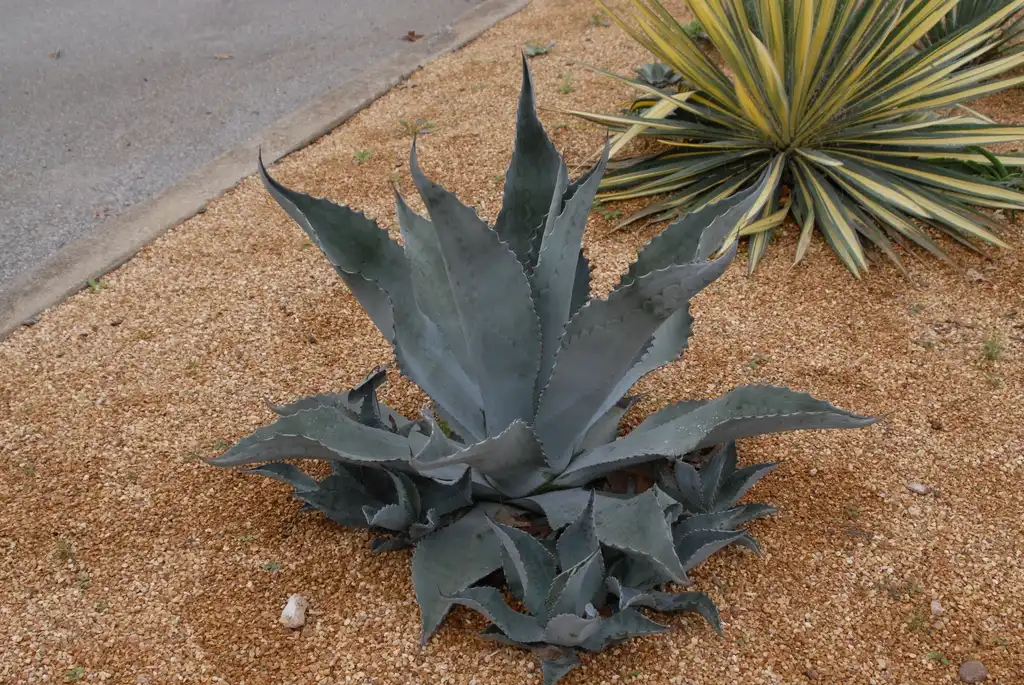
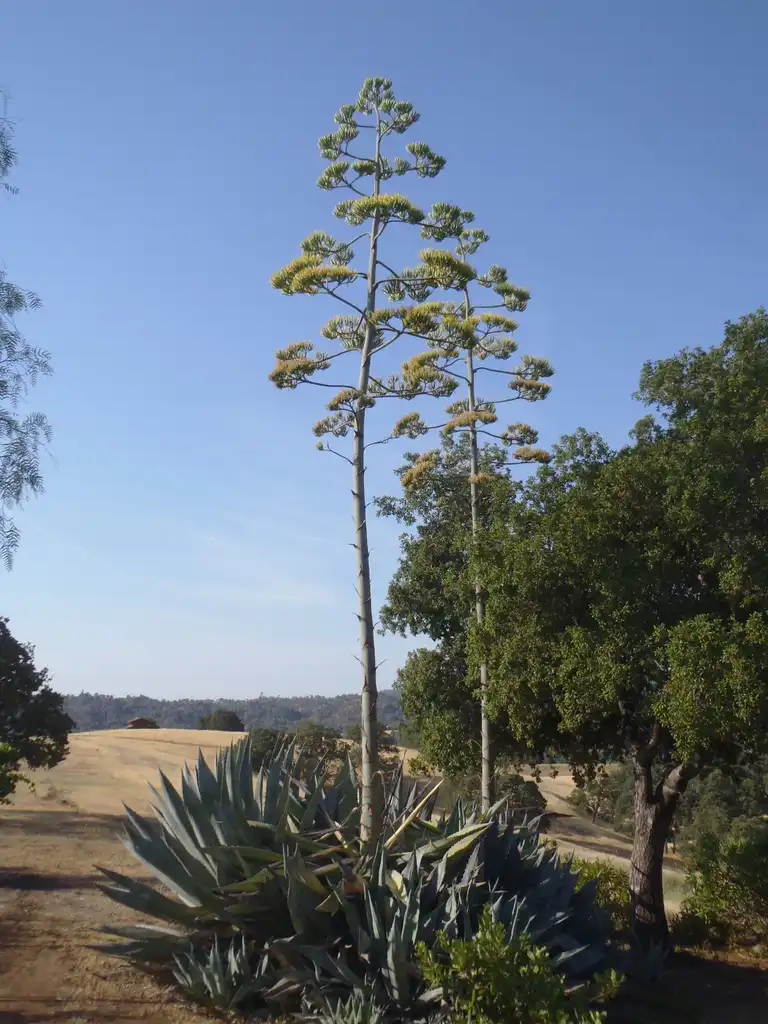
Agaves are often characterized as bold and expressive, providing a strong architectural element to your garden. They thrive in the summer heat and maintain their elegance through winter's rain and snow. Notable for their impressive structure, distinctive leaves, and flower stalks that can reach heights of up to 40 feet, agaves are truly remarkable plants. While some varieties can withstand frost, most prefer the arid conditions found in USDA hardiness zones 9 and above.

Commonly referred to as "century plants," this group consists of succulent perennials that take their time to build up energy before showcasing a spectacular floral display. Contrary to their name, they do not take a century to bloom; typically, they will wait five to ten years before sending up a towering stalk adorned with yellow flowers, making the wait worthwhile. As the original plant dies, it produces offsets, commonly known as "pups."

Native to some of the harshest desert environments in Mexico and the southwestern United States, agaves are well-equipped to endure the sweltering summers of North Carolina. They thrive in full sunlight and respond positively to summer fertilization and watering. However, it is crucial to ensure excellent drainage, as agaves do not tolerate soggy conditions, particularly during the cooler, wetter winter months.

Agaves are ideally suited for sunny locations and rock gardens. Larger species, like Agave americana, can spread up to five feet wide and produce impressive flower spikes, while smaller varieties, such as Agave parryi, offer a more compact form with equally stunning, albeit shorter, flower stalks. Choosing varieties with silver, blue, or variegated leaves and vibrant spines can enhance the visual appeal of these succulents, regardless of their size.

Agave Feature Summary

Agave Image Gallery

Tags

#yellow
#poisonous
#full sun tolerant
#heat tolerant
#houseplant
#blue
#drought tolerant
#perennial
#specimen
#yellow flowers
#accent plant
#silver
#agave
#spiny leaves
#rock gardens
#dry soils tolerant
#container plants

Similar Plants

Agave Feature Summary

Attributes
Tropical USA, Mexico
Used to make a sugar substitute sweetener.
Perennial
Fruit
Clusters of berry-like seed pods
Flowers
Tall spikes of white, green or yellow tubular flowers in various sizes depending on the species.
White
Gold/Yellow
Green
Tubular
Bell
Leaves
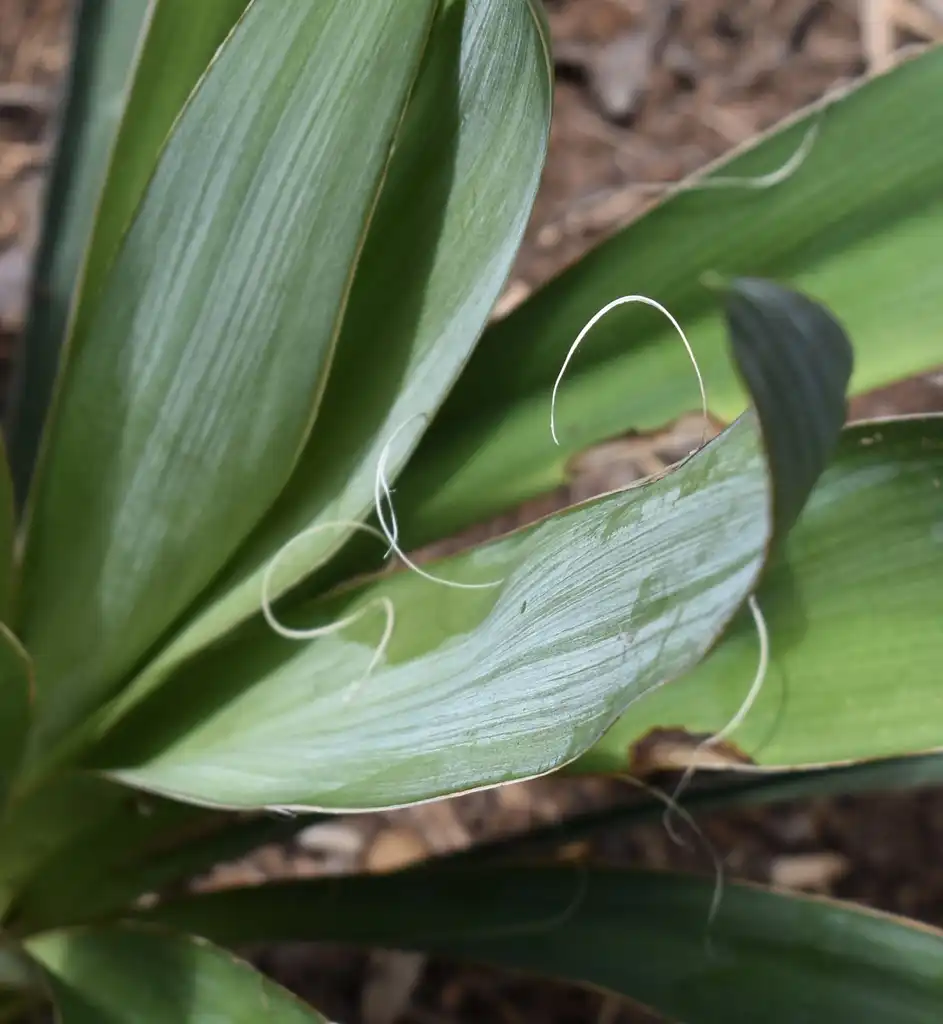
Rosettes of stemless fleshy leaves with entire or serrated margins and pointed sharp tips in various sizes depending on the species.
Green
Gray/Silver
White
Blue
Gold/Yellow
Variegated
Prickly
Fleshy
Poisonous to Humans
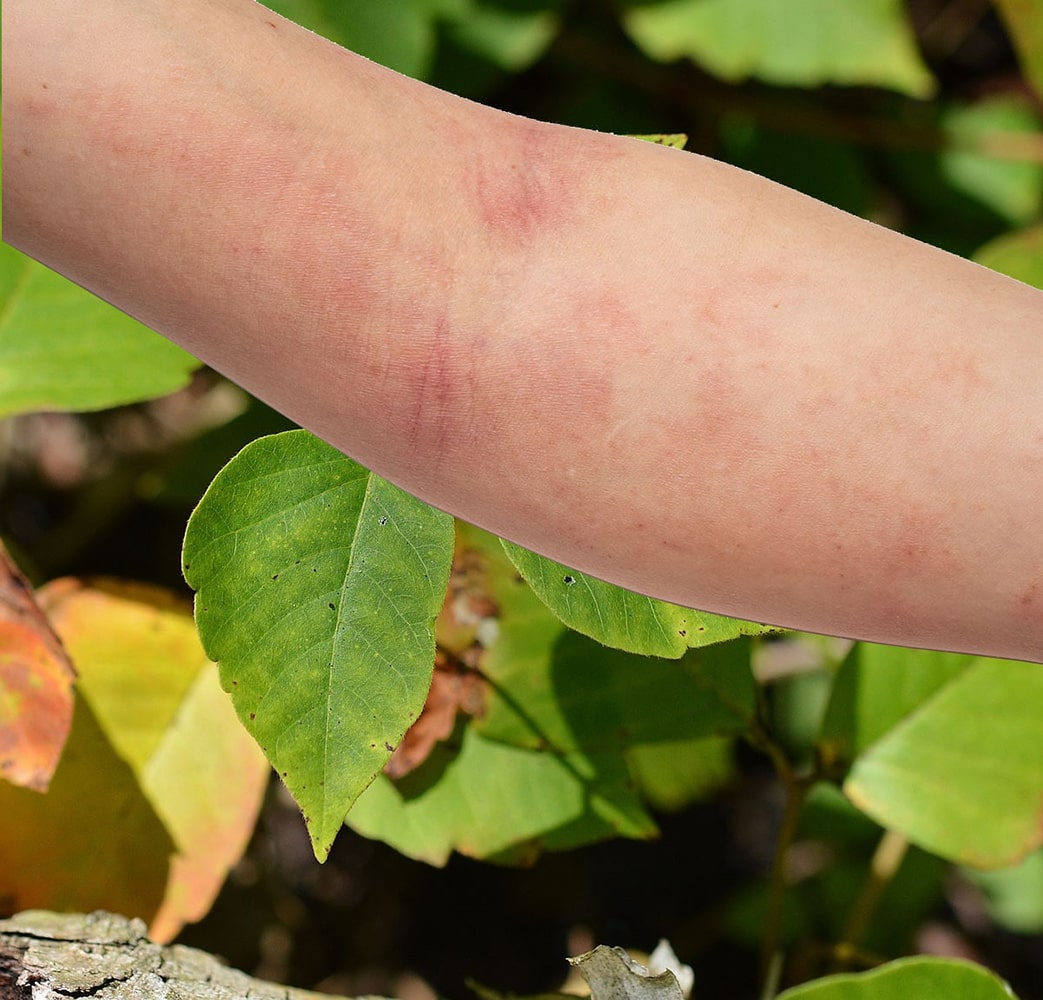
Poison part: Plant sap from leaves Poison Delivery Mode: Dermatitis Symptoms: Skin irritation. Immediate burning and redness with developing blisters
Leaves
Sap/Juice
Whole Plant Traits
Perennial
Poisonous
Houseplant
Succulent
Clumping
Cultural Conditions
Full sun (6 or more hours of direct sunlight a day)
Good Drainage
Occasionally Dry
3 feet-6 feet
12 inches-3 feet
6-feet-12 feet
Loam (Silt)
Sand
Shallow Rocky
Landscape
Drought Tolerant Garden
Rock Garden
Winter Garden
Container
Houseplants
Poisonous to Humans
Contact Dermatitis

Agave Attributes

Agave: Country Or Region Of Origin

Tropical USA, Mexico
Agave: Edibility

Used to make a sugar substitute sweetener.

Agave: Life Cycle

Annual
Biennial
Bulb
Perennial
Woody

Agave Fruit

Agave: Fruit Description

Clusters of berry-like seed pods

Agave Flowers

Agave: Flower Description

Tall spikes of white, green or yellow tubular flowers in various sizes depending on the species.

Agave: Flower Color

filter_vintage
Gold/Yellow
filter_vintage
Green
filter_vintage
White

Agave: Flower Inflorescence

Catkin
Corymb
Cyme
Head
Insignificant
Panicle
Raceme
Solitary
Spadix
Spike
Umbel

Agave: Flower Value To Gardener

Edible
Fragrant
Good Cut
Good Dried
Long Bloom Season
Long-lasting
Showy

Agave: Flower Bloom Time

Winter
Spring
Summer
Fall

Agave: Flower Shape

Bell
Cross
Crown
Cup
Dome
Funnel
Irregular
Lipped
Radial
Saucer
Star
Trumpet
Tubular
Urn
Wheel

Agave Leaves

Agave: Leaf Description

Rosettes of stemless fleshy leaves with entire or serrated margins and pointed sharp tips in various sizes depending on the species.

Agave: Leaf Color

spa
Blue
spa
Gold/Yellow
spa
Gray/Silver
spa
Green
spa
Variegated
spa
White

Agave: Leaf Type

Compound (Pinnately , Bipinnately, Palmately)
Fronds
Needles
Sheath
Simple

Agave: Leaf Arrangement

Alternate
Opposite
Other/more complex
Rosulate
Whorled

Agave: Leaf Margin

Crenate
Crenulate
Dentate
Denticulate
Doubly Crenate
Doubly Dentate
Doubly Serrate
Entire
Lobed
Serrate
Sinuate
Undulate

Agave: Hairs Present

No
Yes

Agave: Leaf Feel

Fleshy
Glossy
Leathery
Papery
Prickly
Rough
Rubbery
Slippery
Smooth
Soft
Velvety
Waxy

Agave: Leaf Value To Gardener

Edible
Fragrant
Good Cut
Good Dried
Long-lasting
Showy

Agave Poisonous to Humans

Agave: Poison Symptoms

Poison part: Plant sap from leaves Poison Delivery Mode: Dermatitis Symptoms: Skin irritation. Immediate burning and redness with developing blisters

Agave: Poison Toxic Principle

Unknown

Agave: Poison Severity

High
Low
Medium

Agave: Causes Contact Dermatitis

No
Yes

Agave: Poison Part

Bark
Flowers
Fruits
Leaves
Roots
Sap/Juice
Seeds
Stems

Agave Whole Plant Traits

Agave: Plant Type

Annual
Bulb
Carnivorous
Edible
Epiphyte
Fern
Ground Cover
Herb
Herbaceous Perennial
Houseplant
Mushroom
Native Plant
Ornamental Grasses and Sedges
Perennial
Poisonous
Rose
Shrub
Succulent
Tree
Turfgrass
Vegetable
Vine
Water Plant
Weed
Wildflower

Agave: Habit/Form

Arching
Ascending
Broad
Cascading
Climbing
Clumping
Columnar
Conical
Creeping
Dense
Erect
Horizontal
Irregular
Mounding
Multi-stemmed
Multi-trunked
Open
Oval
Prostrate
Pyramidal
Rounded
Spreading
Vase
Weeping

Agave: Growth Rate

Slow
Medium
Rapid

Agave: Maintenance

Low
Medium
High

Agave Cultural Conditions

Agave: Light

Dappled Sunlight (Shade through upper canopy all day)
Deep shade (Less than 2 hours to no direct sunlight)
Full sun (6 or more hours of direct sunlight a day)
Partial Shade (Direct sunlight only part of the day, 2-6 hours)

Agave: Soil Drainage

Frequent Standing Water
Good Drainage
Moist
Occasional Flooding
Occasionally Dry
Occasionally Wet
Very Dry

Agave: Available Space To Plant

12 inches-3 feet
12-24 feet
24-60 feet
3 feet-6 feet
6-feet-12 feet
Less than 12 inches
more than 60 feet

Agave: USDA Plant Hardiness Zone

thermostat
10a
thermostat
10b
thermostat
11a
thermostat
11b
thermostat
9a
thermostat
9b

Agave: Soil Texture

Clay
High Organic Matter
Loam (Silt)
Sand
Shallow Rocky

Agave Stem

Agave: Stem Is Aromatic

No
Yes

Agave Landscape

Agave: Landscape Theme

Asian Garden
Butterfly Garden
Children's Garden
Cottage Garden
Cutting Garden
Drought Tolerant Garden
Edible Garden
English Garden
Fairy Garden
Garden for the Blind
Native Garden
Nighttime Garden
Pollinator Garden
Rain Garden
Rock Garden
Shade Garden
Water Garden
Winter Garden

Agave: Resistance To Challenges

Black Walnut
Compaction
Deer
Diseases
Drought
Dry Soil
Erosion
Fire
Foot Traffic
Heat
Heavy Shade
Humidity
Insect Pests
Pollution
Poor Soil
Rabbits
Salt
Slugs
Squirrels
Storm damage
Urban Conditions
Voles
Wet Soil
Wind

Agave: Landscape Location

Coastal
Container
Hanging Baskets
Houseplants
Lawn
Meadow
Naturalized Area
Near Septic
Patio
Pond
Pool/Hardscape
Recreational Play Area
Riparian
Rock Wall
Slope/Bank
Small Space
Vertical Spaces
Walkways
Woodland

Agave: Problems

Allelopathic
Contact Dermatitis
Frequent Disease Problems
Frequent Insect Problems
Invasive Species
Malodorous
Messy
Poisonous to Humans
Problem for Cats
Problem for Children
Problem for Dogs
Problem for Horses
Short-lived
Spines/Thorns
Weak Wood
Weedy