Albizia kalkora: Country Or Region Of Origin
Northeastern India to Japan
Phonetic Spelling:al-BIZ-ee-a Kal Kora
Genus:Albizia
Species:kalkora
Family:Fabaceae
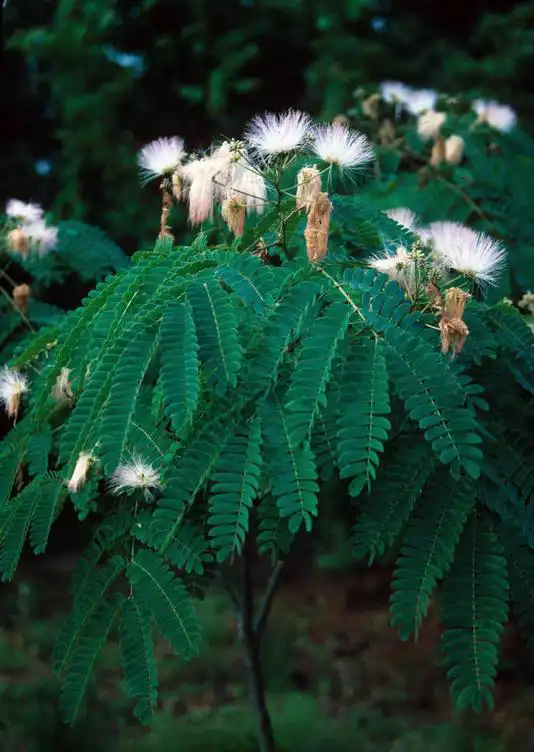
The Kalkora Mimosa belongs to the Fabaceae family, commonly known as legumes. This species is indigenous to Northeastern India and can also be found in parts of China, Bangladesh, Japan, Korea, Taiwan, and Vietnam. In the United States, its cultivation is quite limited, with a naturalized population existing in Durham, North Carolina. This deciduous tree or shrub features a crown that provides shade and produces powder-puff flowers that range from white to yellow, blooming in May and June. The fruits are flattened legumes containing between four to twelve seeds.
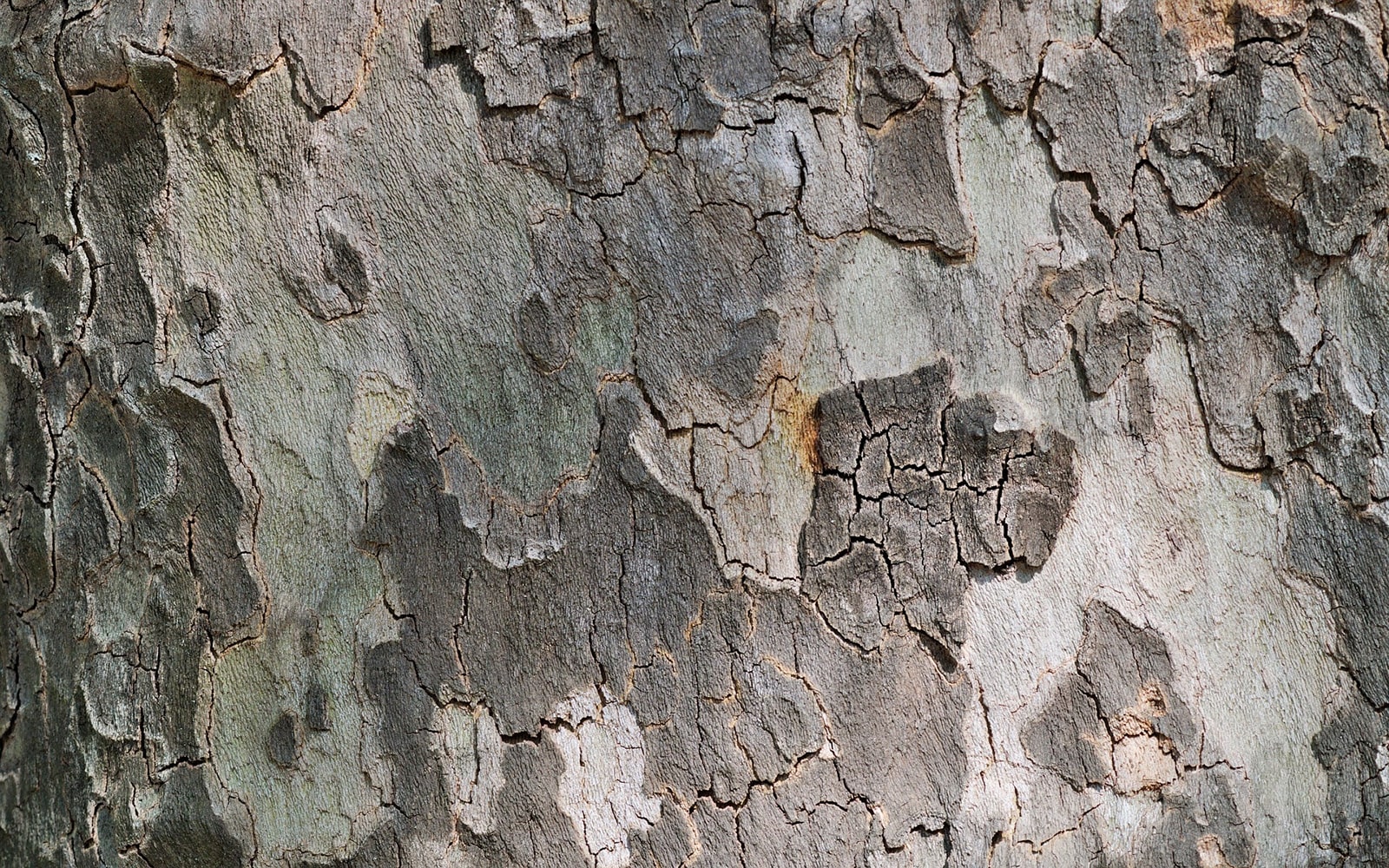
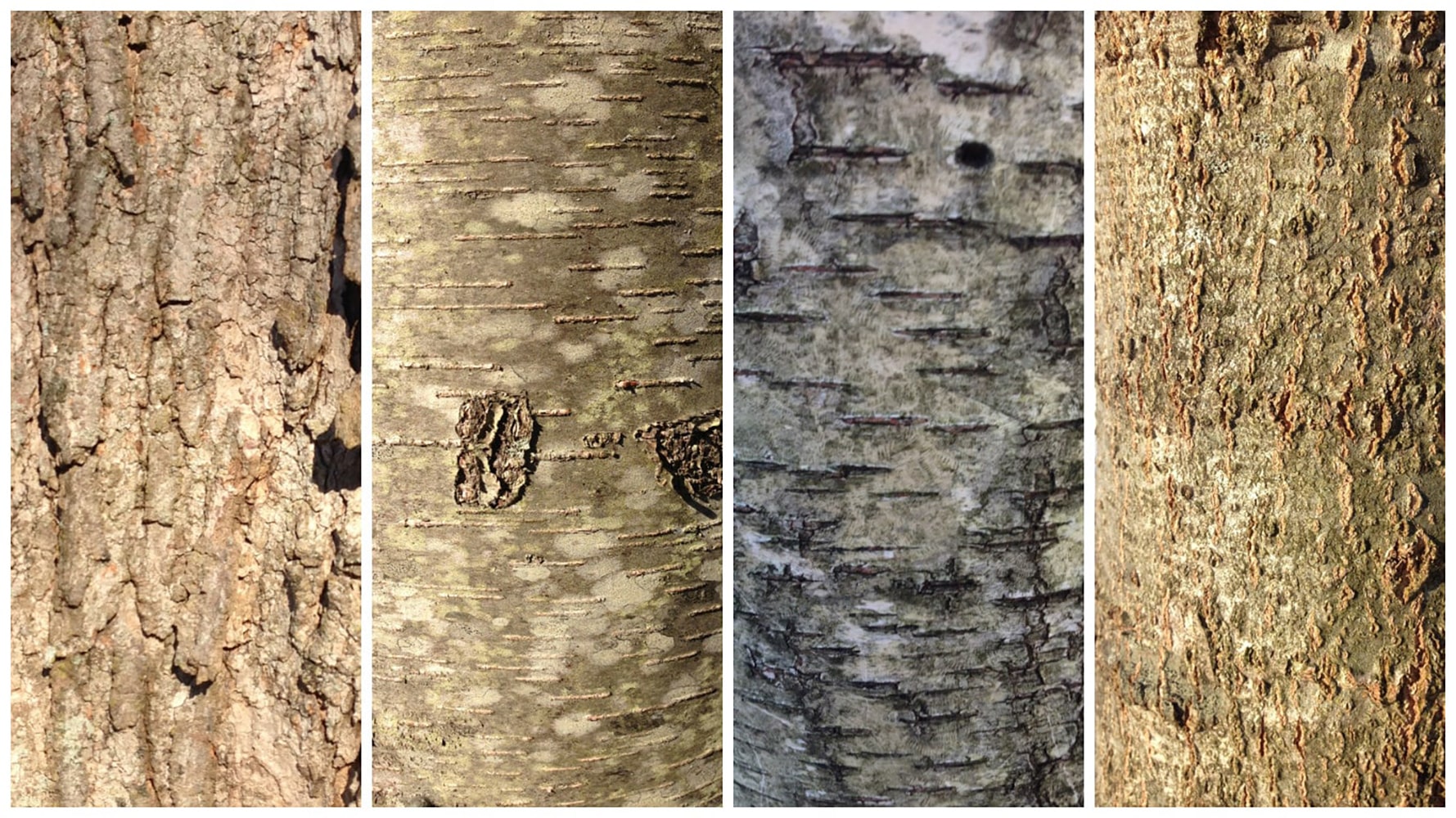
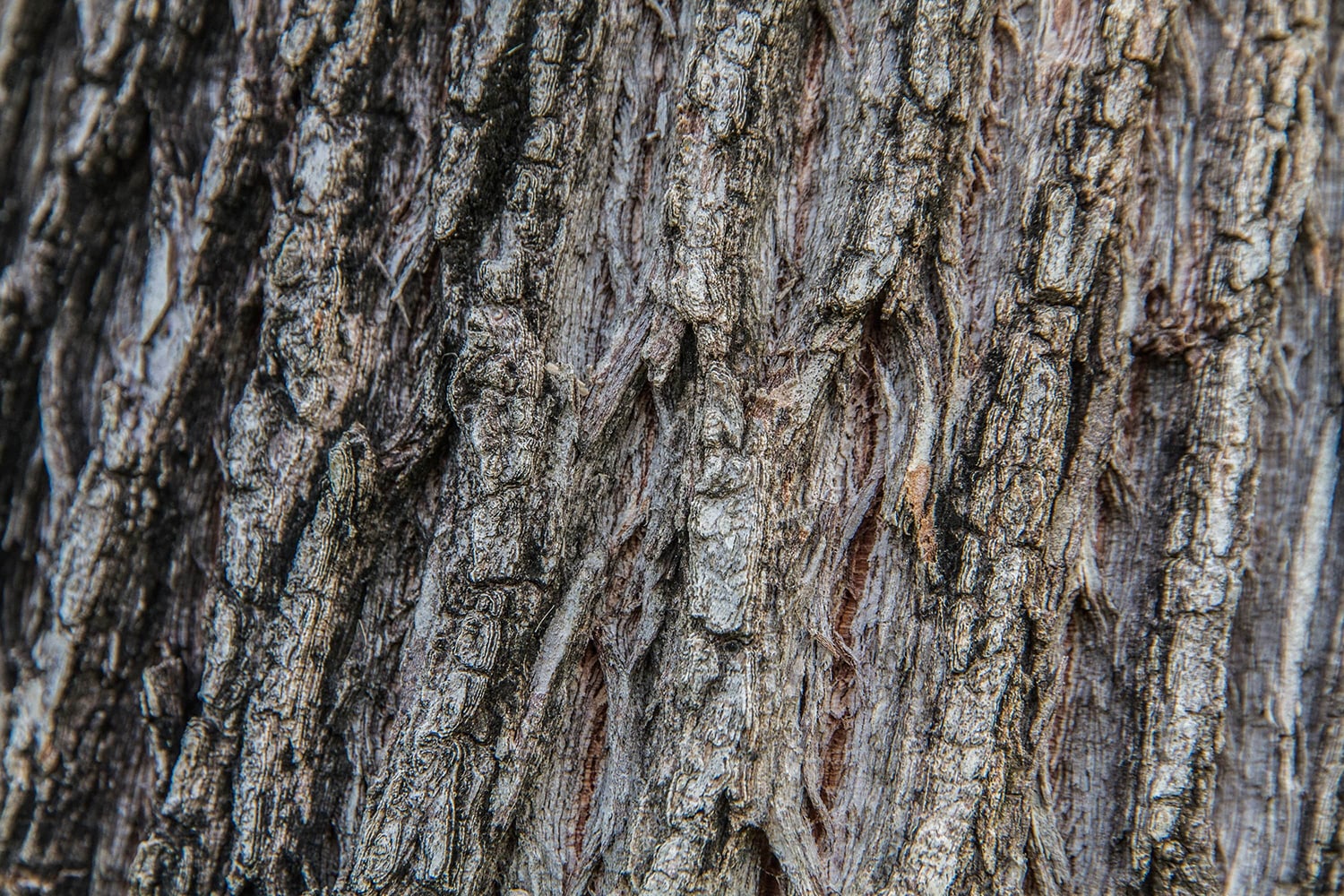
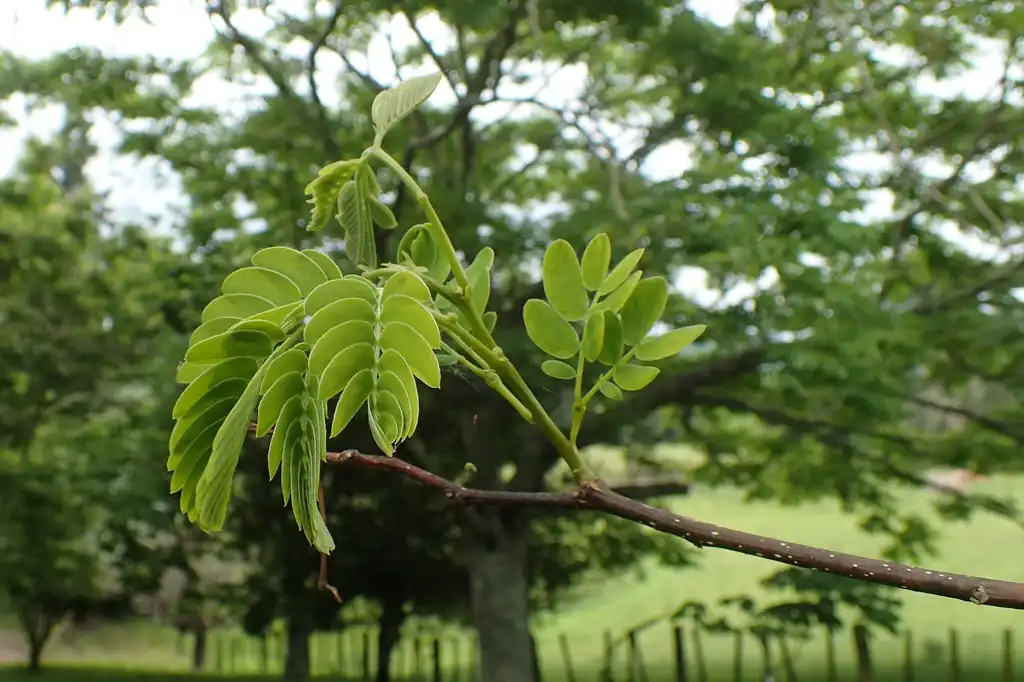
Kalkora Mimosa can grow into medium to large trees and is typically found in thickets or sparsely populated forests, thriving at elevations from sea level up to 6,500 feet. While it bears resemblance to the Silk Tree or Mimosa, the Kalkora Mimosa is generally larger and has a rougher bark texture. Its leaves are coarser, with fewer branchlet pairs, and are less visually appealing compared to those of the Silk Tree. The Silk Tree is known for its profusion of pink powder-puff flowers, whereas the blooms of the Kalkora Mimosa are fewer in number, starting as white and gradually turning yellow. These flowers require hot and humid summers to thrive.
Concerns have been raised regarding the Kalkora Mimosa's potential for self-sowing, similar to the Silk Tree, which is classified as an invasive species in North Carolina due to its aggressive growth and self-seeding tendencies. In the naturalized population of Kalkora Mimosa in Durham, hybrids with the Silk Tree have been identified. It is crucial to consider that there are numerous native, non-invasive tree species that could serve as excellent alternatives.
Albizia kalkora Feature Summary