Amelanchier: Country Or Region Of Origin
Europe, Africa, Northern America and Asia-Temperate
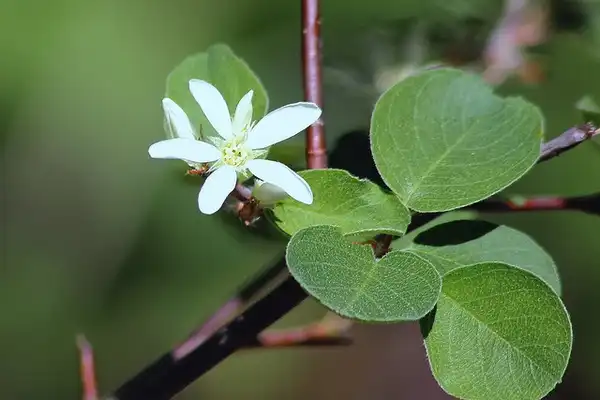
Phonetic Spelling:am-uh-LAN-kee-er
Genus:Amelanchier
Species:
Family:Roseaceae
Serviceberry thrives in acidic, consistently moist soils and prefers partial shade with some exposure to morning sunlight. It can also adapt to clay soil conditions.
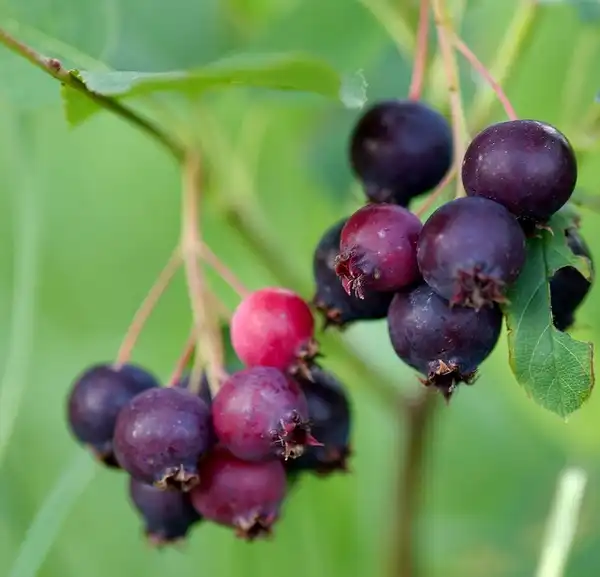
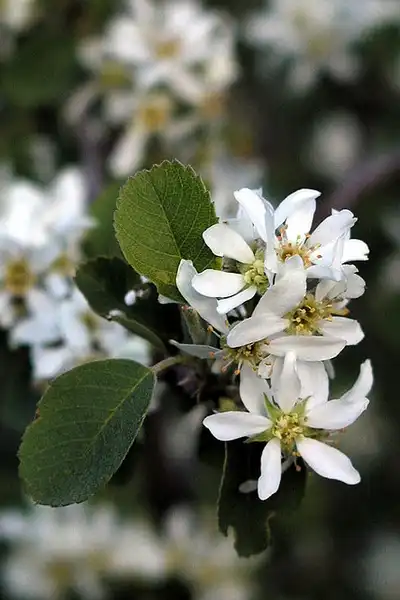
This plant is among the earliest to bloom in spring, preceding the dogwoods. The name "serviceberry" originates from its flowering coinciding with the thawing of the ground, a time when people could finally dig graves to bury their deceased after winter. Additionally, it is known as Shadbush or Shadblow, as its blossoms typically emerge around the same time that shad migrate upstream to spawn in early spring.
However, the fallen flowers and subsequent fruits can require considerable upkeep.
Serviceberry typically grows as a multi-stemmed shrub or a small tree with a rounded canopy. In its natural habitat, it can reach a larger size compared to cultivated settings. The plant produces root suckers, which, if left unchecked, will encourage it to develop more as a shrub than a tree. Over time, these suckers can lead to the formation of a small colony. To minimize sap loss, it is advisable to prune the plant in the fall.
You can often find serviceberry in open woodlands, on slopes, and along bluffs.
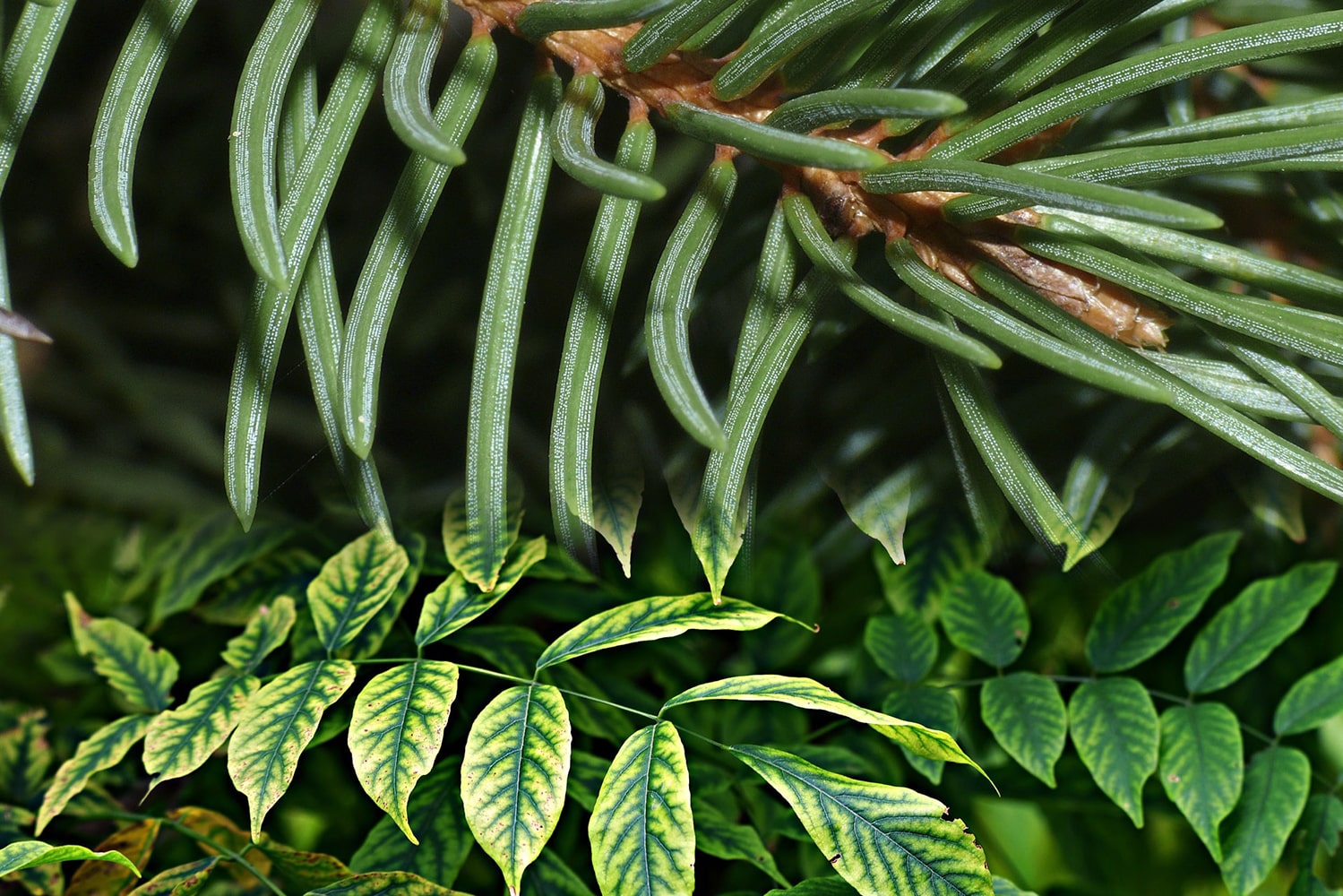
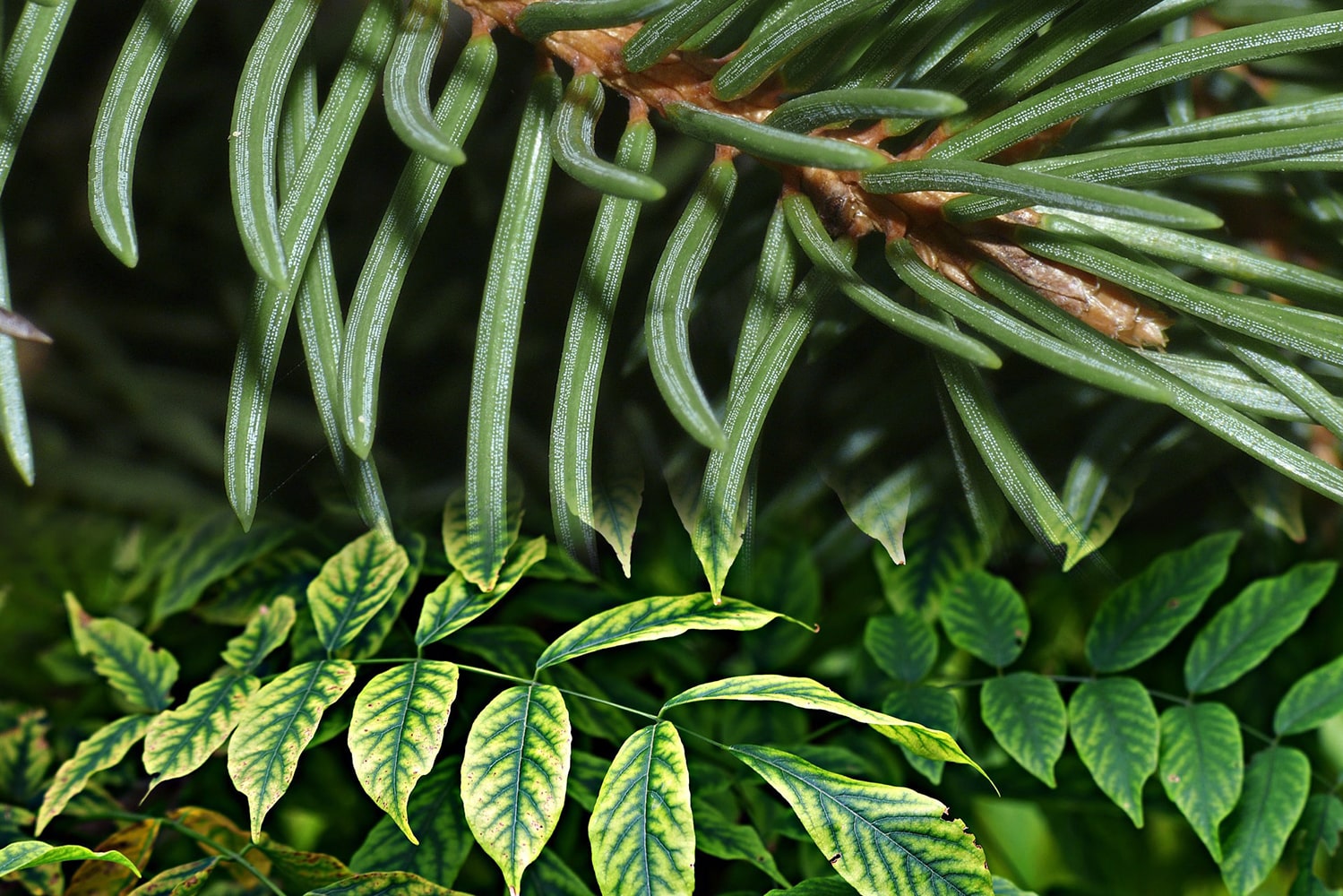
In terms of pests and diseases, serviceberry may be susceptible to fire blight and fungal leaf spots, which can compromise its health. Other concerns include rust and powdery mildew. The plant tends to become chlorotic in alkaline soils and is sensitive to wind. Additionally, rabbits frequently damage seedlings.