Amelanchier alnifolia: Country Or Region Of Origin
Western and Central North America
Phonetic Spelling:am-eh-LAN-kee-er al-nih-FOH-lee-ah
Genus:Amelanchier
Species:alnifolia
Family:Rosaceae
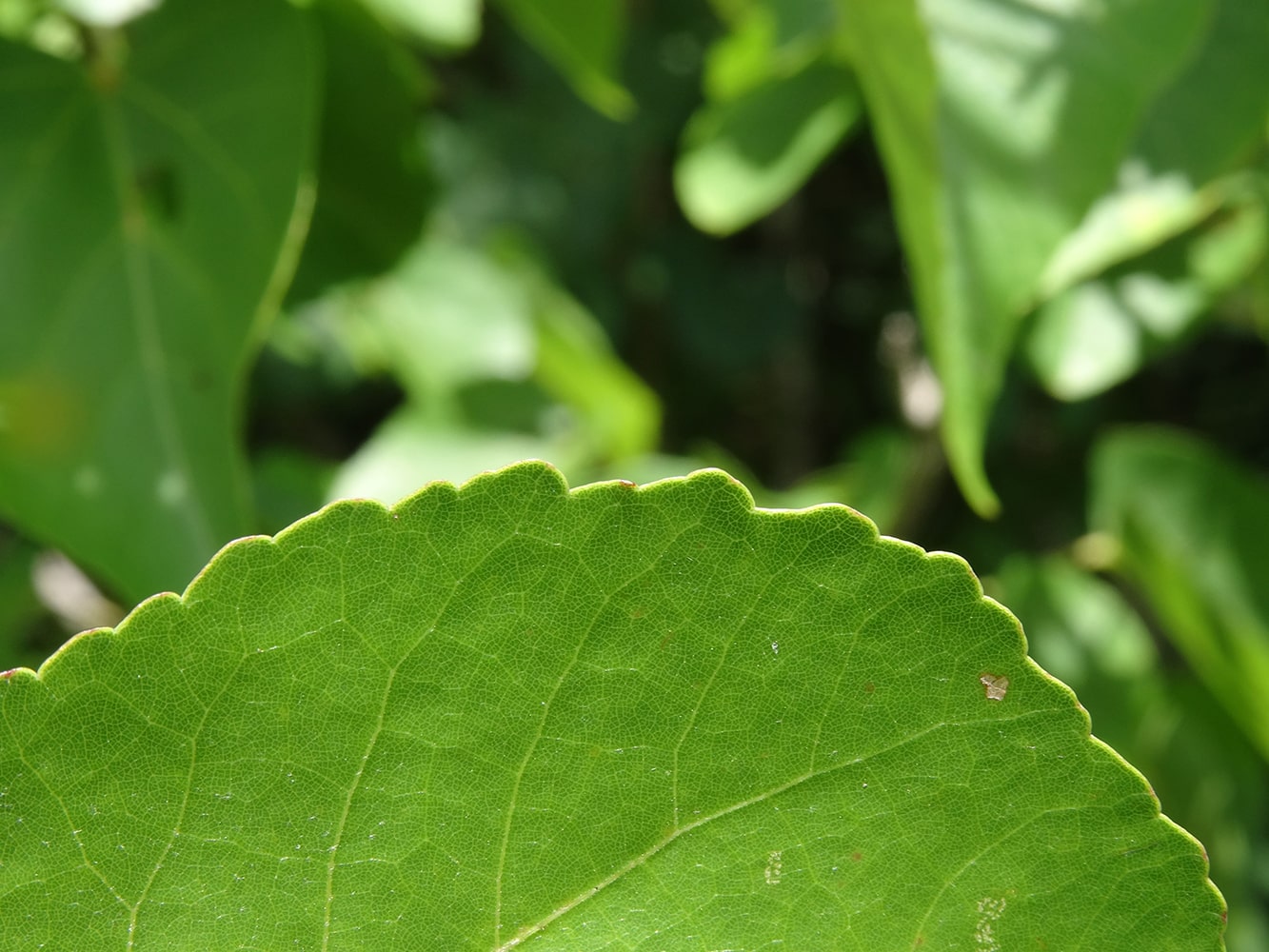
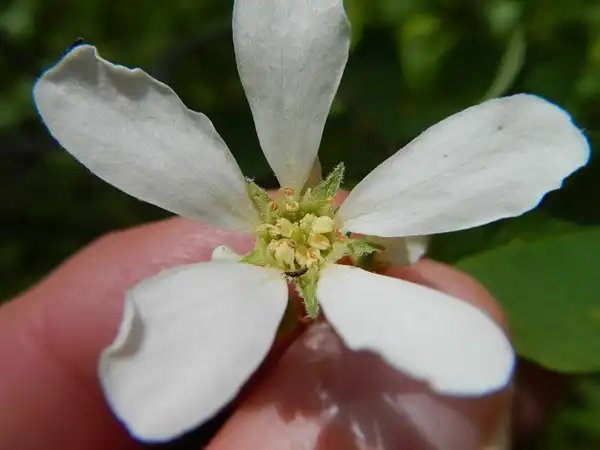
This species of serviceberry is a deciduous shrub that can reach heights of up to 30 feet, though it generally grows between 3 and 18 feet. In early spring, before the leaves unfurl, clusters of small, white flowers appear, filling the air with a pleasant fragrance that can linger for about a month.
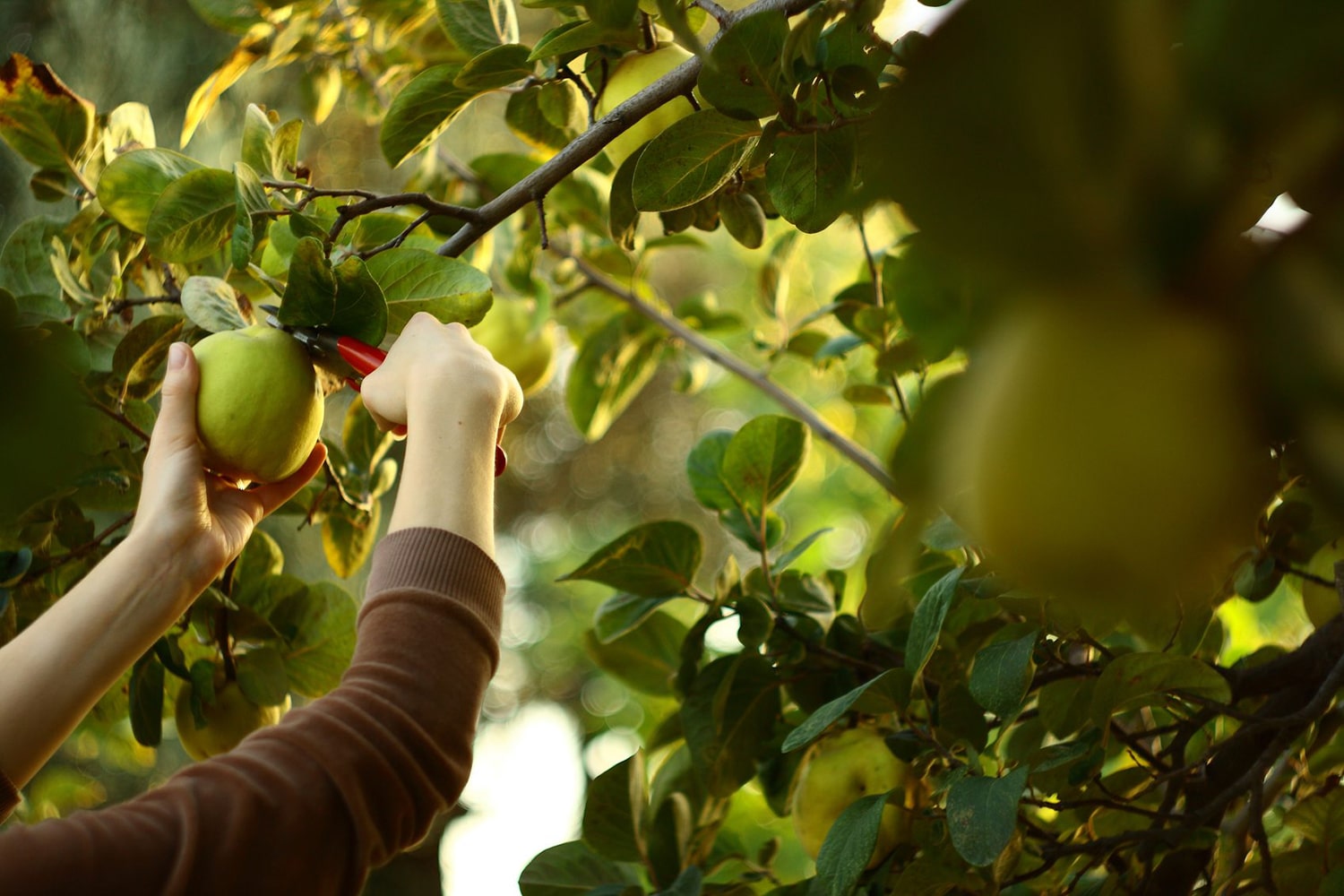
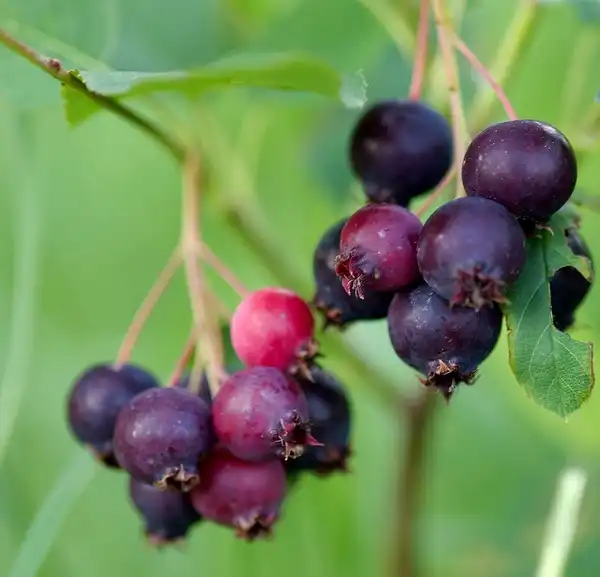
The shrub produces small, sweet berries that ripen in early summer, making them a tasty treat for both people and wildlife. It has been cultivated for commercial fruit production and can be enjoyed fresh, incorporated into pies and muffins, or dried like raisins. Additionally, the berries can be transformed into jellies, wines, and ciders. Various birds, such as ruffed grouse and several woodpecker species, along with mammals, relish the fruit and seek refuge in its dense foliage. However, it’s important to note that the twigs and leaves contain cyanide compounds, which can be toxic in large amounts to animals like cattle, goats, and sheep.
This plant can produce suckers that form colonies, which can also be propagated through layering or separation. The shoots of the serviceberry can be fashioned into arrows and pipe stems.
It thrives in a variety of natural habitats, including moist stream banks, dry hillsides, swamps, thickets, and open woodlands.
In terms of pests and diseases, the serviceberry is susceptible to cedar-apple rust, leaf spot, fire blight, brown rot, canker, powdery mildew, and black leaf. Insects that may pose a threat include aphids, thrips, mites, bud moths, and sawflies.
Amelanchier alnifolia Feature Summary
Amelanchier alnifolia Image Gallery