Anisodontea: Country Or Region Of Origin
Cape Province of South Africa
Phonetic Spelling:an-iss-oh-DON-tee-u
Genus:Anisodontea
Species:
Family:Malvaceae
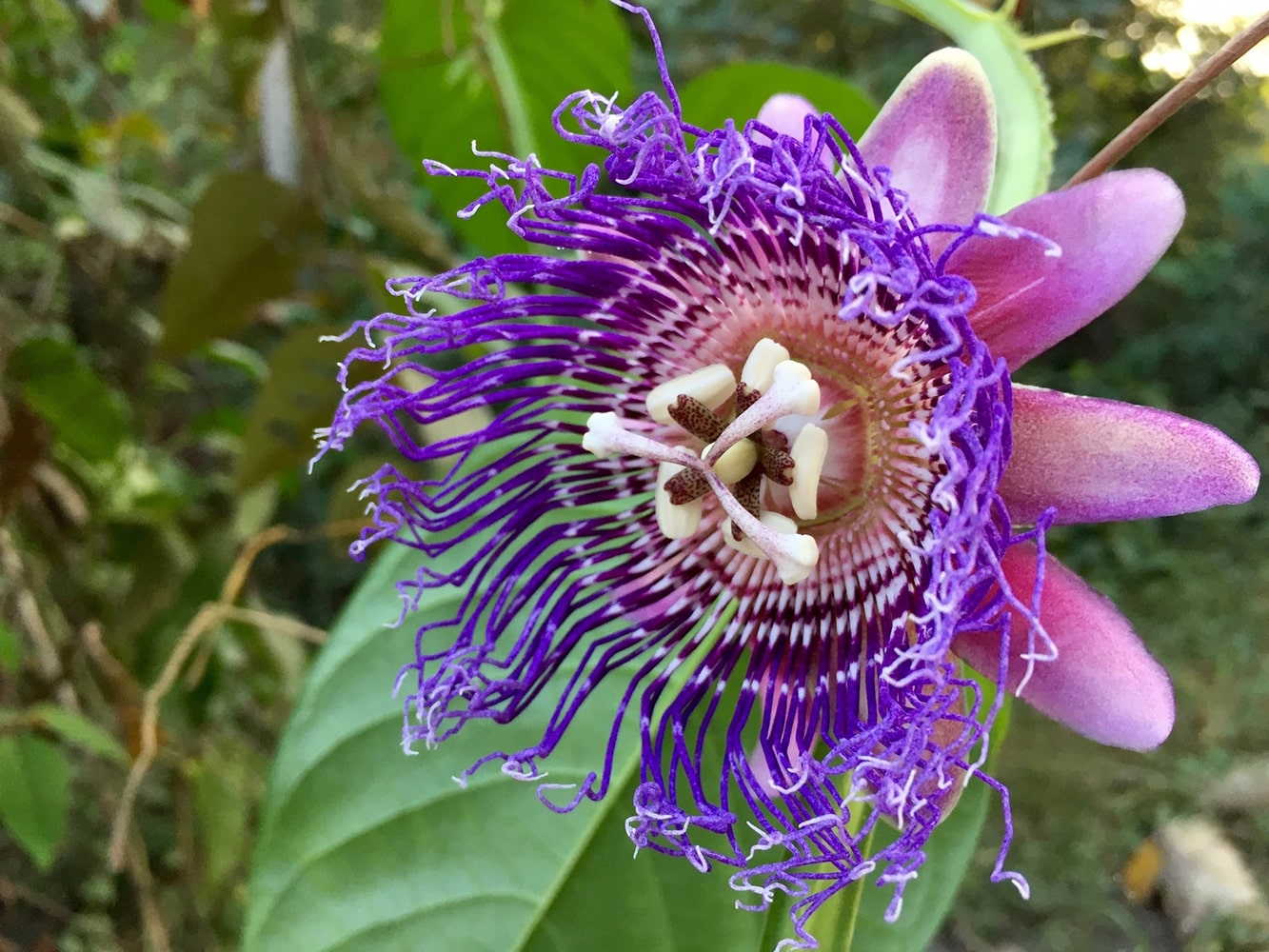
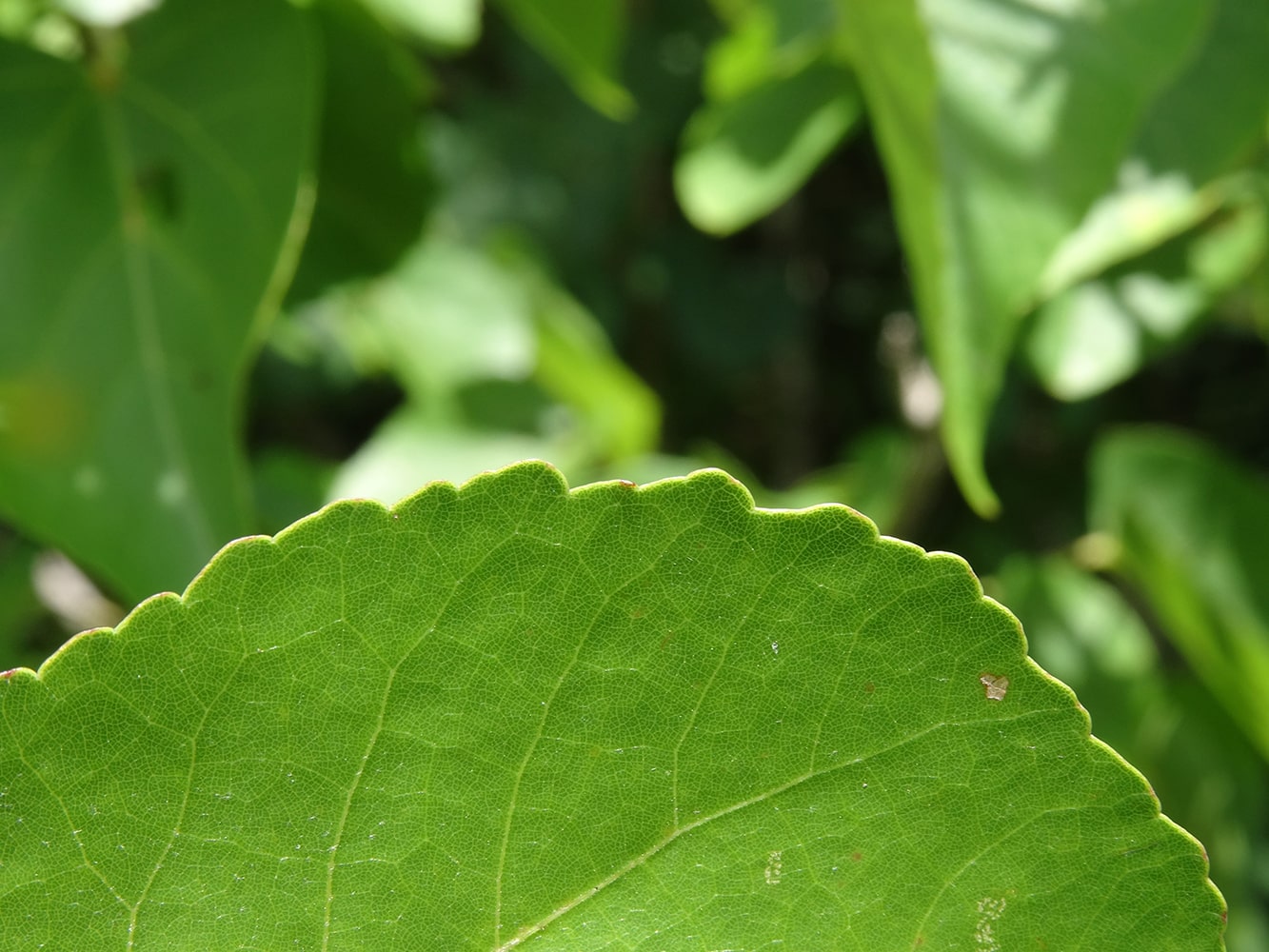
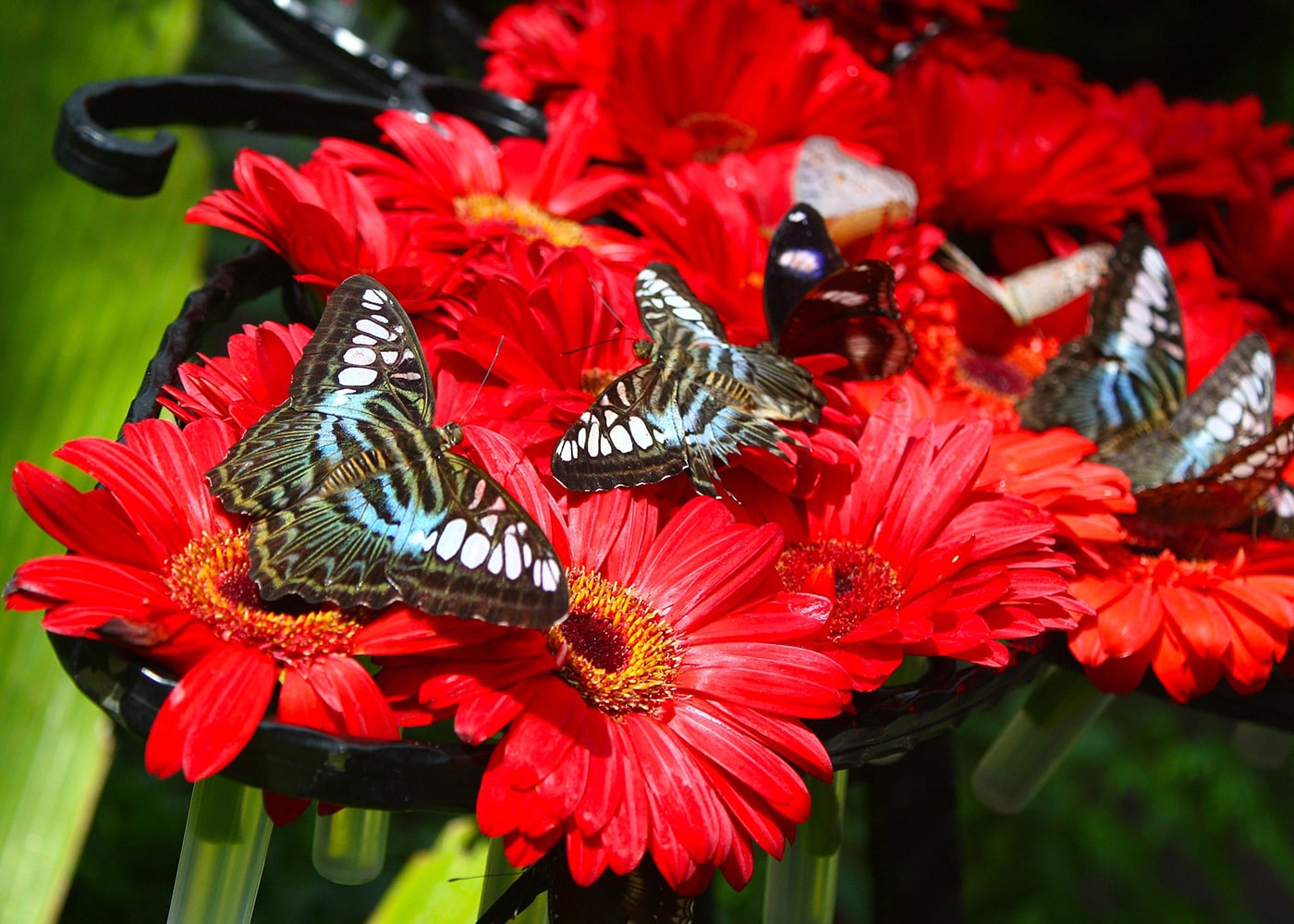
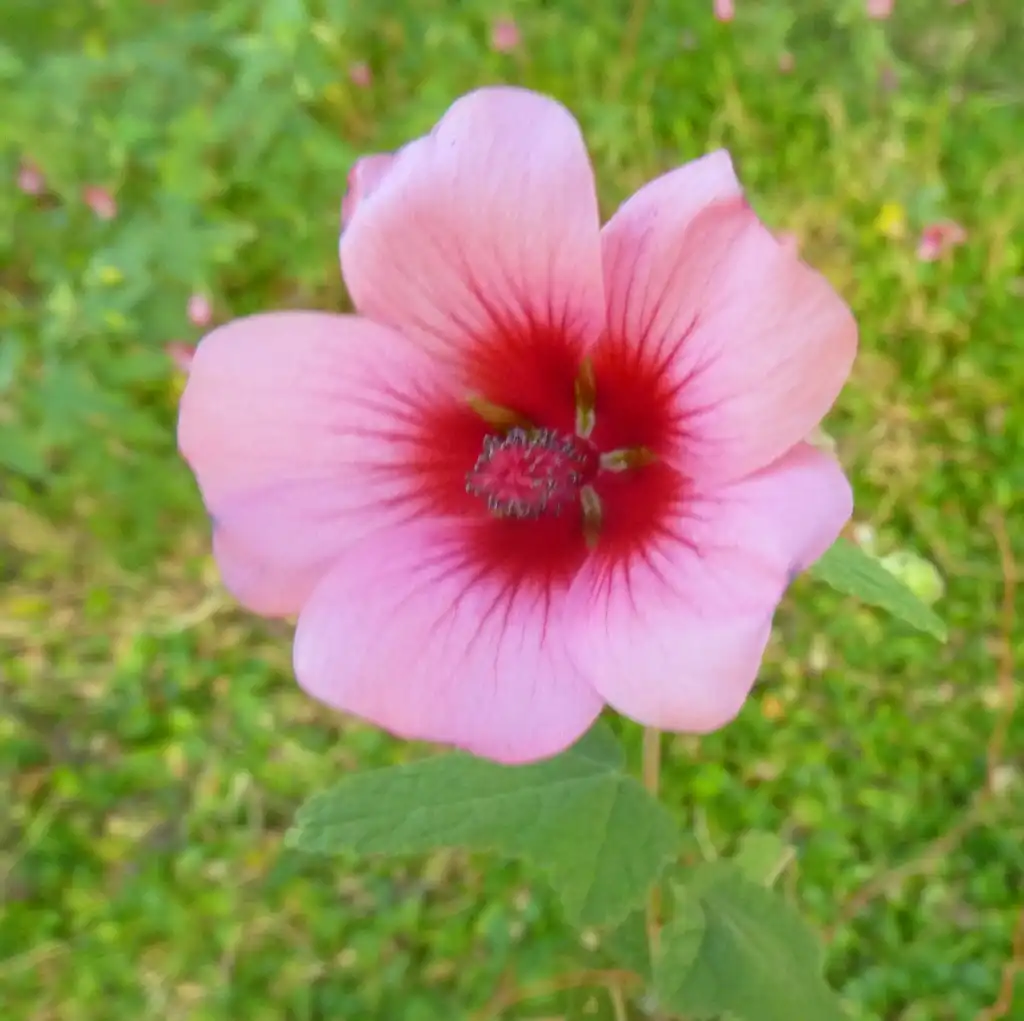
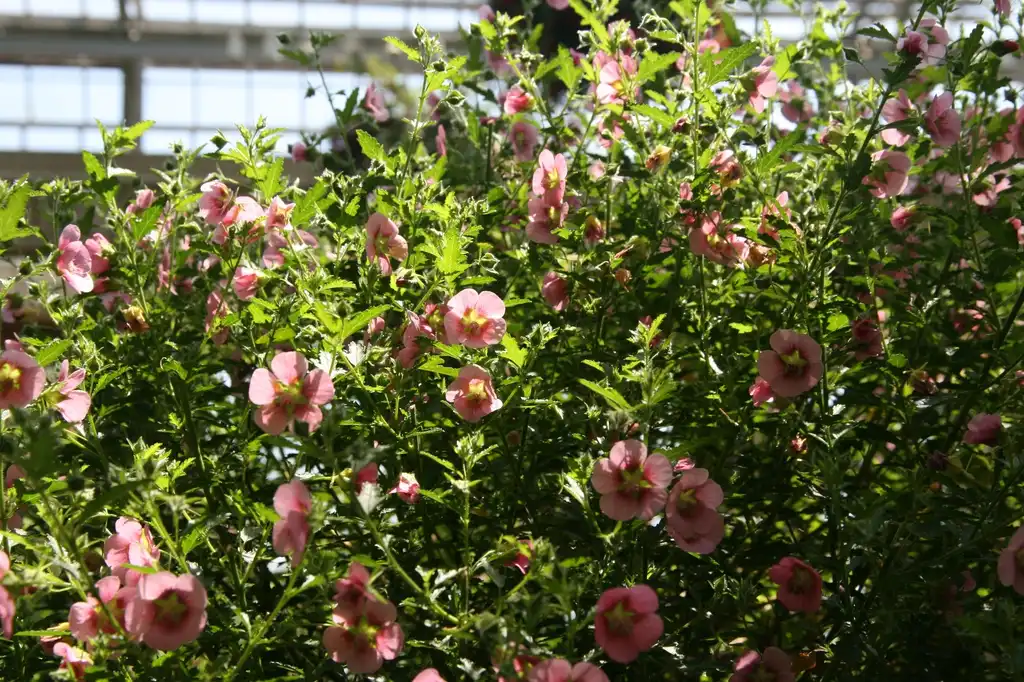
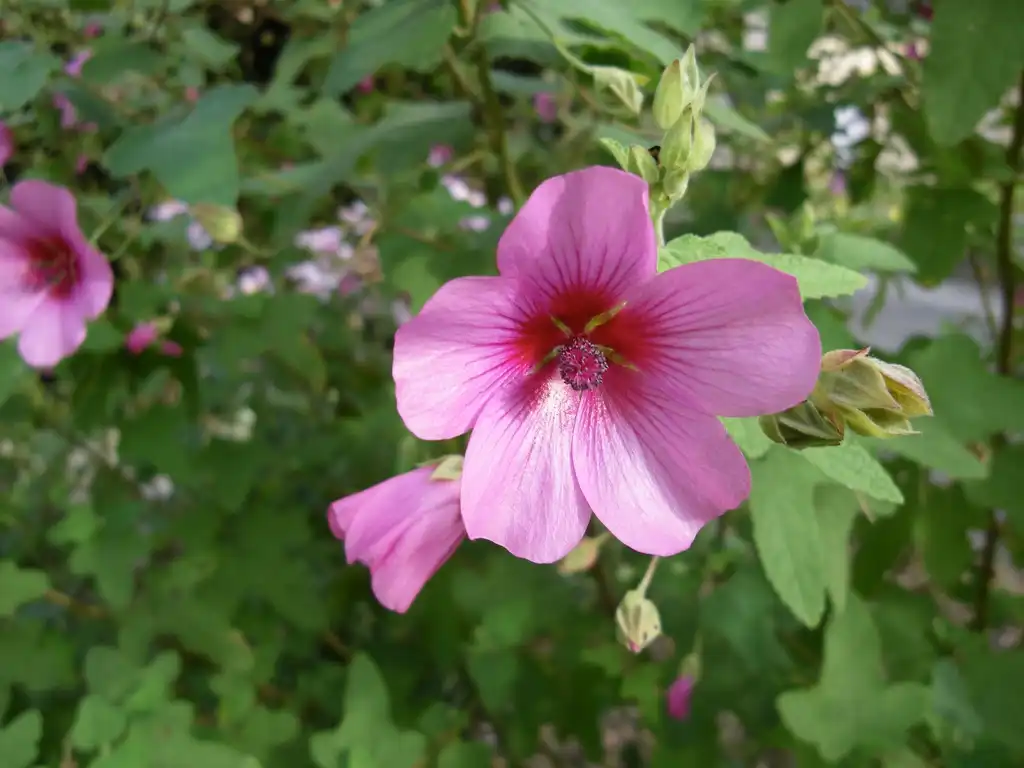
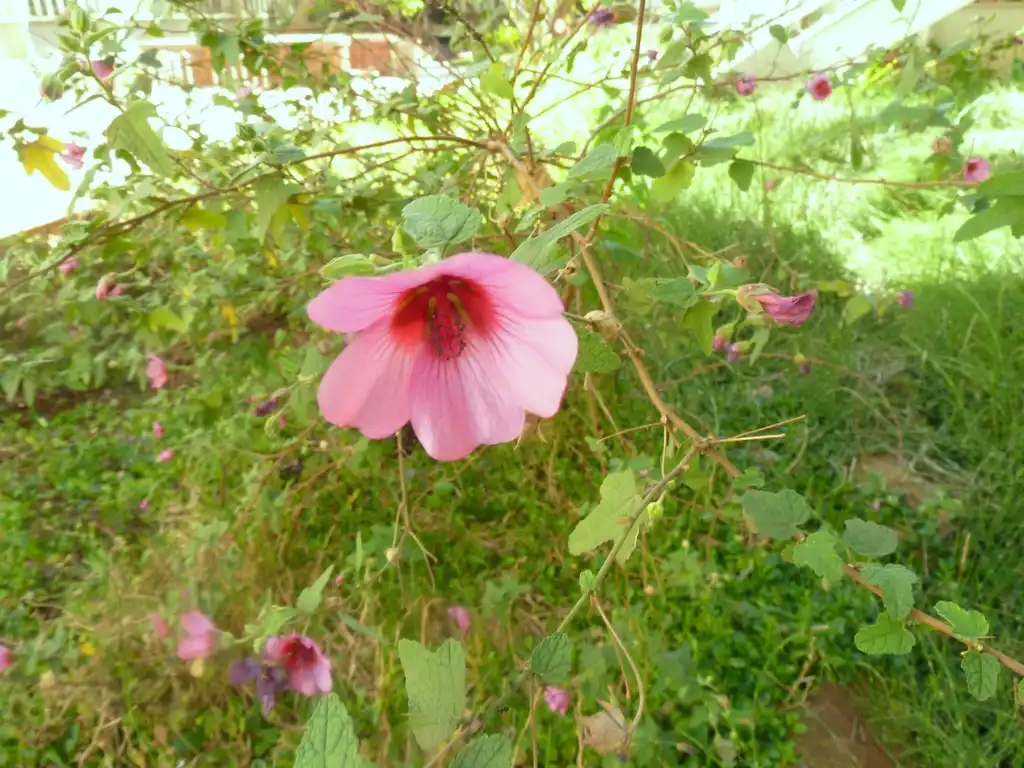
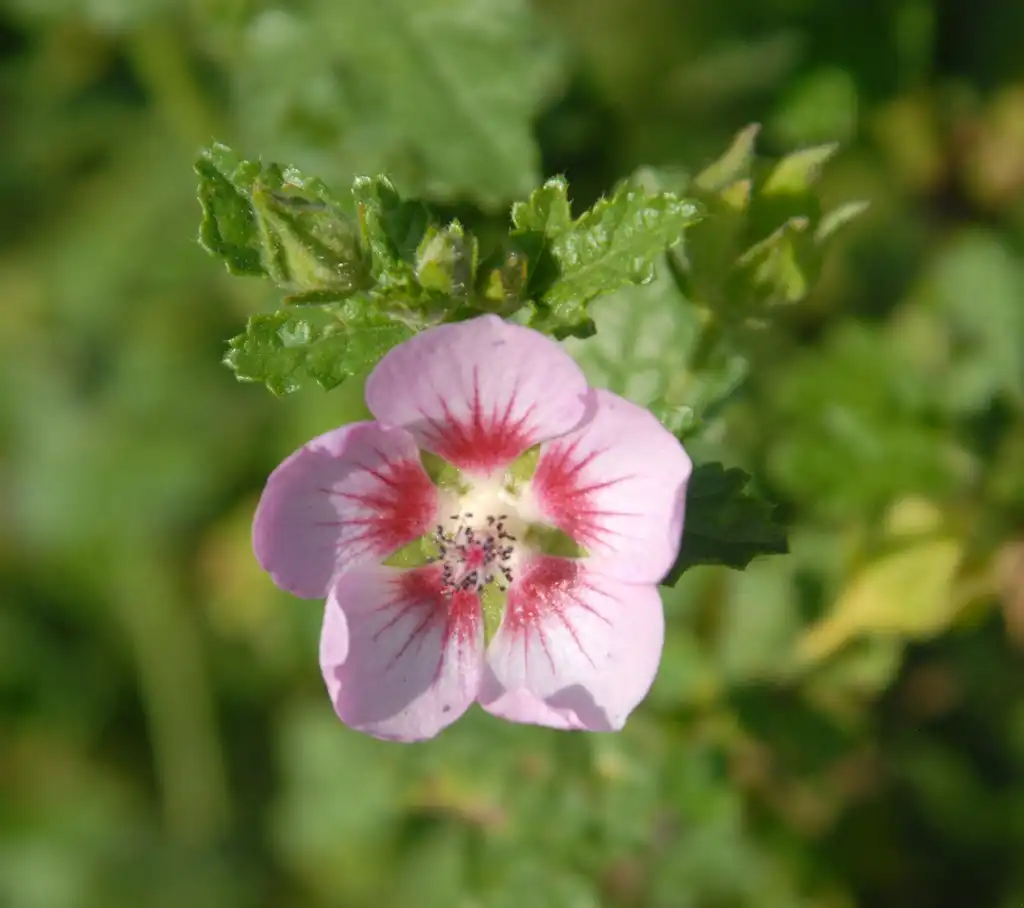
The Cape Mallow is a stunning, upright evergreen subshrub that thrives effortlessly, producing an abundance of blooms from spring through frost, or year-round in milder southern climates. Its genus name, Anisodontea, comes from Latin, where ‘aniso’ means uneven or unequal, and ‘odon’ translates to tooth, highlighting the plant's palmately lobed leaves with irregular teeth. The small, vibrant flowers, reminiscent of hibiscus, come in shades from pink to deep purple, attracting bees and butterflies.
This resilient plant is not particularly fussy about soil but requires good drainage. Once it is established, it has modest water needs, making it a vibrant choice for drought-resistant gardens. Cape Mallows thrive in morning sunlight and prefer partial shade in the afternoon. While they can tolerate shadier spots, their blooming may decrease, and the stems may become leggy. A light frost can cause the leaves to fall, but the plant typically revives in spring; however, it may struggle to survive harsh winters.
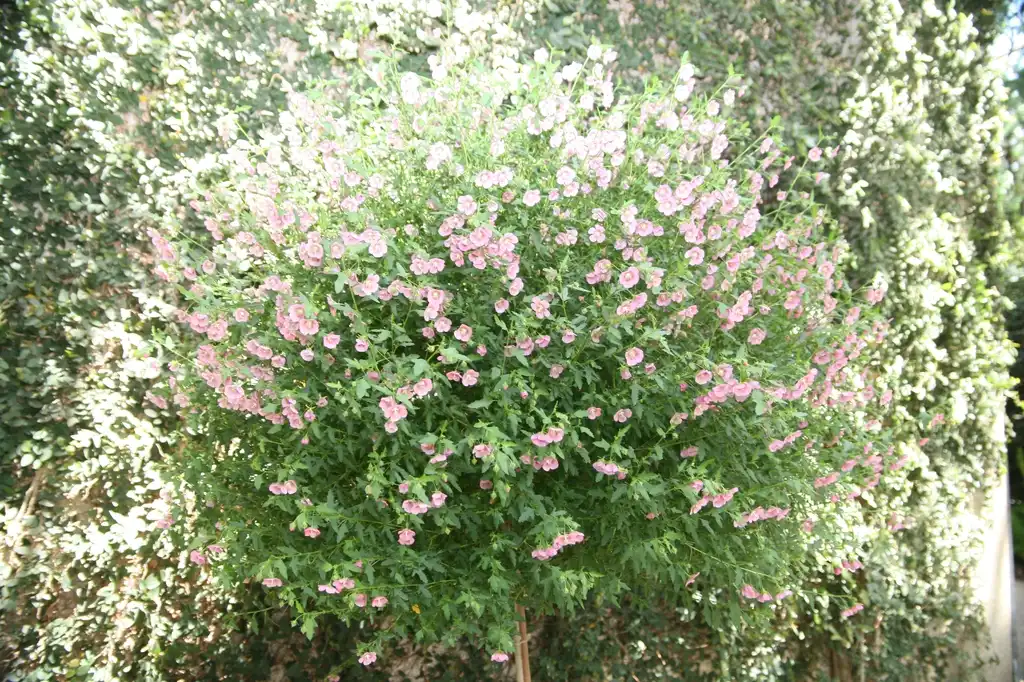
The flowers naturally drop off when spent, so deadheading is unnecessary. To promote blooming and maintain a fuller shape, prune at the start of spring. The lush foliage also lends itself well to being shaped into a tree-form topiary. Dwarf varieties are particularly suitable for container gardening.
In terms of pests and diseases, the Cape Mallow is generally robust and resistant to most issues, though it can be affected by Puccinia malvacearum (mallow rust). Keep an eye out for aphids, spider mites, and whiteflies.