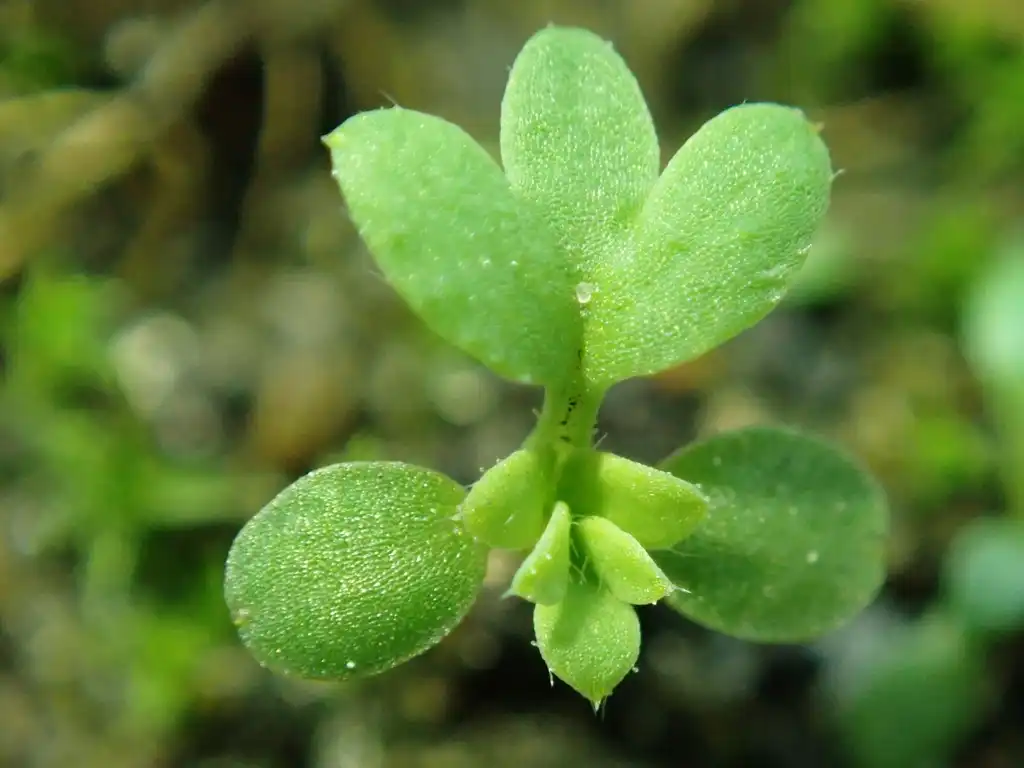
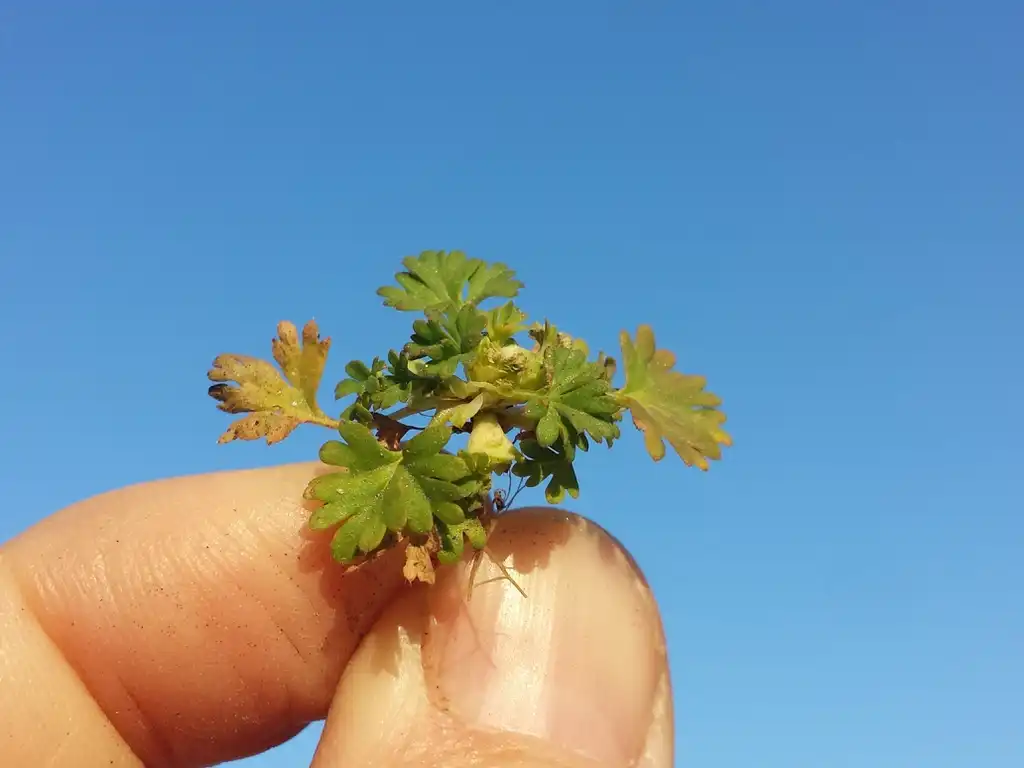
• Photo of Aphanes arvensis (Aphanes arvensiss)

Plant Profile: Aphanes arvensis

Taxonomy: Aphanes arvensis

Names

Parsley Piert, Parsley-piert

  • Photo of Aphanes arvensis (Aphanes arvensiss)

Phonetic Spelling:a-FAYN-es ar-VEN-sis

Genus:Aphanes

Species:inexspectata

Family:Rosaceae

Parsley-piert is a low-growing weed belonging to the rose family, originally found in Europe, particularly in disturbed environments such as fields, lawns, and wastelands. This small, multi-branched plant can either stand upright or sprawl, reaching a height of just up to 8 inches. It thrives and flowers in the spring and summer months, withering away in winter. Its propagation occurs through seeds.

This plant is adaptable to various soil types, favoring well-drained conditions and can thrive in full sun to partial shade. It is capable of tolerating both alkaline and acidic soils.

Aphanes arvensis Feature Summary

Aphanes arvensis Image Gallery

Tags

#full sun tolerant
#summer annual
#low growing
#weed
#weedy
#herb garden
#spreading
#annual weed
#partial shade tolerant

Similar Plants

Aphanes arvensis Feature Summary

Attributes
Previously and currently used in herbal medicine for kidney stones
Macronesia, Europe, Asia
Leaves can be eaten in salads. Collect spring leaves for eating and drying.
Fruit
The fruit is an oval pointed glabrous achene
Flowers
Stipules form a leaf-like cup, enclosing the flower. The tiny green flower has four sepals and no petals in dense clusters in the leaf axils. Flowers April to Sept.
Insignificant
Cyme
Spring
Summer
Fall
Colored Sepals
< 1 inch
Leaves
The short-stalked gray-green leaves have three segments each deeply lobed at the tip. Wedge-shaped base, bi-ternately lobed.
Green
Gray/Silver
Stem
Many branched green stem
Whole Plant Traits
Annual
Weed
Herb
Spreading
Horizontal
Cultural Conditions
Full sun (6 or more hours of direct sunlight a day)
Partial Shade (Direct sunlight only part of the day, 2-6 hours)
Acid (<6.0)
Alkaline (>8.0)
Neutral (6.0-8.0)
Good Drainage
Moist
Occasionally Dry
Clay
Loam (Silt)
Sand
Shallow Rocky

Aphanes arvensis Attributes

Aphanes arvensis: Uses (Ethnobotany)

Previously and currently used in herbal medicine for kidney stones
Aphanes arvensis: Country Or Region Of Origin

Macronesia, Europe, Asia

Aphanes arvensis: Edibility

Leaves can be eaten in salads. Collect spring leaves for eating and drying.

Aphanes arvensis: Life Cycle

Annual
Biennial
Bulb
Perennial
Woody

Aphanes arvensis: Recommended Propagation Strategy

Division
Grafting
Layering
Leaf Cutting
Root Cutting
Seed
Stem Cutting

Aphanes arvensis Fruit

Aphanes arvensis: Fruit Description

The fruit is an oval pointed glabrous achene

Aphanes arvensis: Fruit Type

Achene
Aggregate
Berry
Capsule
Caryopsis
Drupe
Follicle
Legume
Nut
Pome
Samara
Schizocarp
Siliqua

Aphanes arvensis: Display/Harvest Time

Fall
Spring
Summer
Winter

Aphanes arvensis Flowers

Aphanes arvensis: Flower Description

Stipules form a leaf-like cup, enclosing the flower. The tiny green flower has four sepals and no petals in dense clusters in the leaf axils. Flowers April to Sept.

Aphanes arvensis: Flower Color

filter_vintage
Green

Aphanes arvensis: Flower Inflorescence

Catkin
Corymb
Cyme
Head
Insignificant
Panicle
Raceme
Solitary
Spadix
Spike
Umbel

Aphanes arvensis: Flower Bloom Time

Winter
Spring
Summer
Fall

Aphanes arvensis: Flower Petals

2-3 rays/petals
4-5 petals/rays
6 petals/rays
7 - 20 petals/rays
asymmetrical petals
Bracts
Colored Sepals
fused petals
more than 20 petals/rays
Tepals

Aphanes arvensis: Flower Size

1-3 inches
3-6 inches
< 1 inch
> 6 inches

Aphanes arvensis Leaves

Aphanes arvensis: Leaf Description

The short-stalked gray-green leaves have three segments each deeply lobed at the tip. Wedge-shaped base, bi-ternately lobed.

Aphanes arvensis: Leaf Color

spa
Gray/Silver
spa
Green

Aphanes arvensis: Leaf Type

Compound (Pinnately , Bipinnately, Palmately)
Fronds
Needles
Sheath
Simple

Aphanes arvensis: Leaf Margin

Crenate
Crenulate
Dentate
Denticulate
Doubly Crenate
Doubly Dentate
Doubly Serrate
Entire
Lobed
Serrate
Sinuate
Undulate

Aphanes arvensis: Hairs Present

No
Yes

Aphanes arvensis Stem

Aphanes arvensis: Stem Description

Many branched green stem

Aphanes arvensis: Stem Color

grass
Green

Aphanes arvensis: Stem Is Aromatic

No
Yes

Aphanes arvensis Whole Plant Traits

Aphanes arvensis: Plant Type

Annual
Bulb
Carnivorous
Edible
Epiphyte
Fern
Ground Cover
Herb
Herbaceous Perennial
Houseplant
Mushroom
Native Plant
Ornamental Grasses and Sedges
Perennial
Poisonous
Rose
Shrub
Succulent
Tree
Turfgrass
Vegetable
Vine
Water Plant
Weed
Wildflower

Aphanes arvensis: Habit/Form

Arching
Ascending
Broad
Cascading
Climbing
Clumping
Columnar
Conical
Creeping
Dense
Erect
Horizontal
Irregular
Mounding
Multi-stemmed
Multi-trunked
Open
Oval
Prostrate
Pyramidal
Rounded
Spreading
Vase
Weeping

Aphanes arvensis: Growth Rate

Slow
Medium
Rapid

Aphanes arvensis: Maintenance

Low
Medium
High

Aphanes arvensis Cultural Conditions

Aphanes arvensis: Light

Dappled Sunlight (Shade through upper canopy all day)
Deep shade (Less than 2 hours to no direct sunlight)
Full sun (6 or more hours of direct sunlight a day)
Partial Shade (Direct sunlight only part of the day, 2-6 hours)

Aphanes arvensis: Soil pH

Acid (<6.0)
Alkaline (>8.0)
Neutral (6.0-8.0)

Aphanes arvensis: Soil Drainage

Frequent Standing Water
Good Drainage
Moist
Occasional Flooding
Occasionally Dry
Occasionally Wet
Very Dry

Aphanes arvensis: Soil Texture

Clay
High Organic Matter
Loam (Silt)
Sand
Shallow Rocky

Aphanes arvensis Landscape

Aphanes arvensis: Resistance To Challenges

Black Walnut
Compaction
Deer
Diseases
Drought
Dry Soil
Erosion
Fire
Foot Traffic
Heat
Heavy Shade
Humidity
Insect Pests
Pollution
Poor Soil
Rabbits
Salt
Slugs
Squirrels
Storm damage
Urban Conditions
Voles
Wet Soil
Wind

Aphanes arvensis: Problems

Allelopathic
Contact Dermatitis
Frequent Disease Problems
Frequent Insect Problems
Invasive Species
Malodorous
Messy
Poisonous to Humans
Problem for Cats
Problem for Children
Problem for Dogs
Problem for Horses
Short-lived
Spines/Thorns
Weak Wood
Weedy