Aristolochia gigantea: Uses (Ethnobotany)
In the past, a European species was used medicinally for pain or infections related to childbirth.
Phonetic Spelling:a-ris-toh-LOH-kee-uh jy-GAN-tee-uh
Genus:Aristolochia
Species:gigantea
Family:Aristolochiaceae
The Brazilian Dutchman's Pipe is a tropical, evergreen, woody vine belonging to the Birthwort family. It thrives in the humid forests of Costa Rica, El Salvador, Panama, and certain regions of Brazil. This plant is also known by several other names, including Giant Dutchman's Pipe, Giant Pipevine, and Giant Pelican Flower.
The genus name, Aristolochia, is derived from two Greek words: "aristos," meaning "best," and "locheia," which translates to "childbirth." This nomenclature alludes to the flower's shape, which resembles a human fetus. The species name, gigantea, comes from Latin and signifies "like that of the Giants," highlighting the impressive size of the vine's flowers. The common name, Dutchman's Pipe, is inspired by the flower's resemblance to the Meerschaum smoking pipes that were popular in Europe.
This plant is hardy in USDA Zones 10-12 and cannot withstand temperatures below 30 degrees Fahrenheit. It thrives in full sunlight but can benefit from partial shade in extremely hot conditions. The soil should be kept moist and well-drained, and pruning is best done in late winter or early spring.
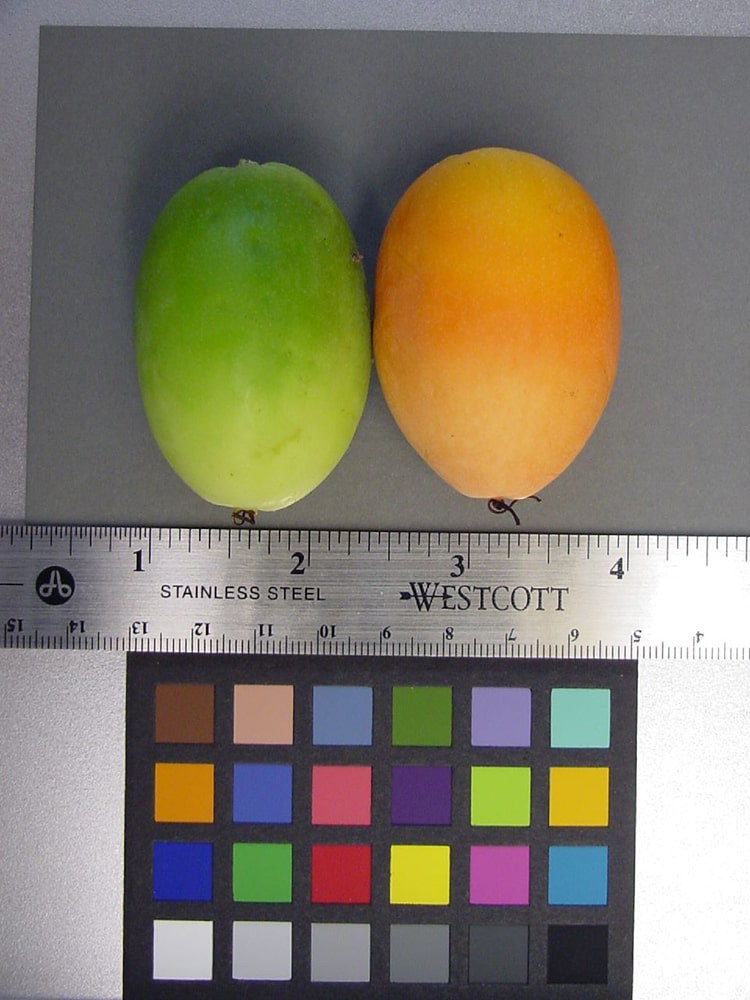
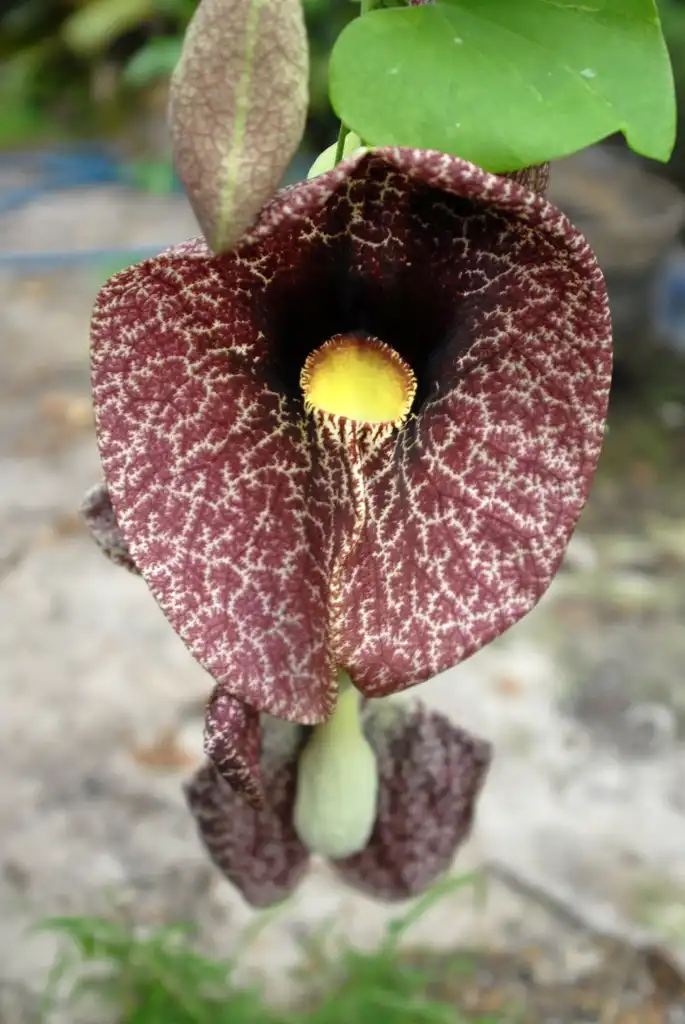
The flowers are strikingly large, velvety, and burgundy with ivory-white veining, reaching lengths of up to 2 feet and widths of 1 foot. The leaves are light green and heart-shaped, while the fruits are papery capsules that contain over 20 seeds, which are dispersed by the wind. Propagation can occur through seeds or root cuttings.
For optimal growth, the Giant Dutchman's Pipe should be planted in warm, humid environments and requires support from a trellis or similar structure.
Flies are the primary pollinators of these flowers, drawn in by their strong fragrance. However, the leaves of this tropical vine are toxic, posing a risk to the Pipevine Swallowtail Butterfly, as the larvae consume the large leaves and typically perish within three days.
It is important to note that plants in this genus contain a renal toxin called aristolochic acid, and consuming any part of the plant can lead to irreversible kidney failure.
In terms of pests and diseases, the Giant Dutchman's Pipe generally does not face significant issues.
Aristolochia gigantea Feature Summary
Aristolochia gigantea Image Gallery