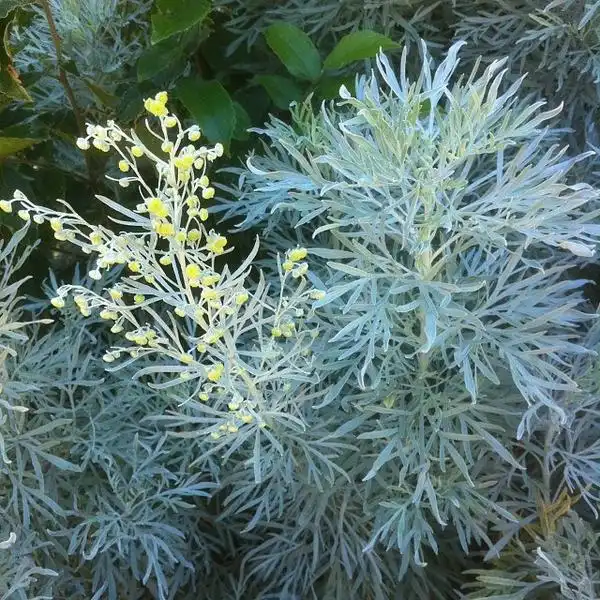
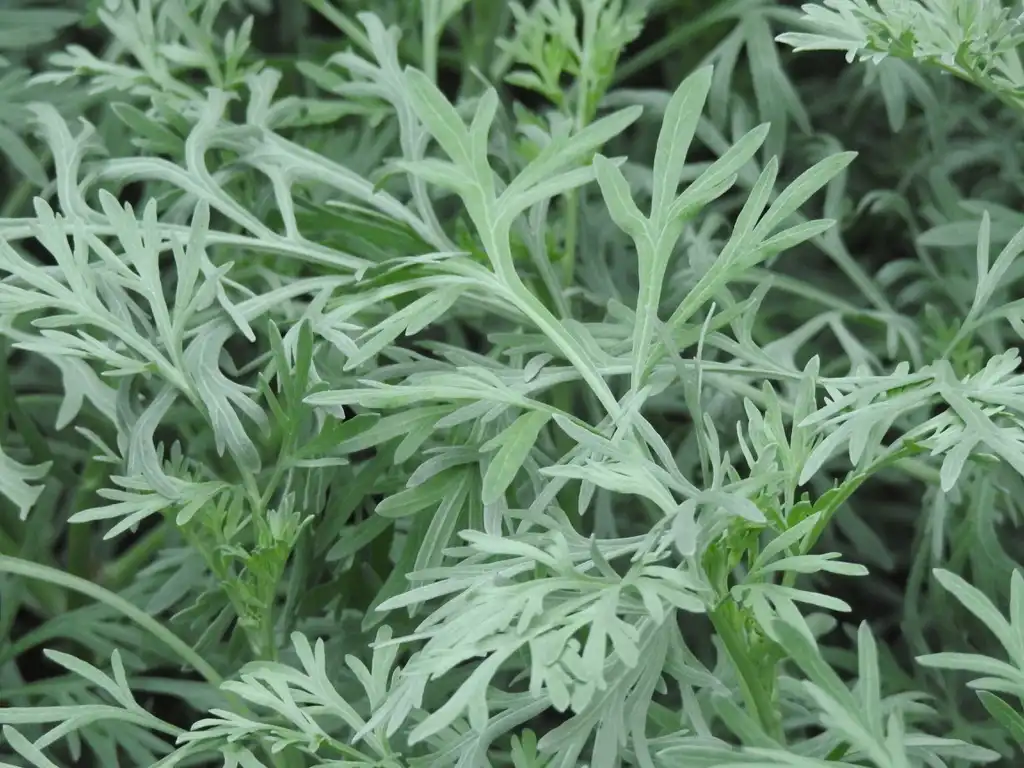
• Photo of Artemisia absinthium (Artemisia absinthiums)

Plant Profile: Artemisia absinthium

Taxonomy: Artemisia absinthium

Names

Artemisia, Wormwood

  • Photo of Artemisia absinthium (Artemisia absinthiums)

Phonetic Spelling:ar-tem-EE-zee-ah ab-SIN-thee-um

Genus:Artemisia

Species:absinthium

Family:Asteraceae

INVASIVE PLANT ALERT in the Midwest US!

Advice: The plant's soft, gray leaves serve as an excellent backdrop for enhancing the vibrancy of more colorful blooms.

Habitat: Commonly found in disturbed sites and naturalized in abandoned areas throughout the northern US; also cultivated as ornamental landscaping.

Spacing: Requires a distance of 5 feet between plants.

Propagation: Seeds have a slow germination rate.

For additional details on Artemisia, click here.

Artemisia absinthium Feature Summary

Artemisia absinthium Image Gallery

Tags

#yellow
#poisonous
#full sun tolerant
#perennial
#gray
#gray leaves
#silver leaves
#yellow flowers
#silver
#summer flowers
#deer browsing plant
#ornamentals
#late summer flowers
#dry soils tolerant

Similar Plants

Artemisia absinthium is often confused with:

Artemisia absinthium Feature Summary

Attributes
It was used medicinally to flavor the drink absinthe, which is illegal in many countries because of its strong hallucinogenic properties. However, it has a bitter flavor.
Europe to Siberia and W. Himalaya
Seed
Stem Cutting
Division
Flowers
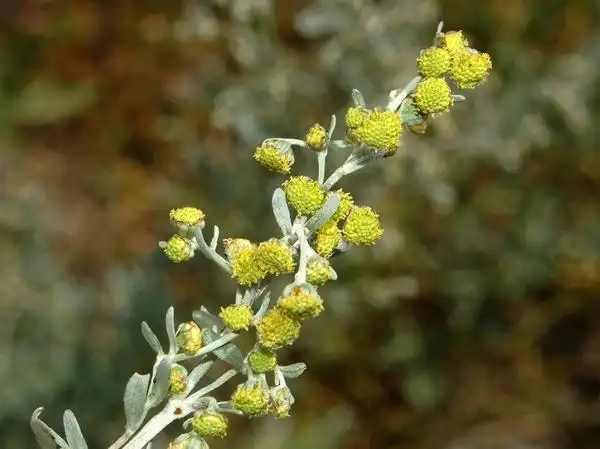
Flowers are small, drooping, and greenish-yellow. This plant's season is late summer.
Gold/Yellow
Green
Leaves
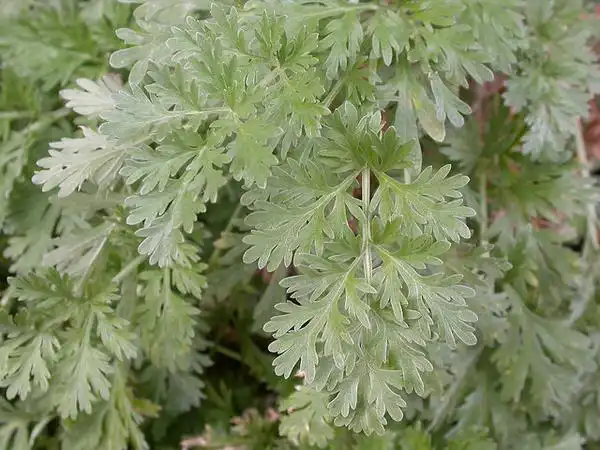
Leaves are silvery-green, alternate, and finely divided into blunt, narrow segments with silvery hairs on both sides. Its soft, gray foliage makes it a good plant for toning down brighter colored flowers. The leaves of most species are strongly scented; however, the scent can be unpleasant when crushed.
Green
Gray/Silver
Poisonous to Humans
TOXIC ONLY IF LARGE QUANTITIES EATEN. (Poisonous through ingestion. Poisonous parts: all parts). Symptoms: In the form of absinthe, an outlawed beverage, it can cause forgetfulness, delirium, convulsions, and brain damage. [Toxic if consumed in large quantity; It was used medicinally to flavor the drink absinthe, which is illegal in many countries because of its strong hallucinogenic properties.]
A monoterpene thujone
Seeds
Leaves
Stems
Flowers
Bark
Fruits
Roots
Whole Plant Traits
Perennial
Herbaceous Perennial
Poisonous
Herb
Cultural Conditions
Full sun (6 or more hours of direct sunlight a day)
Coastal
Mountains
Piedmont
4a
4b
5b
5a
6a
6b
7a
7b
8b
8a
3a
3b
9a
9b
Landscape
Naturalized Area
Poisonous to Humans
Weedy
Problem for Children

Artemisia absinthium Attributes

Artemisia absinthium: Uses (Ethnobotany)

It was used medicinally to flavor the drink absinthe, which is illegal in many countries because of its strong hallucinogenic properties. However, it has a bitter flavor.

Artemisia absinthium: Country Or Region Of Origin

Europe to Siberia and W. Himalaya

Artemisia absinthium: Particularly Resistant To (Insects/Diseases/Other Problems)

dry soil, deer damage

Artemisia absinthium: Recommended Propagation Strategy

Division
Grafting
Layering
Leaf Cutting
Root Cutting
Seed
Stem Cutting

Artemisia absinthium Flowers

Artemisia absinthium: Flower Description

Flowers are small, drooping, and greenish-yellow. This plant's season is late summer.

Artemisia absinthium: Flower Color

filter_vintage
Gold/Yellow
filter_vintage
Green

Artemisia absinthium: Flower Bloom Time

Winter
Spring
Summer
Fall

Artemisia absinthium Leaves

Artemisia absinthium: Leaf Description

Leaves are silvery-green, alternate, and finely divided into blunt, narrow segments with silvery hairs on both sides. Its soft, gray foliage makes it a good plant for toning down brighter colored flowers. The leaves of most species are strongly scented; however, the scent can be unpleasant when crushed.

Artemisia absinthium: Leaf Color

spa
Gray/Silver
spa
Green

Artemisia absinthium: Leaf Arrangement

Alternate
Opposite
Other/more complex
Rosulate
Whorled

Artemisia absinthium: Hairs Present

No
Yes

Artemisia absinthium: Leaf Feel

Fleshy
Glossy
Leathery
Papery
Prickly
Rough
Rubbery
Slippery
Smooth
Soft
Velvety
Waxy

Artemisia absinthium: Leaf Value To Gardener

Edible
Fragrant
Good Cut
Good Dried
Long-lasting
Showy

Artemisia absinthium Poisonous to Humans

Artemisia absinthium: Poison Symptoms

TOXIC ONLY IF LARGE QUANTITIES EATEN. (Poisonous through ingestion. Poisonous parts: all parts). Symptoms: In the form of absinthe, an outlawed beverage, it can cause forgetfulness, delirium, convulsions, and brain damage. [Toxic if consumed in large quantity; It was used medicinally to flavor the drink absinthe, which is illegal in many countries because of its strong hallucinogenic properties.]

Artemisia absinthium: Poison Toxic Principle

A monoterpene thujone

Artemisia absinthium: Poison Severity

High
Low
Medium

Artemisia absinthium: Causes Contact Dermatitis

No
Yes

Artemisia absinthium: Poison Part

Bark
Flowers
Fruits
Leaves
Roots
Sap/Juice
Seeds
Stems

Artemisia absinthium Whole Plant Traits

Artemisia absinthium: Plant Type

Annual
Bulb
Carnivorous
Edible
Epiphyte
Fern
Ground Cover
Herb
Herbaceous Perennial
Houseplant
Mushroom
Native Plant
Ornamental Grasses and Sedges
Perennial
Poisonous
Rose
Shrub
Succulent
Tree
Turfgrass
Vegetable
Vine
Water Plant
Weed
Wildflower

Artemisia absinthium Cultural Conditions

Artemisia absinthium: Light

Dappled Sunlight (Shade through upper canopy all day)
Deep shade (Less than 2 hours to no direct sunlight)
Full sun (6 or more hours of direct sunlight a day)
Partial Shade (Direct sunlight only part of the day, 2-6 hours)

Artemisia absinthium: Available Space To Plant

12 inches-3 feet
12-24 feet
24-60 feet
3 feet-6 feet
6-feet-12 feet
Less than 12 inches
more than 60 feet

Artemisia absinthium: NC Region

Coastal
Mountains
Piedmont

Artemisia absinthium: USDA Plant Hardiness Zone

thermostat
3a
thermostat
3b
thermostat
4a
thermostat
4b
thermostat
5a
thermostat
5b
thermostat
6a
thermostat
6b
thermostat
7a
thermostat
7b
thermostat
8a
thermostat
8b
thermostat
9a
thermostat
9b

Artemisia absinthium Stem

Artemisia absinthium: Stem Is Aromatic

No
Yes

Artemisia absinthium Landscape

Artemisia absinthium: Resistance To Challenges

Black Walnut
Compaction
Deer
Diseases
Drought
Dry Soil
Erosion
Fire
Foot Traffic
Heat
Heavy Shade
Humidity
Insect Pests
Pollution
Poor Soil
Rabbits
Salt
Slugs
Squirrels
Storm damage
Urban Conditions
Voles
Wet Soil
Wind

Artemisia absinthium: Landscape Location

Coastal
Container
Hanging Baskets
Houseplants
Lawn
Meadow
Naturalized Area
Near Septic
Patio
Pond
Pool/Hardscape
Recreational Play Area
Riparian
Rock Wall
Slope/Bank
Small Space
Vertical Spaces
Walkways
Woodland

Artemisia absinthium: Problems

Allelopathic
Contact Dermatitis
Frequent Disease Problems
Frequent Insect Problems
Invasive Species
Malodorous
Messy
Poisonous to Humans
Problem for Cats
Problem for Children
Problem for Dogs
Problem for Horses
Short-lived
Spines/Thorns
Weak Wood
Weedy