Plant Profile: Arundinaria gigantea

Taxonomy: Arundinaria gigantea

Names

Giant Cane, River Cane, Switchcane

  • Photo of Arundinaria gigantea (Arundinaria giganteas)

Phonetic Spelling:ar-run-din-NAY-ree-a jy-GAN-tee-uh

Genus:Arundinaria

Species:gigantea

Family:Poaceae

Switchcane is a type of bamboo that typically reaches heights of 15 to 25 feet, although it often grows between 4 to 8 feet. Its leaves are arranged alternately and feature a highly serrated edge, with a hairy surface on the upper side. The flowers of this plant are generally subtle and infrequently seen.

**Habitat:** It thrives in swamps and floodplains.

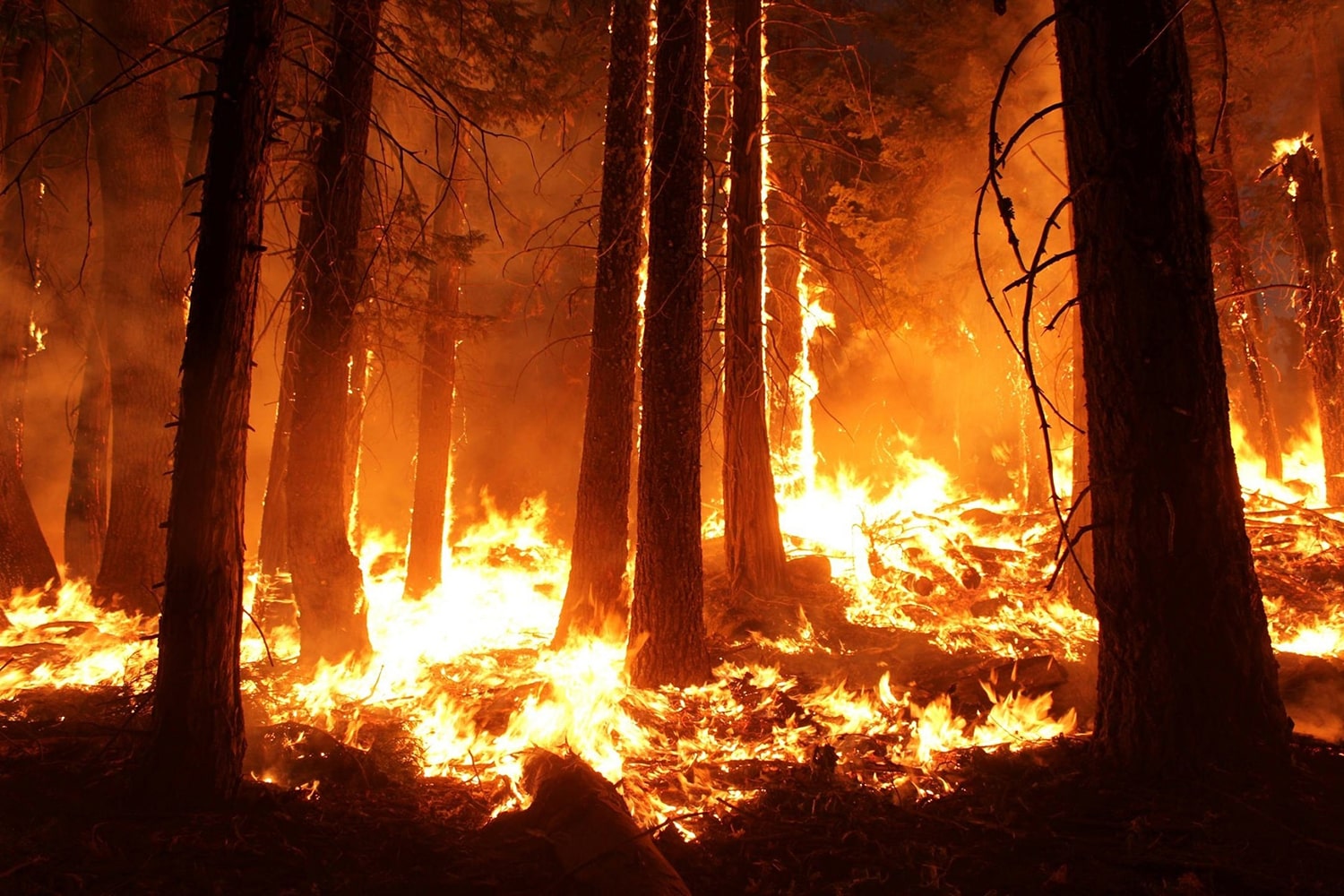
**Fire Risk:** This species is highly flammable and should not be planted within the defensible space around your home. It is advisable to choose plants with a low flammability rating for areas closest to your residence.

**Seasons of Interest:**
- **Bloom:** Spring
- **Fruit/Seed/Nut:** Summer

Arundinaria gigantea Feature Summary

Arundinaria gigantea Image Gallery

Tags

#wildlife plant
#cover plant
#ornamental grass
#seeds
#food source
#fire
#extreme flammability
#NC native
#deer resistant
#native garden
#native ornamental grass
#larval host plant
#food source summer
#food source herbage
#Coastal FACW
#Piedmont Mountains FACW
#bird friendly
#food source hard mast fruit
#butterfly friendly
#butterfly larvae
#pollinator garden
#audubon
#various skipper butterflies
#southern pearly-eye butterfly
#creole pearly-eye butterfly

Similar Plants

Arundinaria gigantea Feature Summary

Attributes
E. Central & SE. U.S.A.
Provides excellent cover year-round. Seeds are eaten by songbirds and small mammals. This is a larval host plant for the Southern Pearly-Eye (Enodia portlandia) which has three broods from March-October, Creole Pearly-Eye (Lethe creola) which has three broods in the south from April-September, and various Skipper larvae.
Perennial
Wildlife Food Source
extreme flammability
Flowers
Inconspicuous and rare. They bloom from April to July.
Insignificant
Spring
Summer
Leaves
Alternate with an extremely toothed margin and hairy top side
Whole Plant Traits
Native Plant
Ornamental Grasses and Sedges
Cultural Conditions
Full sun (6 or more hours of direct sunlight a day)
Partial Shade (Direct sunlight only part of the day, 2-6 hours)
Deep shade (Less than 2 hours to no direct sunlight)
Moist
Occasionally Wet
Occasionally Dry
Mountains
Piedmont
5b
5a
6a
6b
7a
7b
8b
8a
9a
9b
Landscape
Butterfly Garden
Pollinator Garden
Native Garden
Butterflies
Pollinators
Songbirds

Arundinaria gigantea Attributes

Arundinaria gigantea: Country Or Region Of Origin

E. Central & SE. U.S.A.

Arundinaria gigantea: Wildlife Value

Provides excellent cover year-round. Seeds are eaten by songbirds and small mammals. This is a larval host plant for the Southern Pearly-Eye (Enodia portlandia) which has three broods from March-October, Creole Pearly-Eye (Lethe creola) which has three broods in the south from April-September, and various Skipper larvae.

Arundinaria gigantea: Particularly Resistant To (Insects/Diseases/Other Problems)

High deer resistance

Arundinaria gigantea: Life Cycle

Annual
Biennial
Bulb
Perennial
Woody

Arundinaria gigantea: Play Value

Attractive Flowers
Attracts Pollinators
Buffer
Colorful
Defines Paths
Easy to Grow
Edible fruit
Fragrance
Pieces Used in Games
Screening
Shade
Sound
Textural
Wildlife Cover/Habitat
Wildlife Food Source
Wildlife Larval Host
Wildlife Nesting
Wind Break
Wind Shimmer

Arundinaria gigantea: Fire Risk Rating

extreme flammability
high flammability
low flammability
medium flammability

Arundinaria gigantea Flowers

Arundinaria gigantea: Flower Description

Inconspicuous and rare. They bloom from April to July.

Arundinaria gigantea: Flower Color

filter_vintage
Insignificant

Arundinaria gigantea: Flower Inflorescence

Catkin
Corymb
Cyme
Head
Insignificant
Panicle
Raceme
Solitary
Spadix
Spike
Umbel

Arundinaria gigantea: Flower Bloom Time

Winter
Spring
Summer
Fall

Arundinaria gigantea Leaves

Arundinaria gigantea: Leaf Description

Alternate with an extremely toothed margin and hairy top side

Arundinaria gigantea: Woody Plant Leaf Characteristics

Broadleaf Evergreen
Deciduous
Needled Evergreen
Semi-evergreen

Arundinaria gigantea: Leaf Arrangement

Alternate
Opposite
Other/more complex
Rosulate
Whorled

Arundinaria gigantea: Leaf Margin

Crenate
Crenulate
Dentate
Denticulate
Doubly Crenate
Doubly Dentate
Doubly Serrate
Entire
Lobed
Serrate
Sinuate
Undulate

Arundinaria gigantea: Hairs Present

No
Yes

Arundinaria gigantea Whole Plant Traits

Arundinaria gigantea: Plant Type

Annual
Bulb
Carnivorous
Edible
Epiphyte
Fern
Ground Cover
Herb
Herbaceous Perennial
Houseplant
Mushroom
Native Plant
Ornamental Grasses and Sedges
Perennial
Poisonous
Rose
Shrub
Succulent
Tree
Turfgrass
Vegetable
Vine
Water Plant
Weed
Wildflower

Arundinaria gigantea: Woody Plant Leaf Characteristics

Broadleaf Evergreen
Deciduous
Needled Evergreen
Semi-evergreen

Arundinaria gigantea Cultural Conditions

Arundinaria gigantea: Light

Dappled Sunlight (Shade through upper canopy all day)
Deep shade (Less than 2 hours to no direct sunlight)
Full sun (6 or more hours of direct sunlight a day)
Partial Shade (Direct sunlight only part of the day, 2-6 hours)

Arundinaria gigantea: Soil Drainage

Frequent Standing Water
Good Drainage
Moist
Occasional Flooding
Occasionally Dry
Occasionally Wet
Very Dry

Arundinaria gigantea: Available Space To Plant

12 inches-3 feet
12-24 feet
24-60 feet
3 feet-6 feet
6-feet-12 feet
Less than 12 inches
more than 60 feet

Arundinaria gigantea: NC Region

Coastal
Mountains
Piedmont

Arundinaria gigantea: USDA Plant Hardiness Zone

thermostat
5a
thermostat
5b
thermostat
6a
thermostat
6b
thermostat
7a
thermostat
7b
thermostat
8a
thermostat
8b
thermostat
9a
thermostat
9b

Arundinaria gigantea Fruit

Arundinaria gigantea: Display/Harvest Time

Fall
Spring
Summer
Winter

Arundinaria gigantea Stem

Arundinaria gigantea: Stem Is Aromatic

No
Yes

Arundinaria gigantea Landscape

Arundinaria gigantea: Landscape Theme

Asian Garden
Butterfly Garden
Children's Garden
Cottage Garden
Cutting Garden
Drought Tolerant Garden
Edible Garden
English Garden
Fairy Garden
Garden for the Blind
Native Garden
Nighttime Garden
Pollinator Garden
Rain Garden
Rock Garden
Shade Garden
Water Garden
Winter Garden

Arundinaria gigantea: Resistance To Challenges

Black Walnut
Compaction
Deer
Diseases
Drought
Dry Soil
Erosion
Fire
Foot Traffic
Heat
Heavy Shade
Humidity
Insect Pests
Pollution
Poor Soil
Rabbits
Salt
Slugs
Squirrels
Storm damage
Urban Conditions
Voles
Wet Soil
Wind

Arundinaria gigantea: Attracts

Bats
Bees
Butterflies
Frogs
Hummingbirds
Moths
Pollinators
Predatory Insects
Reptiles
Small Mammals
Songbirds
Specialized Bees