Panicum virgatum: Uses (Ethnobotany)
It is being explored for its use as a biofuel.
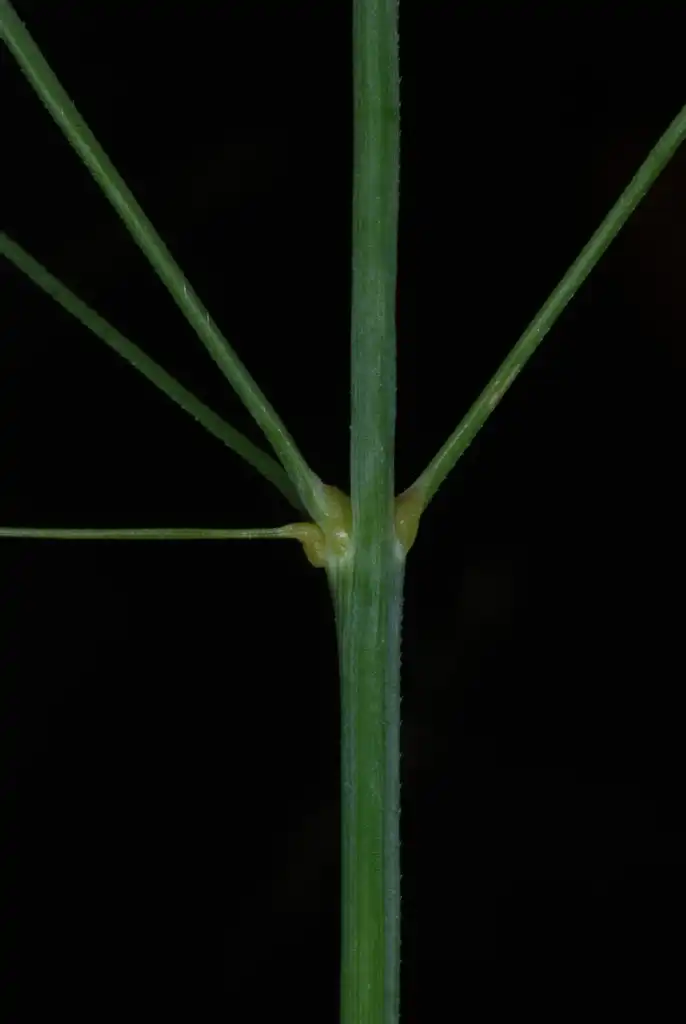
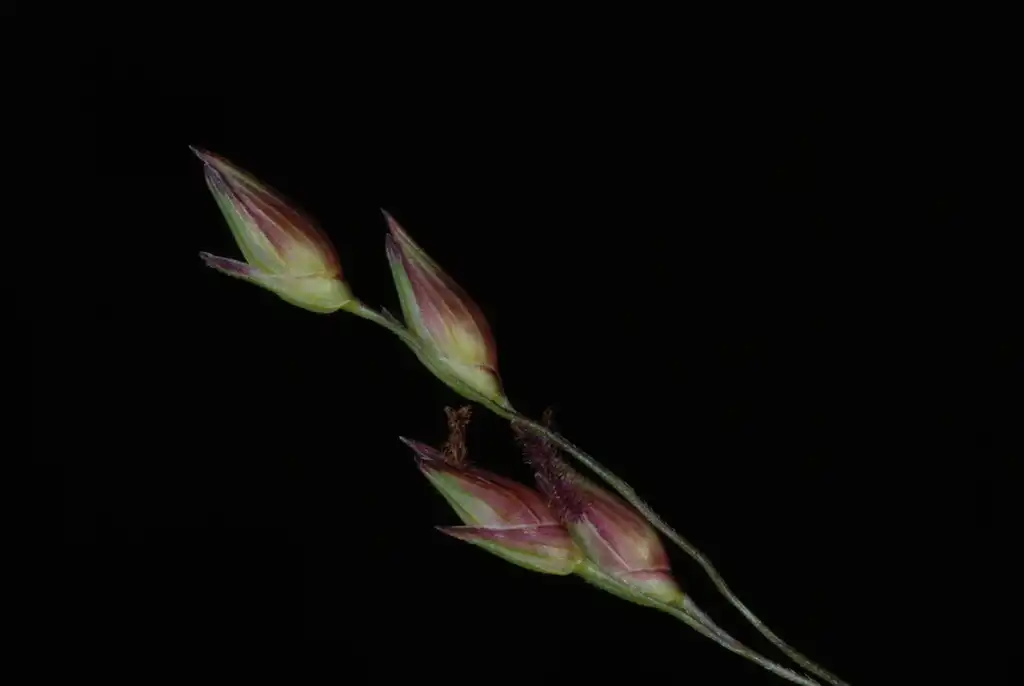
Phonetic Spelling:PAN-ih-kum ver-GAY-tum
Genus:Panicum
Species:virgatum
Family:Poaceae
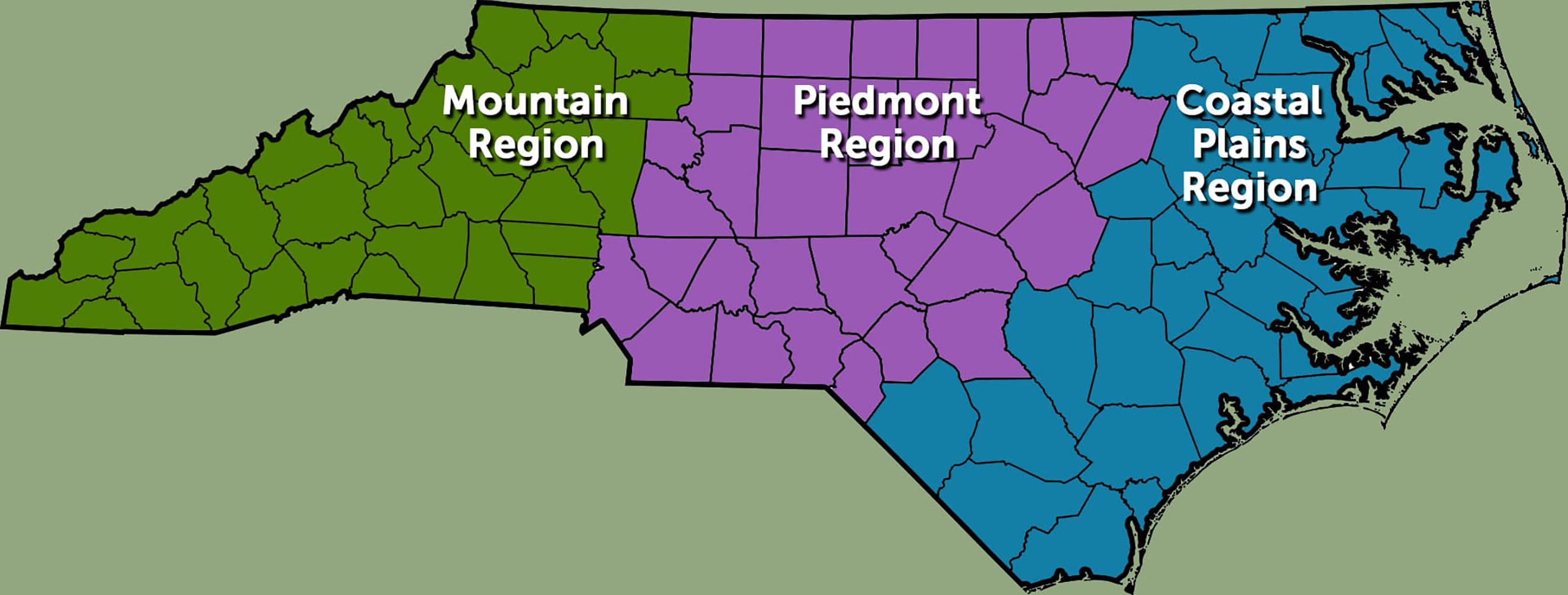
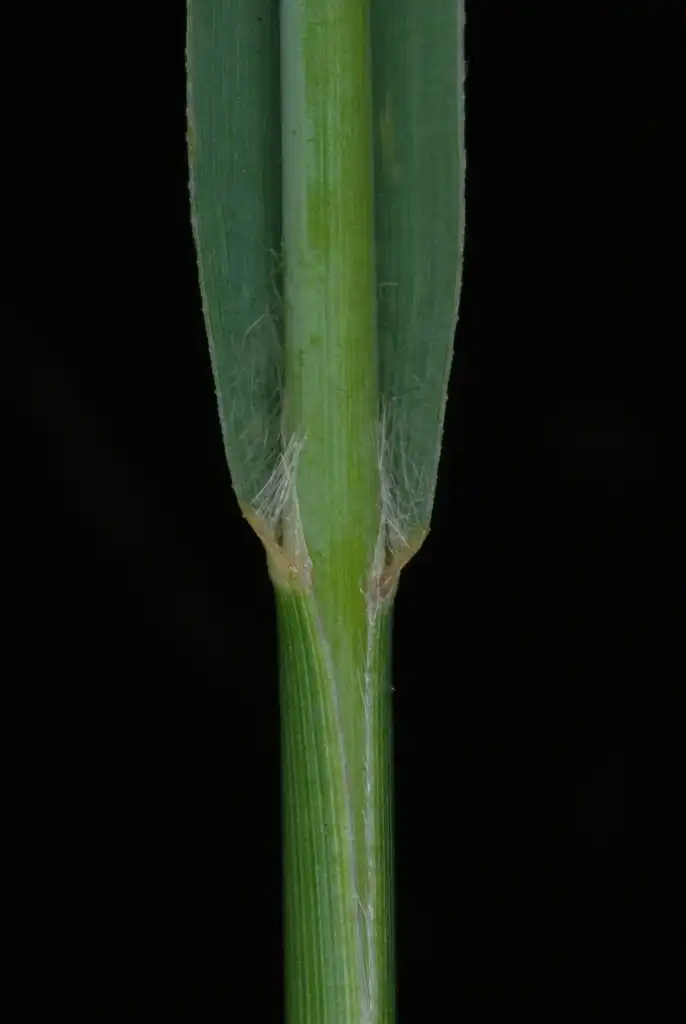
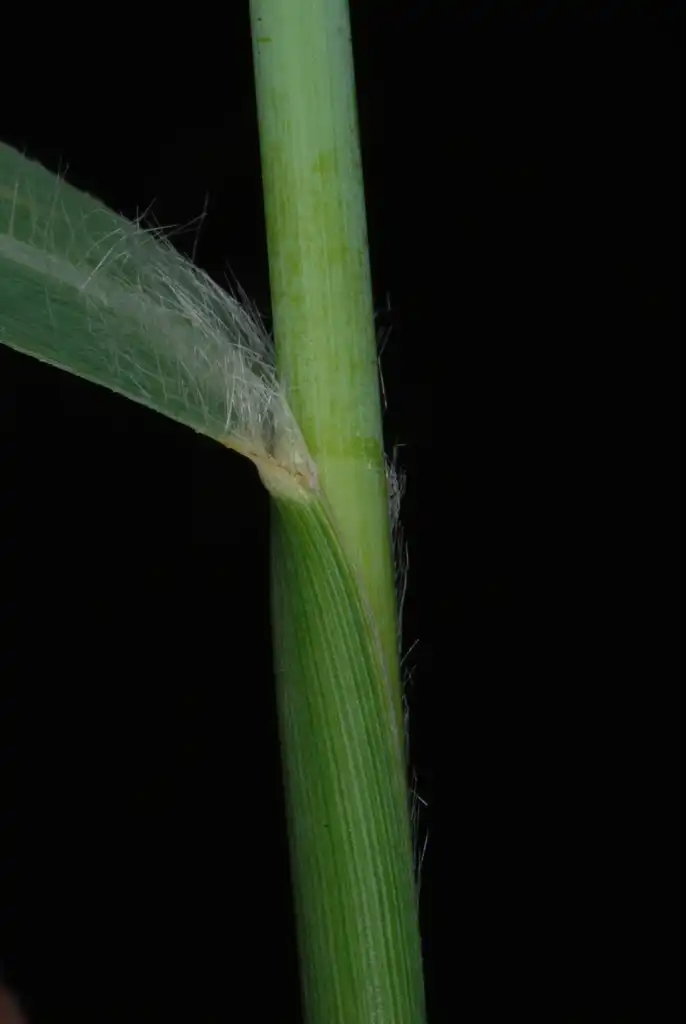
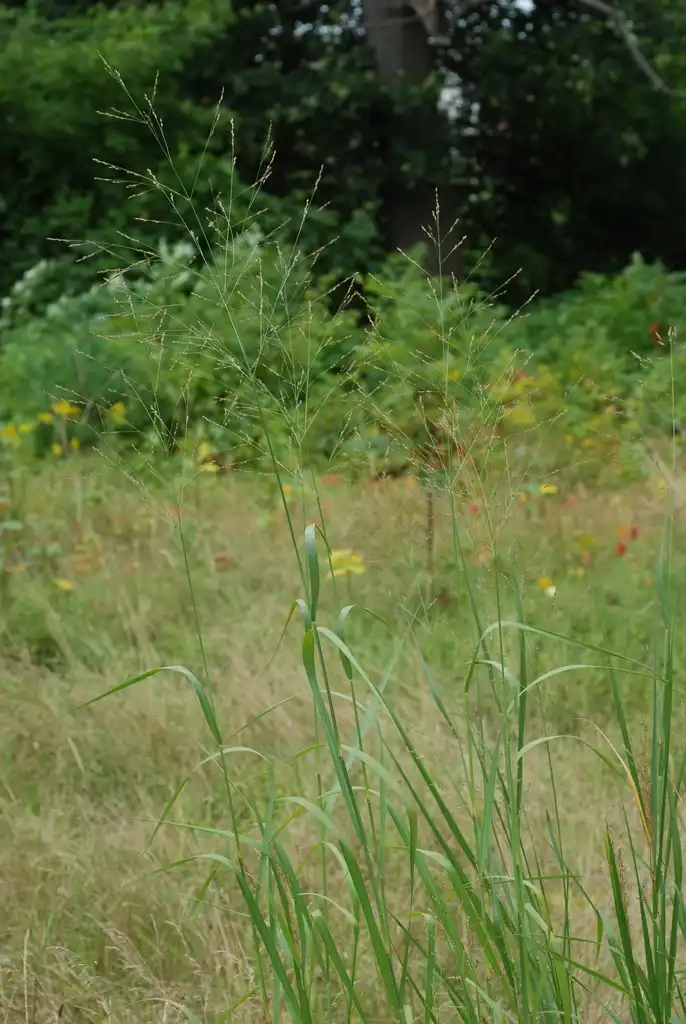
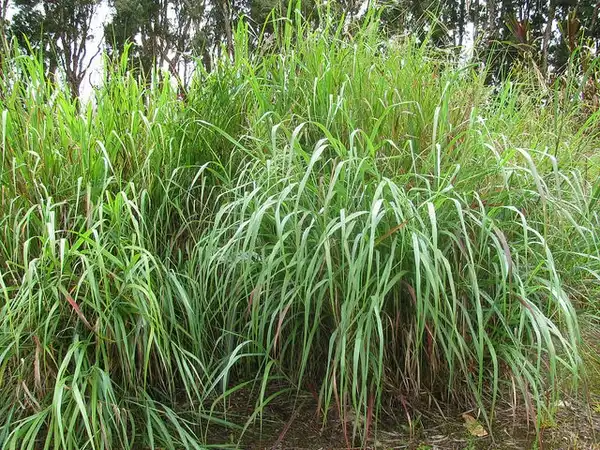
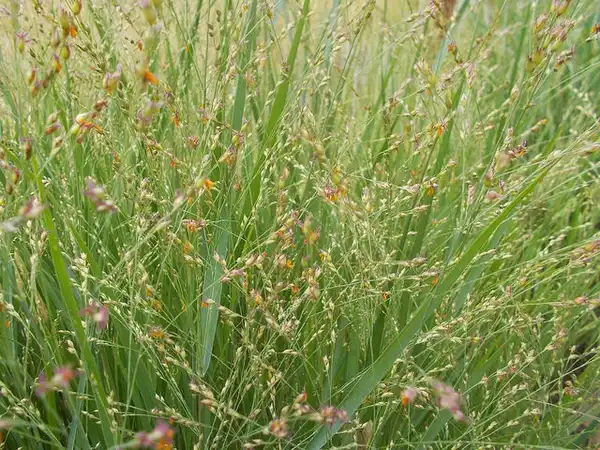
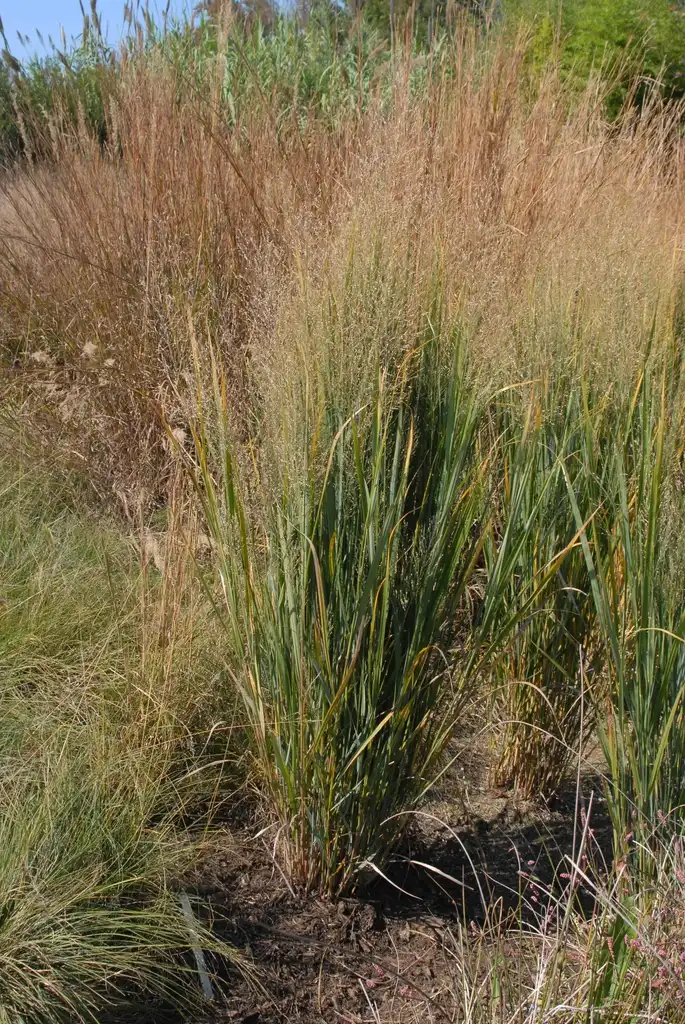
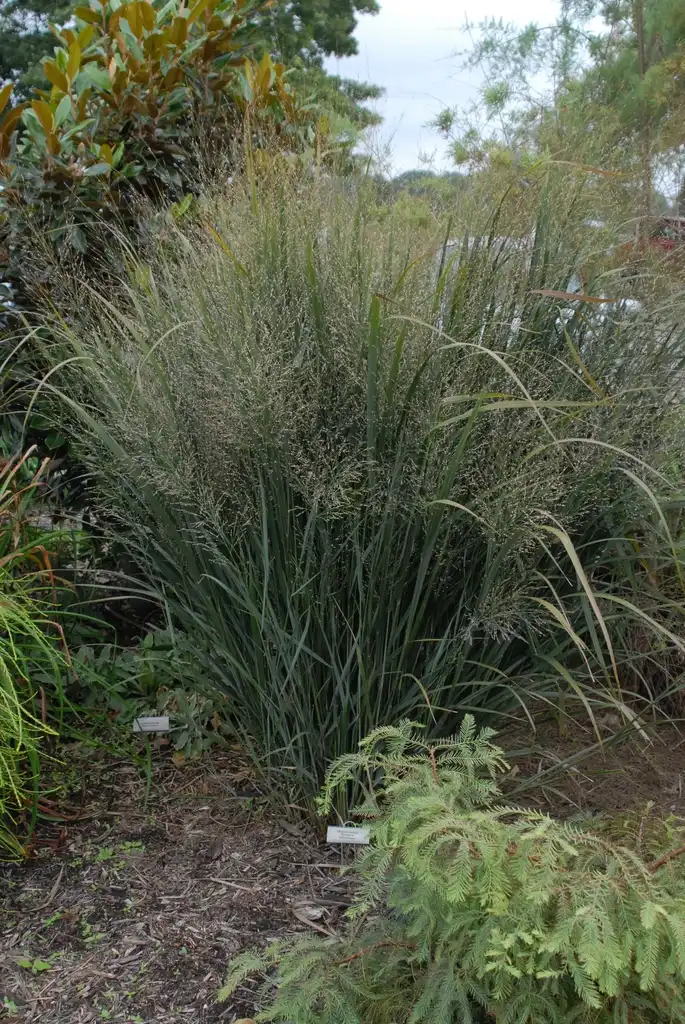
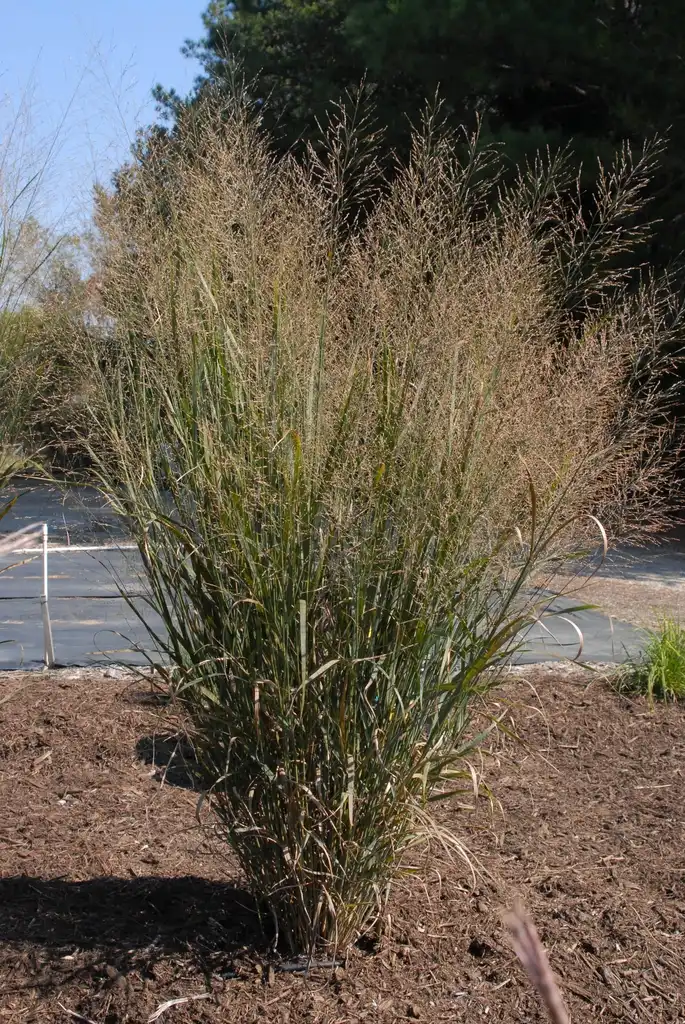
Switchgrass is a perennial ornamental grass that thrives in warm seasons and is indigenous to North Carolina. This species is a prominent member of the tallgrass prairie ecosystem, yet it can be found throughout North America, often flourishing along moist roadsides, streambanks, and in wooded areas. Typically, it grows to a height of 3 to 4 feet, but with its flowering plumes, it can reach up to 7 feet. The plant develops a dense, columnar clump of foliage that spreads gradually through creeping rhizomes, maintaining its visual appeal throughout the year.
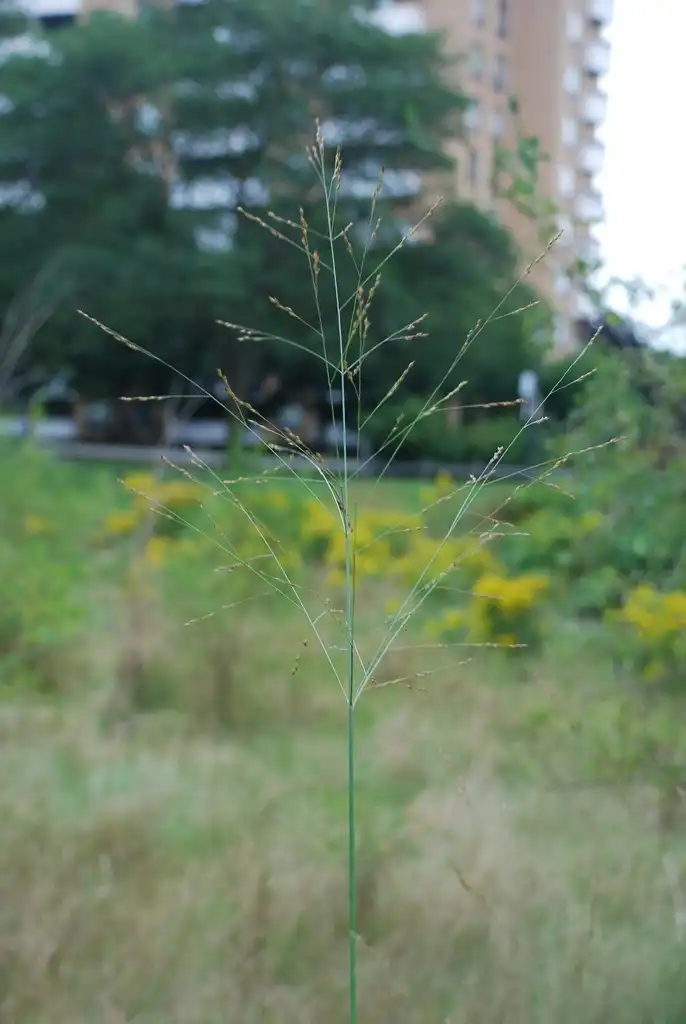
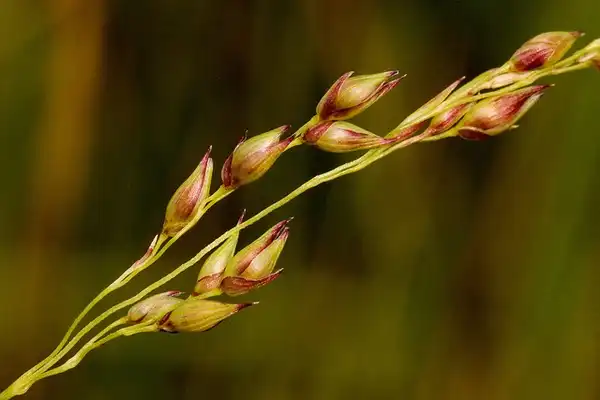
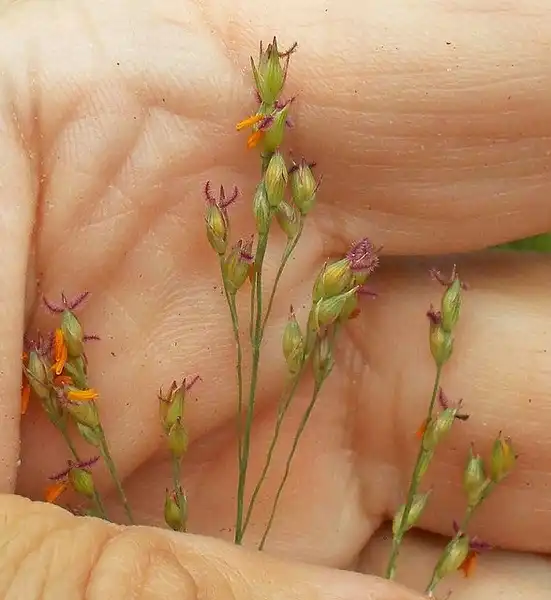
For optimal growth, plant switchgrass in full sun and in moist clay or sandy soils. While it can tolerate partial shade, its growth may become looser, leading to a tendency to flop. In summer, the grass exhibits a bluish hue, adorned with delicate, pink-tinged flower panicles that rise above the foliage like a soft cloud. After flowering, it’s beneficial to leave the seed heads on the plant, as they provide a winter food source for birds and small mammals. In the fall, the leaves transform into vibrant shades of yellow and orange before fading to light brown, which can persist through winter. It is advisable to prune the plants back significantly in late winter or early spring.
This grass can be mass-planted at the back of a border or utilized as a natural screen. It also serves well as an accent in native or water gardens. Notably, switchgrass is resistant to deer, drought, erosion, and air pollution. It has some tolerance to salt, can endure occasional flooding, and is compatible with black walnut trees.
**Fire Risk:** Switchgrass has a high flammability rating, making it unsuitable for planting within the defensible space around your home. It is recommended to choose plants with a low flammability rating for areas closest to your residence.
**Seasons of Interest:**
- **Bloom:** Late Summer/Fall
- **Fruit/Seed/Nut:** Fall/Winter
**Insects, Diseases, and Other Plant Issues:** Generally, switchgrass does not face significant problems. However, it may occasionally attract pests such as thrips, spider mites, and Japanese beetles. In southern summers, rust can become a concern, and under stressful conditions, crown or root rot may occur.
Panicum virgatum Feature Summary
Panicum virgatum Image Gallery