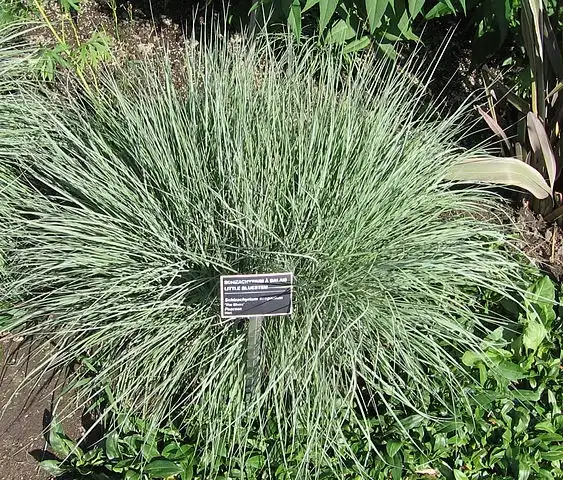
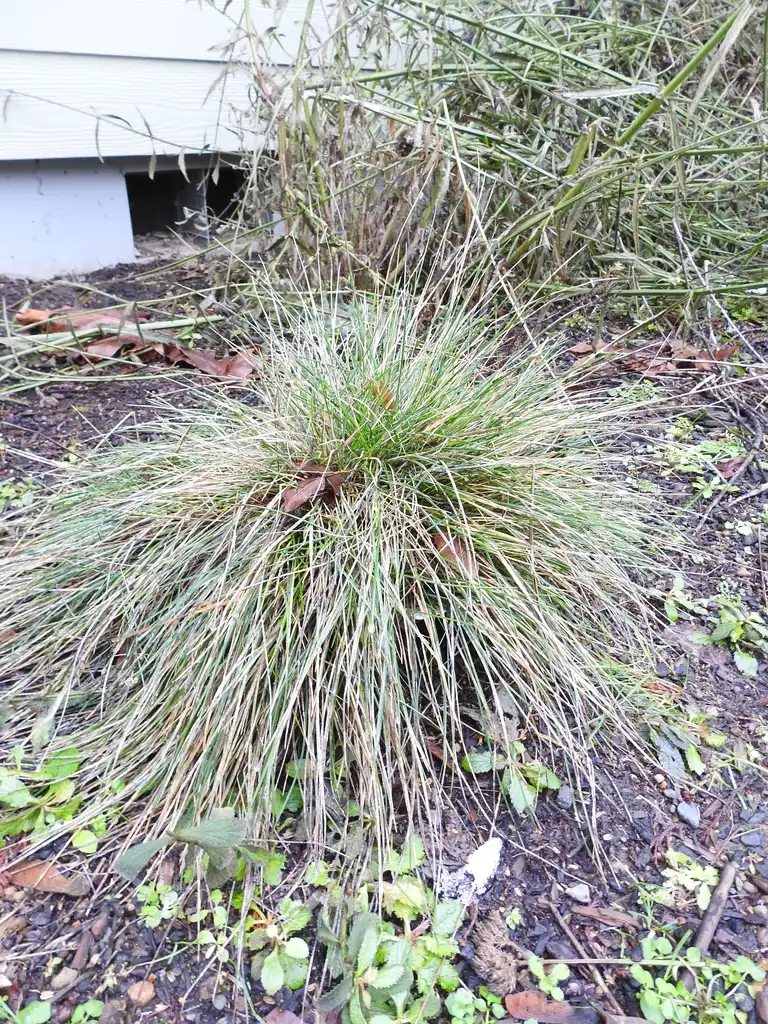
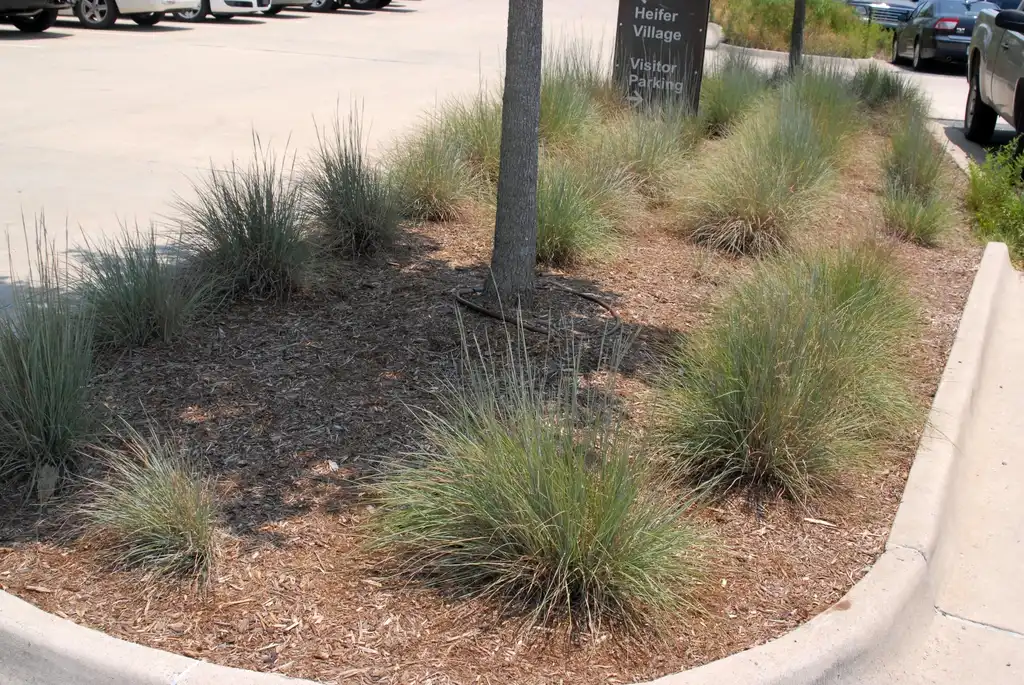
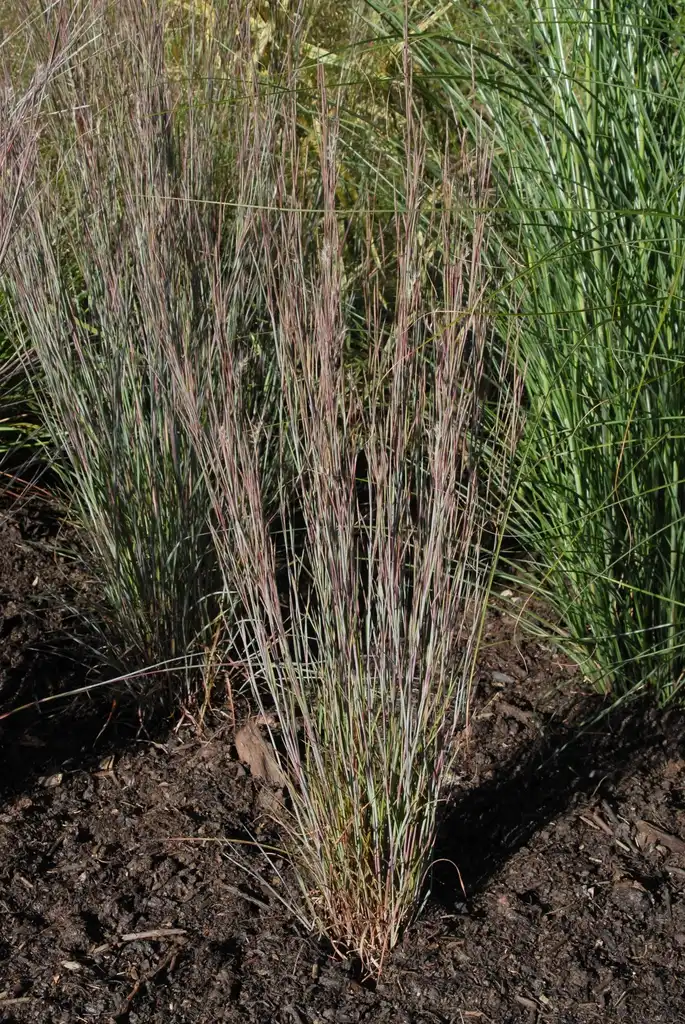
• Photo of Schizachyrium scoparium (Schizachyrium scopariums)

Plant Profile: Schizachyrium scoparium

Taxonomy: Schizachyrium scoparium

Names

Little Bluestem, Prairie Beardgrass, Prairie Beard Grass

  • Photo of Schizachyrium scoparium (Schizachyrium scopariums)

Phonetic Spelling:ski-za-KRY-ee-um sko-PAIR-ee-um

Genus:Schizachyrium

Species:scoparium

Family:Poaceae

This native ornamental grass (Poaceae) features striking blue-green leaves. Its purplish-bronze seed heads and vibrant yellow-orange foliage provide captivating visual interest during the fall season. When planted in groups, it creates a stunning display and is an excellent choice for rain gardens. It thrives in average, well-drained soil that ranges from dry to medium moisture and prefers full sunlight. Nevertheless, it can adapt to various soil types, including those that are infertile or clay-heavy. Once established, it exhibits drought resistance and is particularly suited to southern climates, where it can withstand high temperatures and humidity. This grass naturally grows in a diverse array of habitats, from moist to dry environments. To encourage fresh, appealing growth, it should be cut back to the ground in early spring. Numerous cultivars are available, which can make locating the straight species in the market a challenge.

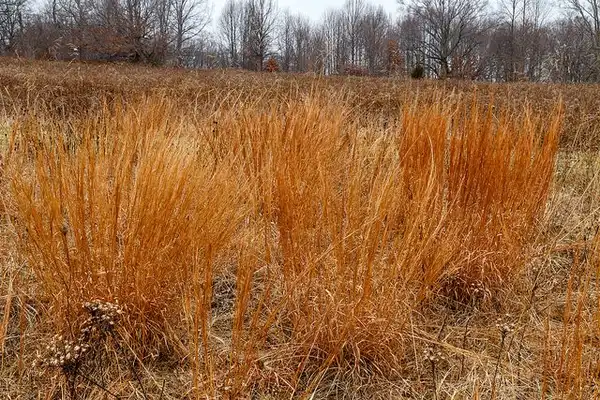
Little Bluestem is a perennial, warm-season grass that can reach heights of up to 5 feet. During summer, its leaves and stems often display a bluish hue, while in the fall, the color transforms into a rich copper that remains vibrant throughout the winter months.

Seasons of Interest:

     Leaves: Summer/Fall/Winter; Bloom: Late Summer/Fall; Fruit/Seed/Nut: Fall/Winter

Insects, Diseases, and Other Plant Issues: This plant can be adversely affected by excessive mulch around its crown.

Schizachyrium scoparium Feature Summary

Schizachyrium scoparium Image Gallery

Tags

#fall color
#heat tolerant
#wildlife plant
#cover plant
#low maintenance
#winter interest
#cottage garden
#air pollution tolerant
#grass
#small mammals
#ncemgva2018
#food source
#highly beneficial coastal plants
#cpp
#NC native
#deer resistant
#coastal plants
#borders
#pollinator plant
#native ornamental grass
#larval host plant
#food source winter
#food source fall
#food source herbage
#humidity tolerant
#rocky soils tolerant
#clay soils tolerant
#bird friendly
#dry soils tolerant
#food source hard mast fruit
#mammals
#butterfly friendly
#butterfly larvae
#Piedmont Mountains FACU
#Coastal FACU
#pollinator garden
#black walnut toxicity tolerant
#common wood-nymph butterfly
#various skipper butterflies

Similar Plants

Schizachyrium scoparium Feature Summary

Attributes
Eastern North America
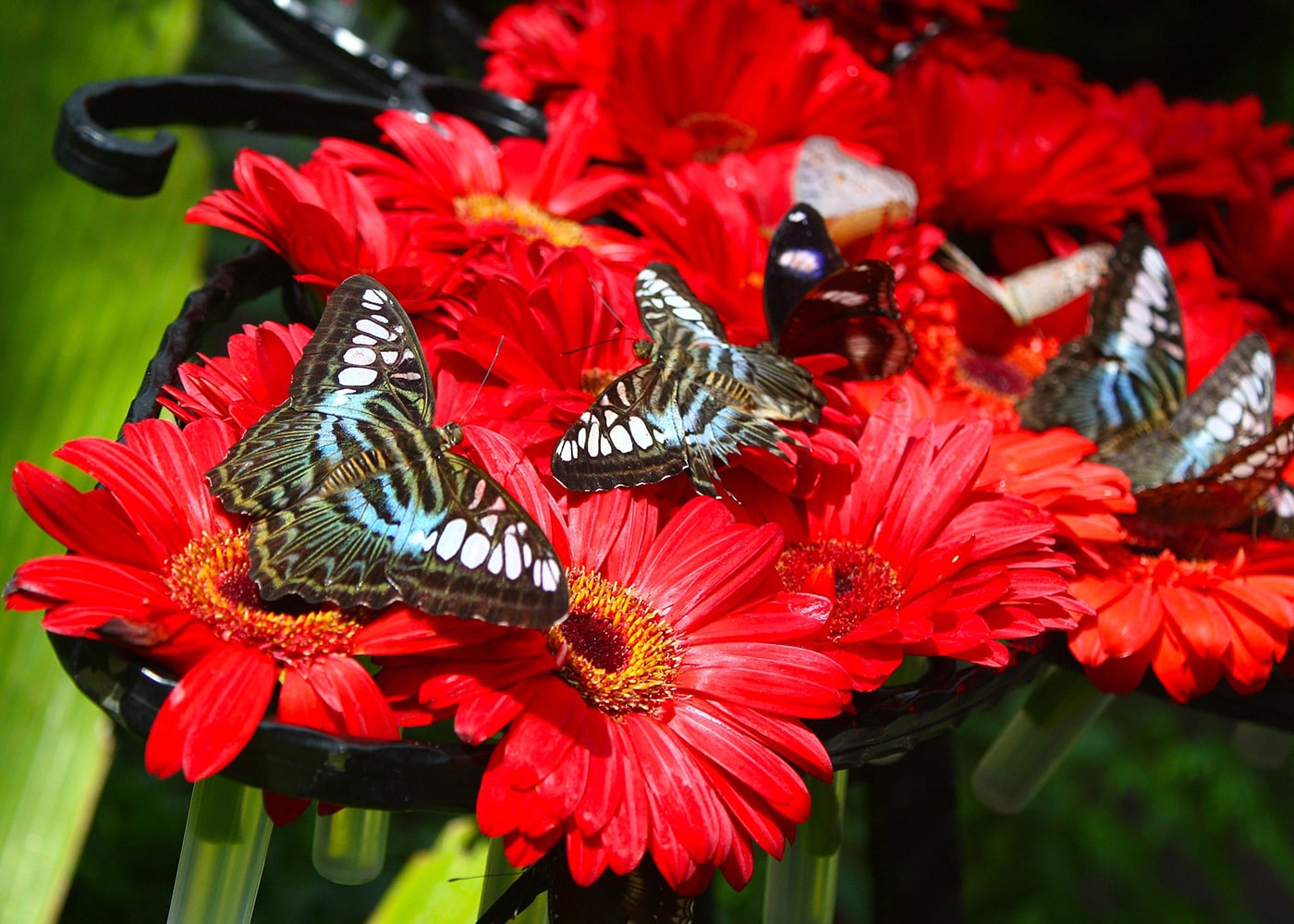
Provides excellent cover year round. This is a larval host plant that supports various skipper larvae and Common Wood-Nymph (Cercyonis pegala) which have one brood from late May to October. Adult Common Wood-Nymph butterflies feed on rotting fruit and flower nectar. Seeds are eaten by songbirds and small mammals.
Fruit
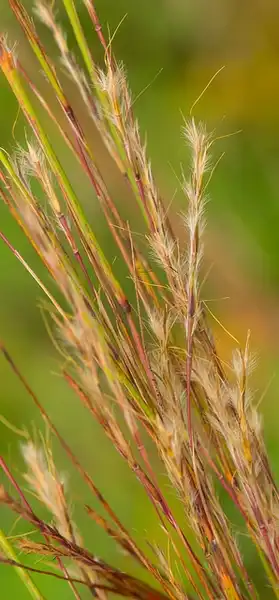
Purple-bronze seed heads give excellent fall and winter interest. Fruits are available July-November.
Purple/Lavender
Gold/Yellow
Flowers
Purple-bronze racemes form above the clump of leaves and appear in August. Blooms from June-October.
Purple/Lavender
Leaves
Flat linaer leaves 1/4" wide form attractive clumps of light blue at the base turn orange-yellow in fall and persist into winter giving intrest to the landscape.
Green
Blue
Orange
Other/more complex
Filiform
> 6 inches
< 1 inch
Whole Plant Traits
Perennial
Native Plant
Ornamental Grasses and Sedges
Erect
Clumping
Cultural Conditions
Full sun (6 or more hours of direct sunlight a day)
Acid (<6.0)
Alkaline (>8.0)
Neutral (6.0-8.0)
Good Drainage
Moist
Occasionally Dry
3 feet-6 feet
12 inches-3 feet
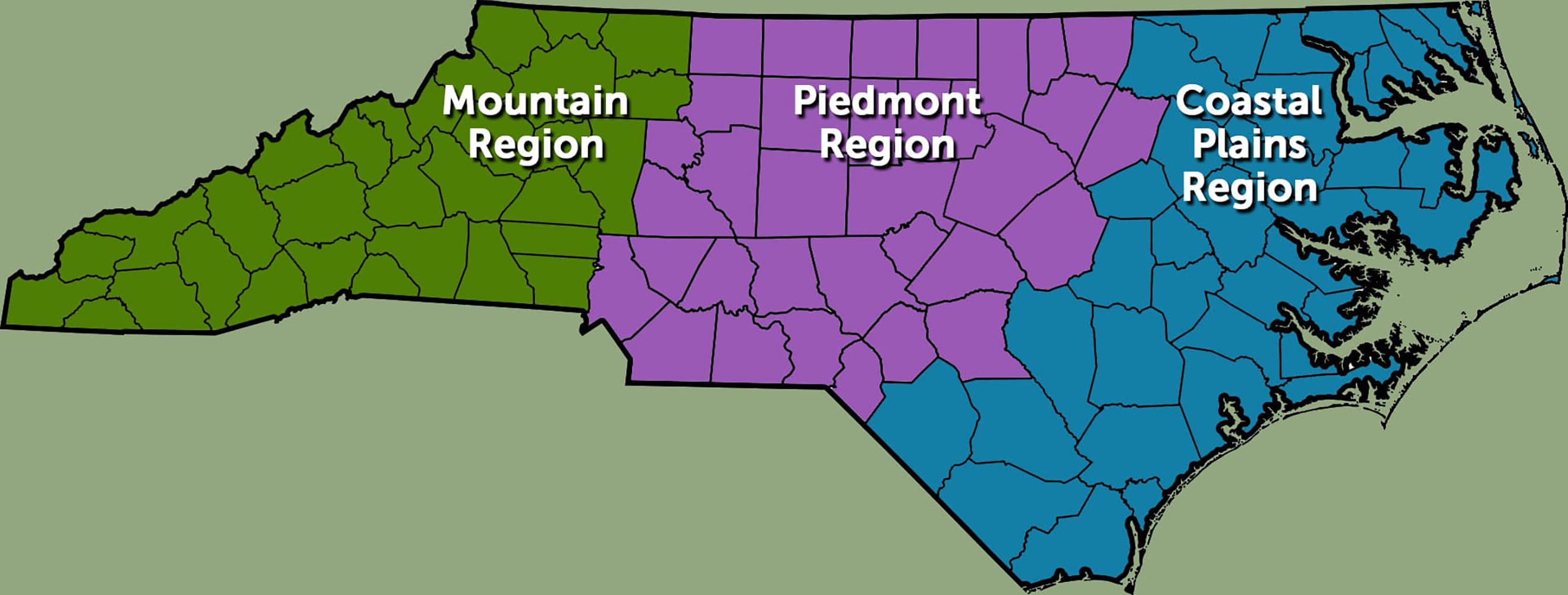
Coastal
Mountains
Piedmont
Clay
Loam (Silt)
Sand
Shallow Rocky
Landscape
Butterfly Garden
Pollinator Garden
Winter Garden
Rain Garden
Cottage Garden
Native Garden
Border
Mass Planting
Drought
Deer
Heat
Pollution
Humidity
Dry Soil
Black Walnut
Butterflies
Pollinators
Songbirds
Small Mammals

Schizachyrium scoparium Attributes

Schizachyrium scoparium: Country Or Region Of Origin

Eastern North America
Schizachyrium scoparium: Wildlife Value

Provides excellent cover year round. This is a larval host plant that supports various skipper larvae and Common Wood-Nymph (Cercyonis pegala) which have one brood from late May to October. Adult Common Wood-Nymph butterflies feed on rotting fruit and flower nectar. Seeds are eaten by songbirds and small mammals.

Schizachyrium scoparium: Particularly Resistant To (Insects/Diseases/Other Problems)

Deer resistance is high.

Schizachyrium scoparium: Recommended Propagation Strategy

Division
Grafting
Layering
Leaf Cutting
Root Cutting
Seed
Stem Cutting

Schizachyrium scoparium Fruit

Schizachyrium scoparium: Fruit Description

Purple-bronze seed heads give excellent fall and winter interest. Fruits are available July-November.

Schizachyrium scoparium: Fruit Color

grass
Gold/Yellow
grass
Purple/Lavender

Schizachyrium scoparium: Fruit Value To Gardener

Edible
Fragrant
Good Cut
Good Dried
Long Bloom Season
Long-lasting
Showy

Schizachyrium scoparium: Display/Harvest Time

Fall
Spring
Summer
Winter

Schizachyrium scoparium Flowers

Schizachyrium scoparium: Flower Description

Purple-bronze racemes form above the clump of leaves and appear in August. Blooms from June-October.

Schizachyrium scoparium: Flower Color

filter_vintage
Purple/Lavender

Schizachyrium scoparium: Flower Inflorescence

Catkin
Corymb
Cyme
Head
Insignificant
Panicle
Raceme
Solitary
Spadix
Spike
Umbel

Schizachyrium scoparium: Flower Bloom Time

Winter
Spring
Summer
Fall

Schizachyrium scoparium Leaves

Schizachyrium scoparium: Leaf Description

Flat linaer leaves 1/4" wide form attractive clumps of light blue at the base turn orange-yellow in fall and persist into winter giving intrest to the landscape.

Schizachyrium scoparium: Woody Plant Leaf Characteristics

Broadleaf Evergreen
Deciduous
Needled Evergreen
Semi-evergreen

Schizachyrium scoparium: Leaf Color

spa
Blue
spa
Green
spa
Orange

Schizachyrium scoparium: Deciduous Leaf Fall Color

spa
Gold/Yellow
spa
Orange

Schizachyrium scoparium: Leaf Type

Compound (Pinnately , Bipinnately, Palmately)
Fronds
Needles
Sheath
Simple

Schizachyrium scoparium: Leaf Arrangement

Alternate
Opposite
Other/more complex
Rosulate
Whorled

Schizachyrium scoparium: Leaf Shape

Acicular
Auriculate
Cordate
Cuneate
Deltoid
Elliptical
Filiform
Lanceolate
Linear
Oblanceolate
Oblong
Obovate
Obtuse
Orbicular
Ovate
Palmasect
Palmatifid
Peltate
Pinnatifid
Pinnatisect
Reniform
Rhomboidal
Spatulate
Subcordate
Subulate

Schizachyrium scoparium: Hairs Present

No
Yes

Schizachyrium scoparium: Leaf Length

< 1 inch
1-3 inches
3-6 inches
> 6 inches

Schizachyrium scoparium: Leaf Value To Gardener

Edible
Fragrant
Good Cut
Good Dried
Long-lasting
Showy

Schizachyrium scoparium: Leaf Width

< 1 inch
1-3 inches
3-6 inches
> 6 inches

Schizachyrium scoparium Whole Plant Traits

Schizachyrium scoparium: Plant Type

Annual
Bulb
Carnivorous
Edible
Epiphyte
Fern
Ground Cover
Herb
Herbaceous Perennial
Houseplant
Mushroom
Native Plant
Ornamental Grasses and Sedges
Perennial
Poisonous
Rose
Shrub
Succulent
Tree
Turfgrass
Vegetable
Vine
Water Plant
Weed
Wildflower

Schizachyrium scoparium: Woody Plant Leaf Characteristics

Broadleaf Evergreen
Deciduous
Needled Evergreen
Semi-evergreen

Schizachyrium scoparium: Habit/Form

Arching
Ascending
Broad
Cascading
Climbing
Clumping
Columnar
Conical
Creeping
Dense
Erect
Horizontal
Irregular
Mounding
Multi-stemmed
Multi-trunked
Open
Oval
Prostrate
Pyramidal
Rounded
Spreading
Vase
Weeping

Schizachyrium scoparium: Growth Rate

Slow
Medium
Rapid

Schizachyrium scoparium: Maintenance

Low
Medium
High

Schizachyrium scoparium: Texture

Fine
Medium
Coarse

Schizachyrium scoparium Cultural Conditions

Schizachyrium scoparium: Light

Dappled Sunlight (Shade through upper canopy all day)
Deep shade (Less than 2 hours to no direct sunlight)
Full sun (6 or more hours of direct sunlight a day)
Partial Shade (Direct sunlight only part of the day, 2-6 hours)

Schizachyrium scoparium: Soil pH

Acid (<6.0)
Alkaline (>8.0)
Neutral (6.0-8.0)

Schizachyrium scoparium: Soil Drainage

Frequent Standing Water
Good Drainage
Moist
Occasional Flooding
Occasionally Dry
Occasionally Wet
Very Dry

Schizachyrium scoparium: Available Space To Plant

12 inches-3 feet
12-24 feet
24-60 feet
3 feet-6 feet
6-feet-12 feet
Less than 12 inches
more than 60 feet

Schizachyrium scoparium: NC Region

Coastal
Mountains
Piedmont

Schizachyrium scoparium: Soil Texture

Clay
High Organic Matter
Loam (Silt)
Sand
Shallow Rocky

Schizachyrium scoparium Stem

Schizachyrium scoparium: Stem Is Aromatic

No
Yes

Schizachyrium scoparium Landscape

Schizachyrium scoparium: Landscape Theme

Asian Garden
Butterfly Garden
Children's Garden
Cottage Garden
Cutting Garden
Drought Tolerant Garden
Edible Garden
English Garden
Fairy Garden
Garden for the Blind
Native Garden
Nighttime Garden
Pollinator Garden
Rain Garden
Rock Garden
Shade Garden
Water Garden
Winter Garden

Schizachyrium scoparium: Design Feature

Accent
Barrier
Border
Flowering Tree
Foundation Planting
Hedge
Mass Planting
Screen/Privacy
Security
Shade Tree
Small groups
Small Tree
Specimen
Street Tree
Understory Tree

Schizachyrium scoparium: Resistance To Challenges

Black Walnut
Compaction
Deer
Diseases
Drought
Dry Soil
Erosion
Fire
Foot Traffic
Heat
Heavy Shade
Humidity
Insect Pests
Pollution
Poor Soil
Rabbits
Salt
Slugs
Squirrels
Storm damage
Urban Conditions
Voles
Wet Soil
Wind

Schizachyrium scoparium: Attracts

Bats
Bees
Butterflies
Frogs
Hummingbirds
Moths
Pollinators
Predatory Insects
Reptiles
Small Mammals
Songbirds
Specialized Bees