Asimina triloba 'Allegheny': Uses (Ethnobotany)
Early Americans made yellow dye from pulp of the ripened fruit.
Phonetic Spelling:ah-SIH-min-ah try-LO-buh
Genus:Asimina
Species:triloba
Family:Annonaceae
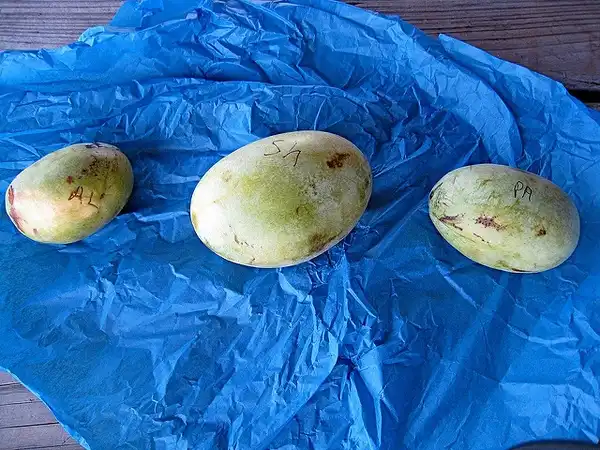
Asimina triloba, commonly referred to as pawpaw, is a small deciduous tree native to North America, typically reaching heights of 20 to 30 feet. This tree often grows in clusters within alluvial or other moist, nutrient-dense forests, but when found in the understory, it requires full sunlight to produce fruit. Pawpaw trees grow slowly and take several years before they start bearing fruit. The 'Allegheny' cultivar is particularly notable for its large fruits, which can weigh up to 8 ounces and feature sweet, creamy yellow flesh that ripens early.
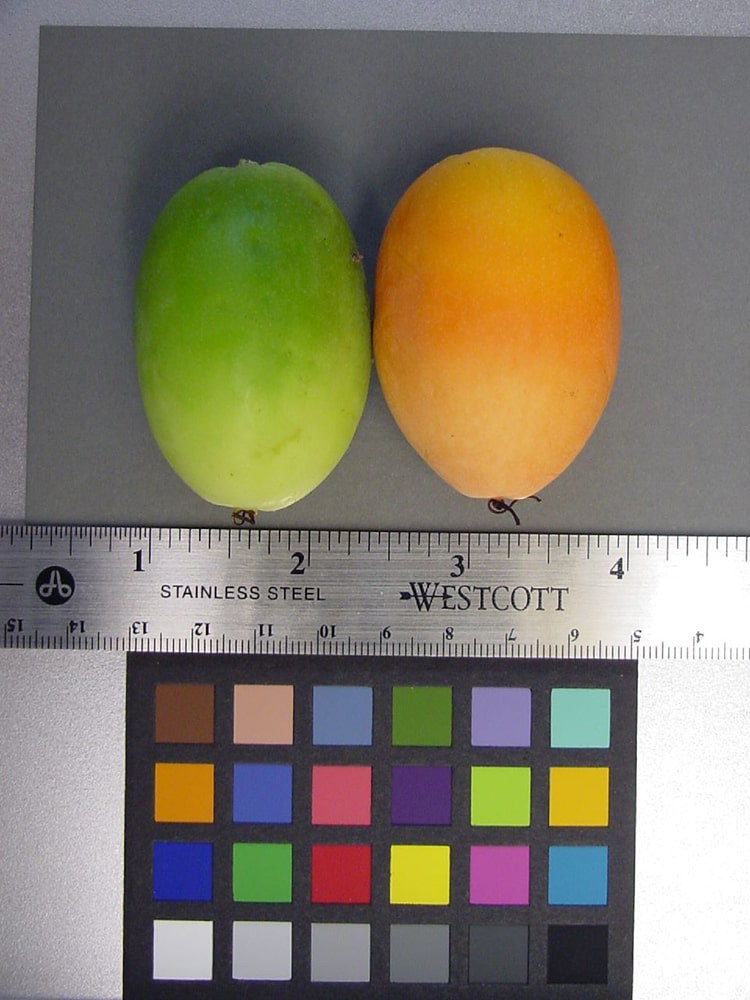
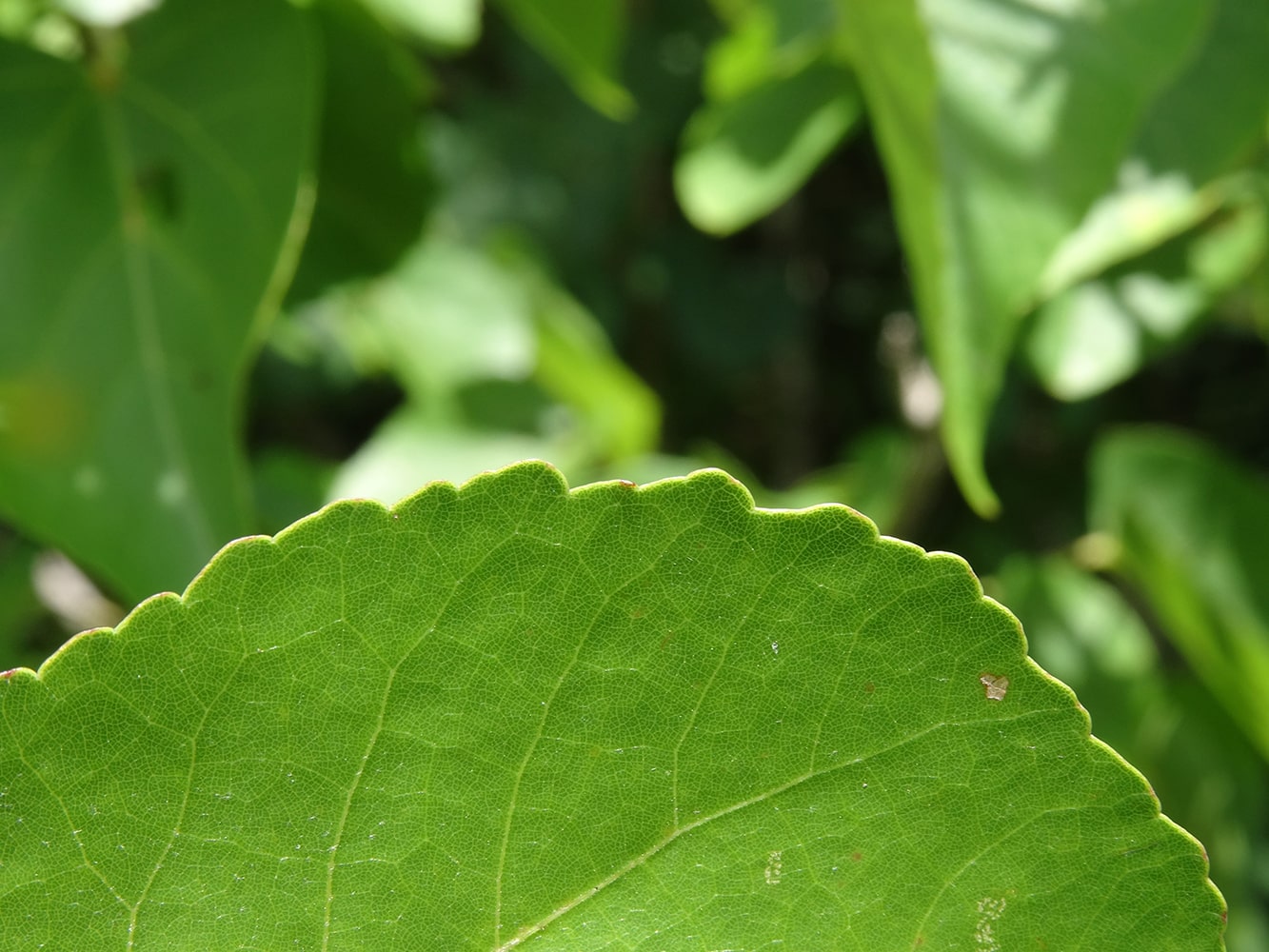
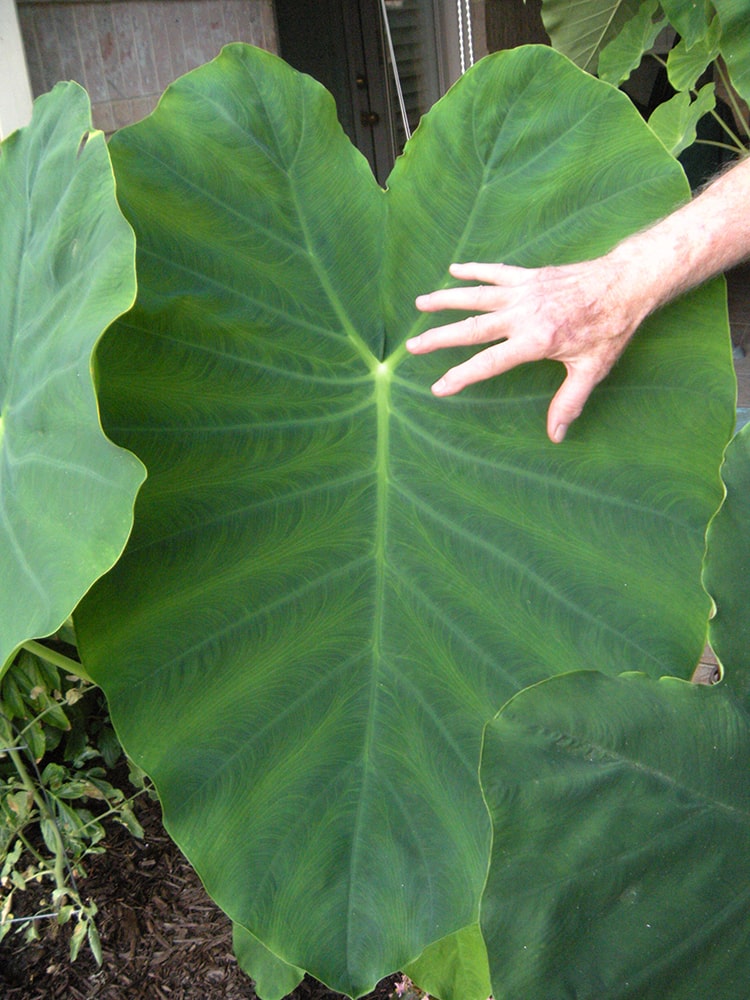
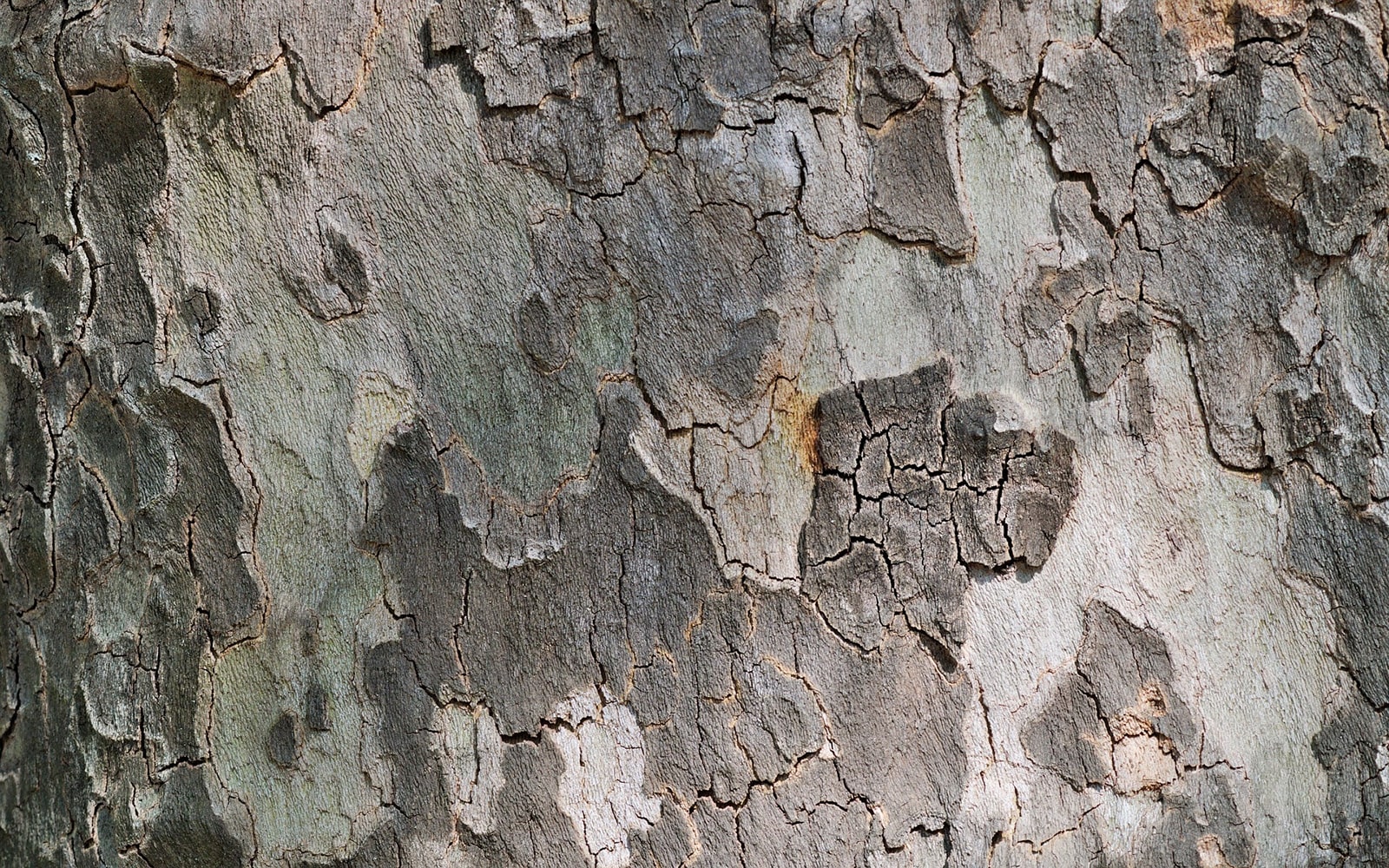
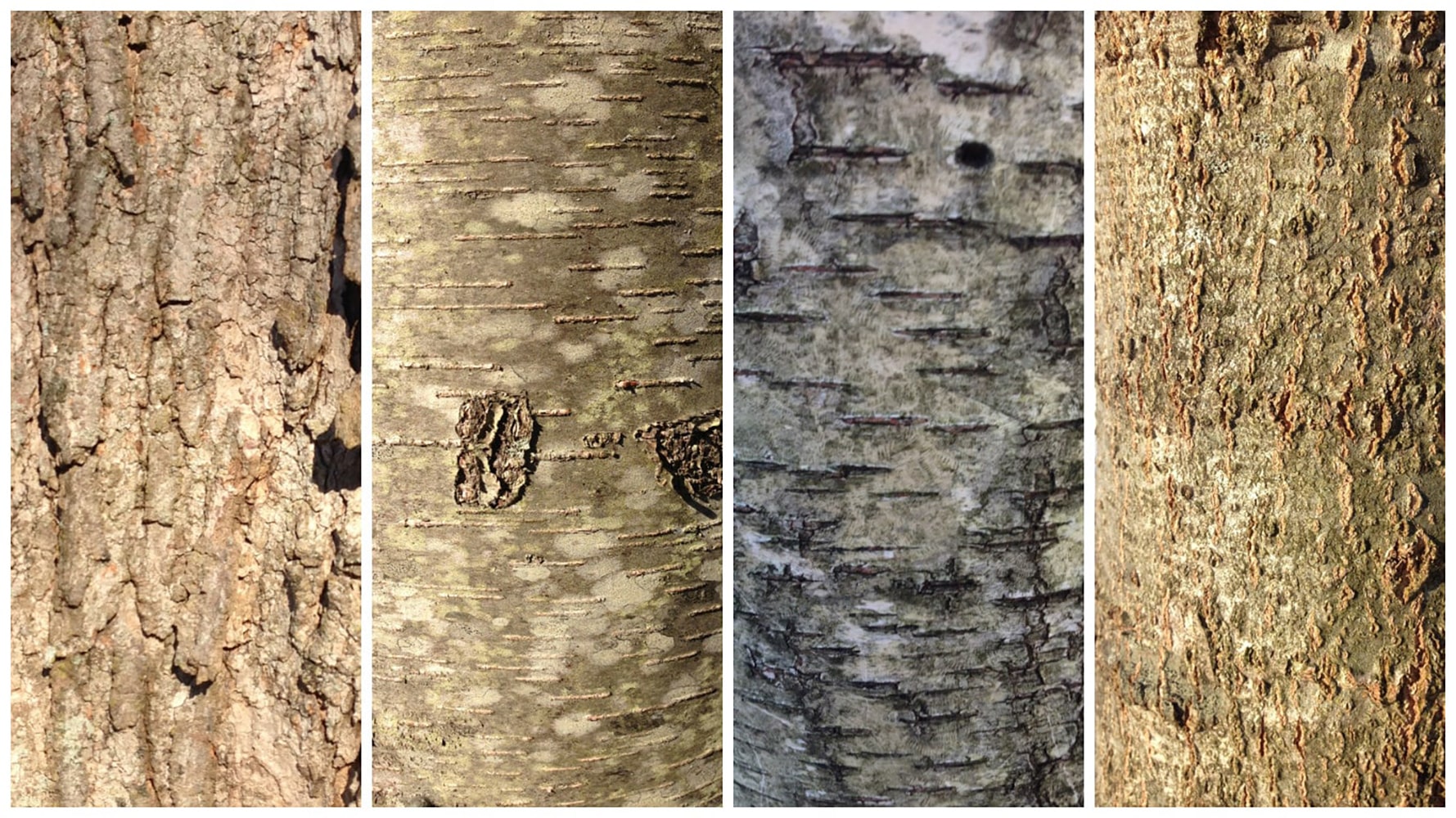
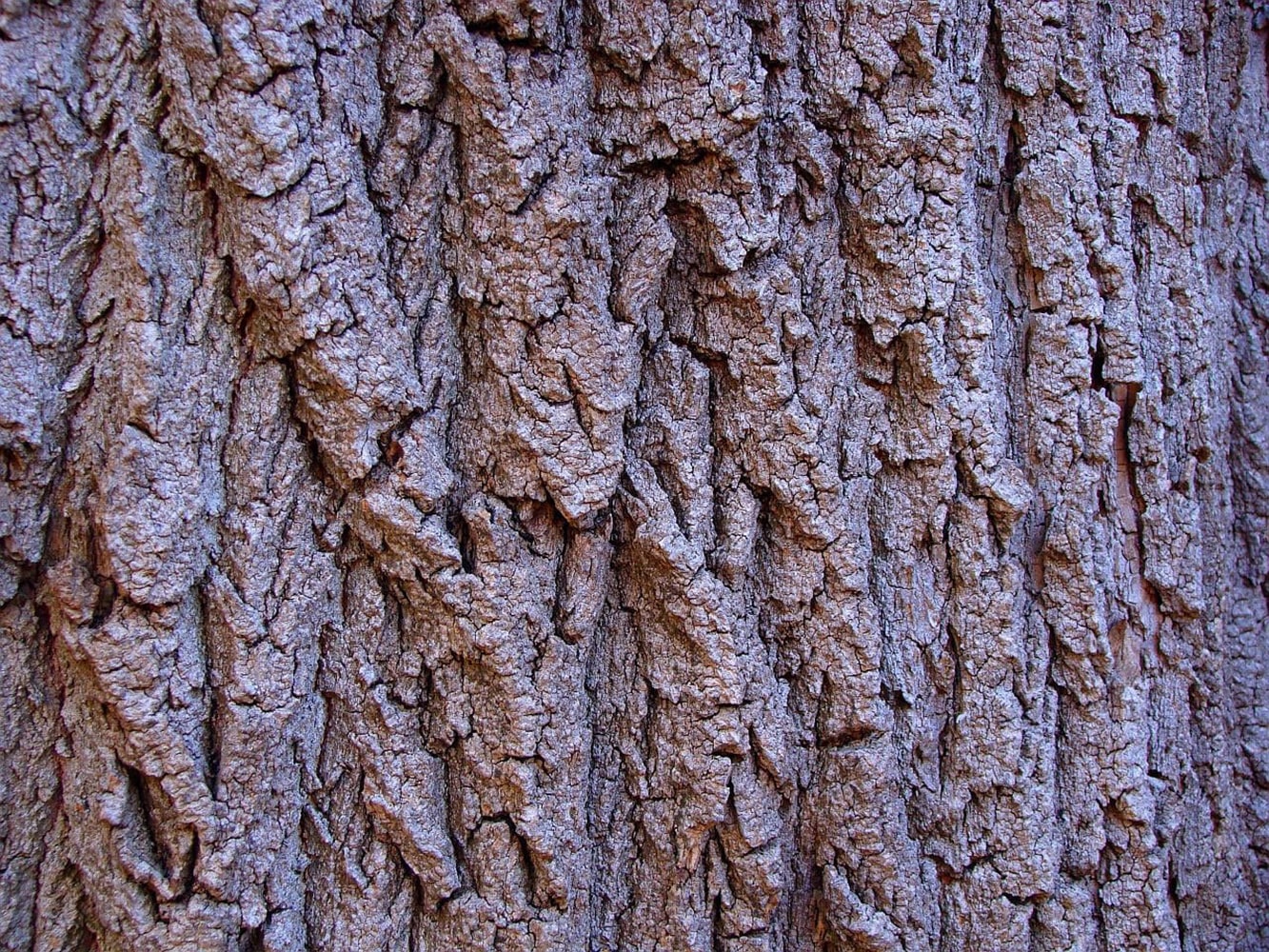
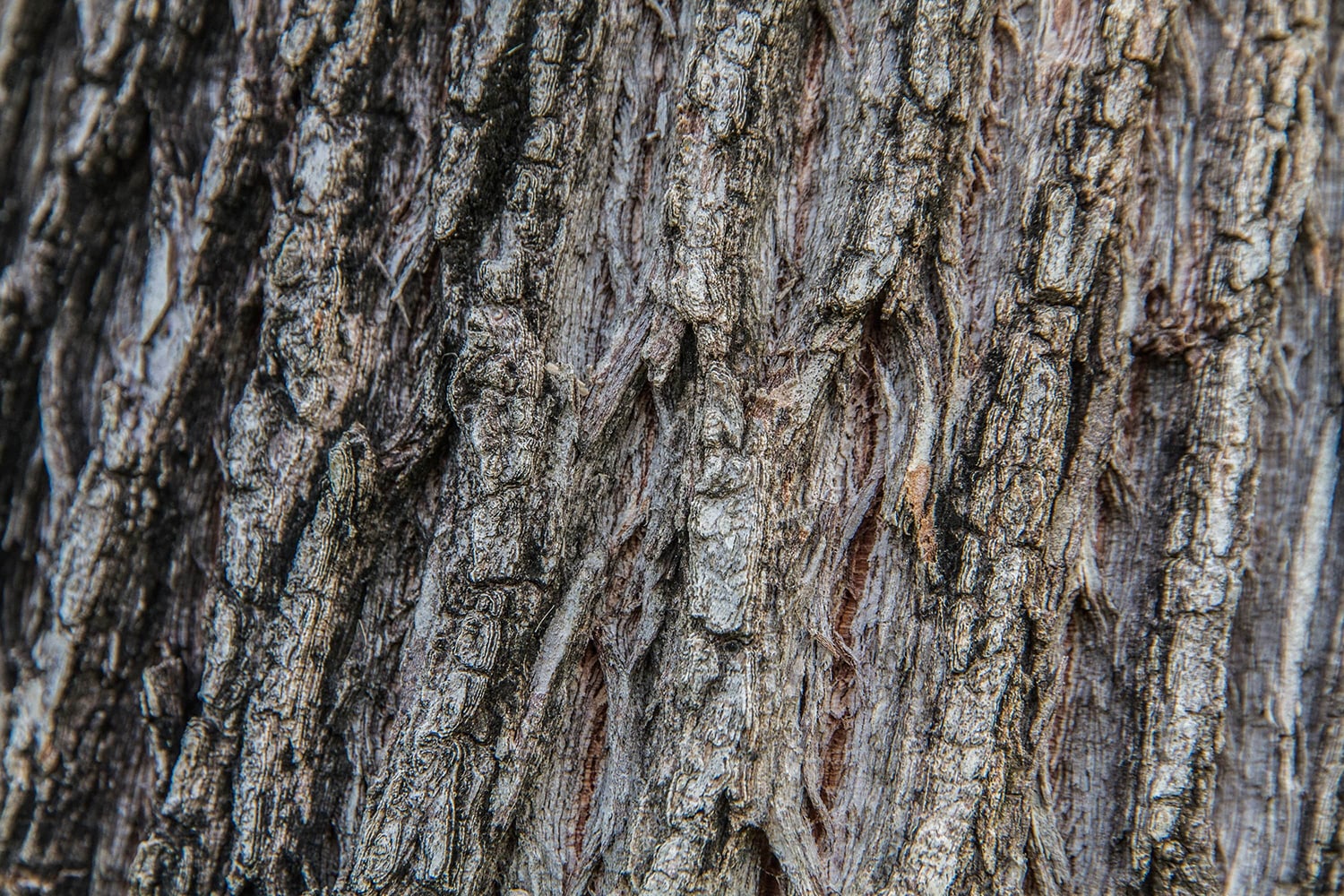
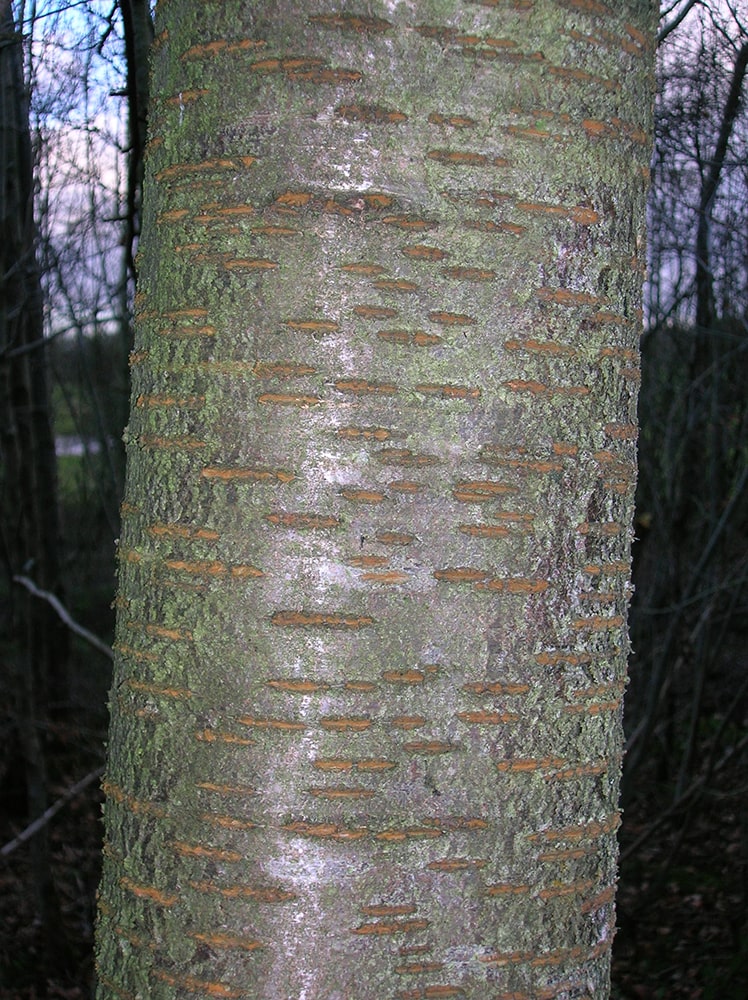
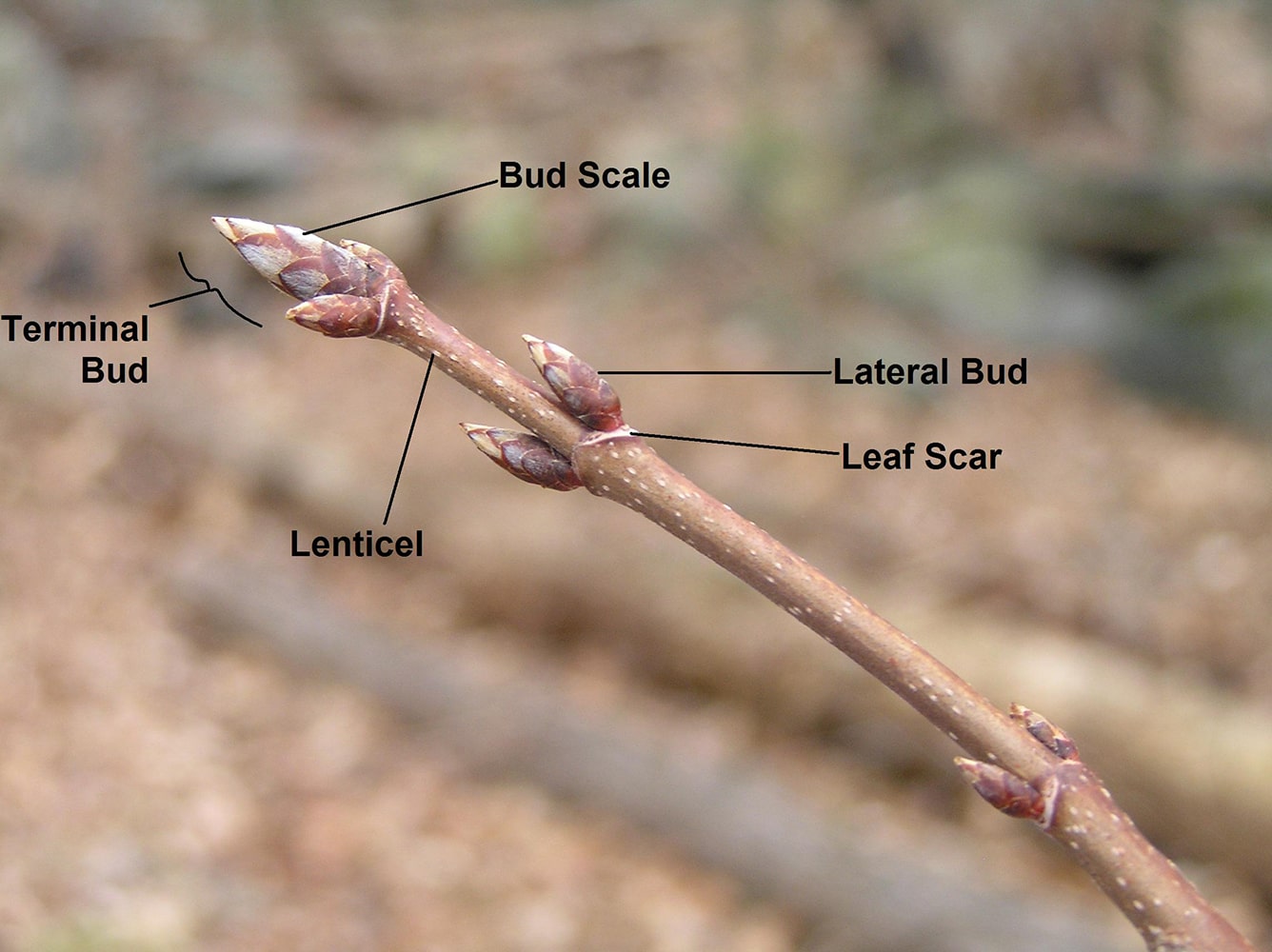
The leaves of the pawpaw are arranged alternately, emit a strong odor when crushed, and turn a vibrant yellow in the fall. Its bark is smooth and dotted with wart-like lenticels. In the spring, the tree blooms with purplish-brown flowers that have six petals. The fruit, which matures from late summer to early fall, measures between 2.5 to 6 inches in length and has a taste and appearance reminiscent of a short, plump banana, making it the largest fruit native to North America. To achieve cross-pollination, it is necessary to have more than one genetic variety.
Wildlife is particularly fond of pawpaw fruits and often harvests them before humans have the chance.
Regarding diseases, pests, and other plant issues, the pawpaw tree is generally resilient, as it produces natural compounds that deter insect pests, resulting in minimal problems.
For further details on Asimina triloba, additional resources are available.
Asimina triloba 'Allegheny' Feature Summary
Asimina triloba 'Allegheny' Image Gallery