Asimina triloba 'Potomac': Uses (Ethnobotany)
Early Americans made yellow dye from pulp of the ripened fruit.
Phonetic Spelling:ah-SIH-min-ah try-LO-buh
Genus:Asimina
Species:triloba
Family:Annonaceae
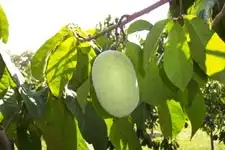
Asimina triloba, commonly referred to as pawpaw, is a small deciduous tree native to North America, reaching heights of 20 to 30 feet. This tree typically thrives in clusters within alluvial or other moist, nutrient-rich forests and can tolerate some shade in the understory; however, it requires full sunlight to produce fruit effectively. It flourishes best in well-drained, slightly acidic, and fertile soil. As a slow-growing species, it takes several years before it begins to bear fruit. The 'Potomac' cultivar is among the larger varieties, characterized by its upright growth and renowned for its sweet fruit, which can weigh up to three-quarters of a pound.
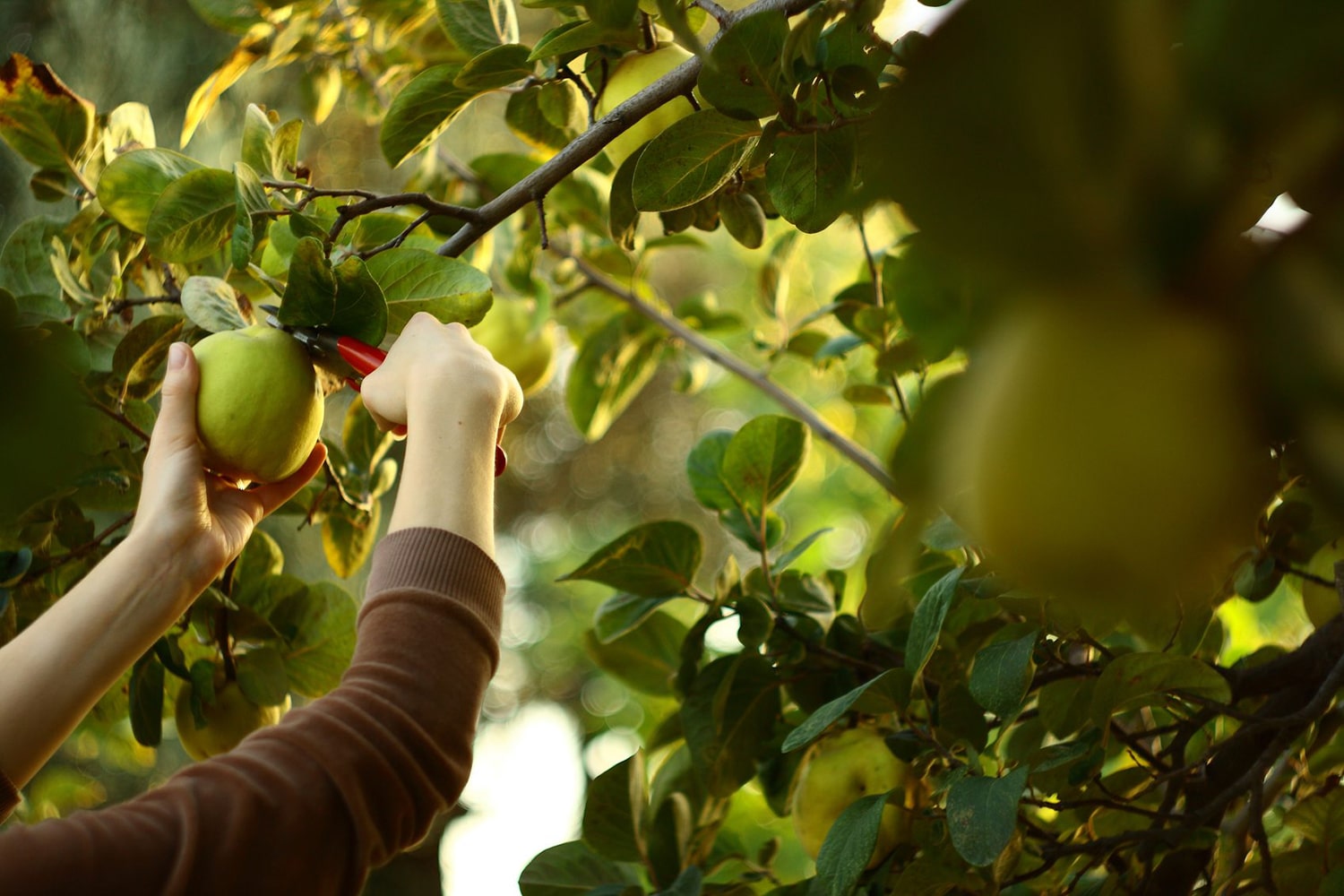
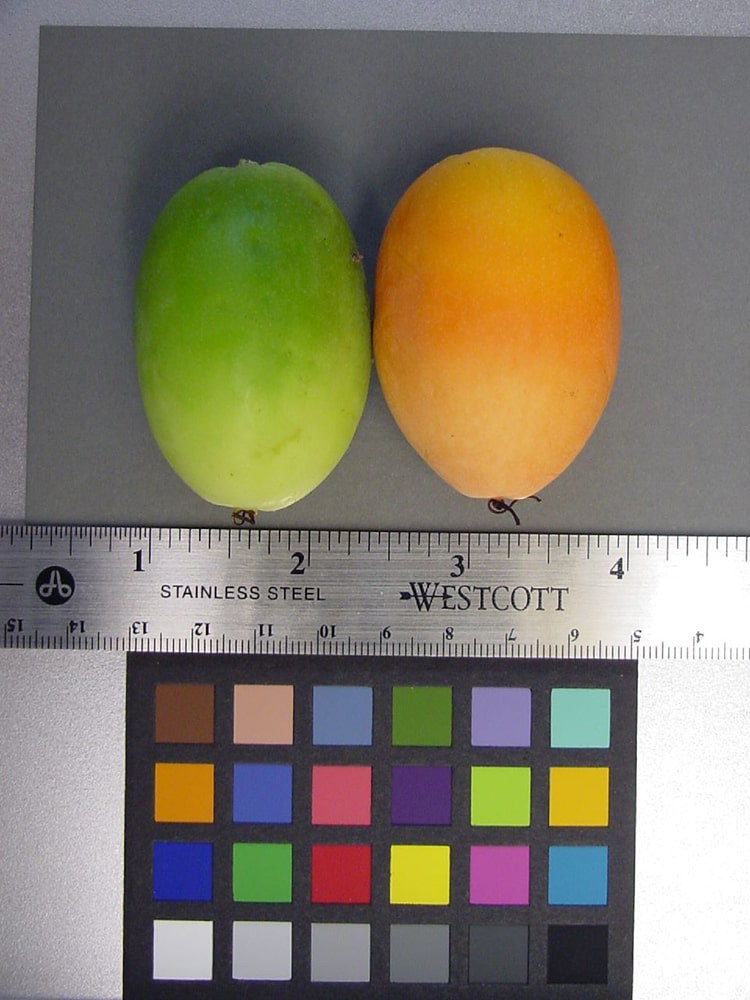
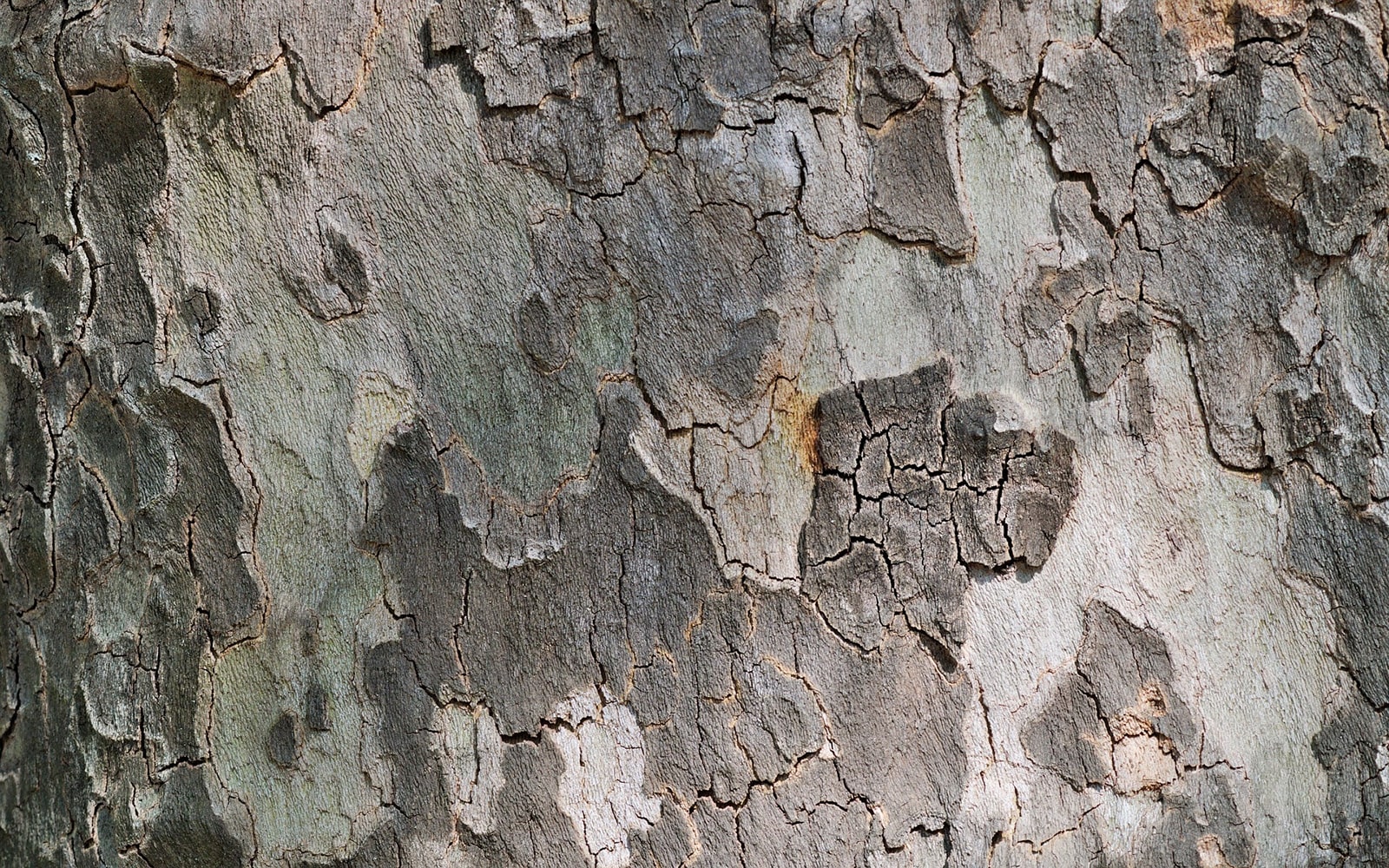
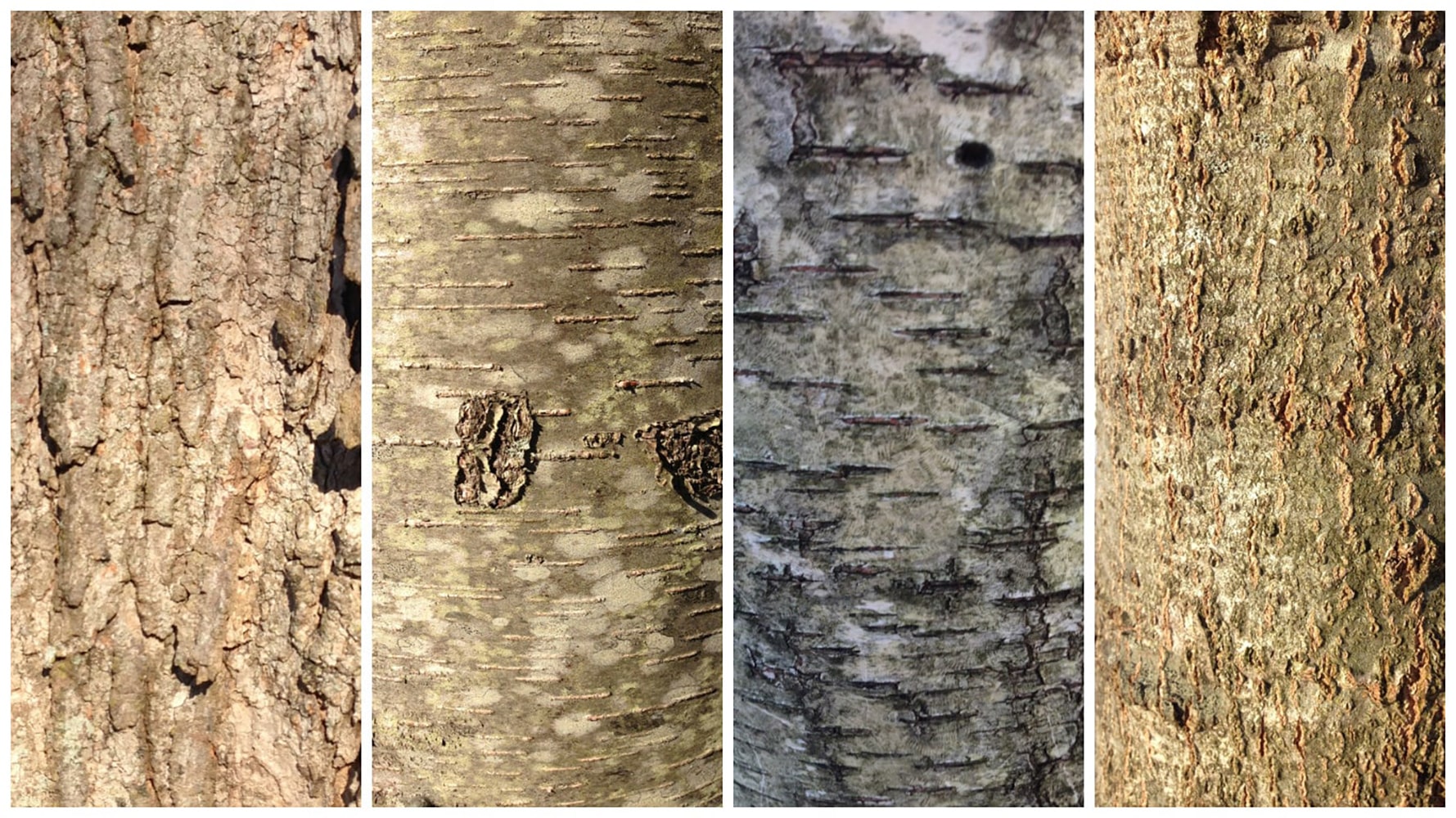
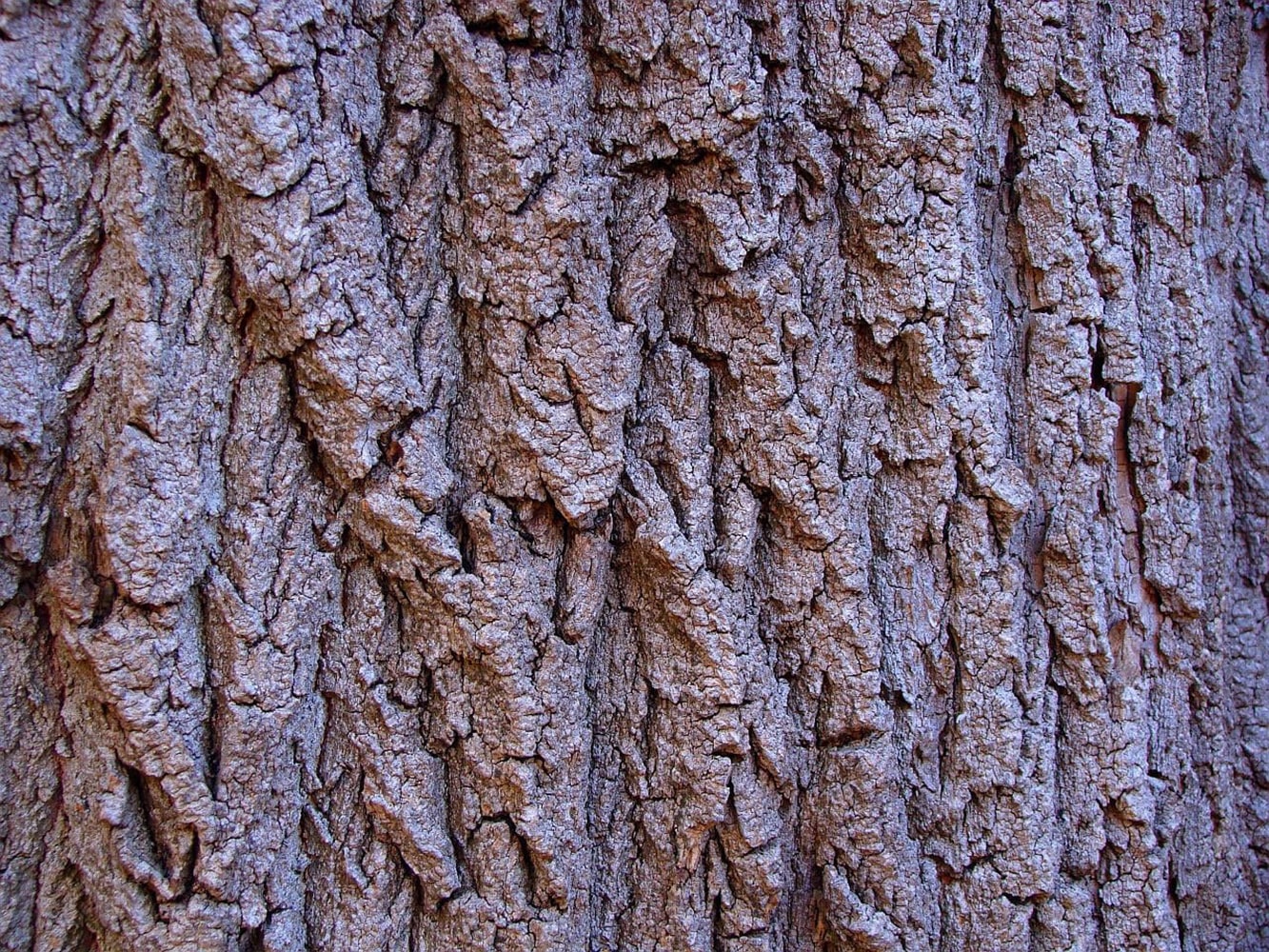
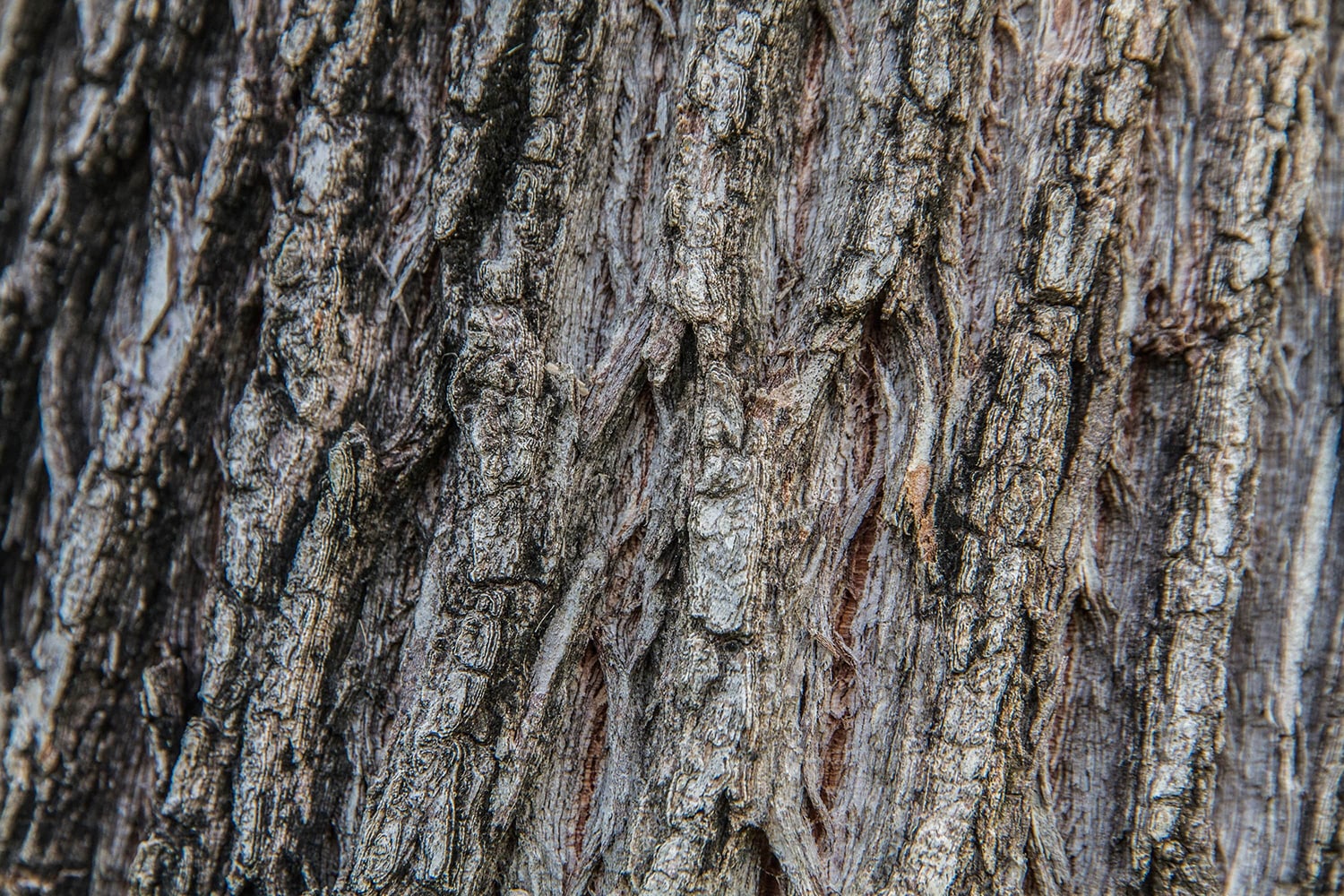
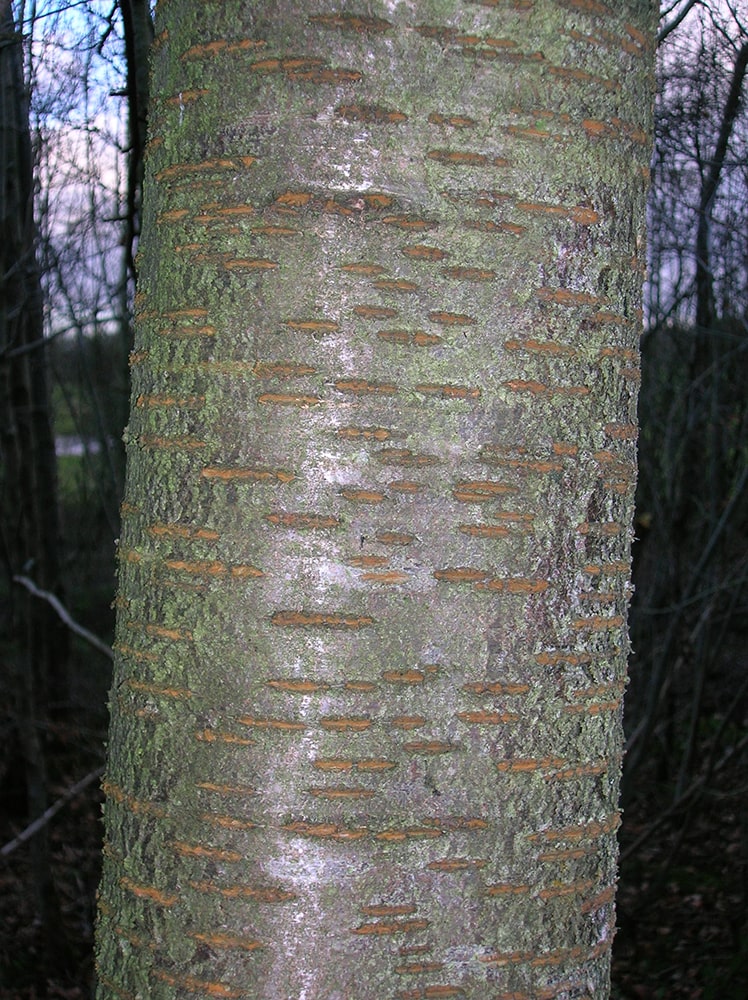
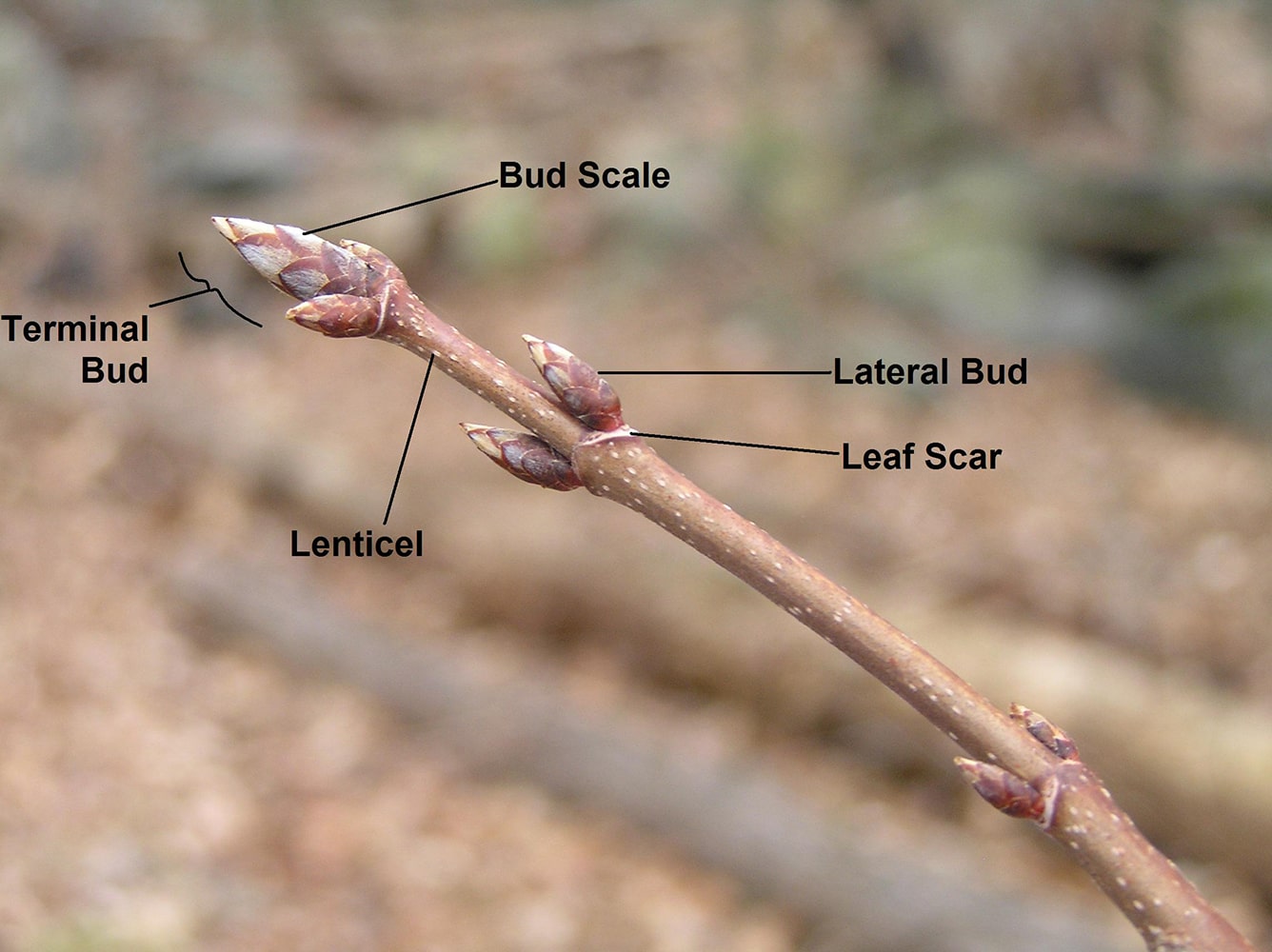
The leaves of the pawpaw are arranged alternately, emit a strong odor when crushed, and turn a vibrant yellow in the fall. Its bark is smooth and features wart-like lenticels. In the spring, the tree produces purplish-brown flowers with six petals. The fruit, which matures from late summer to early fall, measures between 2.5 to 6 inches in length and resembles a short, plump banana in both size and flavor, making it the largest fruit native to North America. To achieve cross-pollination, it is necessary to have more than one genetic variety.
Wildlife is particularly fond of the pawpaw fruit and often harvests it before humans can.
Regarding diseases, insect pests, and other plant issues, the pawpaw tree is generally resilient, as it produces self-defensive compounds that deter most insect pests.
For further details on Asimina triloba, please refer to additional resources.
Asimina triloba 'Potomac' Feature Summary
Asimina triloba 'Potomac' Image Gallery