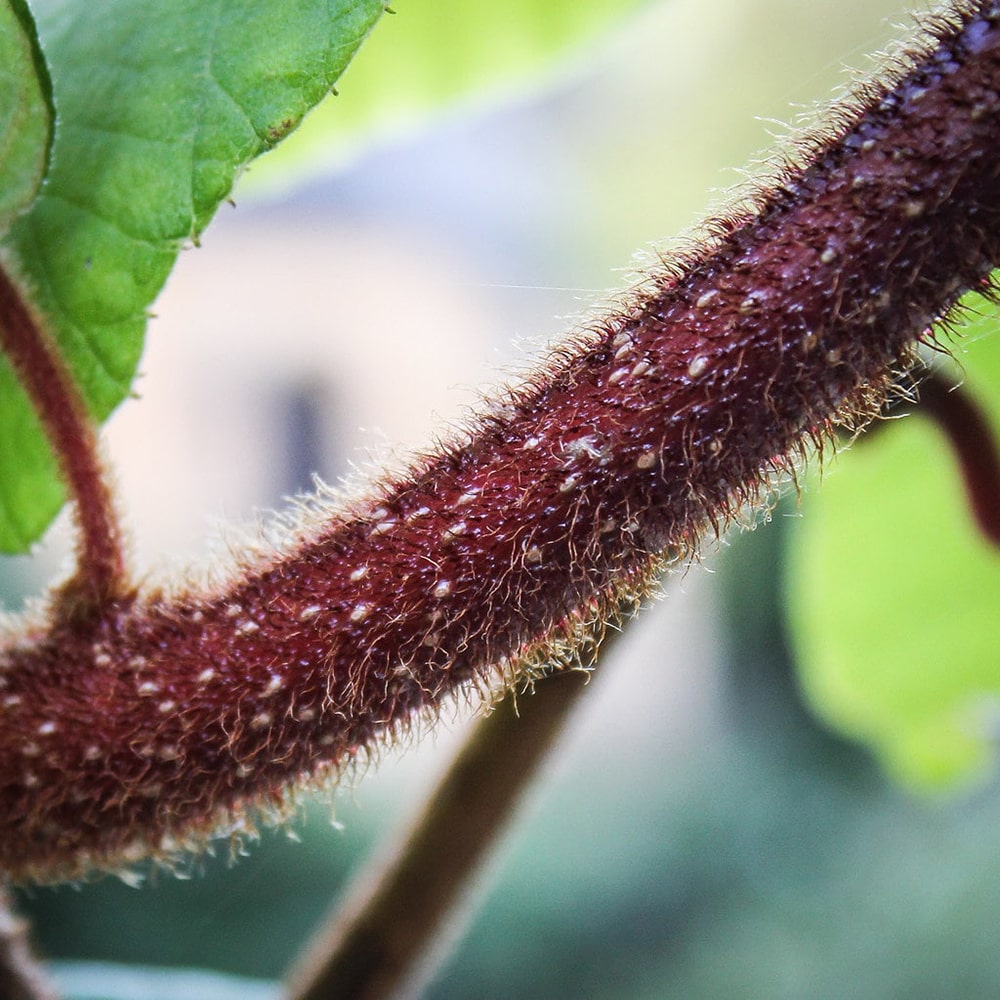
Plant Profile: Aucuba japonica 'Picturata'

Names

Spotted Laurel

  • Photo of Aucuba japonica 'Picturata' (Aucuba japonica 'Picturata's)

Phonetic Spelling:aw-KEW-ba juh-PON-ih-kuh

Genus:Aucuba

Species:japonica

Family:Garryaceae

This evergreen shrub features a dense, rounded form. The 'Picturata' variety showcases striking yellow centers on its leaves, accented by speckles of yellow along the green edges. However, it has a tendency to revert to solid green foliage, so it's advisable to promptly prune any stems that lose their variegation to promote the growth of the colorful leaves. This plant can thrive indoors, particularly in cooler environments.

In terms of pests and diseases, indoor varieties may be affected by spider mites, while outdoor specimens can encounter issues with scale, nematodes, and mealybugs. Additionally, fungal leaf spots and southern blight may arise, and overly wet soil can lead to root rot. The leaves are also vulnerable to windburn and sun-scald, so it's best to position the plant in a sheltered location.


Identification Tips:

Blooms in early spring; features glossy green leaves with a prominent yellow blotch at the center, surrounded by smaller yellow spots; may revert to all-green during the natural aging process of the leaves; provides year-round visual interest; commonly used as a potted plant in northern regions.

It is shade-tolerant, grows slowly, requires organic soil, and may face pest challenges.

For further details on Aucuba japonica, please refer to additional resources.

Aucuba japonica 'Picturata' Feature Summary

Aucuba japonica 'Picturata' Image Gallery

Tags

#evergreen
#houseplant
#purple flowers
#spotted
#interiorscape
#low maintenance
#spring flowers
#winter interest
#interesting leaves
#air pollution tolerant
#hedges
#window boxes
#fall fruits
#screening
#background
#fantz
#patio planting
#fruits winter
#heavy shade tolerant
#container plants

Similar Plants

Aucuba japonica 'Picturata' is often confused with:

Aucuba japonica 'Picturata' Feature Summary

Fruit
Red berry-like ellipsoid drupe 1/2" long and wide. They ripen in the fall and often remain on the plant until spring.
Red/Burgundy
Fall
Winter
Spring
< 1 inch
Flowers
Purple-maroon 4-petals 4-sepals cross-shaped with white anthers bloom in early spring. Not particularly showy and tiny. Dioecious (male and female flowers on separate plants) with the male flowers in terminal cymes or panicles 4 1/2” long. Female flowers are shorter and appear in leaf axils. Axillary cymose panicle, to 1 1/2-2 3/4".
Purple/Lavender
Red/Burgundy
4-5 petals/rays
< 1 inch
Leaves
Opposite, simple, elliptic-ovate to elliptic-lanceolate, dentate, dark green, centrally blotched with gold.
Gray/Silver
Gold/Yellow
Variegated
Elliptical
Ovate
Lanceolate
Stem
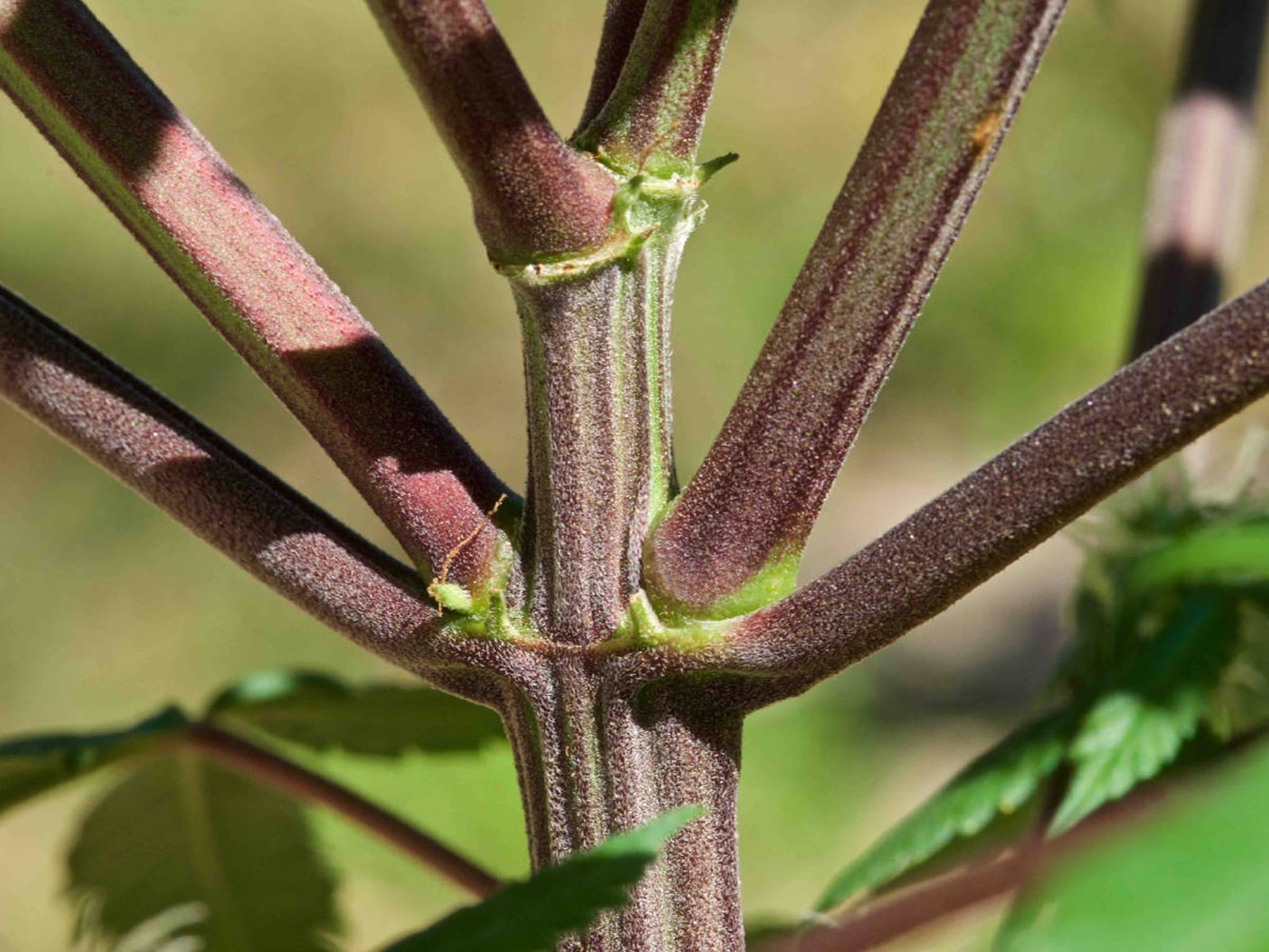
Succulent, green, glabrous and waxy, shield-shaped leaf scars connected by transverse stipular scar.
Whole Plant Traits
Cultural Conditions
Full sun (6 or more hours of direct sunlight a day)
Partial Shade (Direct sunlight only part of the day, 2-6 hours)
Deep shade (Less than 2 hours to no direct sunlight)
Landscape
Winter Garden
Hedge
Screen/Privacy
Pollution
Heavy Shade
Container
Patio
Houseplants

Aucuba japonica 'Picturata' Fruit

Aucuba japonica 'Picturata': Fruit Description

Red berry-like ellipsoid drupe 1/2" long and wide. They ripen in the fall and often remain on the plant until spring.

Aucuba japonica 'Picturata': Fruit Type

Achene
Aggregate
Berry
Capsule
Caryopsis
Drupe
Follicle
Legume
Nut
Pome
Samara
Schizocarp
Siliqua

Aucuba japonica 'Picturata': Fruit Color

grass
Red/Burgundy

Aucuba japonica 'Picturata': Display/Harvest Time

Fall
Spring
Summer
Winter

Aucuba japonica 'Picturata': Fruit Length

< 1 inch
1-3 inches
> 3 inches

Aucuba japonica 'Picturata': Fruit Width

< 1 inch
1-3 inches
> 3 inches

Aucuba japonica 'Picturata' Flowers

Aucuba japonica 'Picturata': Flower Description

Purple-maroon 4-petals 4-sepals cross-shaped with white anthers bloom in early spring. Not particularly showy and tiny. Dioecious (male and female flowers on separate plants) with the male flowers in terminal cymes or panicles 4 1/2” long. Female flowers are shorter and appear in leaf axils. Axillary cymose panicle, to 1 1/2-2 3/4".

Aucuba japonica 'Picturata': Flower Color

filter_vintage
Purple/Lavender
filter_vintage
Red/Burgundy

Aucuba japonica 'Picturata': Flower Inflorescence

Catkin
Corymb
Cyme
Head
Insignificant
Panicle
Raceme
Solitary
Spadix
Spike
Umbel

Aucuba japonica 'Picturata': Flower Bloom Time

Winter
Spring
Summer
Fall

Aucuba japonica 'Picturata': Flower Petals

2-3 rays/petals
4-5 petals/rays
6 petals/rays
7 - 20 petals/rays
asymmetrical petals
Bracts
Colored Sepals
fused petals
more than 20 petals/rays
Tepals

Aucuba japonica 'Picturata': Flower Shape

Bell
Cross
Crown
Cup
Dome
Funnel
Irregular
Lipped
Radial
Saucer
Star
Trumpet
Tubular
Urn
Wheel

Aucuba japonica 'Picturata': Flower Size

1-3 inches
3-6 inches
< 1 inch
> 6 inches

Aucuba japonica 'Picturata' Leaves

Aucuba japonica 'Picturata': Leaf Description

Opposite, simple, elliptic-ovate to elliptic-lanceolate, dentate, dark green, centrally blotched with gold.

Aucuba japonica 'Picturata': Woody Plant Leaf Characteristics

Broadleaf Evergreen
Deciduous
Needled Evergreen
Semi-evergreen

Aucuba japonica 'Picturata': Leaf Color

spa
Gold/Yellow
spa
Gray/Silver
spa
Variegated

Aucuba japonica 'Picturata': Leaf Type

Compound (Pinnately , Bipinnately, Palmately)
Fronds
Needles
Sheath
Simple

Aucuba japonica 'Picturata': Leaf Arrangement

Alternate
Opposite
Other/more complex
Rosulate
Whorled

Aucuba japonica 'Picturata': Leaf Shape

Acicular
Auriculate
Cordate
Cuneate
Deltoid
Elliptical
Filiform
Lanceolate
Linear
Oblanceolate
Oblong
Obovate
Obtuse
Orbicular
Ovate
Palmasect
Palmatifid
Peltate
Pinnatifid
Pinnatisect
Reniform
Rhomboidal
Spatulate
Subcordate
Subulate

Aucuba japonica 'Picturata': Hairs Present

No
Yes

Aucuba japonica 'Picturata': Leaf Value To Gardener

Edible
Fragrant
Good Cut
Good Dried
Long-lasting
Showy

Aucuba japonica 'Picturata' Stem

Aucuba japonica 'Picturata': Stem Description

Succulent, green, glabrous and waxy, shield-shaped leaf scars connected by transverse stipular scar.

Aucuba japonica 'Picturata': Stem Color

grass
Green

Aucuba japonica 'Picturata': Stem Is Aromatic

No
Yes

Aucuba japonica 'Picturata' Whole Plant Traits

Aucuba japonica 'Picturata': Woody Plant Leaf Characteristics

Broadleaf Evergreen
Deciduous
Needled Evergreen
Semi-evergreen

Aucuba japonica 'Picturata': Maintenance

Low
Medium
High

Aucuba japonica 'Picturata' Cultural Conditions

Aucuba japonica 'Picturata': Light

Dappled Sunlight (Shade through upper canopy all day)
Deep shade (Less than 2 hours to no direct sunlight)
Full sun (6 or more hours of direct sunlight a day)
Partial Shade (Direct sunlight only part of the day, 2-6 hours)

Aucuba japonica 'Picturata': Available Space To Plant

12 inches-3 feet
12-24 feet
24-60 feet
3 feet-6 feet
6-feet-12 feet
Less than 12 inches
more than 60 feet

Aucuba japonica 'Picturata': USDA Plant Hardiness Zone

thermostat
7a
thermostat
7b
thermostat
8a
thermostat
8b
thermostat
9a
thermostat
9b

Aucuba japonica 'Picturata' Landscape

Aucuba japonica 'Picturata': Landscape Theme

Asian Garden
Butterfly Garden
Children's Garden
Cottage Garden
Cutting Garden
Drought Tolerant Garden
Edible Garden
English Garden
Fairy Garden
Garden for the Blind
Native Garden
Nighttime Garden
Pollinator Garden
Rain Garden
Rock Garden
Shade Garden
Water Garden
Winter Garden

Aucuba japonica 'Picturata': Design Feature

Accent
Barrier
Border
Flowering Tree
Foundation Planting
Hedge
Mass Planting
Screen/Privacy
Security
Shade Tree
Small groups
Small Tree
Specimen
Street Tree
Understory Tree

Aucuba japonica 'Picturata': Resistance To Challenges

Black Walnut
Compaction
Deer
Diseases
Drought
Dry Soil
Erosion
Fire
Foot Traffic
Heat
Heavy Shade
Humidity
Insect Pests
Pollution
Poor Soil
Rabbits
Salt
Slugs
Squirrels
Storm damage
Urban Conditions
Voles
Wet Soil
Wind

Aucuba japonica 'Picturata': Landscape Location

Coastal
Container
Hanging Baskets
Houseplants
Lawn
Meadow
Naturalized Area
Near Septic
Patio
Pond
Pool/Hardscape
Recreational Play Area
Riparian
Rock Wall
Slope/Bank
Small Space
Vertical Spaces
Walkways
Woodland