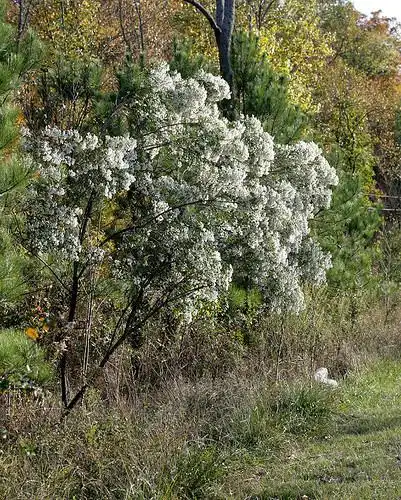
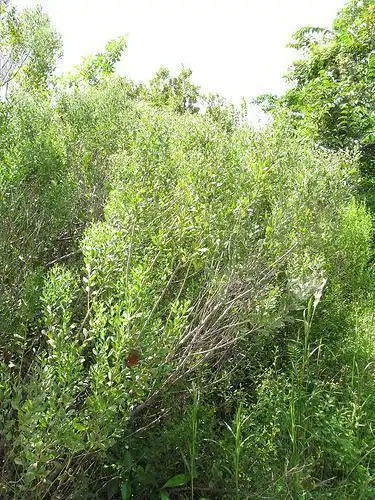
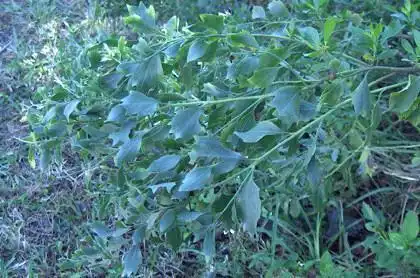
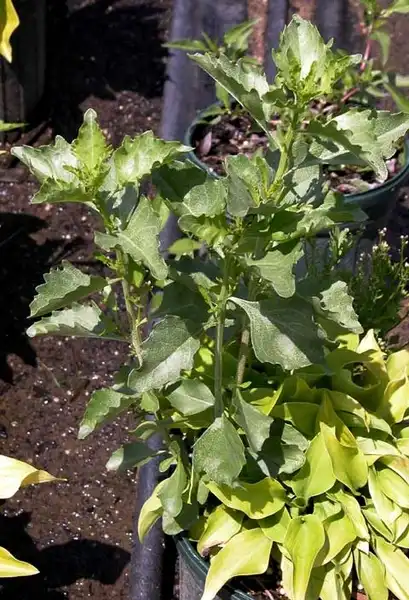
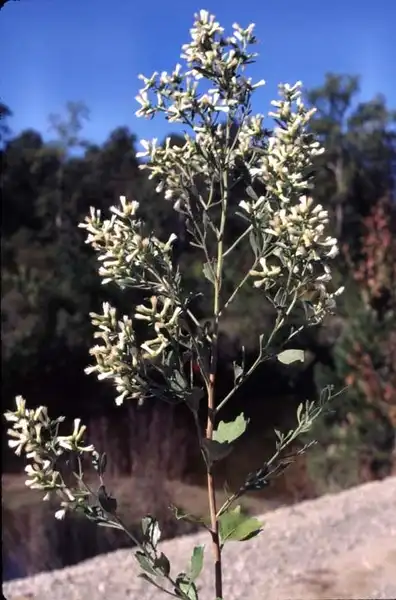
Numerous Baccharis species develop into sizable shrubs or small trees. The groundsel tree, belonging to the Asteraceae (daisy) family, is a native shrub found along the eastern coastal regions of the United States. It typically thrives in salt marshes, sandy areas, wet disturbed sites, alongside roads, and in fields, and is sometimes available in nurseries due to its distinctive foliage and flowering period.
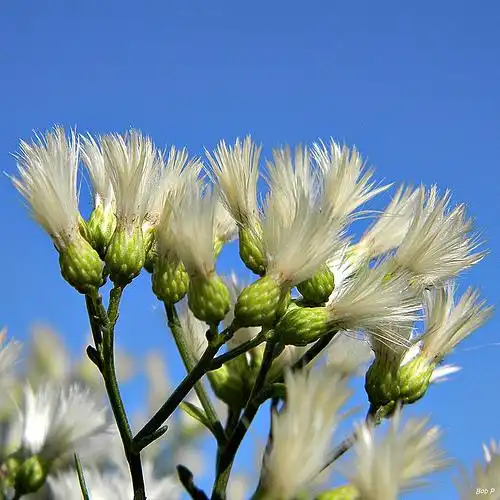
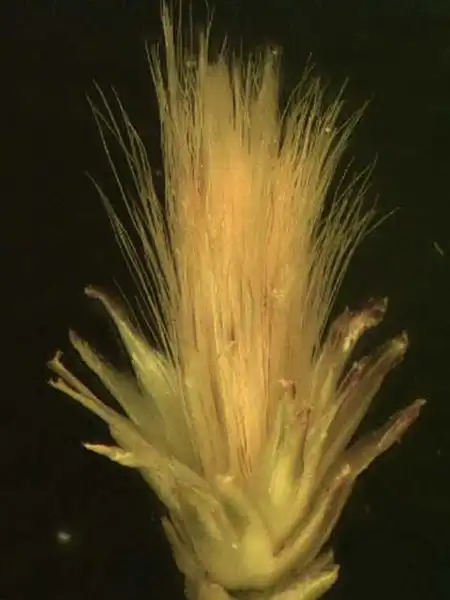
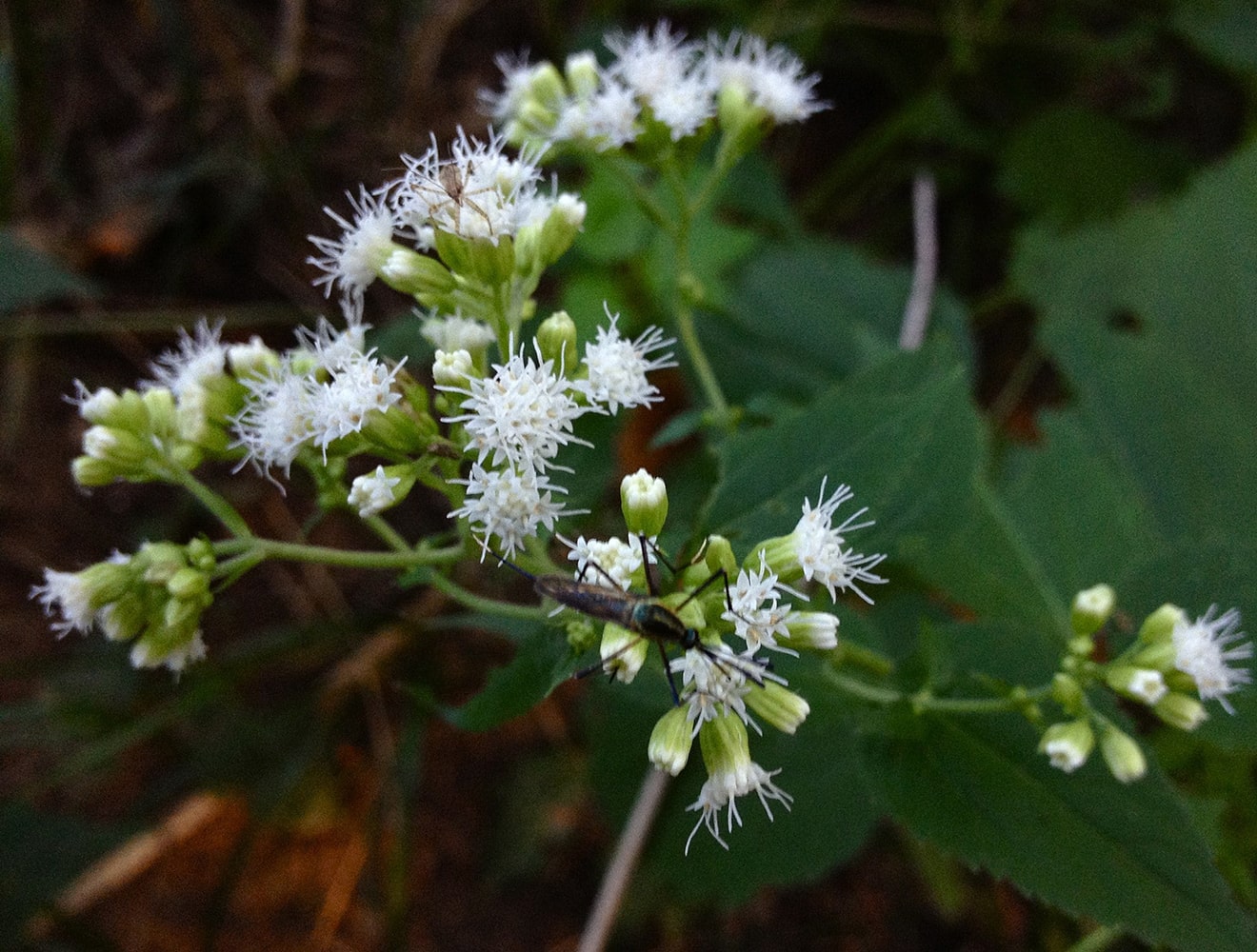
This plant often appears as a multi-trunked specimen with an irregular, open, and airy growth habit that can become leggy over time. As a seedling, it bears a resemblance to lambsquarters. During the fall and winter months, the plants are adorned with clusters of white to cream-colored flower heads. Seeds are released in late fall or winter, but those from the female plant—being dioecious—are toxic. Wind disperses the seeds, which can easily take root in various landscapes during winter, thriving even in shaded conditions, thus contributing to its weedy nature.
It is best to plant this species in full sun to partial shade across a variety of soil types, including those with poor fertility, wet conditions, and dry soils. The groundsel tree is resilient, tolerating heat, drought, waterlogged soils, and salt spray. It can even establish itself in areas following a fire, which underscores its adaptability and weedy characteristics. While not commonly utilized in landscaping, it can serve effectively as a filler or along the periphery of natural spaces.
Baccharis is dioecious, meaning a male pollinator is necessary for the female plants to produce fruit, which are notably attractive. In agricultural or silvicultural contexts, it can exhibit aggressive growth and has been known to spread inland along salted roadways.
In terms of pests, diseases, and other issues, the wood of this plant is brittle. It can become weedy, and if not desired, seedlings are not effectively managed by preemergence herbicides, with limited options for selective postemergence control. The most effective method for removal is to hand-pull the seedlings while they are still small. Additionally, both the seeds of the female plant and the leaves are toxic.