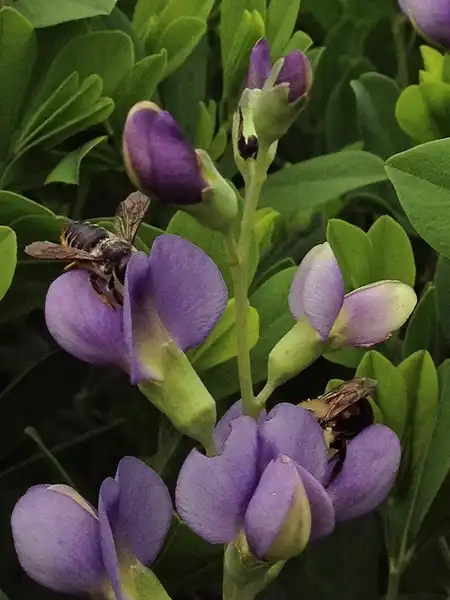
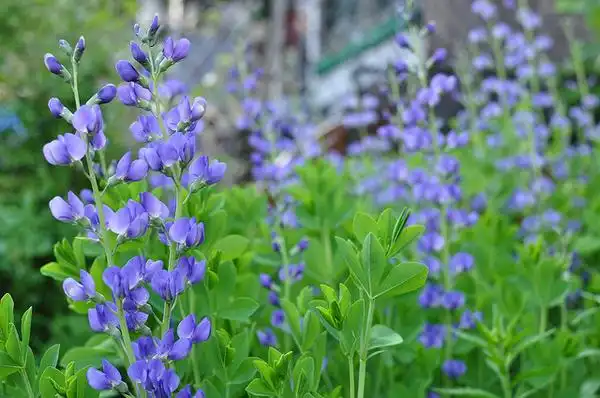
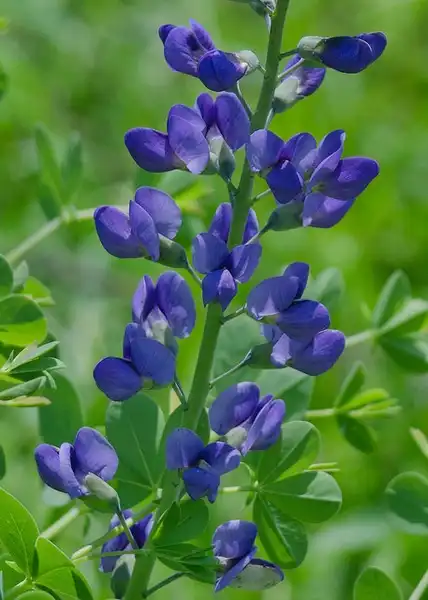
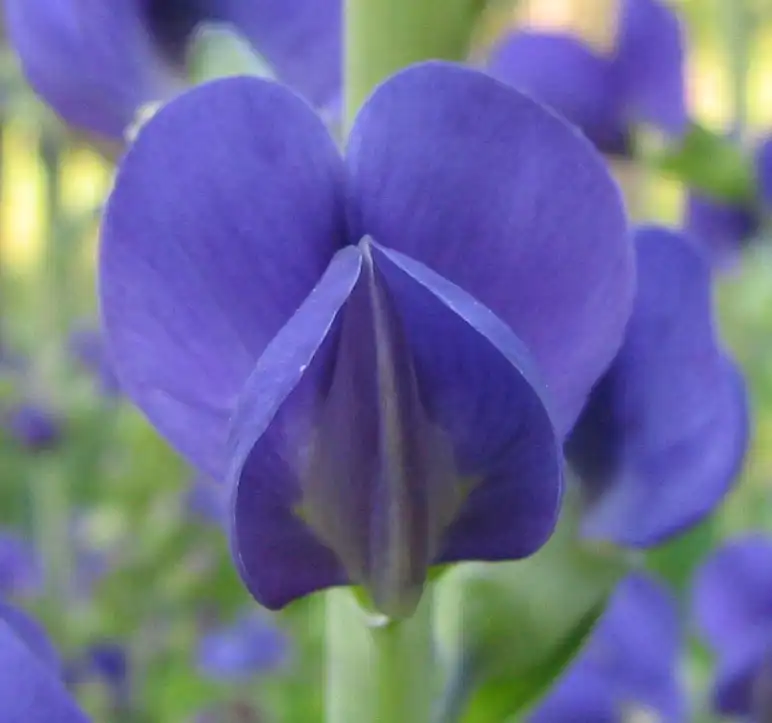
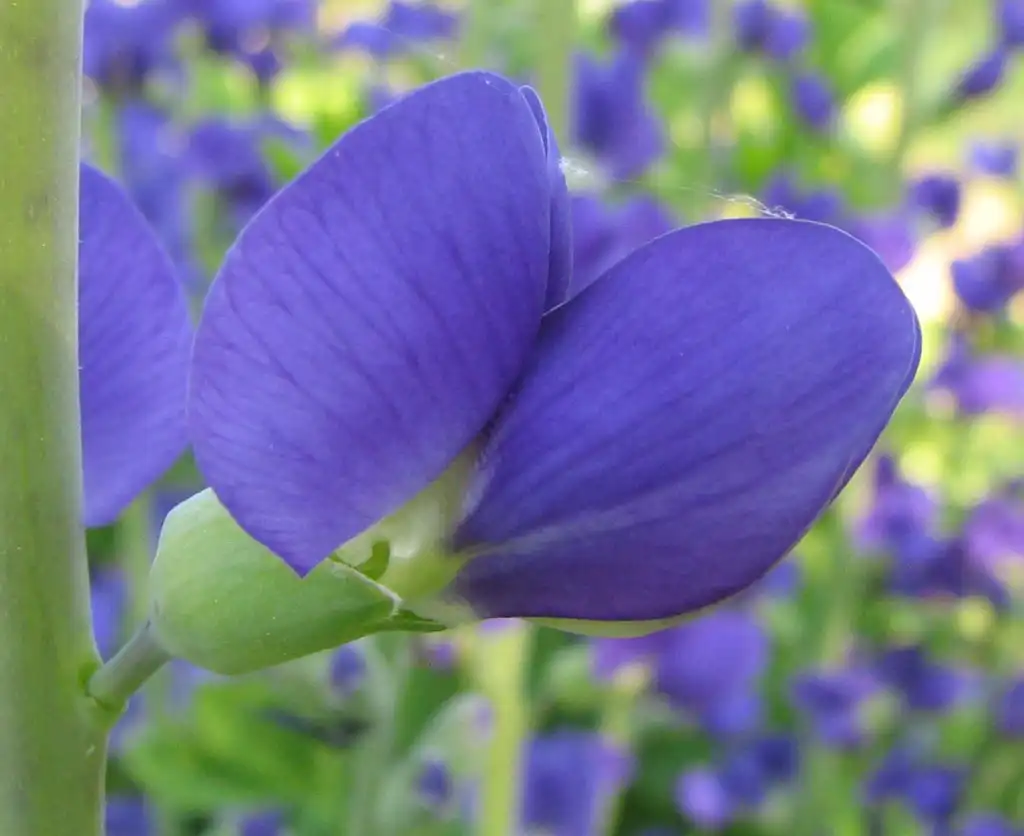
Blue False Indigo is a perennial herb native to the bean family, typically found in forested areas or along woodland edges. This plant reaches heights of 3 to 5 feet and showcases vibrant blue flowers that are a standout feature in spring. It thrives in full sun to partial shade, although it may become leggy and droop if grown in too much shade. Blue False Indigo forms tall clumps that look particularly appealing when placed next to wooden fences. The striking indigo flowers create a beautiful contrast when paired with yellow or white flowering perennials.
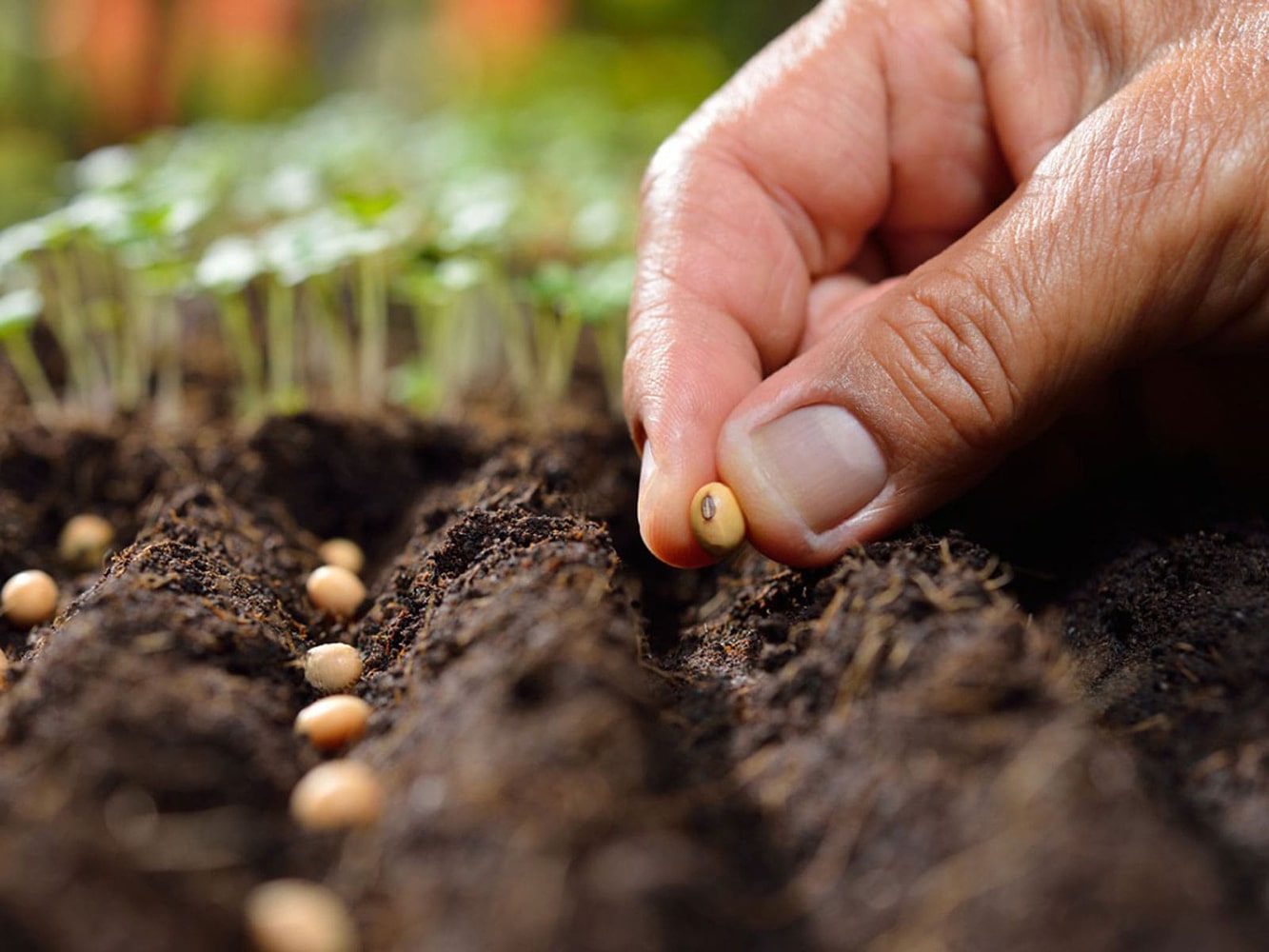
For those seeking a rounded shape without the need for additional support and wishing to prevent seed pod formation, pruning the leaves after flowering but before the seed pods develop is advisable. The most effective way to propagate this plant is by collecting seeds in late summer once they are fully mature and sowing them directly in the desired location, though it may take several years for them to bloom. Alternatively, cuttings taken in April or May can root easily if harvested while the growth is still tender.
This plant was honored as the 1992 NC Wildflower of the Year, a recognition managed by the North Carolina Botanical Garden with support from the Garden Club of North Carolina.
Another option to consider is B. tinctoria, a yellow-flowered species of Baptisia that is also native to the eastern United States and flourishes in warm, sunny gardens.
Fire Risk: This plant has a medium flammability rating.
Seasons of Interest:
- Blooms: Spring
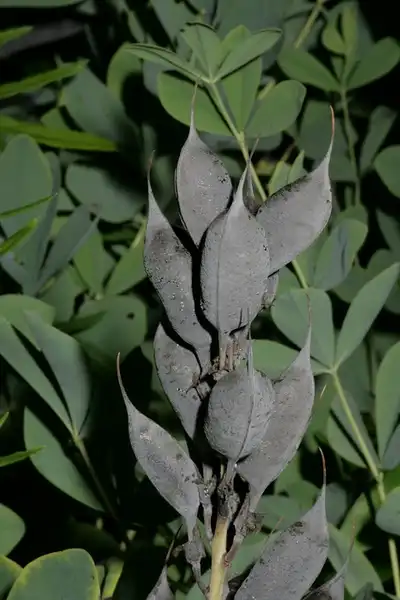
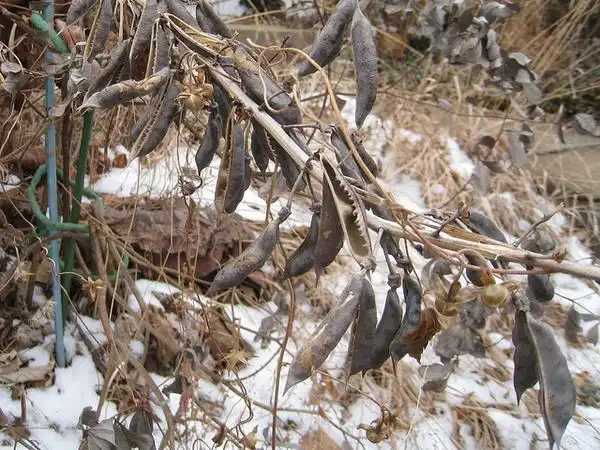
- Nut/Fruit/Seed: Late summer
In terms of pests and diseases, Blue False Indigo is generally resilient, facing no significant issues. However, if the plants grow tall in partial shade, providing support may be beneficial.
For more information on Baptisia, please refer to additional resources.
#showy flowers
#full sun tolerant
#drought tolerant
#wildlife plant
#native perennial
#blue flowers
#salt tolerant
#cottage garden
#rabbit resistant
#erosion control
#showy fruits
#NC native
#dye plant
#deer resistant
#Hoary edge
#Frosted elfin
#long lifespan
#dried arrangements
#poor soils tolerant
#larval host plant
#NC Native Pollinator Plant
#dried fruits
#Wild Indigo Duskywing
#rocky soils tolerant
#clay soils tolerant
#dry soils tolerant
#butterfly friendly
#partial shade tolerant
#HS302
#woodlands
#shallow soil tolerant
#blue dye
#eastern tailed-blue butterfly
#clouded sulphur butterfly
#orange sulphur butterfly
#stormwater demo garden orange co
#NC Wildflower of the Year