Plant Profile: Bassia scoparia

Taxonomy: Bassia scoparia

Names

Burning Bush, Summer Cypress

  • Photo of Bassia scoparia (Bassia scoparias)

Phonetic Spelling:BASS-ee-uh sko-PAIR-ee-uh

Genus:Bassia

Species:scoparia

Family:Amaranthaceae

The Burning Bush is a perennial species originating from Europe and Asia, belonging to the amaranth family. It thrives best when planted in full sunlight and requires moist, well-drained soil rich in organic matter. This plant is known for its ability to naturalize and readily self-seed.

Bassia scoparia Feature Summary

Bassia scoparia Image Gallery

Tags

#low maintenance
#upright form
#self-seeding
#naturalized area
#fall color red

Similar Plants

Bassia scoparia Feature Summary
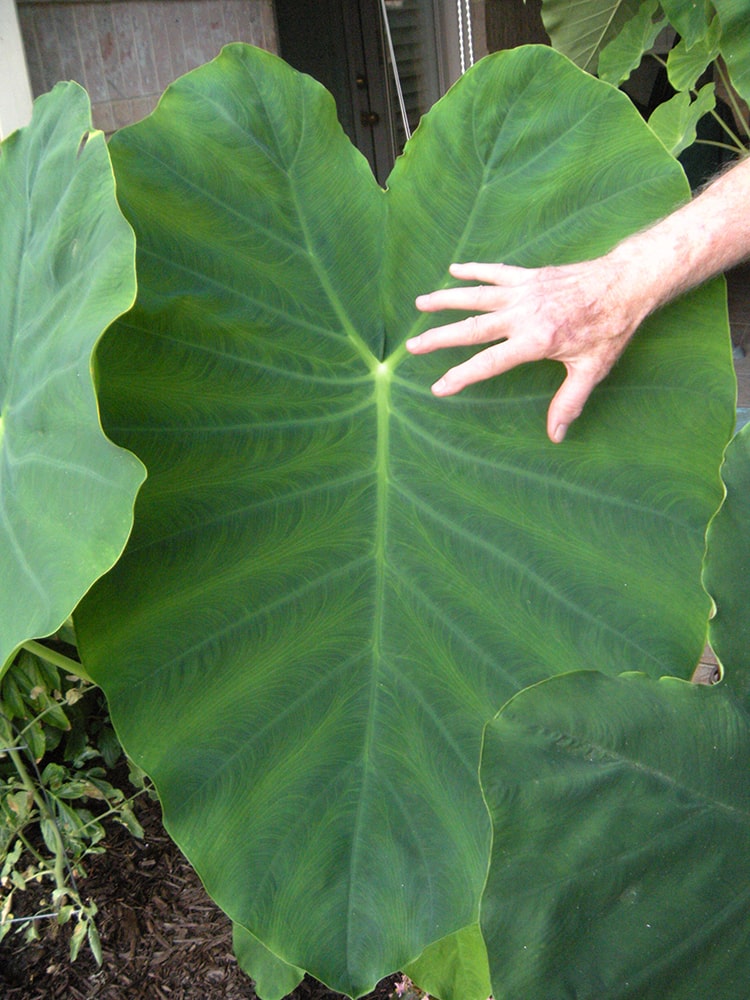
Leaves
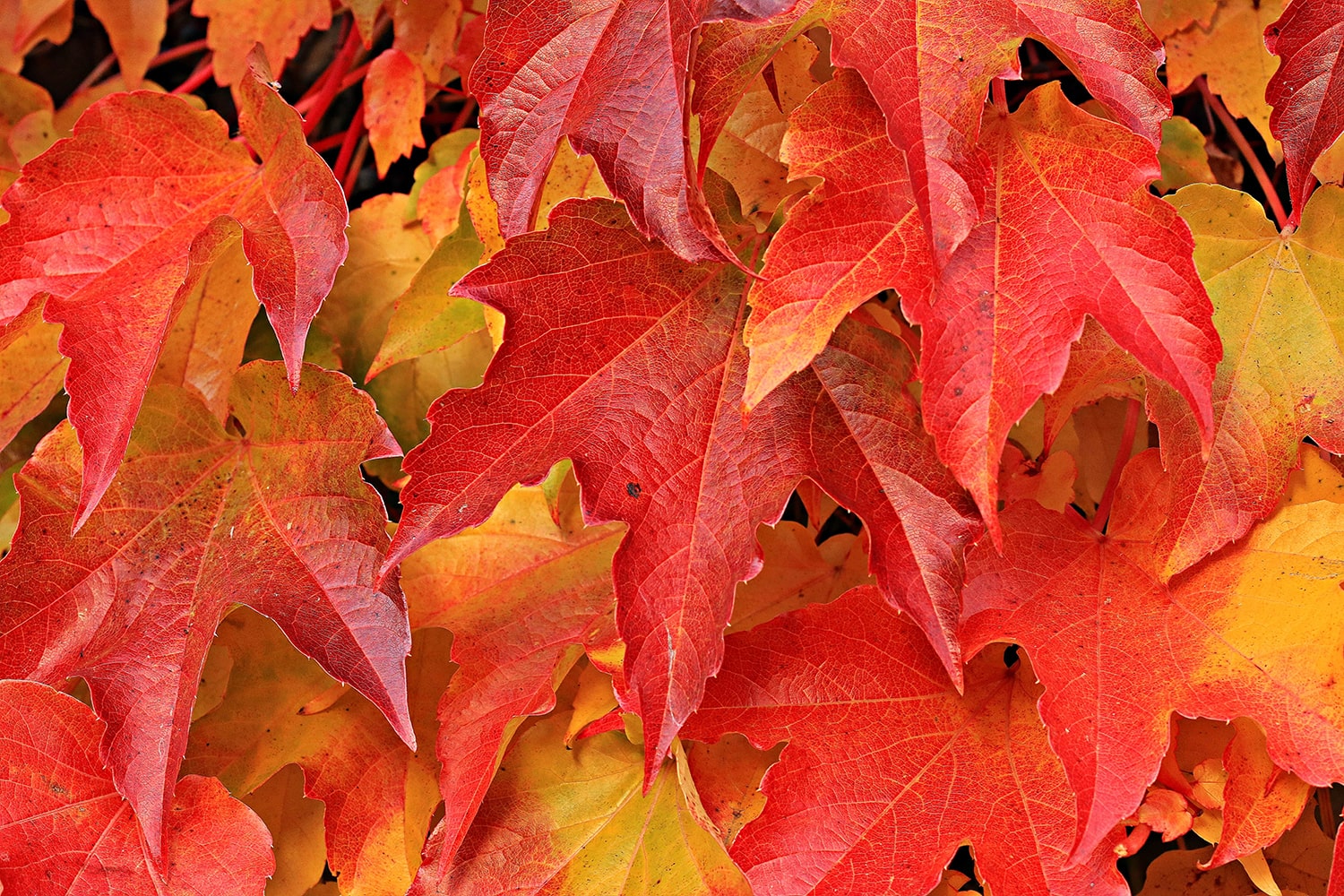
Light green narrow feathery leaves 2"-3" long scarlet red fall color.
1-3 inches
Whole Plant Traits
Cultural Conditions
Full sun (6 or more hours of direct sunlight a day)
Good Drainage
Moist
4a
4b
5b
5a
6a
6b
7a
7b
8b
8a
2a
2b
3a
3b
9a
9b
10a
10b
11a
11b
High Organic Matter
Landscape
Hedge
Screen/Privacy
Small groups
Container
Naturalized Area

Bassia scoparia Attributes

Bassia scoparia: Country Or Region Of Origin

Europe, Asia

Bassia scoparia: Life Cycle

Annual
Biennial
Bulb
Perennial
Woody

Bassia scoparia: Recommended Propagation Strategy

Division
Grafting
Layering
Leaf Cutting
Root Cutting
Seed
Stem Cutting

Bassia scoparia Leaves

Bassia scoparia: Leaf Description

Light green narrow feathery leaves 2"-3" long scarlet red fall color.

Bassia scoparia: Leaf Color

spa
Green

Bassia scoparia: Deciduous Leaf Fall Color

spa
Red/Burgundy

Bassia scoparia: Hairs Present

No
Yes

Bassia scoparia: Leaf Length

< 1 inch
1-3 inches
3-6 inches
> 6 inches

Bassia scoparia: Leaf Feel

Fleshy
Glossy
Leathery
Papery
Prickly
Rough
Rubbery
Slippery
Smooth
Soft
Velvety
Waxy

Bassia scoparia Whole Plant Traits

Bassia scoparia: Plant Type

Annual
Bulb
Carnivorous
Edible
Epiphyte
Fern
Ground Cover
Herb
Herbaceous Perennial
Houseplant
Mushroom
Native Plant
Ornamental Grasses and Sedges
Perennial
Poisonous
Rose
Shrub
Succulent
Tree
Turfgrass
Vegetable
Vine
Water Plant
Weed
Wildflower

Bassia scoparia: Habit/Form

Arching
Ascending
Broad
Cascading
Climbing
Clumping
Columnar
Conical
Creeping
Dense
Erect
Horizontal
Irregular
Mounding
Multi-stemmed
Multi-trunked
Open
Oval
Prostrate
Pyramidal
Rounded
Spreading
Vase
Weeping

Bassia scoparia: Maintenance

Low
Medium
High

Bassia scoparia Cultural Conditions

Bassia scoparia: Light

Dappled Sunlight (Shade through upper canopy all day)
Deep shade (Less than 2 hours to no direct sunlight)
Full sun (6 or more hours of direct sunlight a day)
Partial Shade (Direct sunlight only part of the day, 2-6 hours)

Bassia scoparia: Soil Drainage

Frequent Standing Water
Good Drainage
Moist
Occasional Flooding
Occasionally Dry
Occasionally Wet
Very Dry

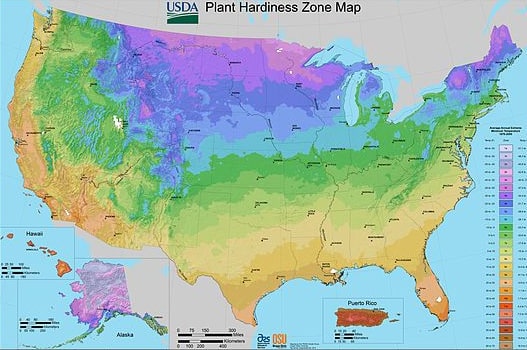
Bassia scoparia: USDA Plant Hardiness Zone

thermostat
10a
thermostat
10b
thermostat
11a
thermostat
11b
thermostat
2a
thermostat
2b
thermostat
3a
thermostat
3b
thermostat
4a
thermostat
4b
thermostat
5a
thermostat
5b
thermostat
6a
thermostat
6b
thermostat
7a
thermostat
7b
thermostat
8a
thermostat
8b
thermostat
9a
thermostat
9b

Bassia scoparia: Soil Texture

Clay
High Organic Matter
Loam (Silt)
Sand
Shallow Rocky

Bassia scoparia Flowers

Bassia scoparia: Flower Color

filter_vintage
Green

Bassia scoparia: Flower Inflorescence

Catkin
Corymb
Cyme
Head
Insignificant
Panicle
Raceme
Solitary
Spadix
Spike
Umbel

Bassia scoparia: Flower Bloom Time

Winter
Spring
Summer
Fall

Bassia scoparia Stem

Bassia scoparia: Stem Is Aromatic

No
Yes

Bassia scoparia Landscape

Bassia scoparia: Design Feature

Accent
Barrier
Border
Flowering Tree
Foundation Planting
Hedge
Mass Planting
Screen/Privacy
Security
Shade Tree
Small groups
Small Tree
Specimen
Street Tree
Understory Tree

Bassia scoparia: Landscape Location

Coastal
Container
Hanging Baskets
Houseplants
Lawn
Meadow
Naturalized Area
Near Septic
Patio
Pond
Pool/Hardscape
Recreational Play Area
Riparian
Rock Wall
Slope/Bank
Small Space
Vertical Spaces
Walkways
Woodland

Bassia scoparia: Problems

Allelopathic
Contact Dermatitis
Frequent Disease Problems
Frequent Insect Problems
Invasive Species
Malodorous
Messy
Poisonous to Humans
Problem for Cats
Problem for Children
Problem for Dogs
Problem for Horses
Short-lived
Spines/Thorns
Weak Wood
Weedy