Begonia cleopatrae: Country Or Region Of Origin
Phillipines
Phonetic Spelling:be-GON-yuh clay-OH-pah-tra
Genus:Begonia
Species:cleopatrae
Family:Begoniaceae
The Begoniaceae family is a vast group of flowering plants, encompassing around 1,500 species and numerous hybrids. These mature begonias can vary significantly in height, ranging from just a few inches to over 12 feet, and they exhibit a wide array of flower types, leaf colors, and sizes.
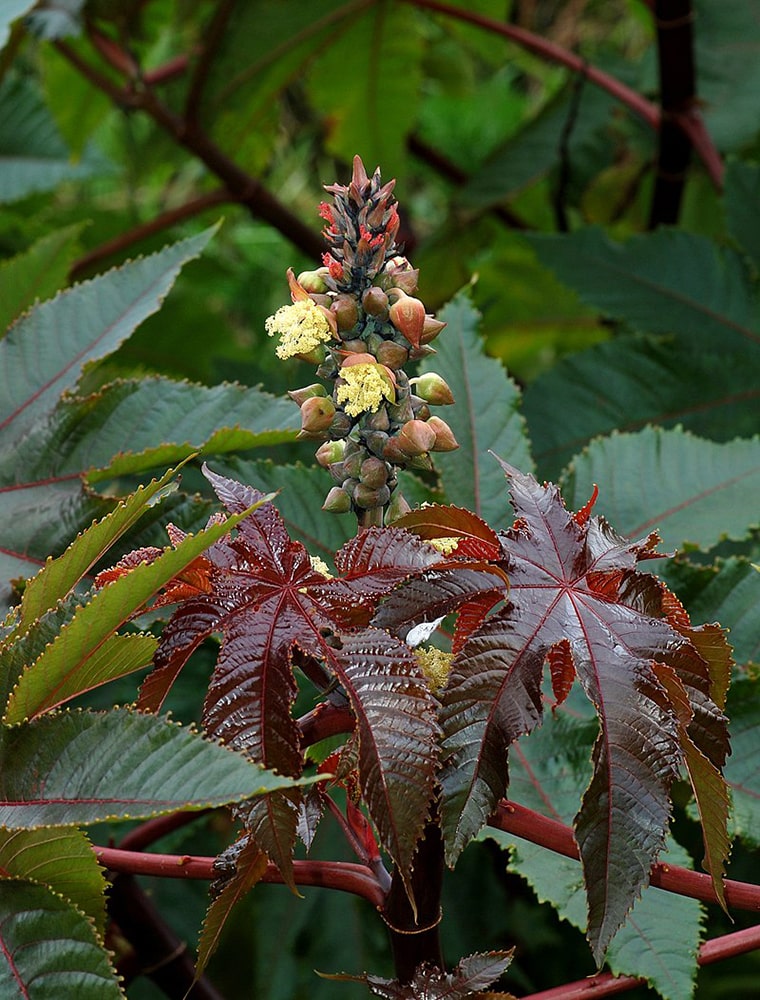
One notable species is Begonia cleopatrae, commonly known as the Mapleleaf Begonia. This small plant is indigenous to the Philippines and is typically cultivated as a houseplant. It features a creeping growth pattern, resulting in a bushy appearance adorned with striking, thick red leaves that have a pale green stripe running down the center.
For optimal growth indoors, this plant thrives in filtered light and should be shielded from cold temperatures. The ideal temperature range is between 60 and 75 degrees Fahrenheit. It is essential to use well-draining soil, as Begonia cleopatrae's roots are sensitive to standing water and can tolerate periods of dryness. This species can serve as a resilient addition to a windowsill or be cultivated in a terrarium, where it may grow faster, although it might produce fewer flowers. Propagation can be achieved through stem or leaf cuttings or by dividing the rhizome.
Regarding plant health, there are no significant issues reported. To prevent fungal diseases, it is advisable to remove any dead leaves. However, the plant can be vulnerable to root rot and botrytis if overwatered.
Begonia cleopatrae Feature Summary
Begonia cleopatrae Image Gallery