Brodiaea: Country Or Region Of Origin
Western coast of North America
Phonetic Spelling:broh-dee-EYE-ah
Genus:Brodiaea
Species:
Family:Asparagaceae
Brodiaea is a genus of herbaceous perennials that originate from bulbs or tubers, encompassing approximately 17 species. Throughout its history, this genus has undergone various classifications, often being grouped with Dichelostemma and Triteleia, leading to Brodiaea sometimes being used as a collective term for all three.
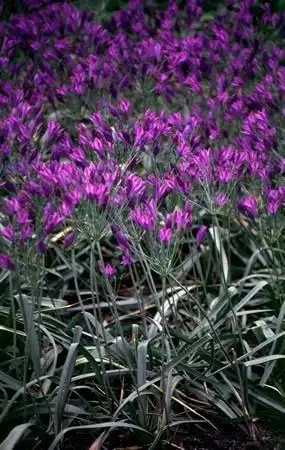
Typically reaching a height of around 20 inches, Brodiaea features grass-like leaves and bare stems adorned with clusters of blue to purple flowers. While the plant thrives in full sunlight, it can tolerate up to 25% shade during the day. Optimal growth occurs in well-drained soil under full sun conditions, although flowering may be limited in shaded areas. Brodiaea is adaptable to both moist and dry conditions, flourishing in damp soil during spring and winter while enduring relative dryness in summer. Its fragrant blooms also make it an excellent choice for cut flowers. However, the plant is not very cold-resistant, suffering damage when temperatures drop below 23 degrees Fahrenheit, and it benefits from a layer of mulch during winter.
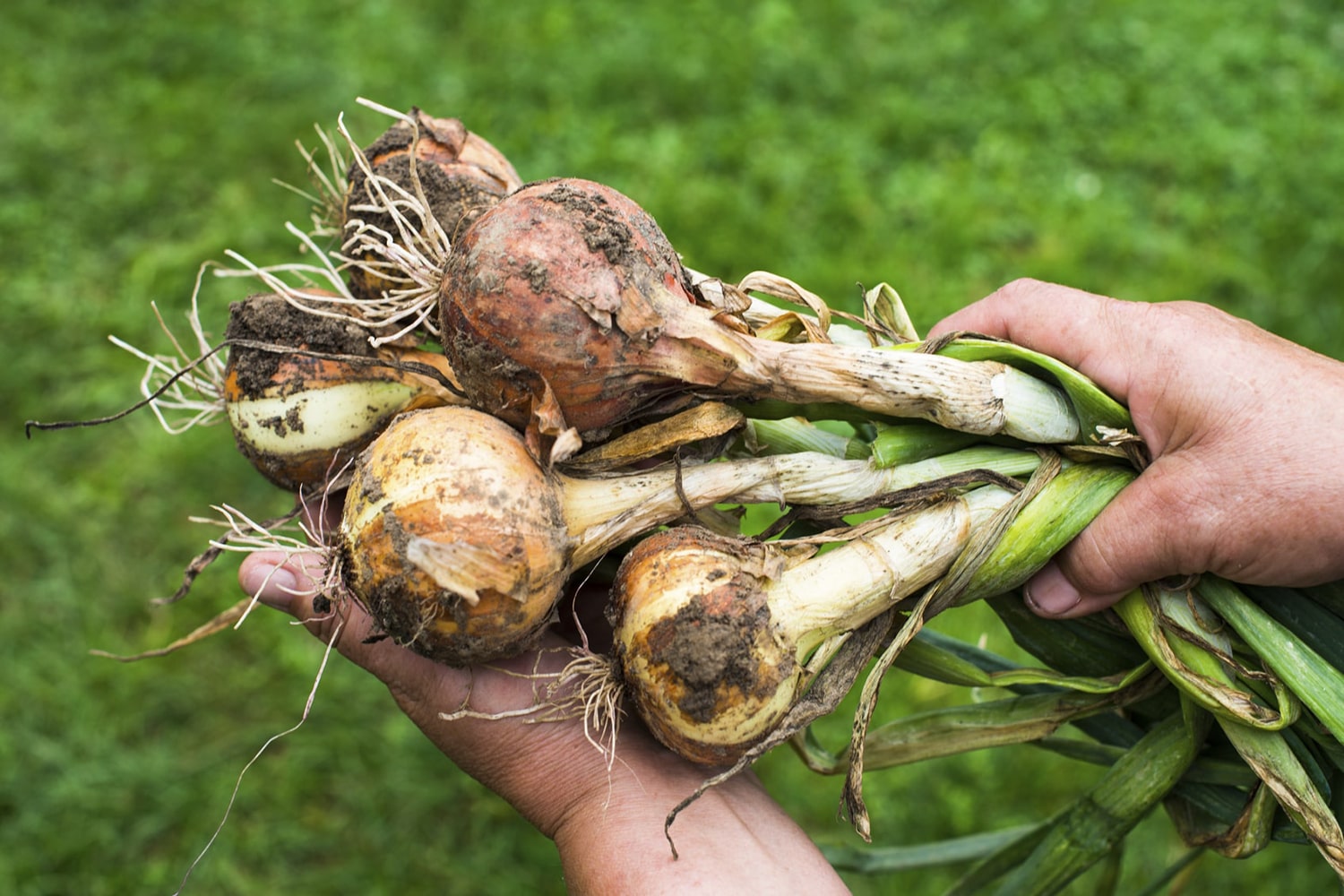
For propagation from seed, plant them 1/4 inch deep and thin to maintain 3 to 5 seedlings, keeping in mind that flowers may not appear for 2 to 3 years. The most prevalent method of propagation is through bulbs. To cultivate from bulbs, harvest mature corms in the fall, divide them, and store in a dry environment at temperatures between 70 and 77 degrees Fahrenheit. In spring, plant the corms 5 inches deep and space them 3 to 4 inches apart.
As for diseases, pests, and other potential issues, there are currently no known problems associated with this plant.