Tritonia: Country Or Region Of Origin
Southern Africa
Phonetic Spelling:try-TOH-nee-uh
Genus:Tritonia
Species:
Family:Iridaceae
Tritonia is a small, bulbous flowering plant belonging to the iris family, indigenous to South Africa. Often cultivated as an annual, it thrives in its natural environment, which consists of dry clay flats and slopes.
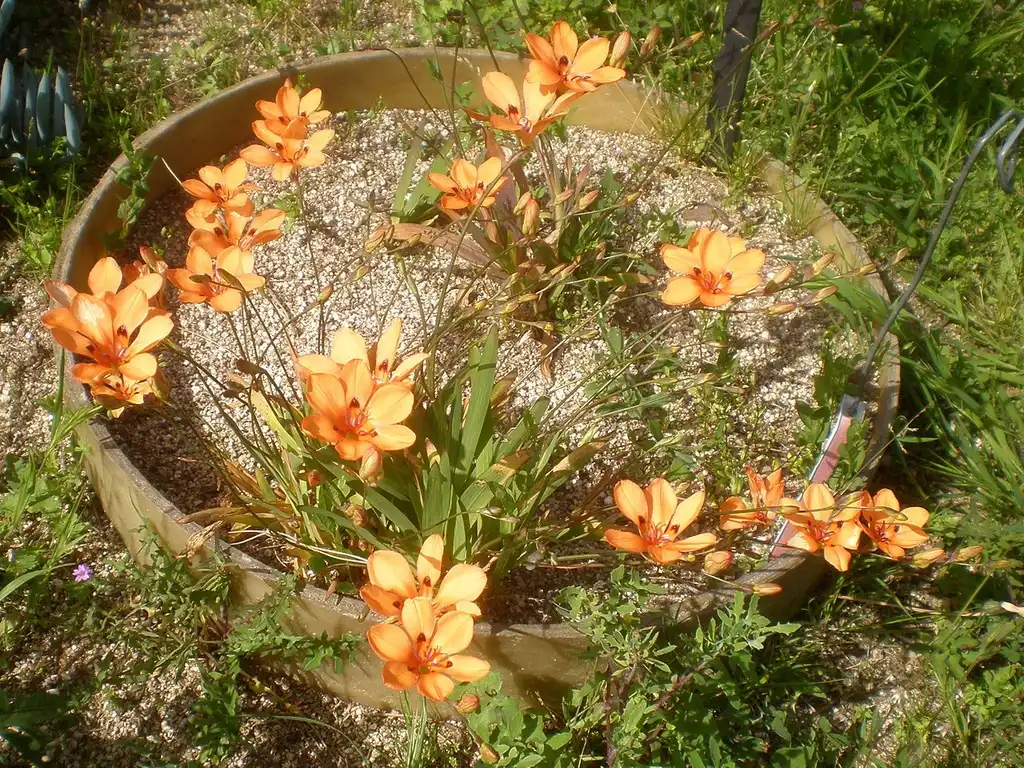
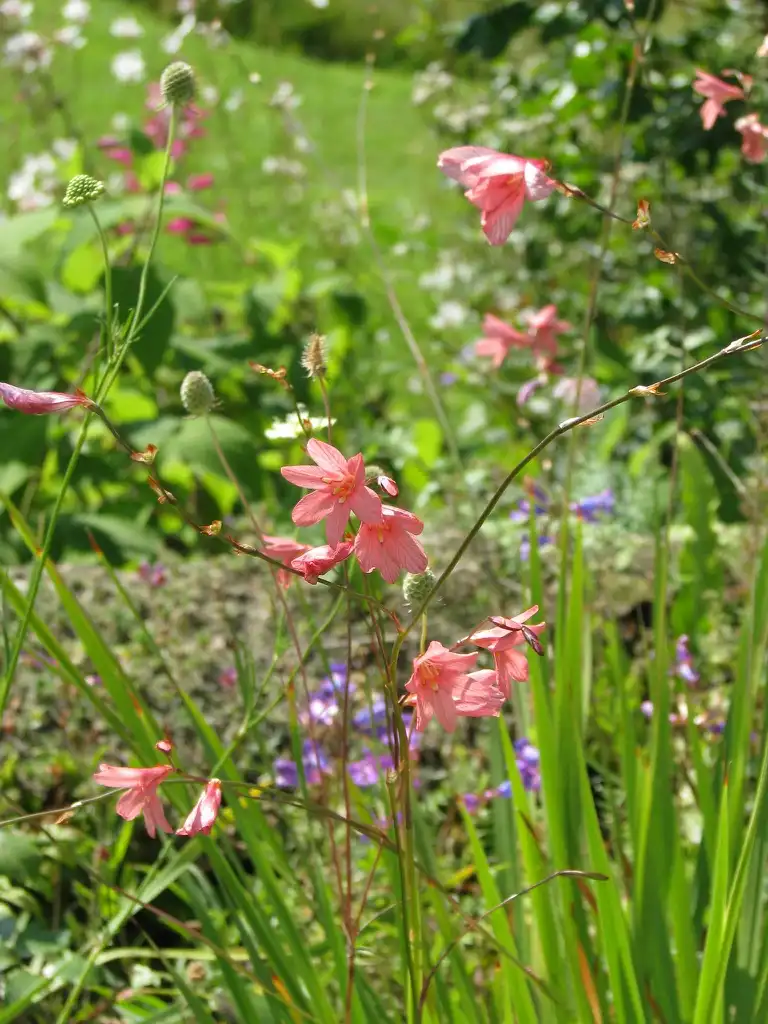
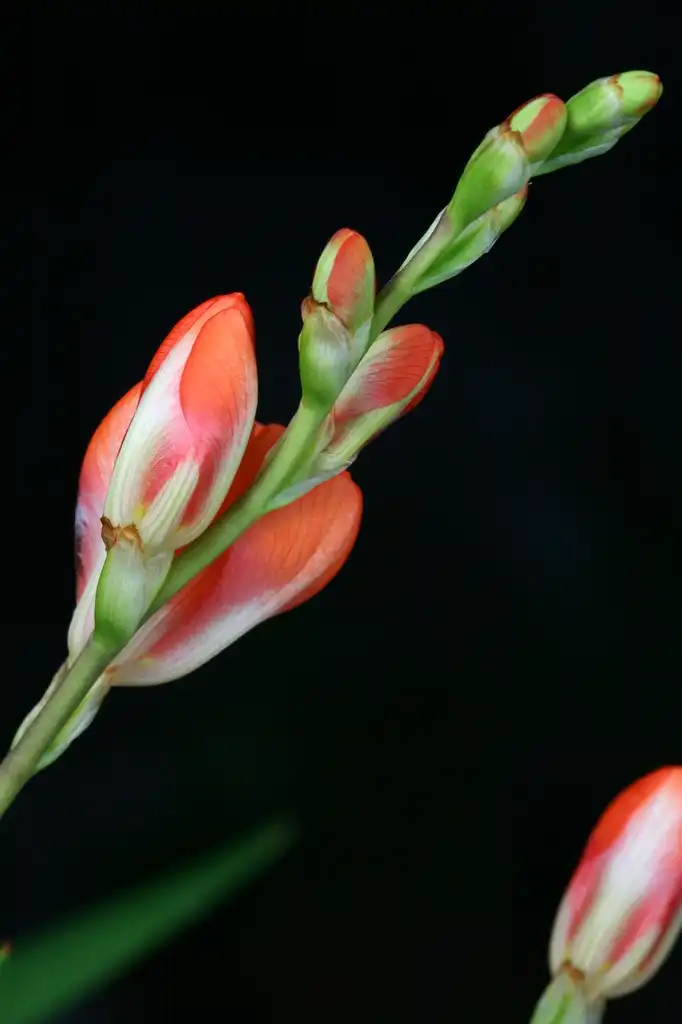
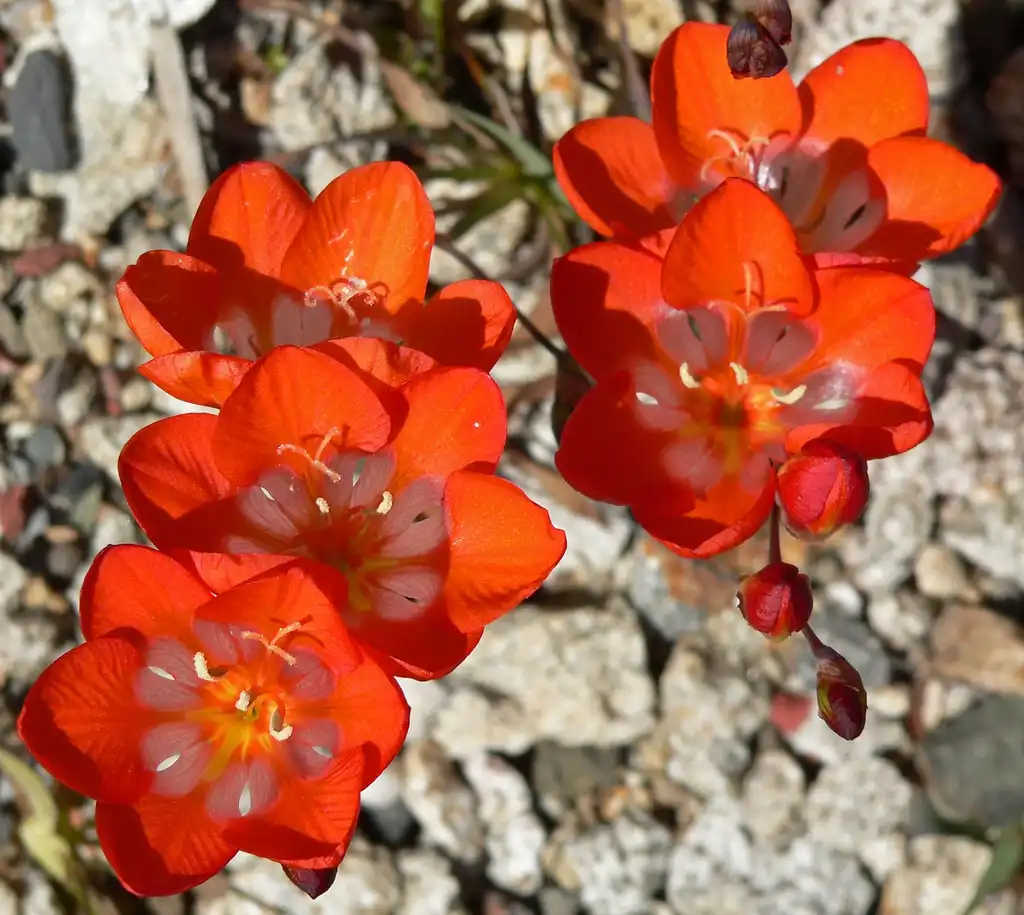
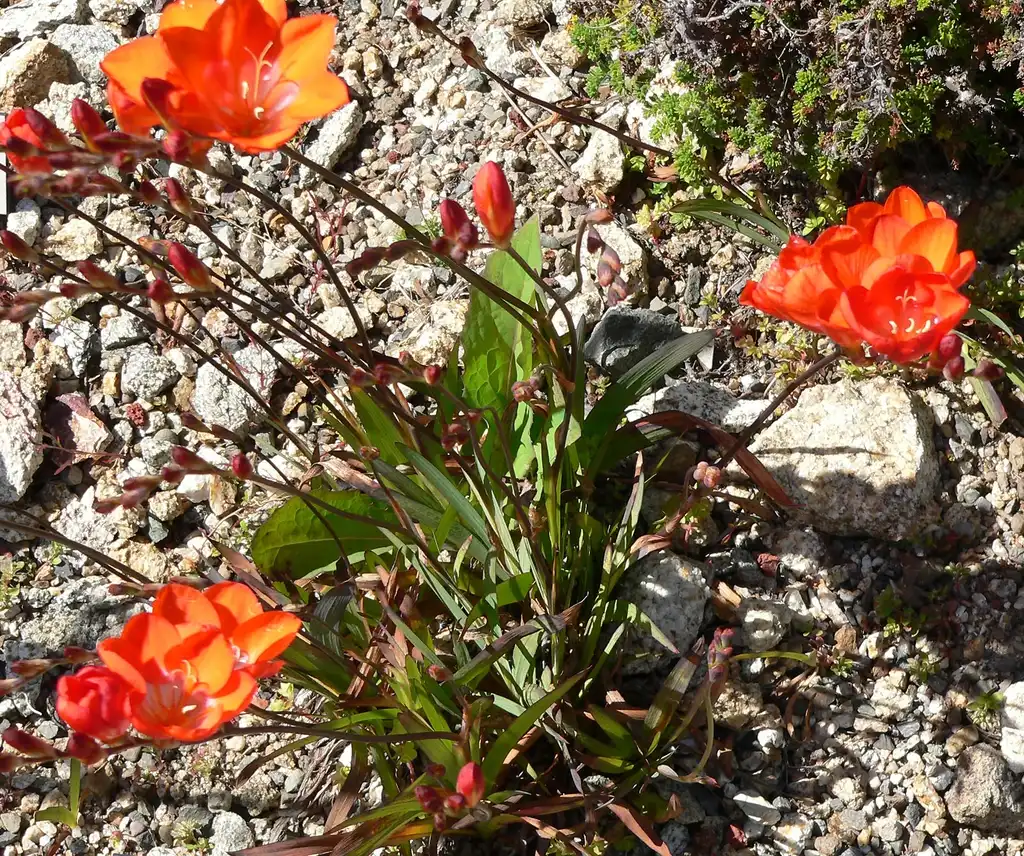
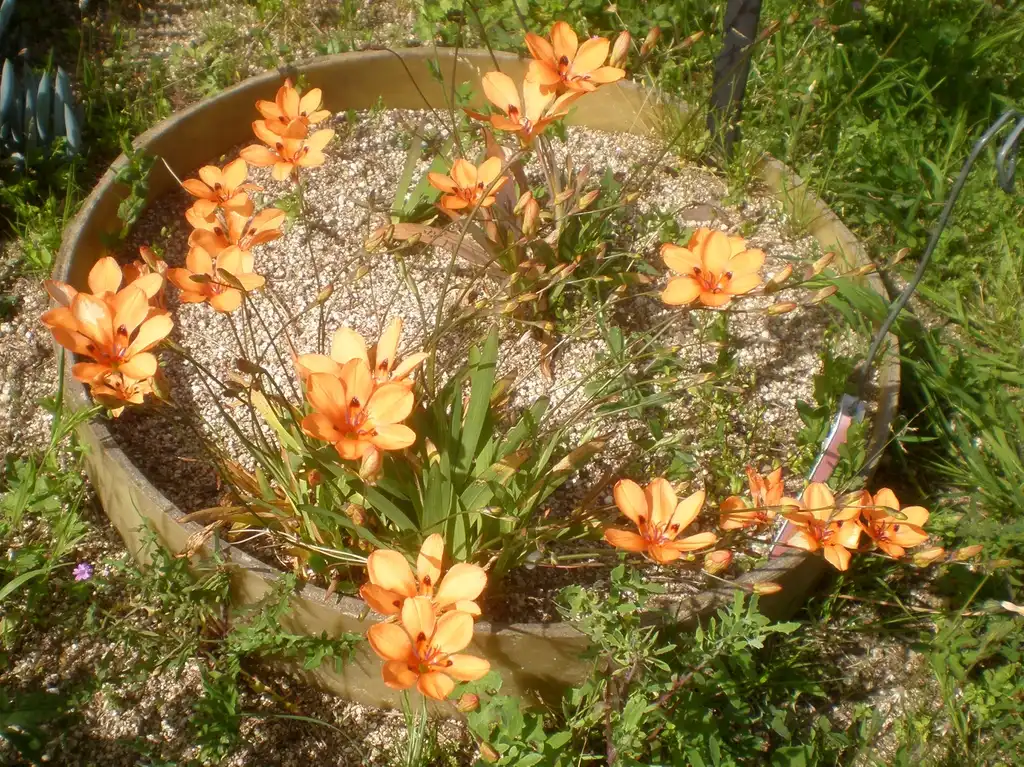
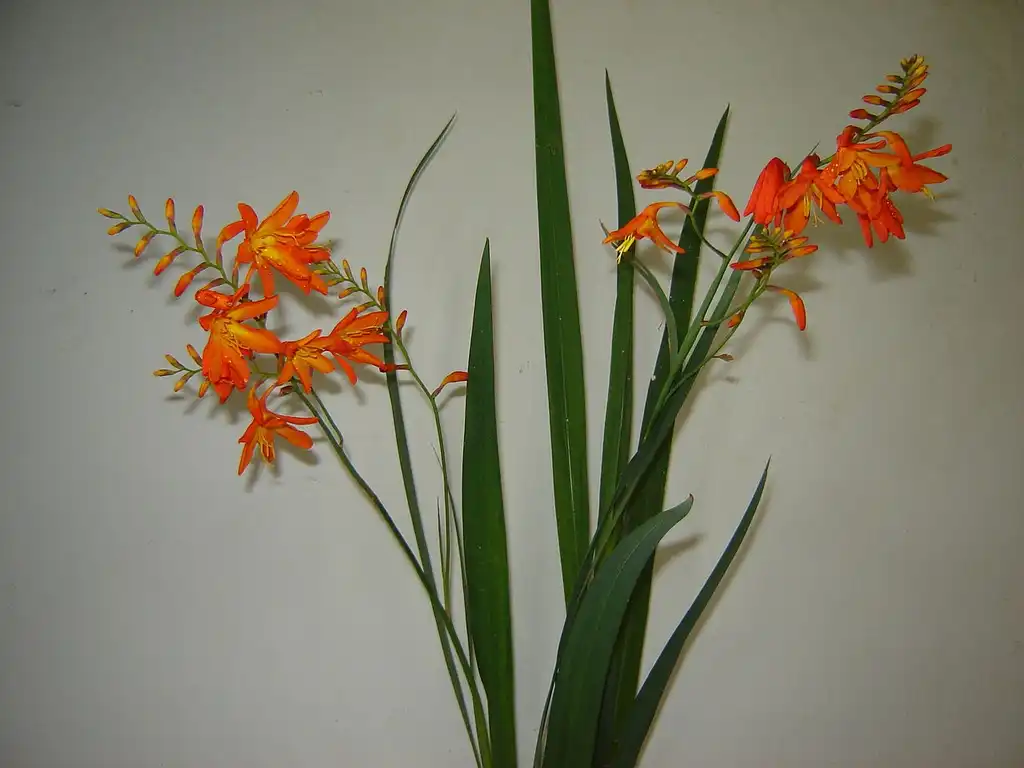
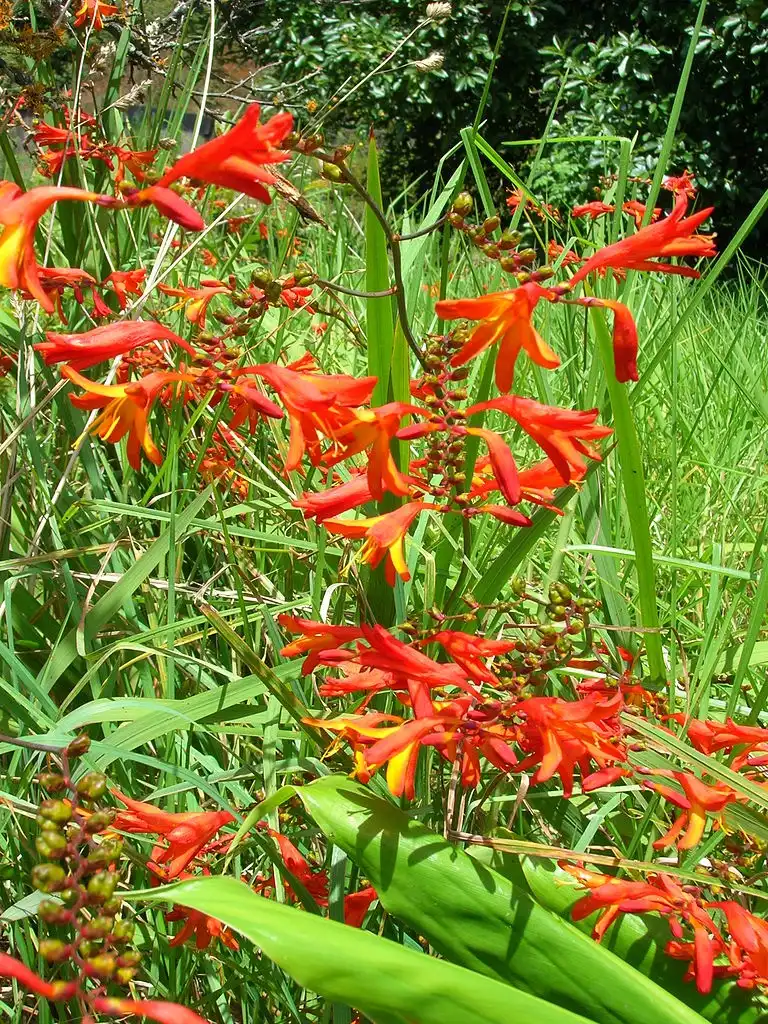
These plants feature strap-like leaves and produce flowers in vibrant hues of yellow, orange, pink, or white, emitting a delightful fragrance, particularly in the evening. The genus encompasses several species, with most flowering from spring to summer, while others bloom from late summer into fall. Their blossoms are both abundant and visually striking.
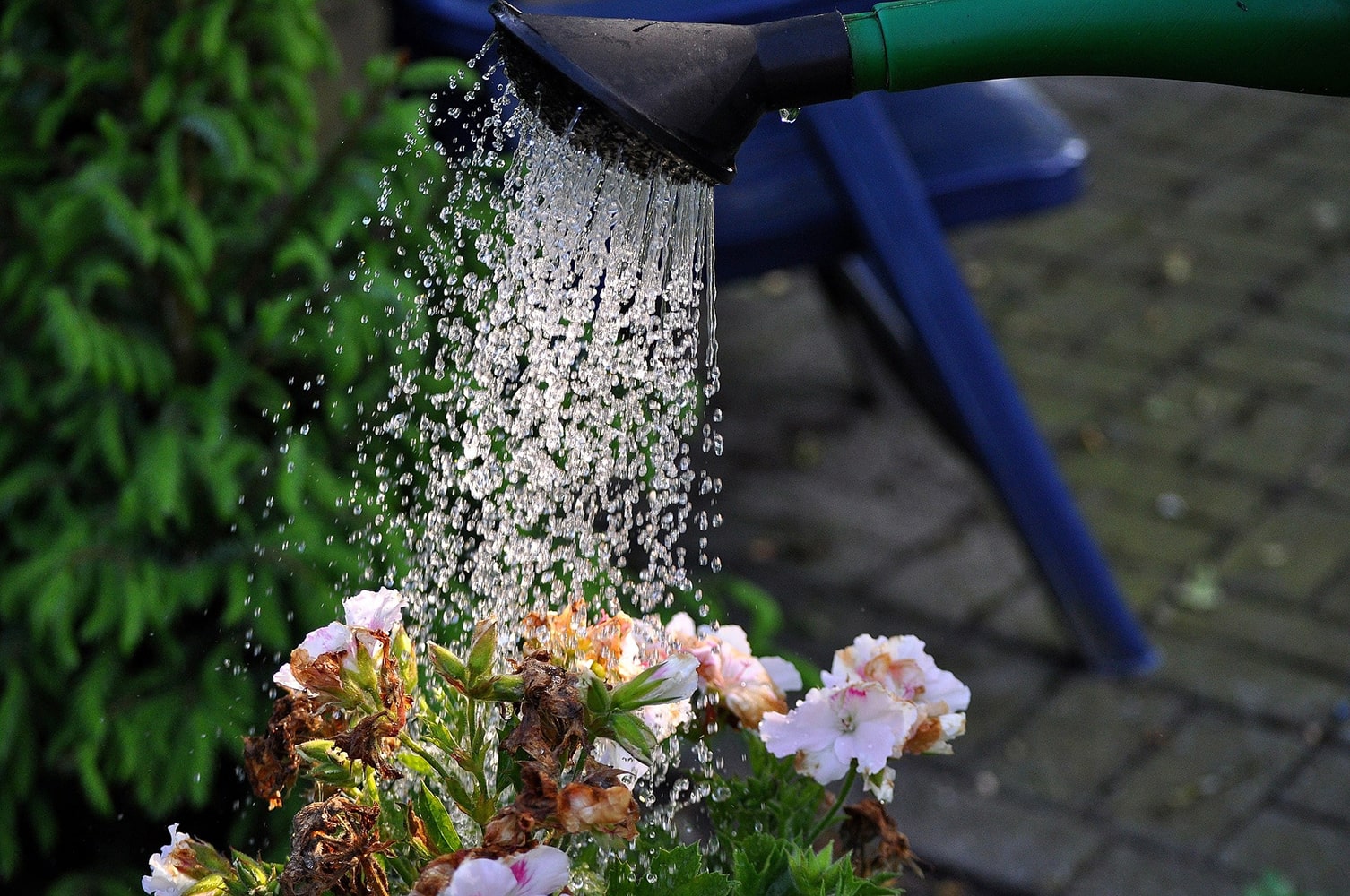
For optimal care, Tritonia should be planted in humus-rich soil, positioned in full sunlight, at a depth of 2 inches and spaced 3 inches apart. They thrive in moist soil during their growing season but prefer drier conditions when dormant. To prevent rot in heavy, wet winter soils, it is advisable to lift the bulbs during winter.
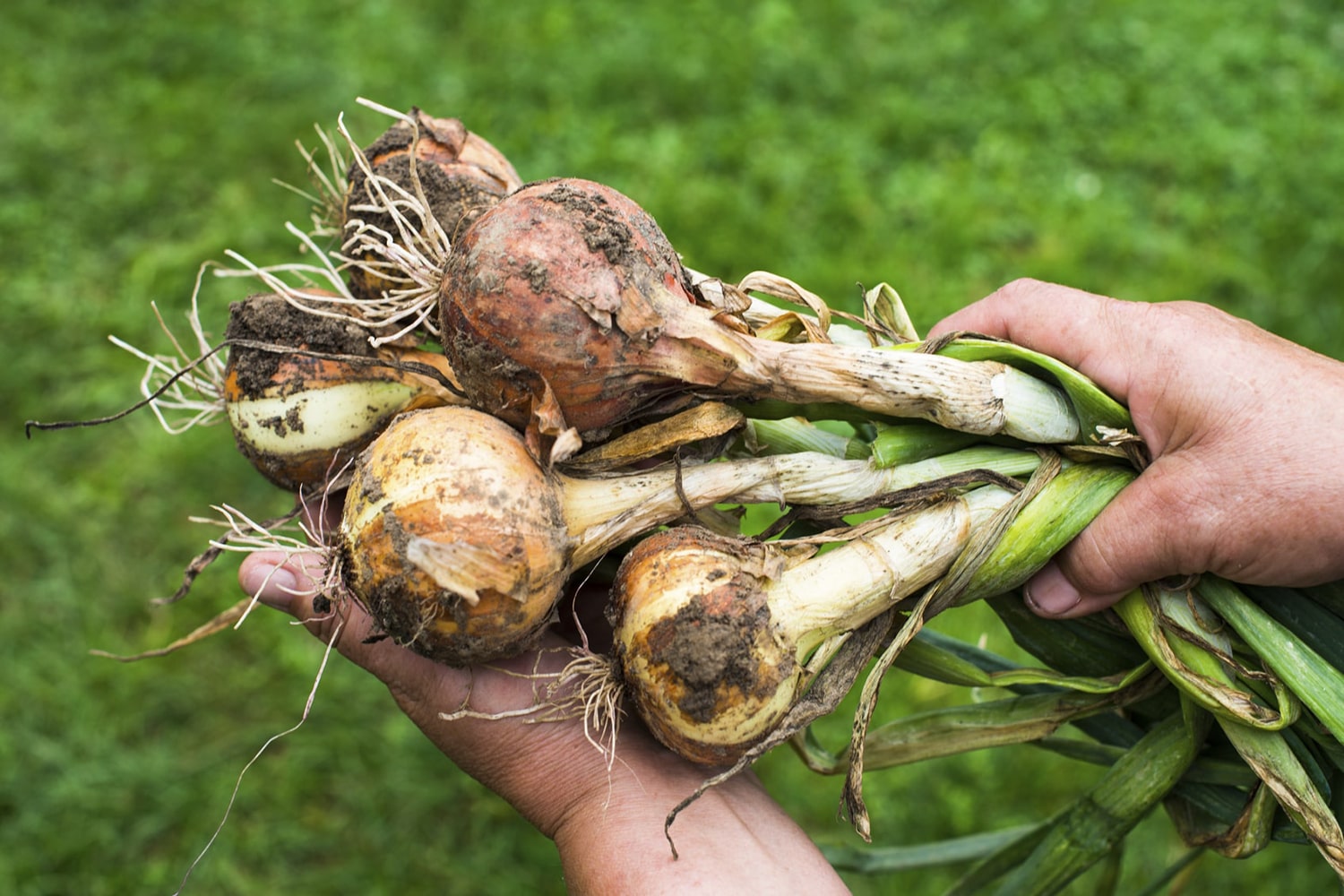
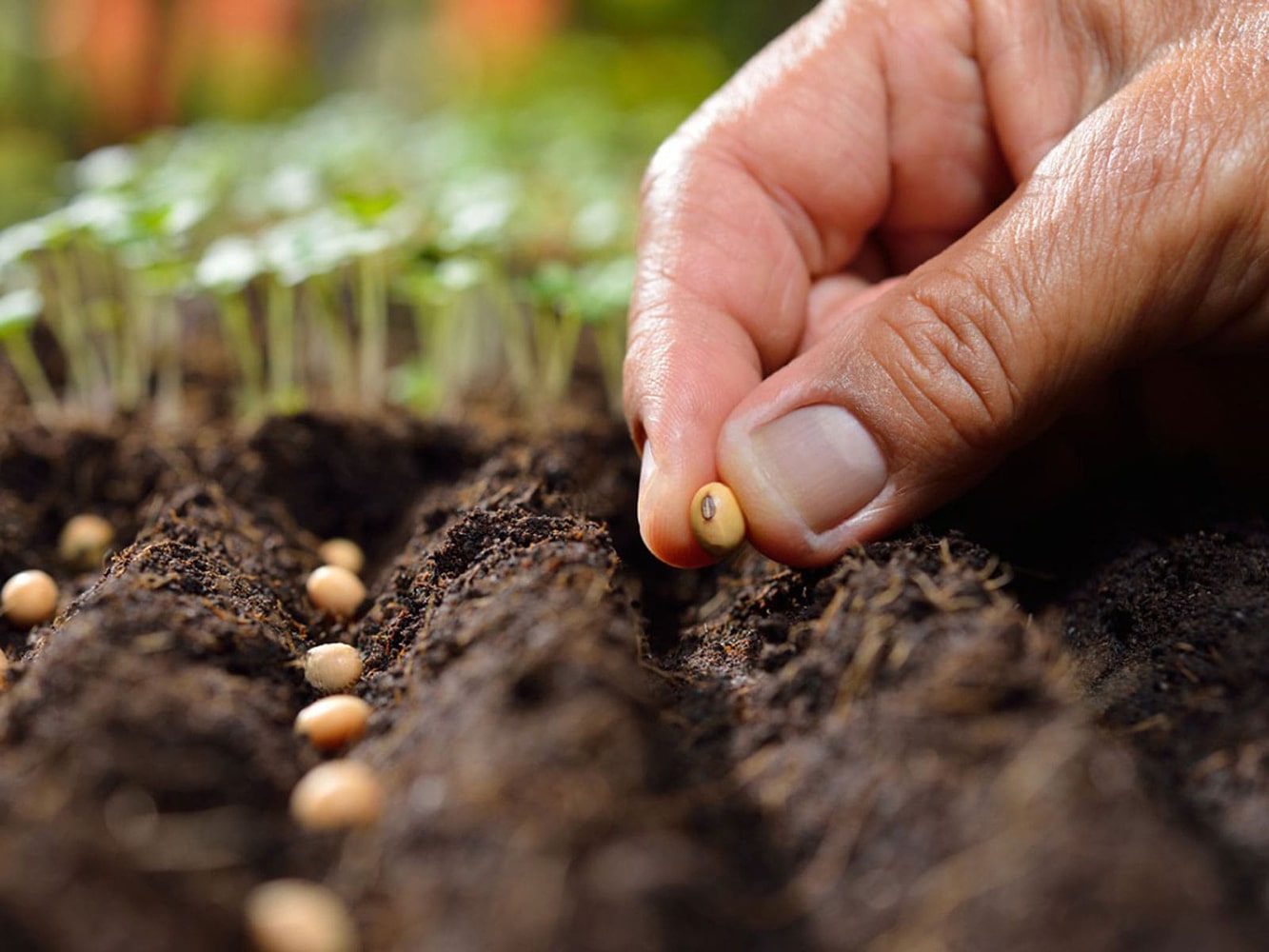
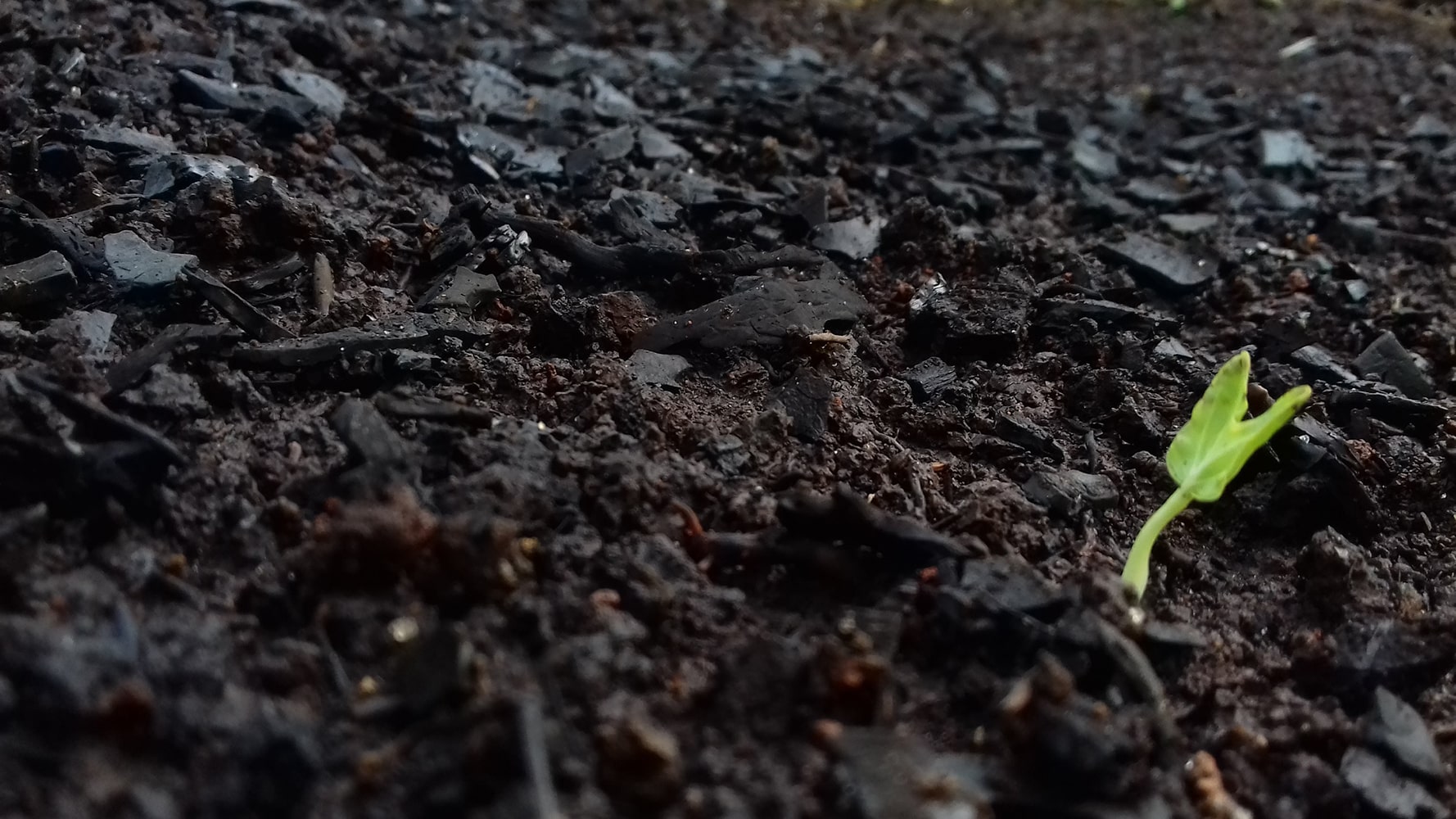
When sowing seeds outdoors in warmer climates, fall is the ideal time for planting. In milder regions, early spring is preferable. Germination can take anywhere from one to three months, and it may take up to three years for the plants to flower. In areas with cold winters, cultivating from corms is recommended. These can be harvested once the foliage has yellowed, indicating that the bulb has completed its energy storage for the next season.
Tritonia is suitable for naturalizing, creating borders, or enhancing cutting gardens. The most effective propagation method is through the division of offsets, which are plentiful.
In terms of pests and diseases, Tritonia cannot thrive in shaded areas. Aphids may pose a threat to developing flower buds, while snails and slugs can become problematic as new growth emerges.