The genus Caesalpinia encompasses shrubs and trees belonging to the Fabaceae family, commonly known as legumes. It is named after the 16th-century botanist, philosopher, and physician Andreas Caesalpini. This plant is indigenous to regions stretching from Southeast Mexico to Peru and the Caribbean, typically thriving in dry tropical woodlands, wooded grasslands, coastal thickets, and bushland.
There are more than 140 species within this genus, with various types found across the Caribbean, Central America, South America, Madagascar, Southern Africa, and Yemen. Additionally, several species have been introduced to the United States, particularly in Arizona, California, Florida, and Texas.
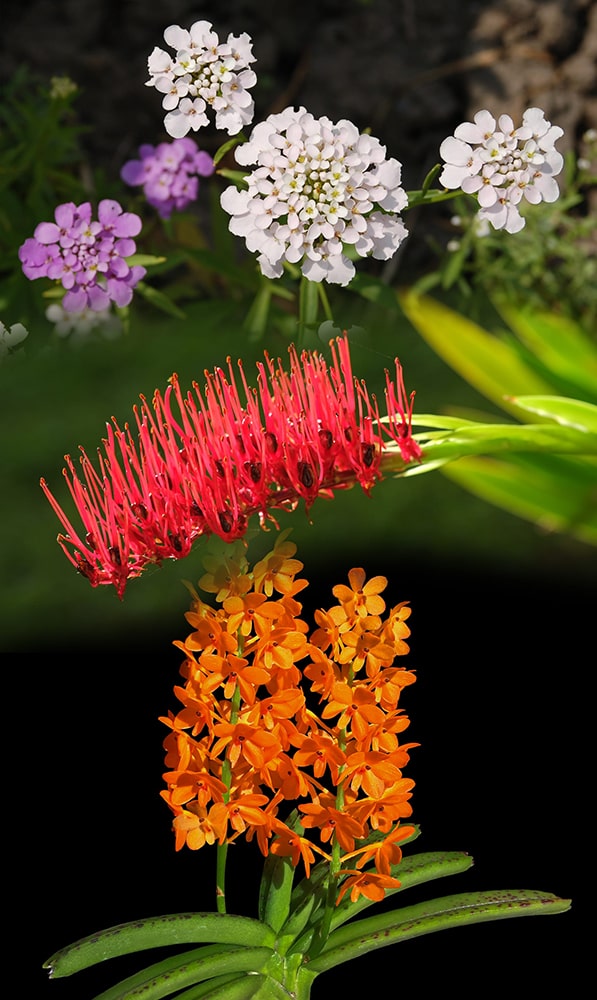
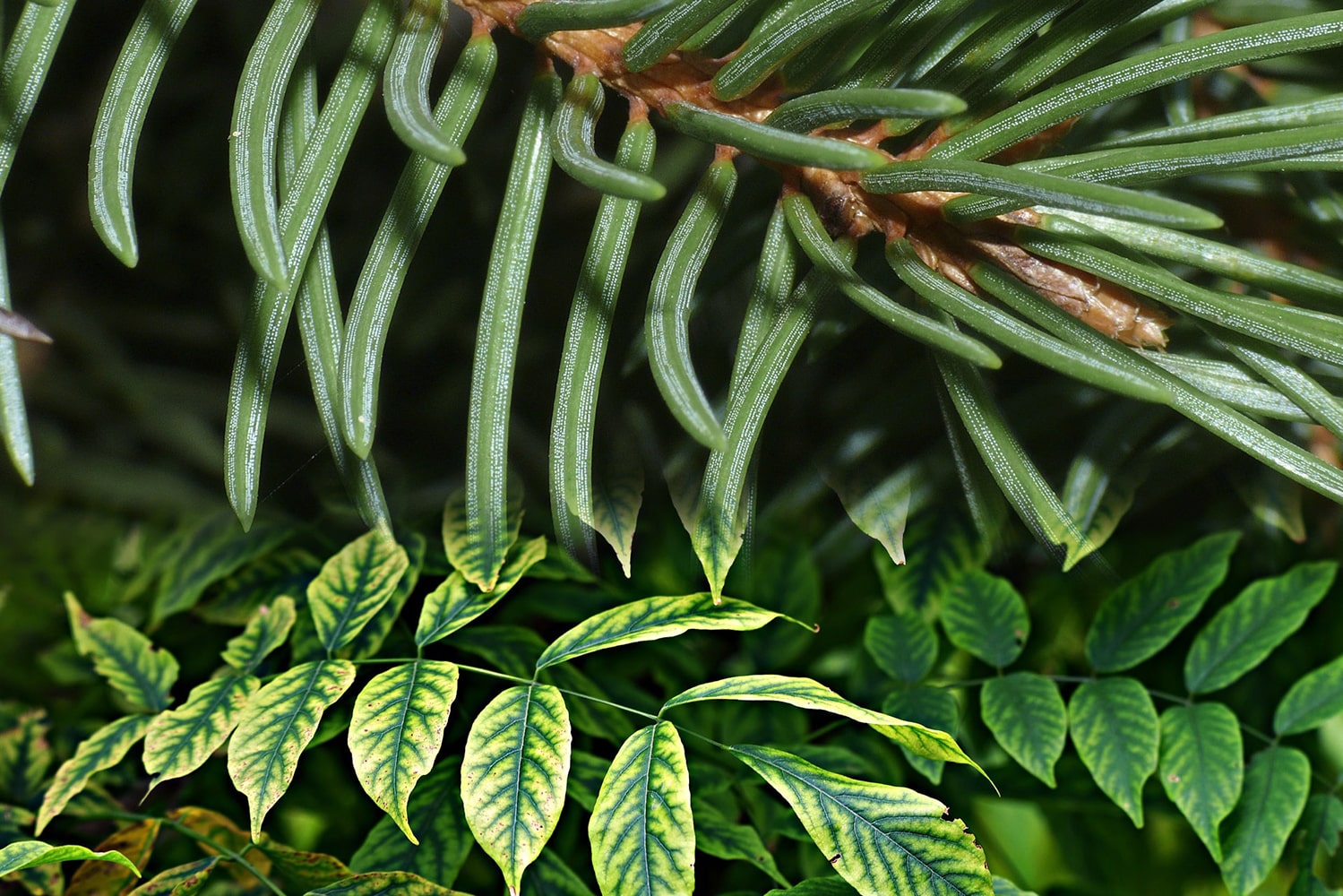
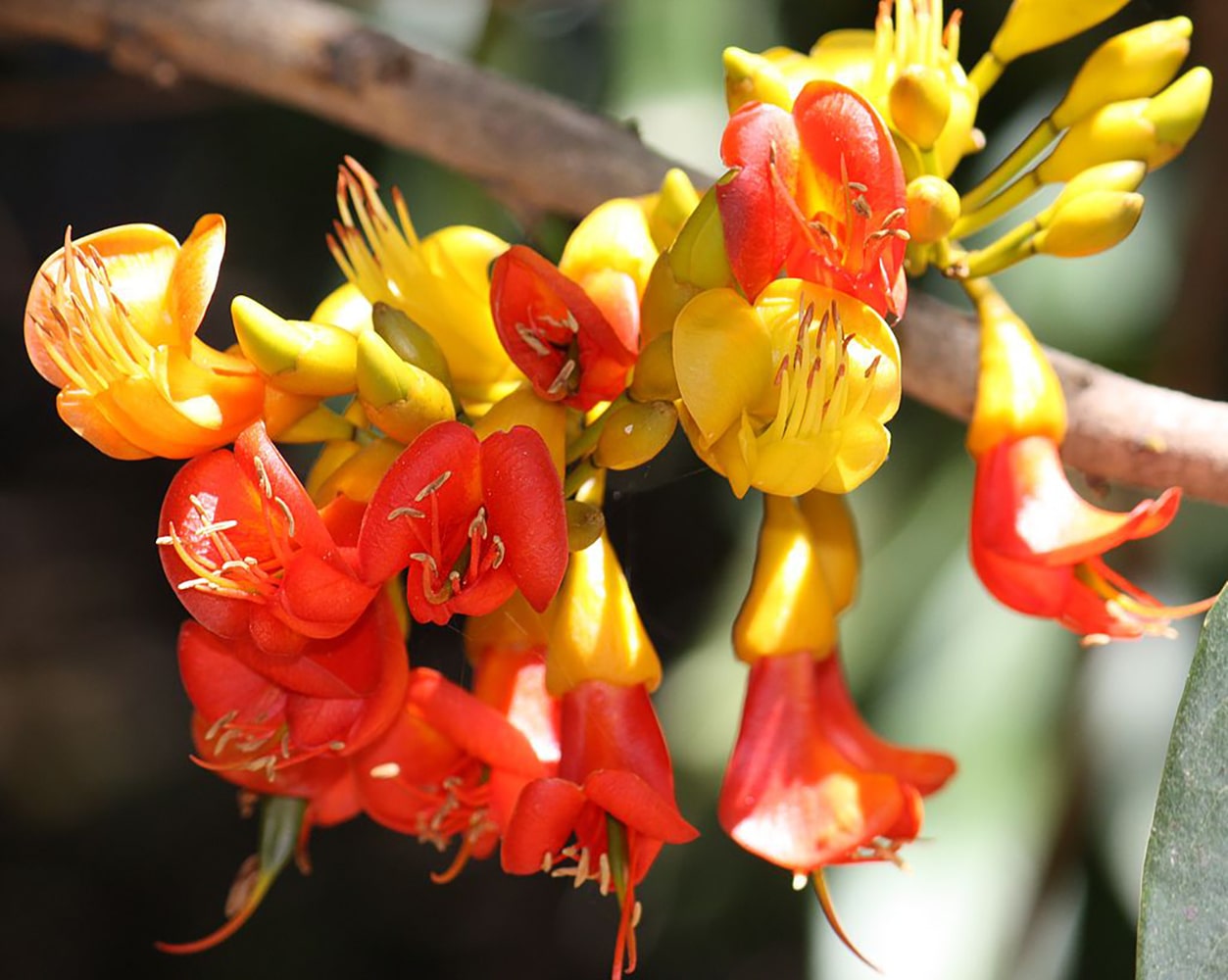
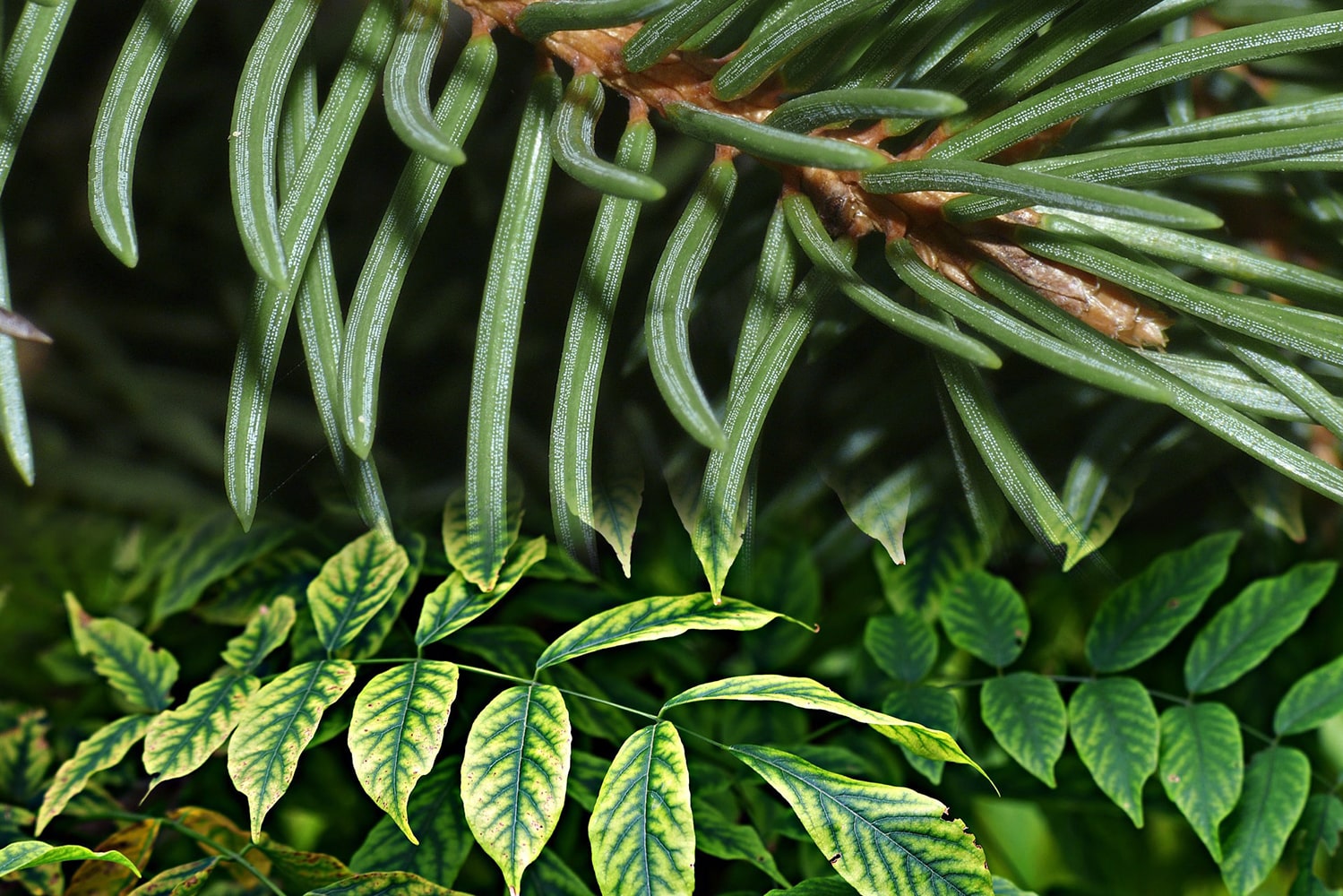
Caesalpinia species can be either erect or climbing, with some exhibiting prickles or spines on their stems and branches. In USDA zone 9, they are deciduous, while in zone 8, they are perennial. These plants generally bloom during the summer months, and in tropical climates, they may flower throughout the year. Their green, fern-like leaves are bipinnate and feature paired pinnae. The flowers, which can be found in clusters at the ends or sides of the stems, display a range of colors, including yellow, orange, red, or yellow petals accented with red stamens. Following flowering, the plants produce pods that, upon ripening, split open to release small seeds.
One notable species, Caesalpinia pulcherrima, commonly known as 'Pride of Barbados,' is often cultivated as an ornamental plant in tropical and subtropical gardens. However, the seeds of this species contain tannic acids and can be toxic if ingested, leading to gastrointestinal issues.
This genus thrives in full sunlight and well-drained soil, and once established, it can withstand periods of drought. During the growing season, it benefits from deep but infrequent watering. Pruning may be necessary to maintain its desired shape.
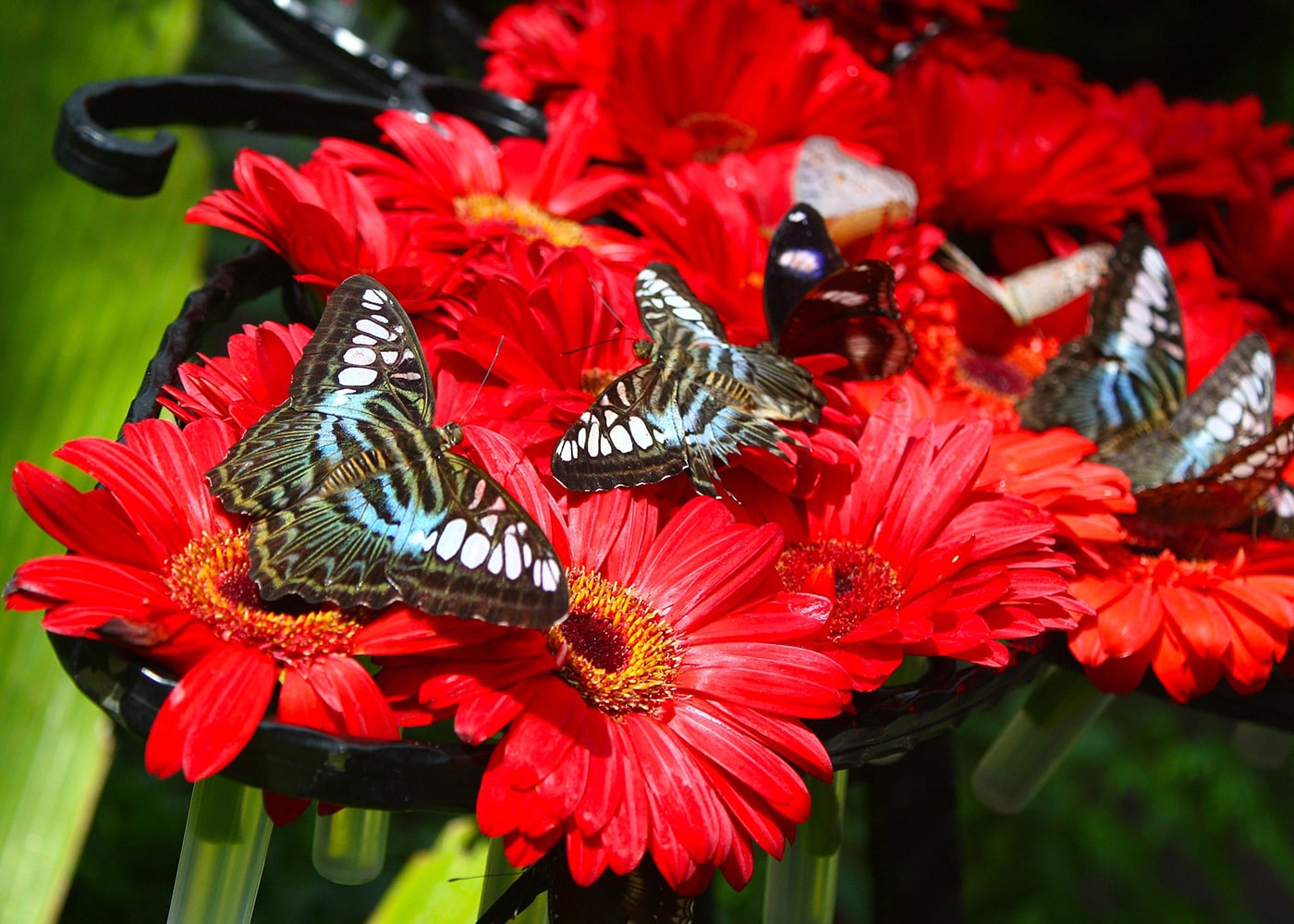
In tropical and subtropical regions, these shrubs or trees can serve as striking specimens, accents, or borders in landscaping. Their vibrant flowers attract butterflies and hummingbirds. However, some shrubs may be susceptible to scale, and poorly drained soil can lead to mushroom root rot.