Calibrachoa x hybrida: Country Or Region Of Origin
South and Central America
Phonetic Spelling:kal-ih-brah-KOE-ah BY hy-Brid-ah
Genus:Calibrachoa
Species:× hybrida
Family:Solanaceae
Trailing petunias, often cultivated as annuals, are delicate perennial hybrids that can endure winter in USDA Zone 7, although they typically thrive in Zones 9 to 11. These plants flourish in moist, nutrient-rich, well-drained soil under full sunlight, though they can tolerate partial shade, which may result in fewer blooms. Notably, Calibrachoa is drought-resistant and maintains its vigor during hot summer months, unlike many other petunia varieties. To support their growth, they require a slow-release fertilizer mixed into the soil and a diluted liquid fertilizer applied every few weeks during the blooming period.
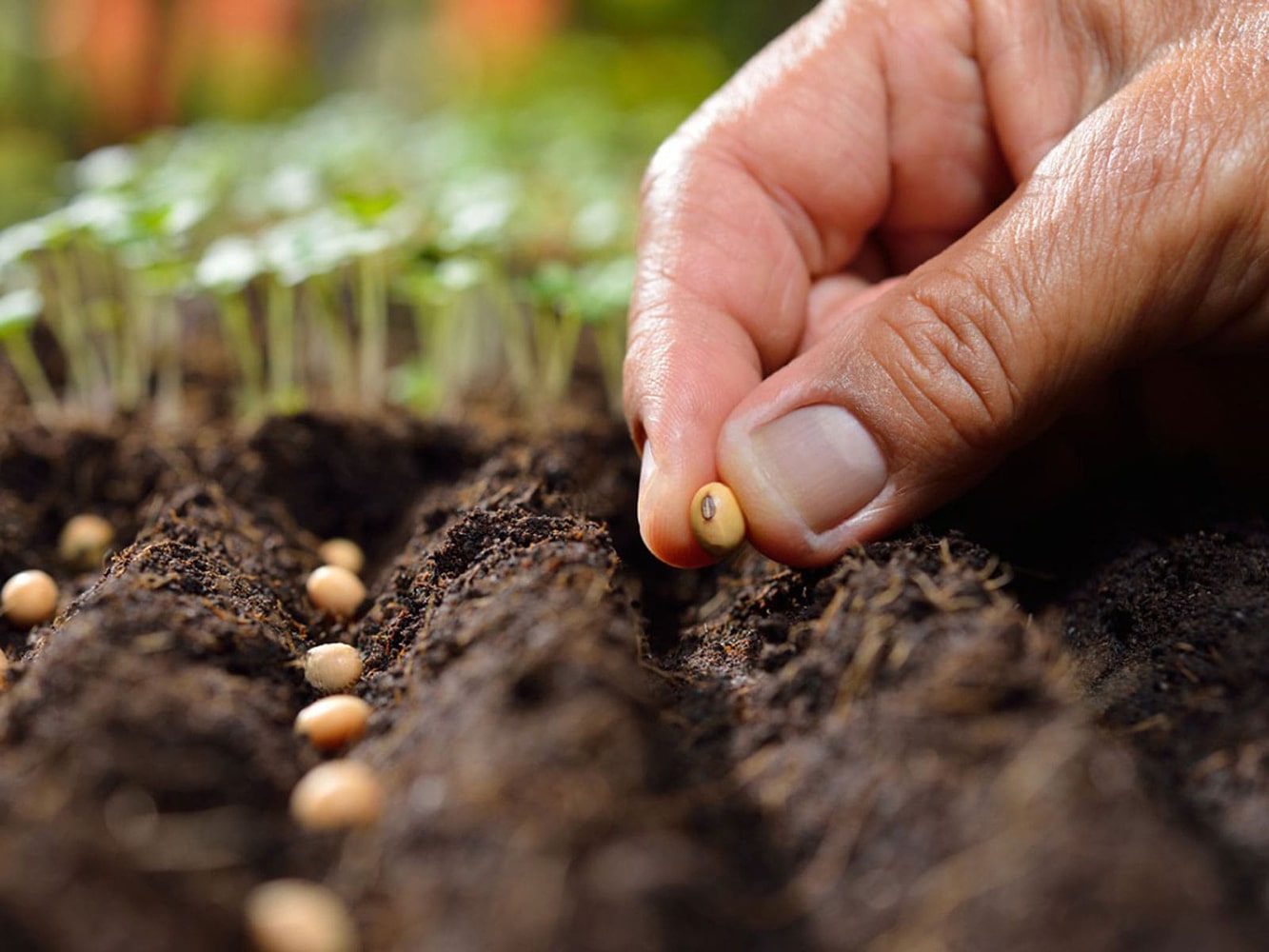
If you plan to grow them as annuals, it's best to buy plants in the spring to transplant after the last frost. For those considering them as perennials, keep in mind that Calibrachoa produces very few seeds and must be propagated vegetatively. However, many hybrid varieties are patented, which restricts this method of propagation.
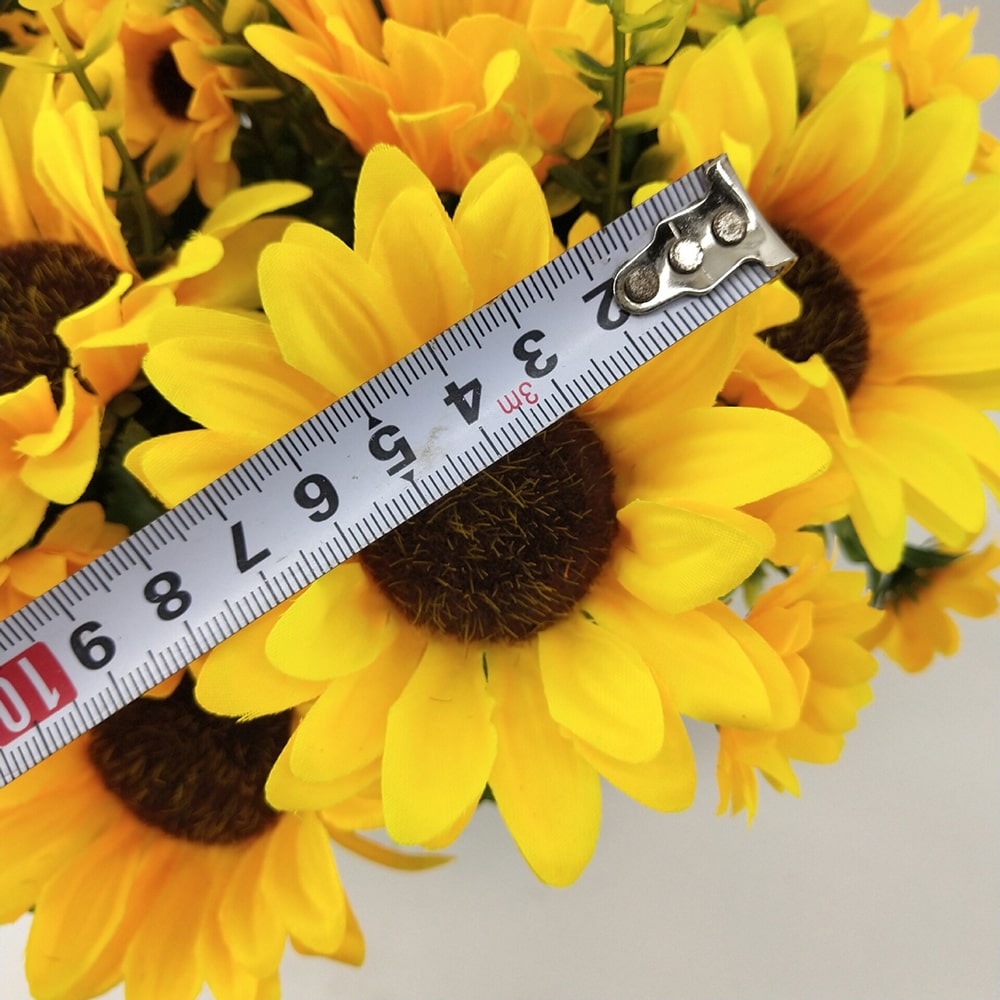
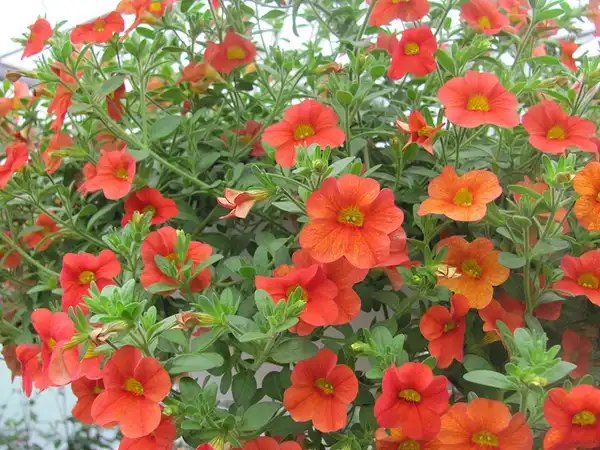
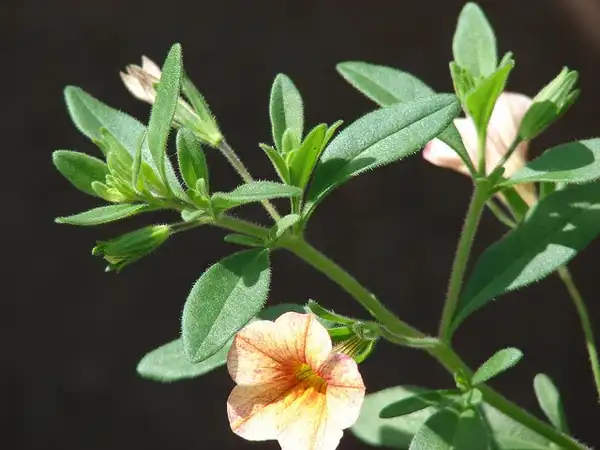
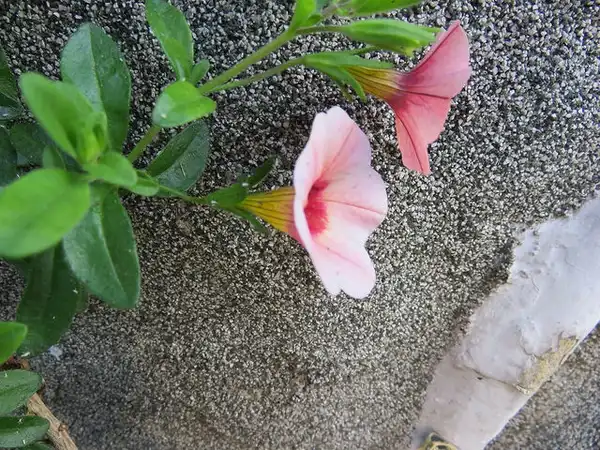
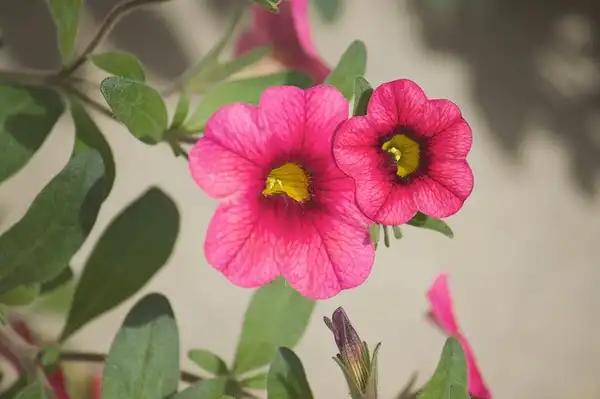
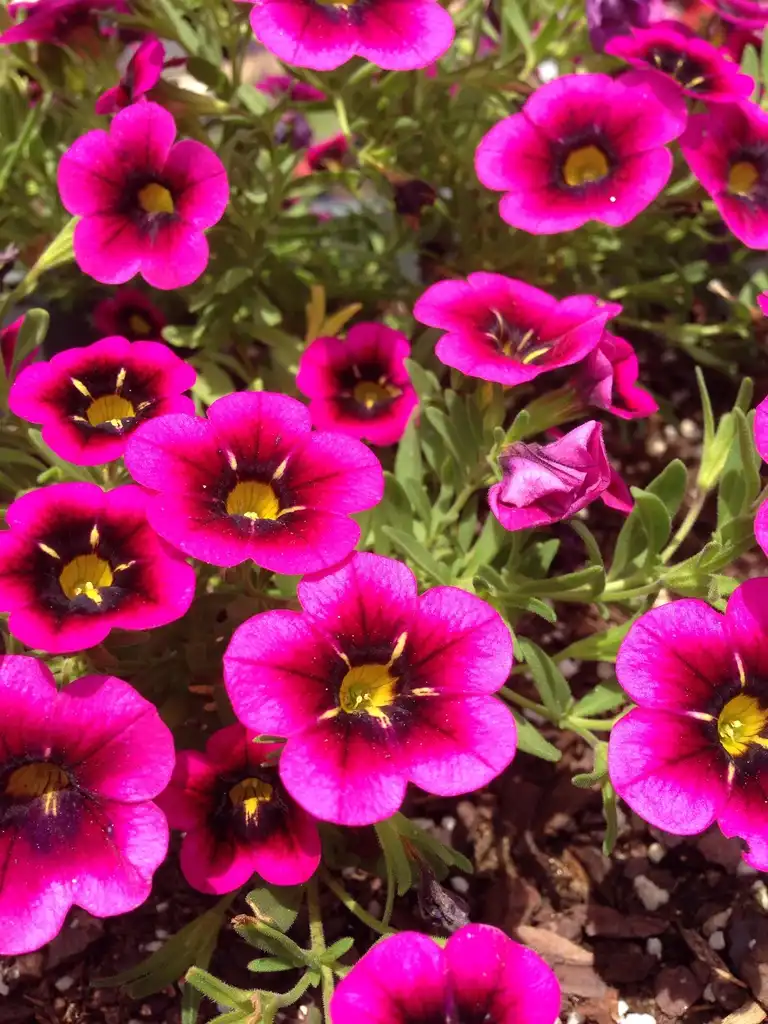
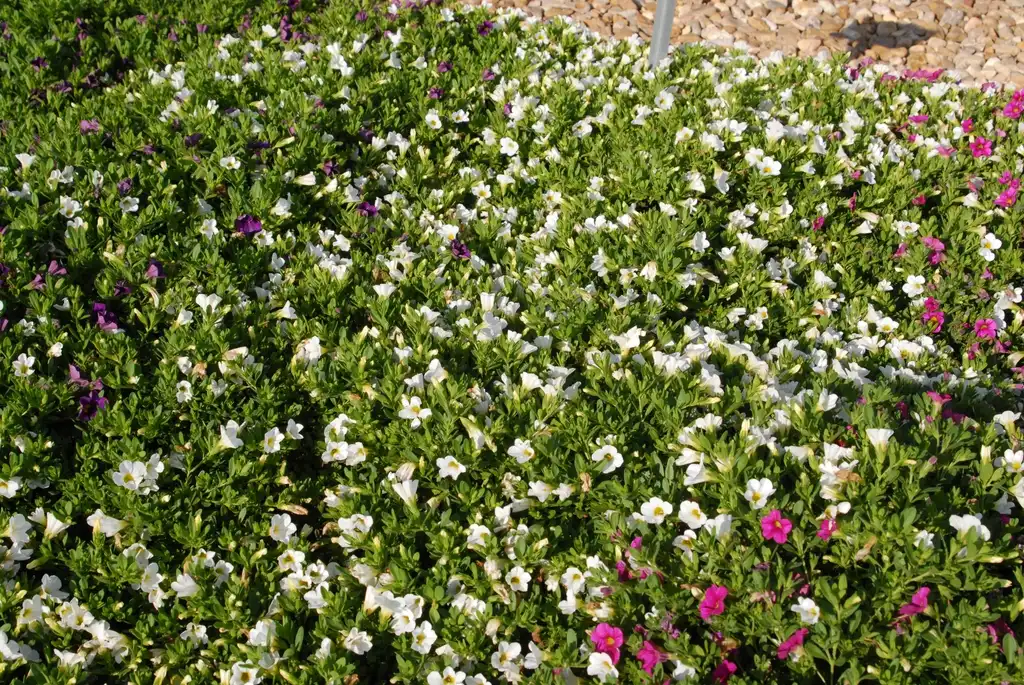
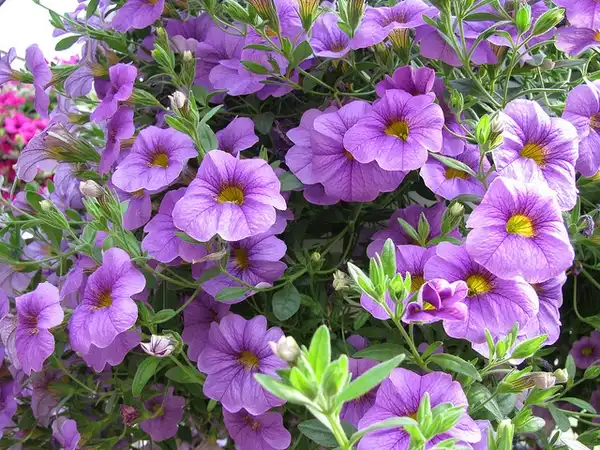
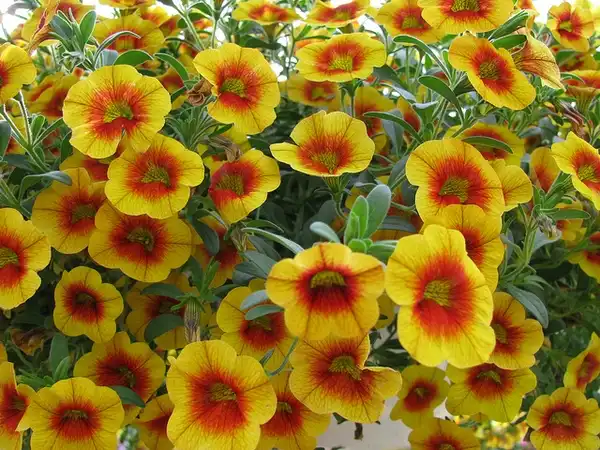
This plant has a low-growing, spreading habit, typically reaching heights of 6 to 9 inches while extending up to 2 feet wide. It showcases an abundance of small, petunia-like flowers in shades of cherry, red, rose, violet, blue, or yellow throughout the summer until frost arrives. There's no need to deadhead the flowers to promote further blooming.
Ideal planting locations include the front of borders, along walkways, or near patios, as well as in containers or hanging baskets. When grown in pots, they prefer fast-draining soil enriched with organic matter. Since many container plants can become root-bound, consider repotting them promptly. Water the containers regularly, but only when the top inch or two of soil feels dry.
While deer generally show little interest in these plants, they are not officially classified as deer-resistant.
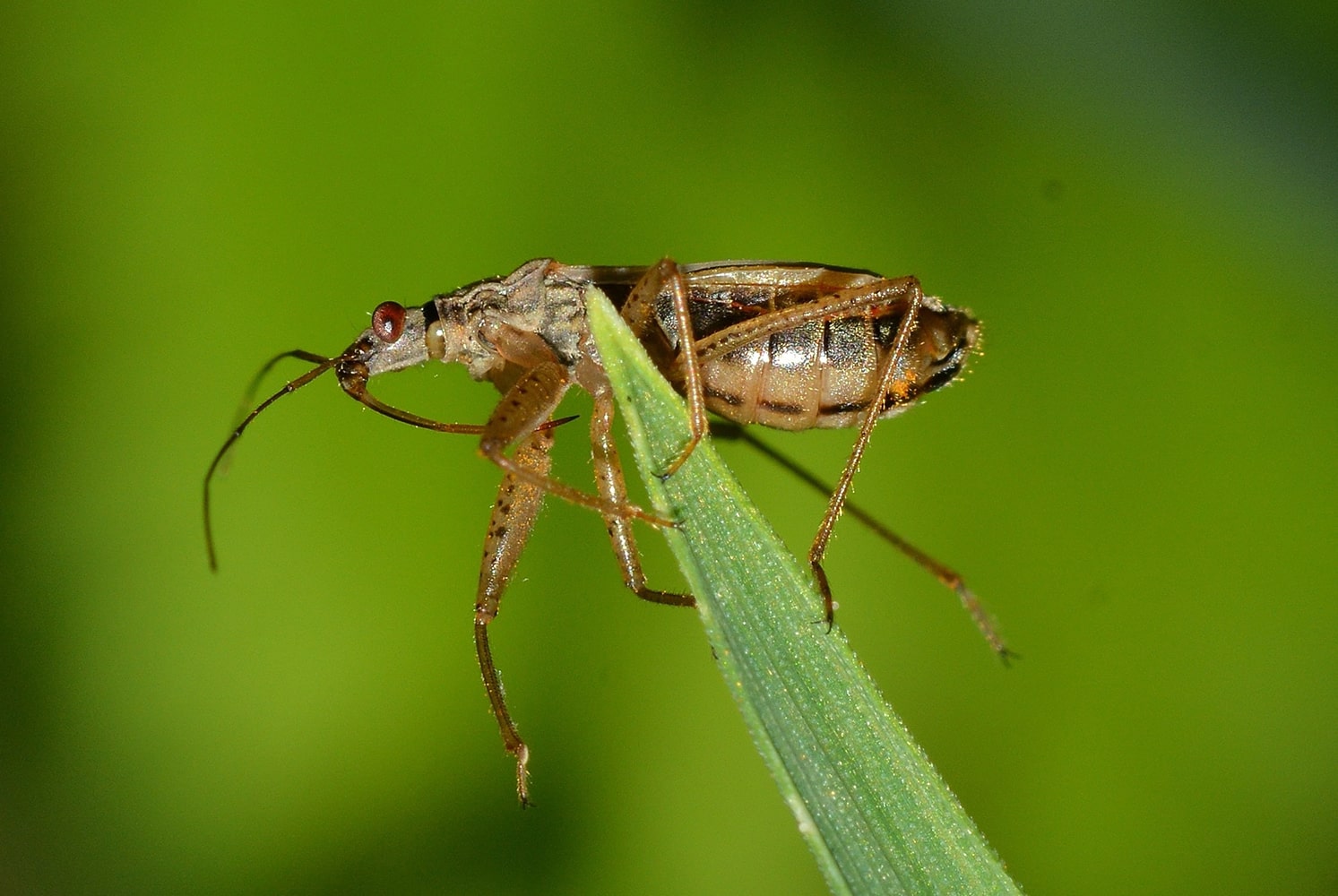
In terms of pests and diseases, Calibrachoa faces minimal issues. Occasional problems may arise from spider mites and aphids, while overwatering can lead to root rot or mold.
Calibrachoa x hybrida Feature Summary
Calibrachoa x hybrida Image Gallery