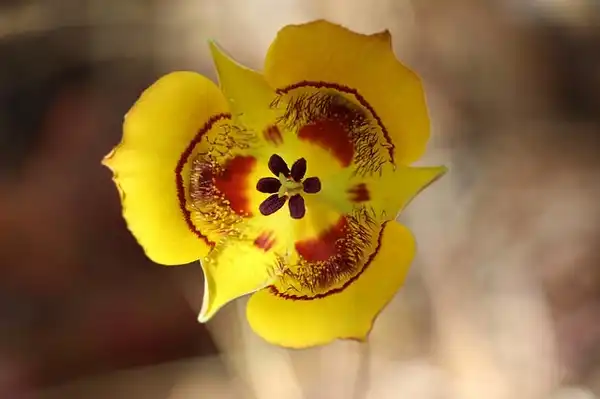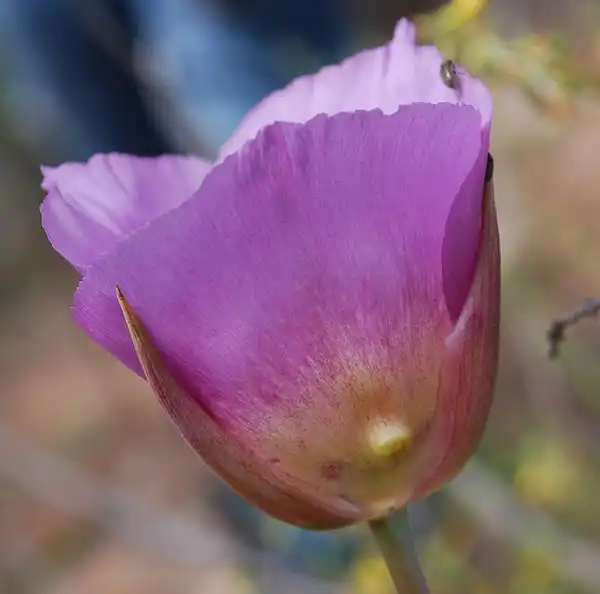
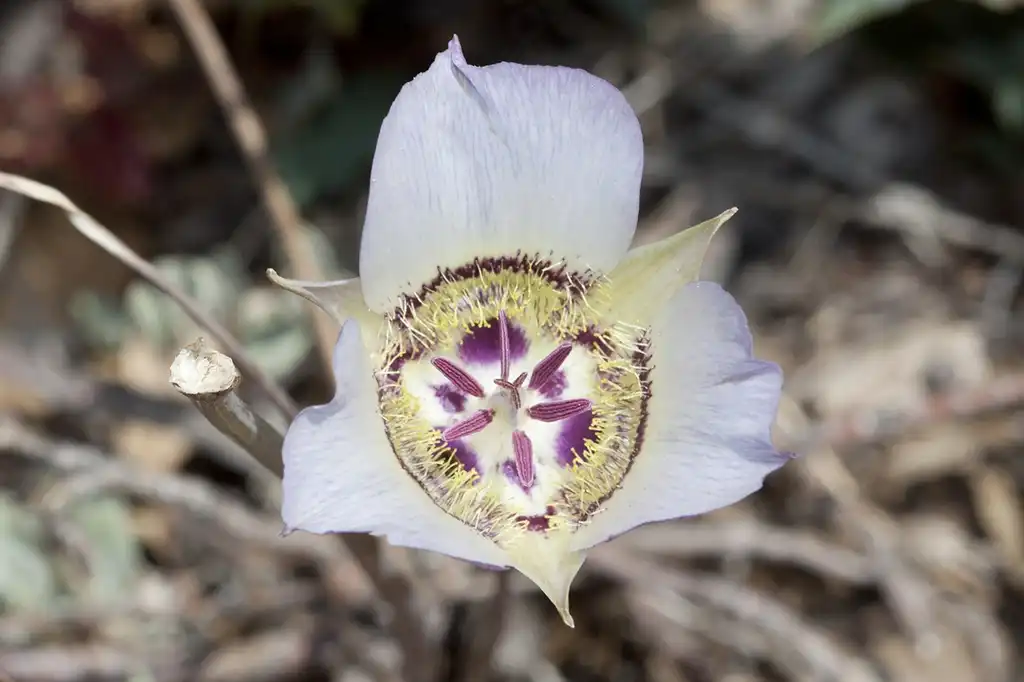
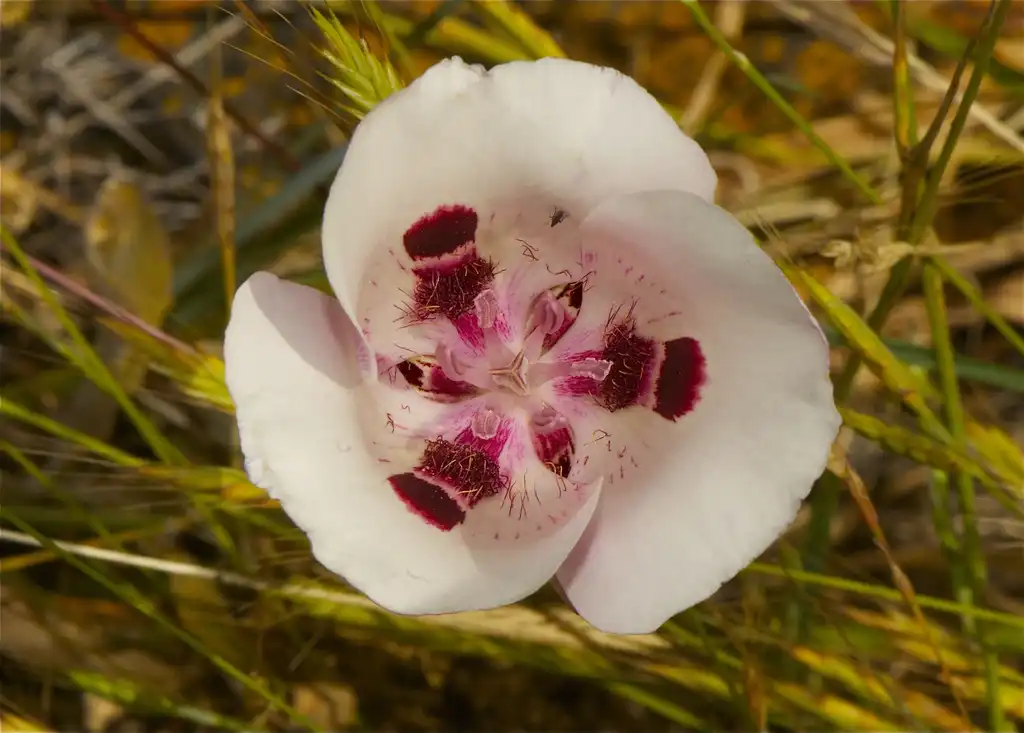
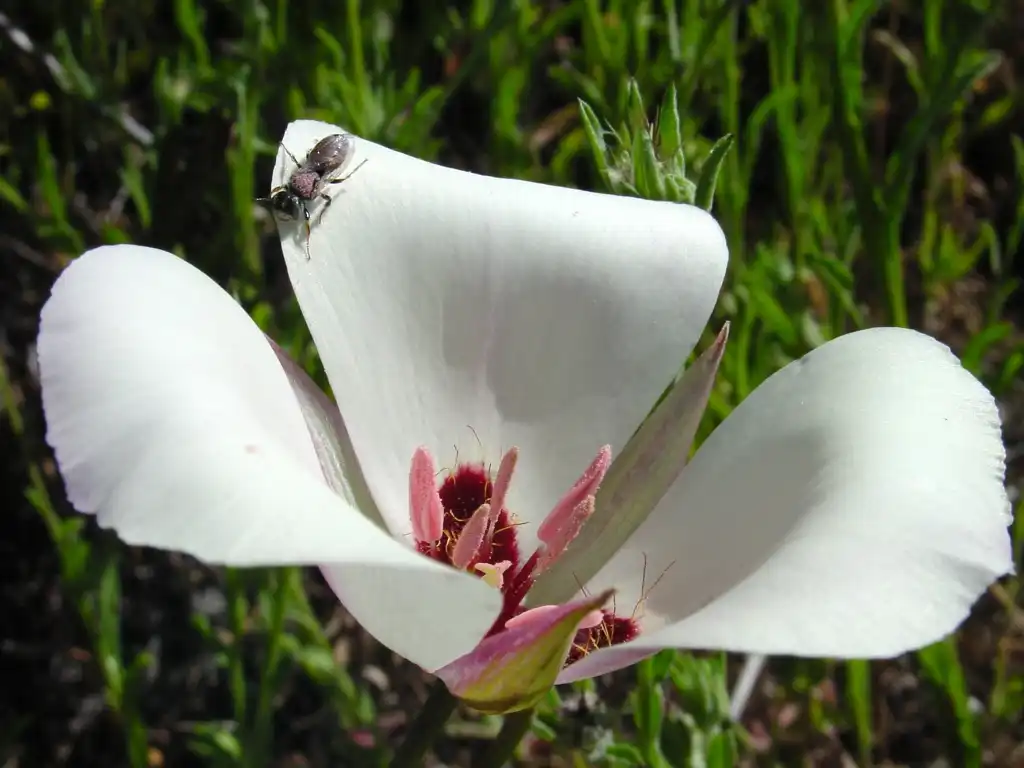
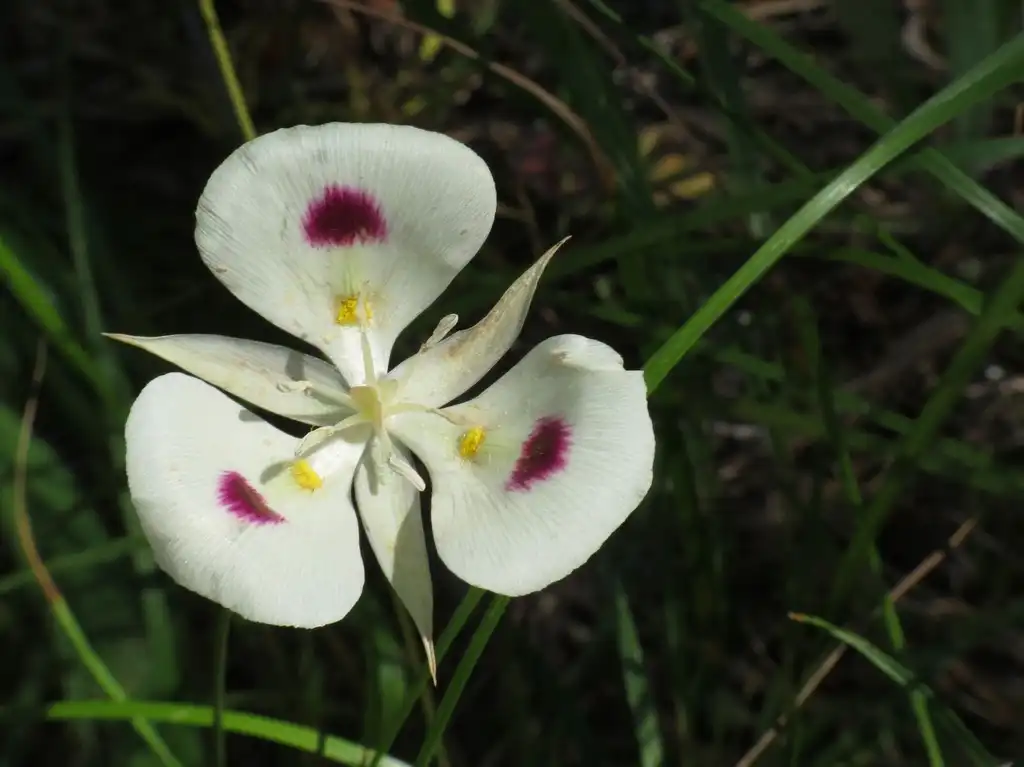
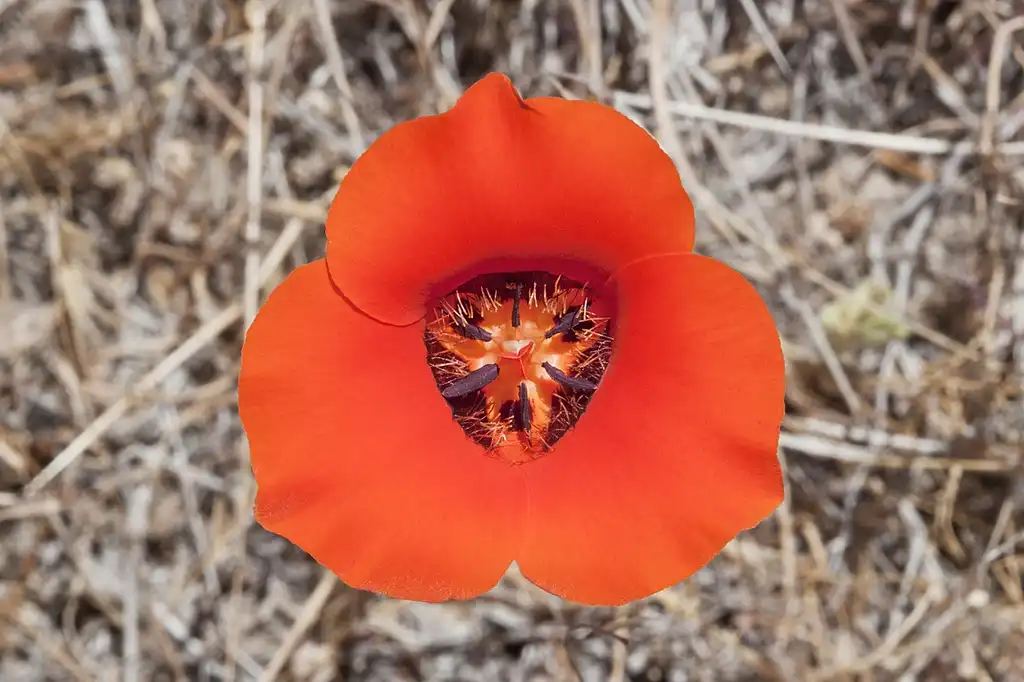
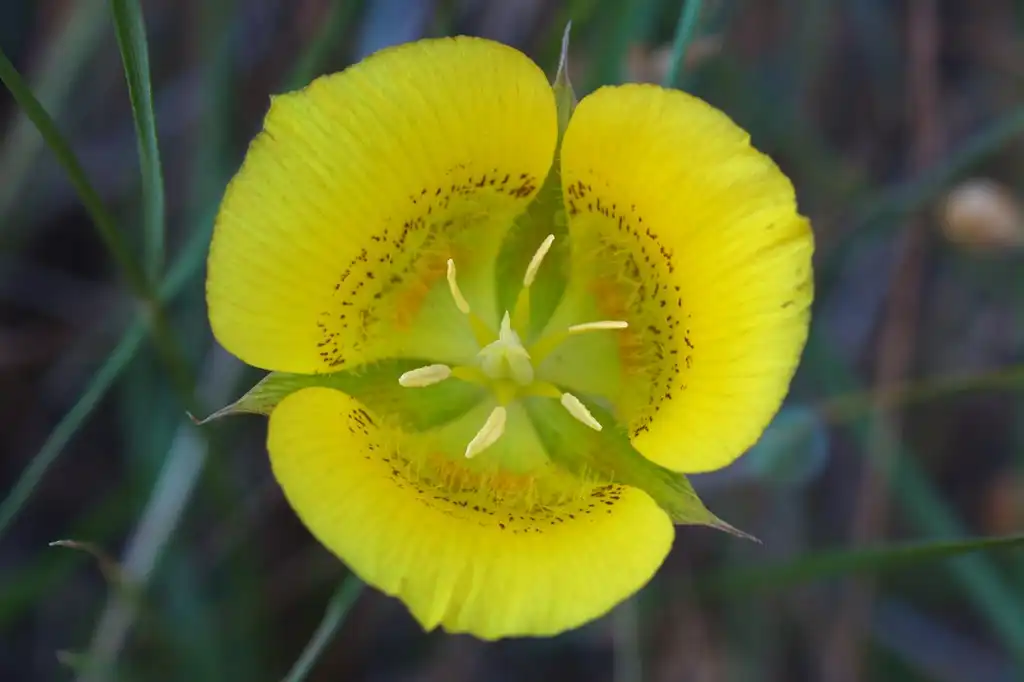
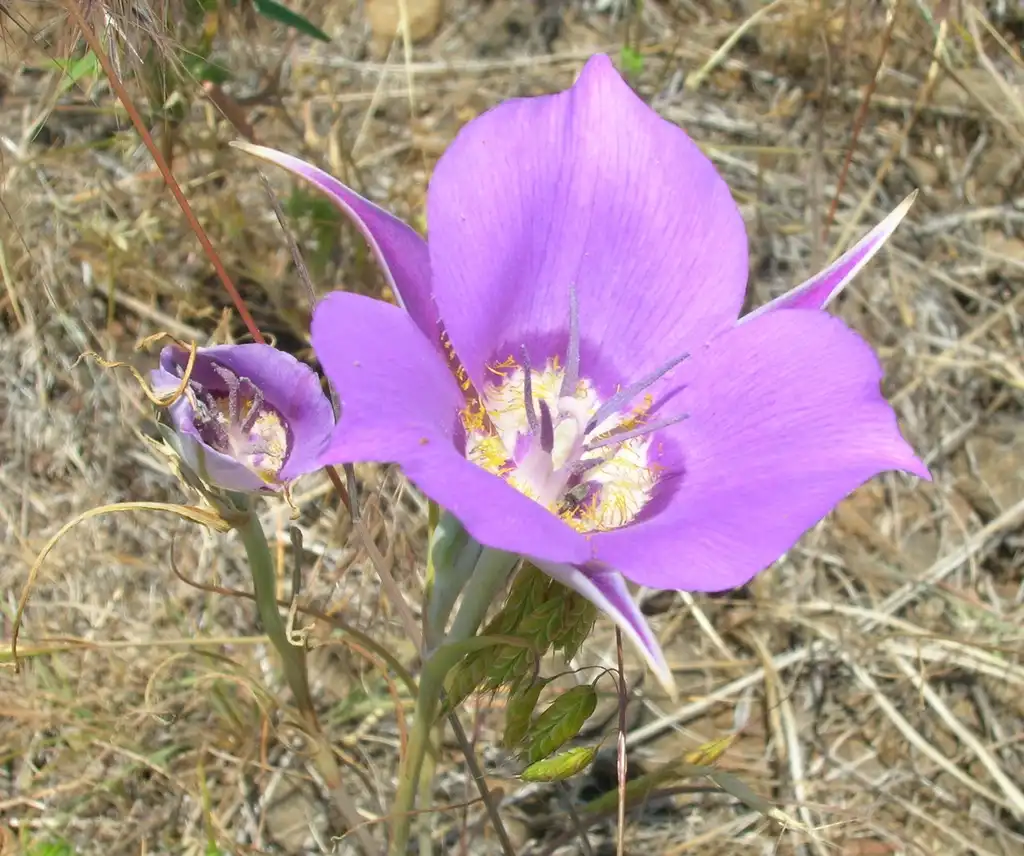
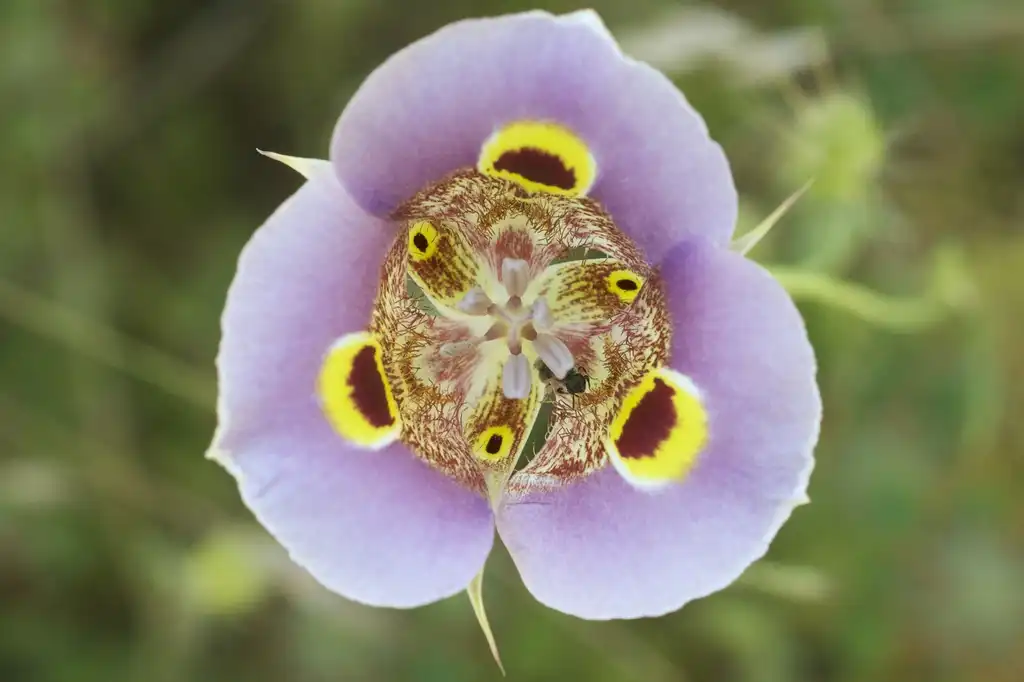
• Photo of Calochortus (Calochortuss)

Plant Profile: Calochortus

Taxonomy: Calochortus

Names

Butterfly Tulip, Calochortus nuttalli, Cat Ear, Globe Tulip, Mariposa Lily, Sego Lily, Star Tulip

  • Photo of Calochortus (Calochortuss)

Phonetic Spelling:ka-loh-KOR-tus

Genus:Calochortus

Species:

Family:Liliaceae

Calochortus is a genus of perennial, bulbous plants native to North America, encompassing approximately 70 species. This group includes mariposa lilies, characterized by their open, wedge-shaped petals; globe lilies, which feature round flowers; and star tulips, known for their upright, pointed petals. The flowers emerge on stems that grow from underground bulbs, typically blooming in late spring or early summer. Generally, these plants thrive in full morning sunlight while benefiting from some shade during the hotter afternoon hours. They prefer well-drained soil and exhibit a degree of cold hardiness, although they can suffer damage if temperatures drop below 28 degrees Fahrenheit. Usually, each stem produces one or more flowers, appearing in the spring or early summer.

For optimal growth, bulbs should be stored at temperatures between 60 and 70 degrees Fahrenheit and planted at a depth of about 5 inches.

Calochortus Feature Summary

Calochortus Image Gallery

Tags

#showy flowers
#full sun tolerant
#perennial bulb
#colorful
#summer bulbs
#cold tolerant
#non-toxic for horses
#non-toxic for dogs
#non-toxic for cats

Similar Plants

Calochortus Feature Summary

Attributes
Western North America
Store corms dry at 60 to 70 degrees F.
Edible bulbs.
Flowers
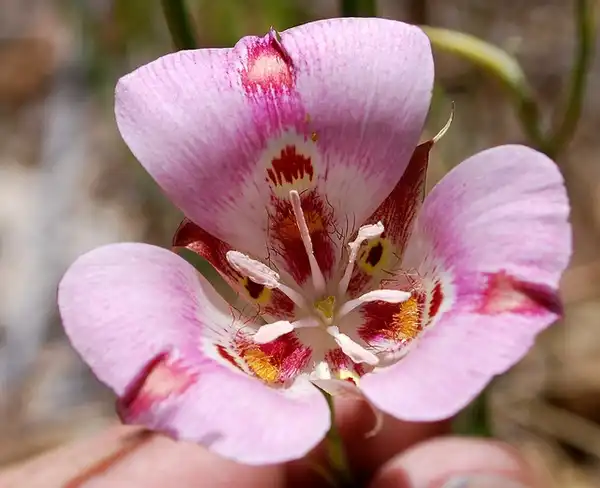
Unlike most lilies, petals differ in size and color from their sepals. Flowers can be white, yellow, pink, purple, bluish, or streaked. The insides of the petals are often very 'hairy'.
Pink
Purple/Lavender
White
Gold/Yellow
Red/Burgundy
Orange
Whole Plant Traits
Cultural Conditions
Full sun (6 or more hours of direct sunlight a day)
Landscape
Rock Garden
Native Garden

Calochortus Attributes

Calochortus: Country Or Region Of Origin

Western North America
Calochortus: Bulb Storage

Store corms dry at 60 to 70 degrees F.

Calochortus: Edibility

Edible bulbs.

Calochortus: Life Cycle

Annual
Biennial
Bulb
Perennial
Woody

Calochortus: Recommended Propagation Strategy

Division
Grafting
Layering
Leaf Cutting
Root Cutting
Seed
Stem Cutting

Calochortus Flowers

Calochortus: Flower Description

Unlike most lilies, petals differ in size and color from their sepals. Flowers can be white, yellow, pink, purple, bluish, or streaked. The insides of the petals are often very 'hairy'.

Calochortus: Flower Color

filter_vintage
Gold/Yellow
filter_vintage
Orange
filter_vintage
Pink
filter_vintage
Purple/Lavender
filter_vintage
Red/Burgundy
filter_vintage
White

Calochortus: Flower Value To Gardener

Edible
Fragrant
Good Cut
Good Dried
Long Bloom Season
Long-lasting
Showy

Calochortus: Flower Bloom Time

Winter
Spring
Summer
Fall

Calochortus Whole Plant Traits

Calochortus: Plant Type

Annual
Bulb
Carnivorous
Edible
Epiphyte
Fern
Ground Cover
Herb
Herbaceous Perennial
Houseplant
Mushroom
Native Plant
Ornamental Grasses and Sedges
Perennial
Poisonous
Rose
Shrub
Succulent
Tree
Turfgrass
Vegetable
Vine
Water Plant
Weed
Wildflower

Calochortus Cultural Conditions

Calochortus: Light

Dappled Sunlight (Shade through upper canopy all day)
Deep shade (Less than 2 hours to no direct sunlight)
Full sun (6 or more hours of direct sunlight a day)
Partial Shade (Direct sunlight only part of the day, 2-6 hours)

Calochortus Leaves

Calochortus: Hairs Present

No
Yes

Calochortus Stem

Calochortus: Stem Is Aromatic

No
Yes

Calochortus Landscape

Calochortus: Landscape Theme

Asian Garden
Butterfly Garden
Children's Garden
Cottage Garden
Cutting Garden
Drought Tolerant Garden
Edible Garden
English Garden
Fairy Garden
Garden for the Blind
Native Garden
Nighttime Garden
Pollinator Garden
Rain Garden
Rock Garden
Shade Garden
Water Garden
Winter Garden

Calochortus: Landscape Location

Coastal
Container
Hanging Baskets
Houseplants
Lawn
Meadow
Naturalized Area
Near Septic
Patio
Pond
Pool/Hardscape
Recreational Play Area
Riparian
Rock Wall
Slope/Bank
Small Space
Vertical Spaces
Walkways
Woodland