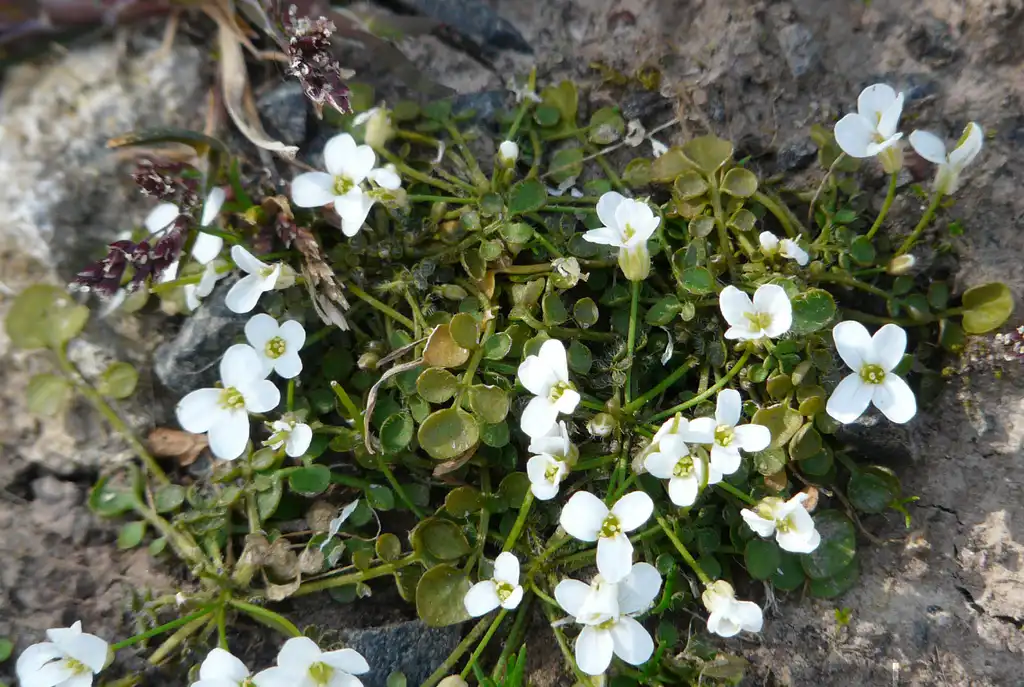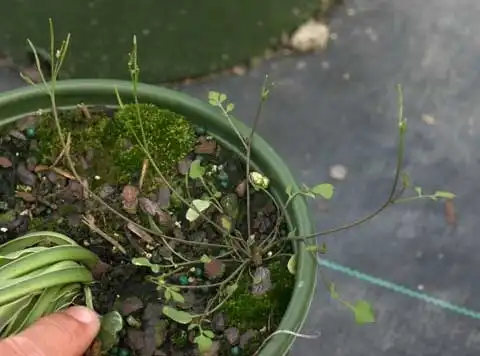
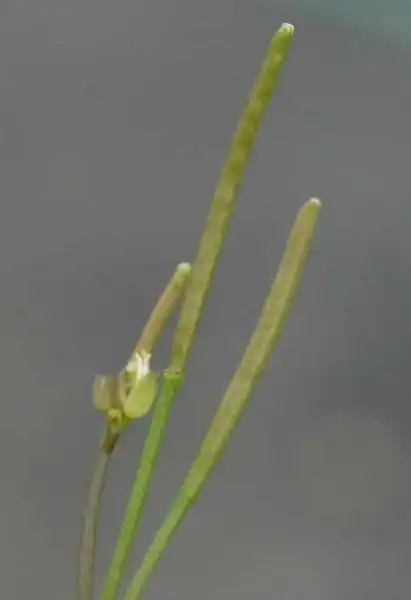
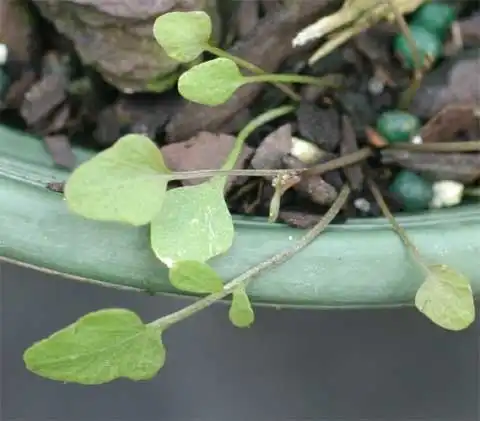
• Photo of Cardamine corymbosa (Cardamine corymbosas)

Plant Profile: Cardamine corymbosa

Names

New Zealand Bittercress

  • Photo of Cardamine corymbosa (Cardamine corymbosas)

Phonetic Spelling:kar-DA-mih-nee kor-rim-BOW-suh

Genus:Cardamine

Species:corymbosa

Family:Brassicaceae

New Zealand Bittercress is a perennial weed indigenous to New Zealand, with a broad distribution across several nearby islands. It has also become established in Australia, North America, Great Britain, and western Europe. Notably, this weed was discovered in a container nursery in Wilkes County, North Carolina, likely as a contaminant in a shipment of ornamental plants from a wholesale nursery in Oregon.

Belonging to the Brassicaceae family, commonly known as the mustard family, the genus name Cardamine is derived from the Greek term "Kardamon," which translates to "cress." The species name, corymbosa, comes from the Latin word "corymb," referring to the arrangement of the flowers.

The plant has a delicate, wiry appearance and grows low to the ground. Its roots are challenging to extract, making removal difficult. It produces single white flowers on upright stems that emerge from a rosette of vibrant green leaves. Seedpods form at the top of the stem and burst open to disperse seeds. To prevent further spread, it is advisable to remove the plant promptly upon discovery, as it can flower and mature within just a few weeks.

New Zealand Bittercress spreads primarily through horticultural contamination and can be found in various environments, including naturalized paths, cultivated areas, crevices, ledges, stream banks, forests, and their edges. It may also inhabit lawns, potted plants, and ornamental gardens, posing a significant challenge for container nurseries due to its invasive nature.

Cardamine corymbosa Feature Summary

Cardamine corymbosa Image Gallery

Tags

#invasive
#weed
#weedy

Similar Plants

Cardamine corymbosa Feature Summary

Attributes
Tasmania, New Zealand, Macquarie Islands
Native to Antipodean Island, Chatham Island, Macquarie Island, New Zealand North, New Zealand South, and Tasmania. Introduced in Australia, Great Britain, western Europe, and United States--North Carolina and Oregon
Fruit
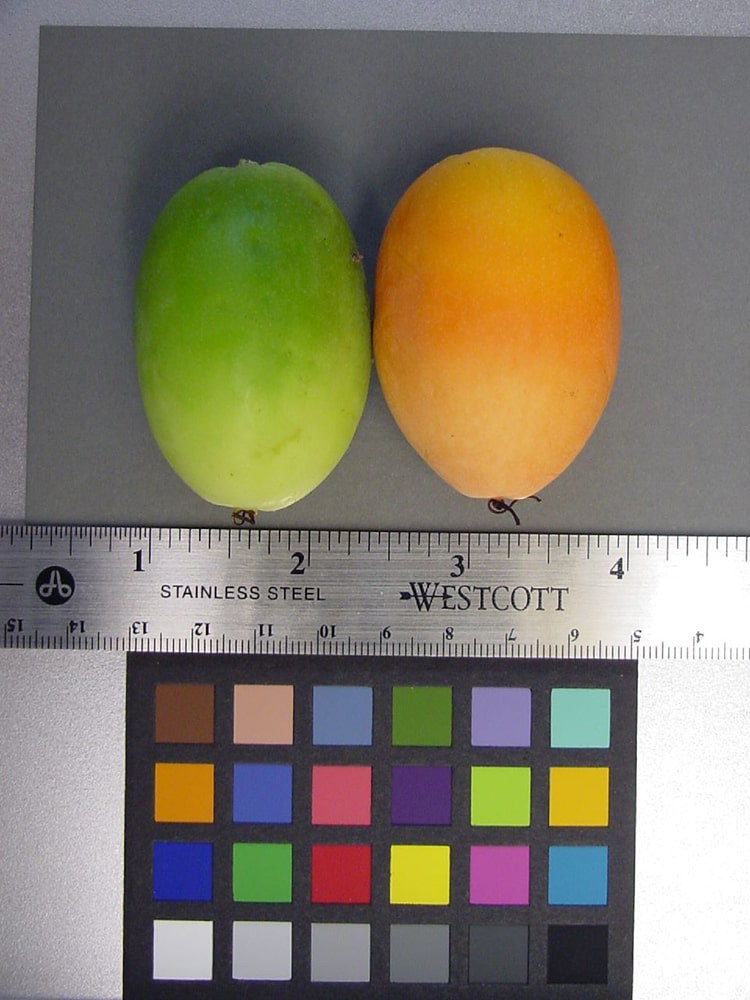
The seedpods emerge from the flower before the petals have dropped. Siliqua is smooth. They appear green, and then at maturity appear purple-brownish color. When they dehisce, tiny light green to light yellow-brown seeds is released.
Green
Brown/Copper
Purple/Lavender
Gold/Yellow
< 1 inch
Flowers
Small, single, white, four-petaled flowers arise from the stems. They bloom from early spring to fall.
Spring
Summer
Fall
4-5 petals/rays
< 1 inch
Leaves
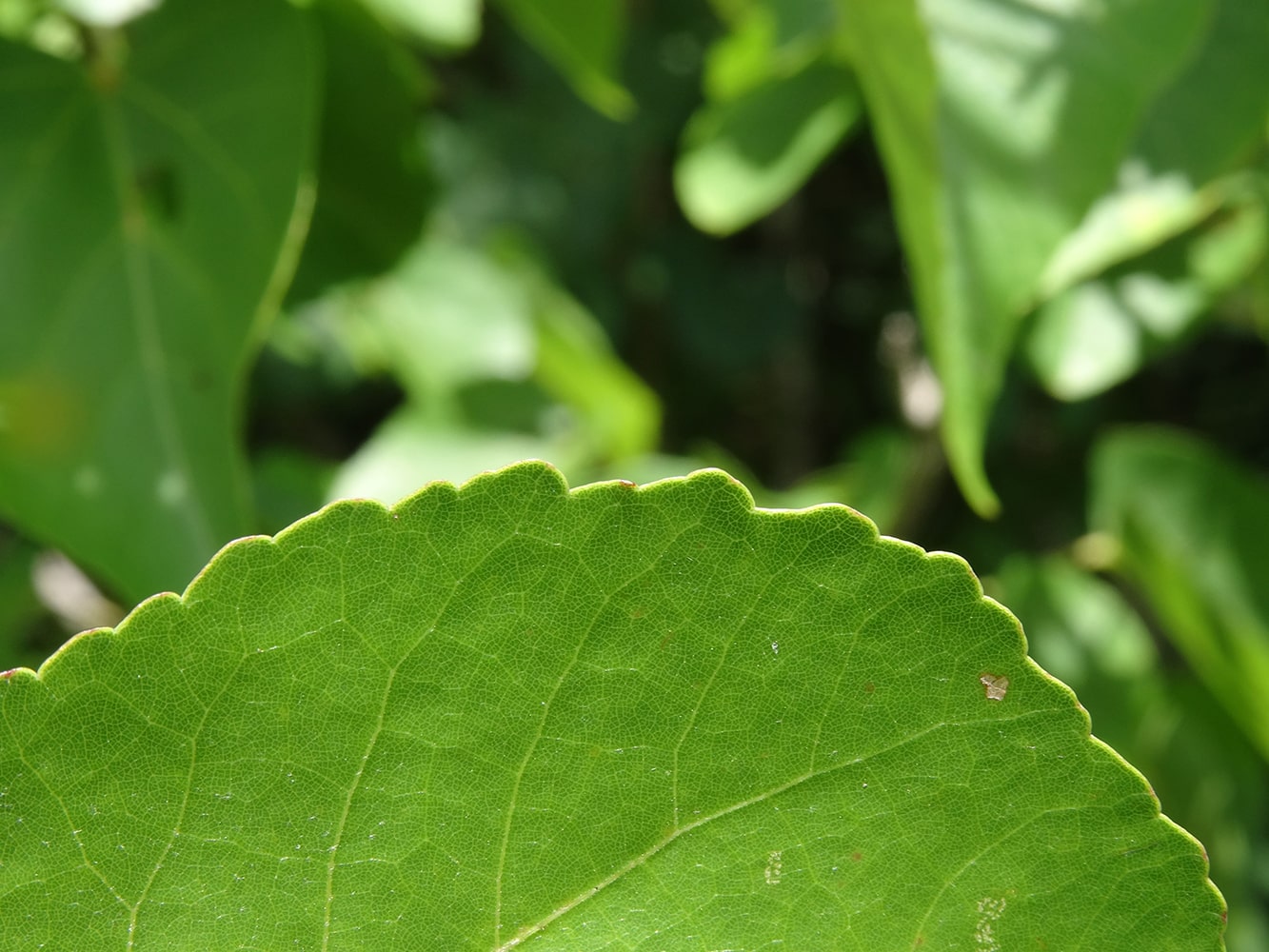
The green leaves form a single flat rosette or short lateral branches. They are generally single, egg-shaped leaflet on a long petiole, and occasionally have a pair of smaller leaflets below. The leaves are glabrous to sparsely hairy.
Cordate
Obtuse
< 1 inch
< 1 inch
Stem
The stem for the flower is green and approximately 2-3 inches long.
Straight
Whole Plant Traits
Perennial
Weed
Prostrate
Coarse
Cultural Conditions
Piedmont
Landscape
Container
Walkways
Woodland
Lawn
Slope/Bank
Hanging Baskets
Weedy
Invasive Species

Cardamine corymbosa Attributes

Cardamine corymbosa: Country Or Region Of Origin

Tasmania, New Zealand, Macquarie Islands
Cardamine corymbosa: Distribution

Native to Antipodean Island, Chatham Island, Macquarie Island, New Zealand North, New Zealand South, and Tasmania. Introduced in Australia, Great Britain, western Europe, and United States--North Carolina and Oregon

Cardamine corymbosa: Life Cycle

Annual
Biennial
Bulb
Perennial
Woody

Cardamine corymbosa: Recommended Propagation Strategy

Division
Grafting
Layering
Leaf Cutting
Root Cutting
Seed
Stem Cutting

Cardamine corymbosa Fruit

Cardamine corymbosa: Fruit Description

The seedpods emerge from the flower before the petals have dropped. Siliqua is smooth. They appear green, and then at maturity appear purple-brownish color. When they dehisce, tiny light green to light yellow-brown seeds is released.

Cardamine corymbosa: Fruit Type

Achene
Aggregate
Berry
Capsule
Caryopsis
Drupe
Follicle
Legume
Nut
Pome
Samara
Schizocarp
Siliqua

Cardamine corymbosa: Fruit Color

grass
Brown/Copper
grass
Gold/Yellow
grass
Green
grass
Purple/Lavender

Cardamine corymbosa: Fruit Length

< 1 inch
1-3 inches
> 3 inches

Cardamine corymbosa: Fruit Width

< 1 inch
1-3 inches
> 3 inches

Cardamine corymbosa Flowers

Cardamine corymbosa: Flower Description

Small, single, white, four-petaled flowers arise from the stems. They bloom from early spring to fall.

Cardamine corymbosa: Flower Color

filter_vintage
White

Cardamine corymbosa: Flower Inflorescence

Catkin
Corymb
Cyme
Head
Insignificant
Panicle
Raceme
Solitary
Spadix
Spike
Umbel

Cardamine corymbosa: Flower Bloom Time

Winter
Spring
Summer
Fall

Cardamine corymbosa: Flower Petals

2-3 rays/petals
4-5 petals/rays
6 petals/rays
7 - 20 petals/rays
asymmetrical petals
Bracts
Colored Sepals
fused petals
more than 20 petals/rays
Tepals

Cardamine corymbosa: Flower Shape

Bell
Cross
Crown
Cup
Dome
Funnel
Irregular
Lipped
Radial
Saucer
Star
Trumpet
Tubular
Urn
Wheel

Cardamine corymbosa: Flower Size

1-3 inches
3-6 inches
< 1 inch
> 6 inches

Cardamine corymbosa Leaves

Cardamine corymbosa: Leaf Description

The green leaves form a single flat rosette or short lateral branches. They are generally single, egg-shaped leaflet on a long petiole, and occasionally have a pair of smaller leaflets below. The leaves are glabrous to sparsely hairy.

Cardamine corymbosa: Leaf Color

spa
Green

Cardamine corymbosa: Leaf Shape

Acicular
Auriculate
Cordate
Cuneate
Deltoid
Elliptical
Filiform
Lanceolate
Linear
Oblanceolate
Oblong
Obovate
Obtuse
Orbicular
Ovate
Palmasect
Palmatifid
Peltate
Pinnatifid
Pinnatisect
Reniform
Rhomboidal
Spatulate
Subcordate
Subulate

Cardamine corymbosa: Leaf Margin

Crenate
Crenulate
Dentate
Denticulate
Doubly Crenate
Doubly Dentate
Doubly Serrate
Entire
Lobed
Serrate
Sinuate
Undulate

Cardamine corymbosa: Hairs Present

No
Yes

Cardamine corymbosa: Leaf Length

< 1 inch
1-3 inches
3-6 inches
> 6 inches

Cardamine corymbosa: Leaf Width

< 1 inch
1-3 inches
3-6 inches
> 6 inches

Cardamine corymbosa Stem

Cardamine corymbosa: Stem Description

The stem for the flower is green and approximately 2-3 inches long.

Cardamine corymbosa: Stem Color

grass
Green

Cardamine corymbosa: Stem Is Aromatic

No
Yes

Cardamine corymbosa: Stem Form

Straight
Zig Zags

Cardamine corymbosa Whole Plant Traits

Cardamine corymbosa: Plant Type

Annual
Bulb
Carnivorous
Edible
Epiphyte
Fern
Ground Cover
Herb
Herbaceous Perennial
Houseplant
Mushroom
Native Plant
Ornamental Grasses and Sedges
Perennial
Poisonous
Rose
Shrub
Succulent
Tree
Turfgrass
Vegetable
Vine
Water Plant
Weed
Wildflower

Cardamine corymbosa: Habit/Form

Arching
Ascending
Broad
Cascading
Climbing
Clumping
Columnar
Conical
Creeping
Dense
Erect
Horizontal
Irregular
Mounding
Multi-stemmed
Multi-trunked
Open
Oval
Prostrate
Pyramidal
Rounded
Spreading
Vase
Weeping

Cardamine corymbosa: Growth Rate

Slow
Medium
Rapid

Cardamine corymbosa: Maintenance

Low
Medium
High

Cardamine corymbosa: Texture

Fine
Medium
Coarse

Cardamine corymbosa Cultural Conditions

Cardamine corymbosa: NC Region

Coastal
Mountains
Piedmont

Cardamine corymbosa Landscape

Cardamine corymbosa: Landscape Location

Coastal
Container
Hanging Baskets
Houseplants
Lawn
Meadow
Naturalized Area
Near Septic
Patio
Pond
Pool/Hardscape
Recreational Play Area
Riparian
Rock Wall
Slope/Bank
Small Space
Vertical Spaces
Walkways
Woodland

Cardamine corymbosa: Problems

Allelopathic
Contact Dermatitis
Frequent Disease Problems
Frequent Insect Problems
Invasive Species
Malodorous
Messy
Poisonous to Humans
Problem for Cats
Problem for Children
Problem for Dogs
Problem for Horses
Short-lived
Spines/Thorns
Weak Wood
Weedy