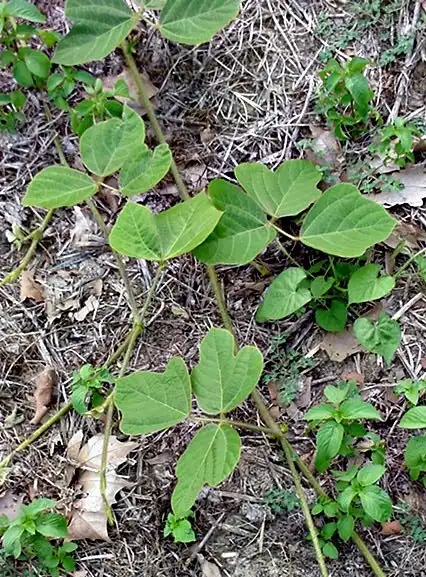
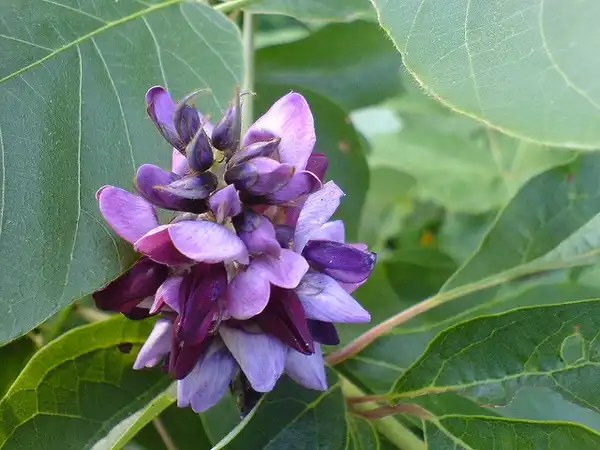
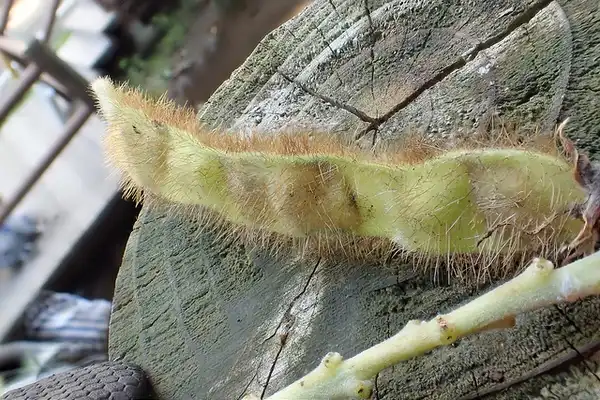
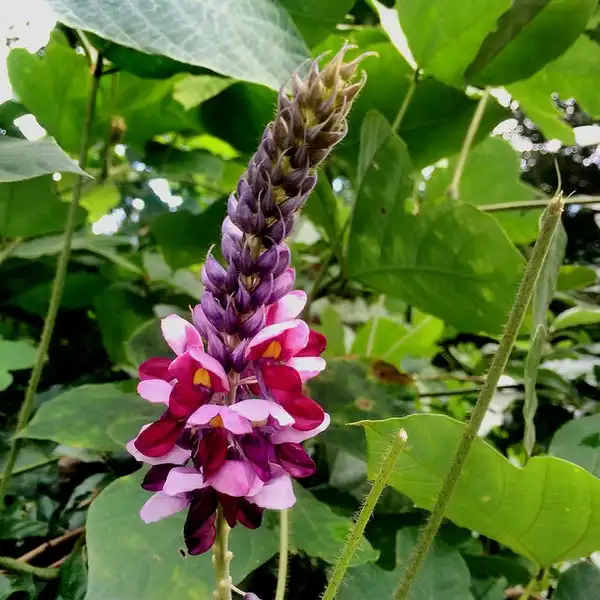
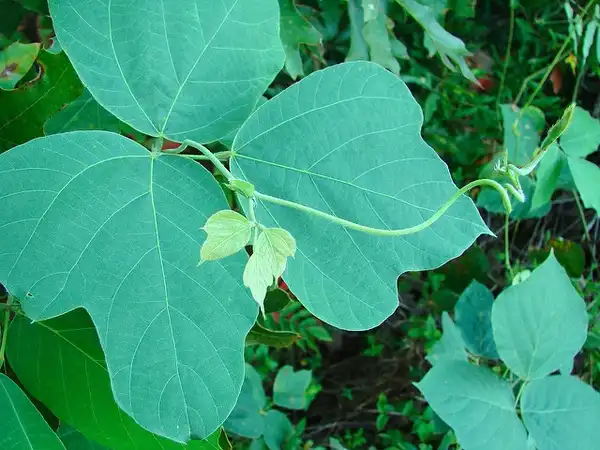
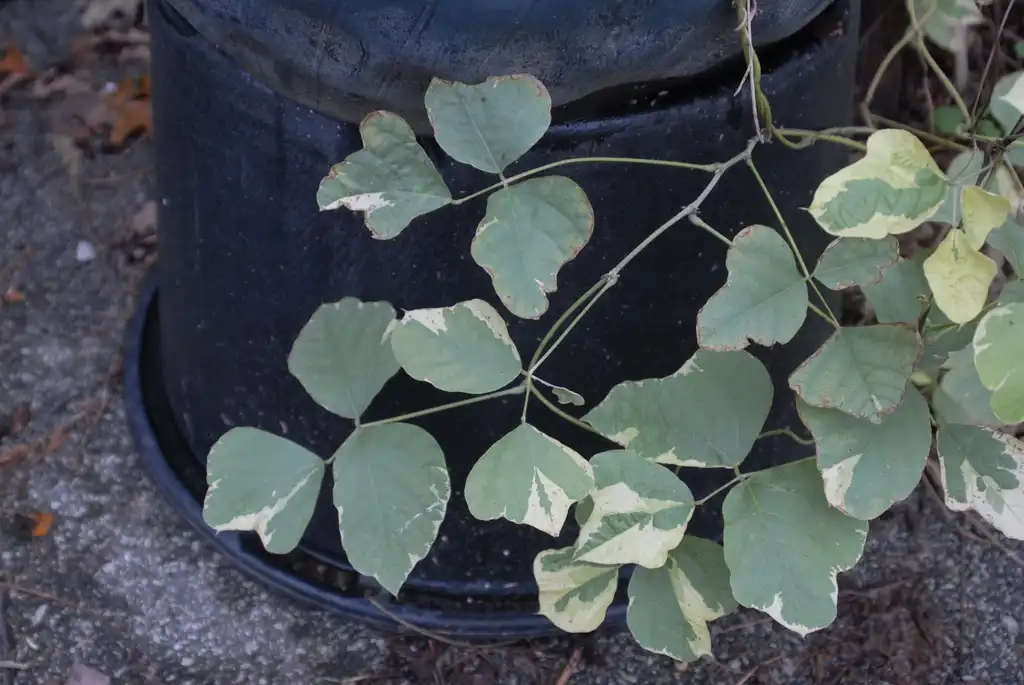
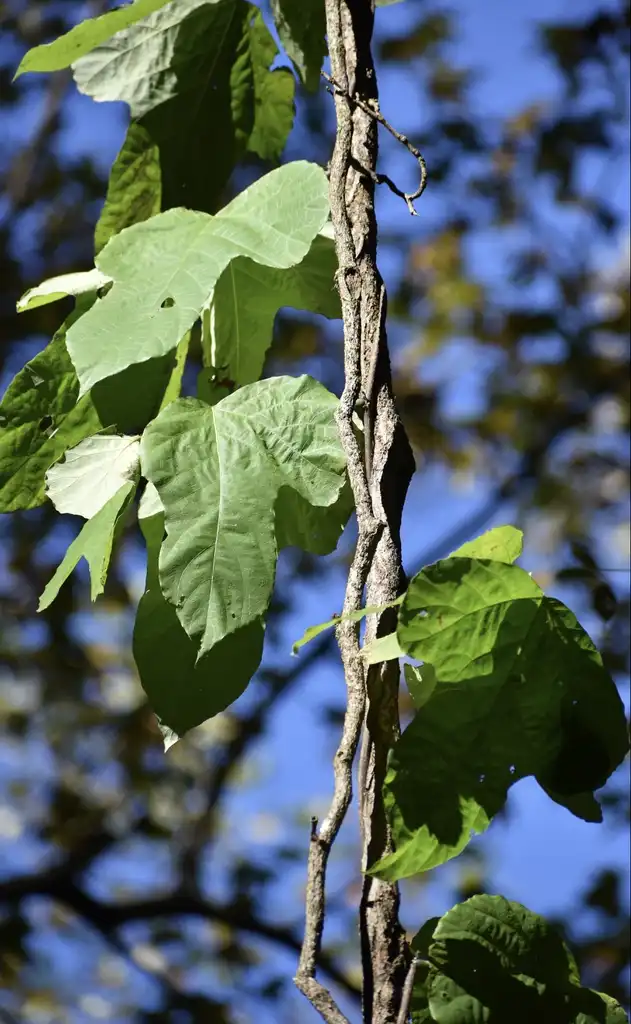
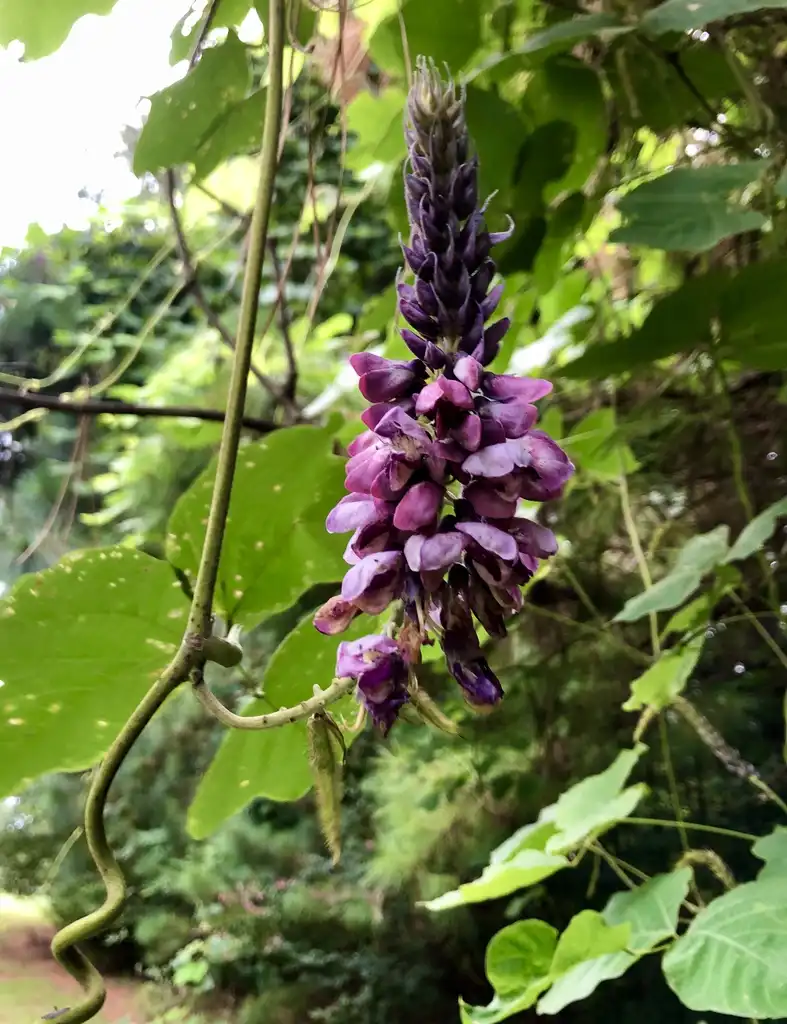
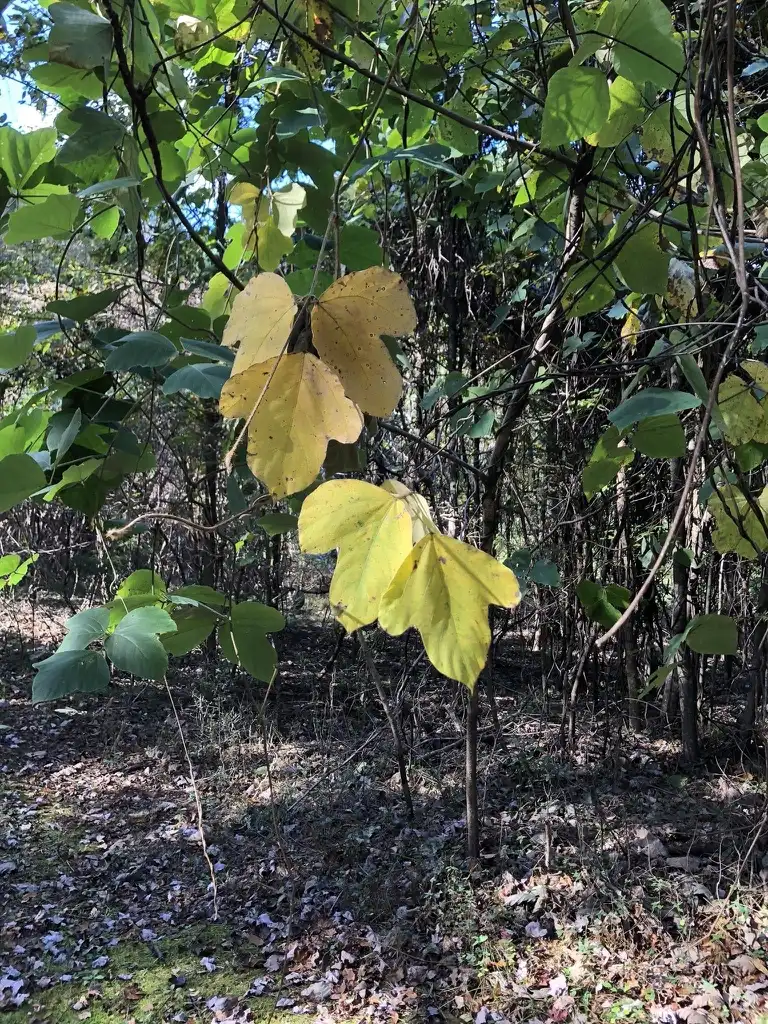
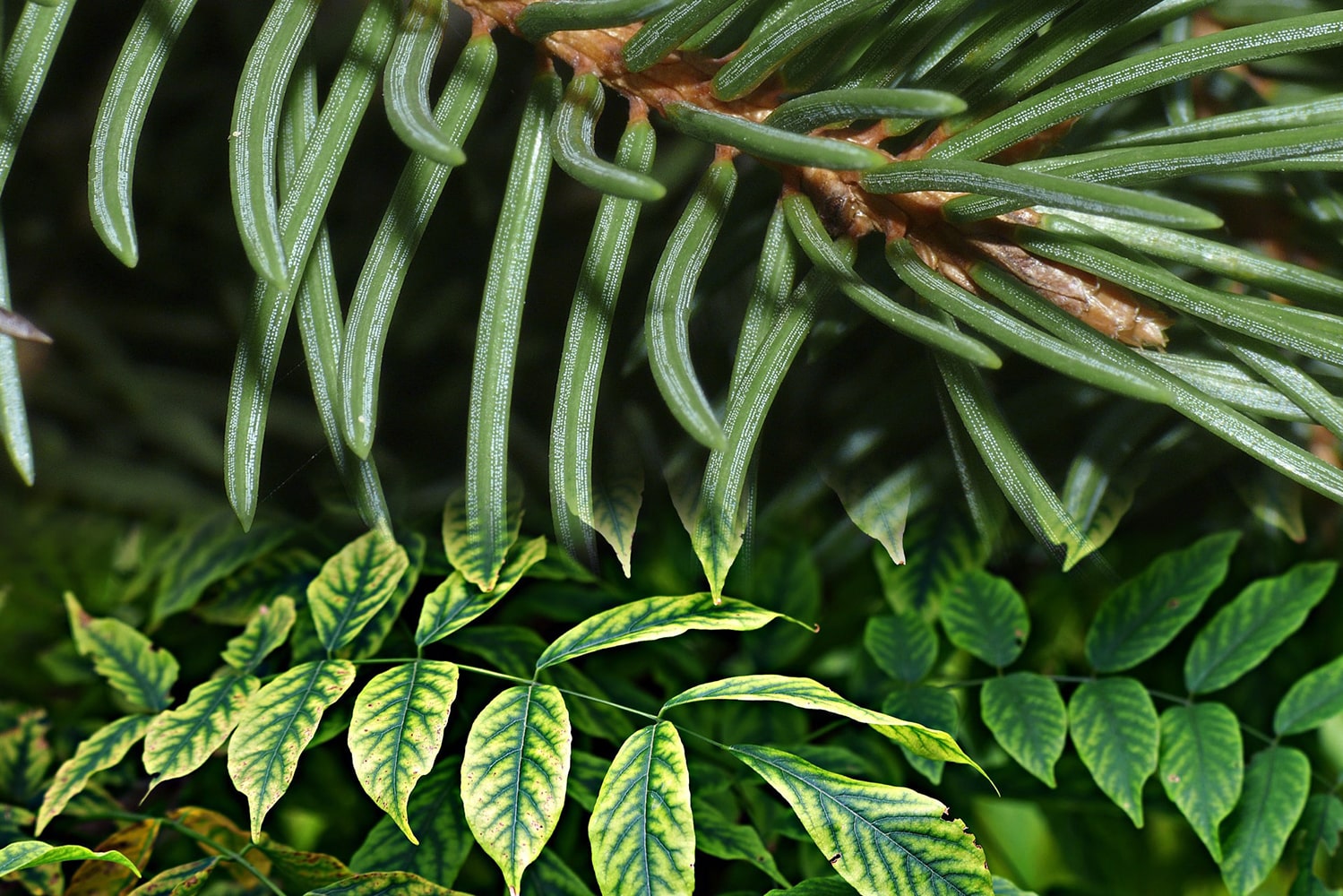
Kudzu is a deciduous woody vine commonly found in riparian zones, along roadways, in fields, and on the edges of various landscapes. Belonging to the pea family (Fabaceae), it originates from the Pacific islands and regions of eastern and Southeast Asia. In the southeastern United States, it is regarded as an invasive species or noxious weed due to its aggressive growth habits, which allow it to spread across the ground and climb over trees and shrubs, ultimately suffocating them by blocking sunlight. This vine has a unique ability to reproduce vegetatively through stolons and rhizomes, taking root at nearly every node that touches the soil. Kudzu was introduced to the U.S. from Asia in the 1800s with the intention of controlling soil erosion. It thrives in moist, well-drained loamy soils and prefers full sunlight. While the plant is edible and can serve as forage for livestock, it offers little benefit to wildlife. As a member of the pea family, it has the ability to fix nitrogen, making it particularly competitive in nitrogen-poor environments.
In terms of management, mature kudzu stands pose significant challenges. Consequently, this plant is not advisable for use in southern landscapes.
For further details on Pueraria montana, additional resources are available.