Alliaria petiolata: Country Or Region Of Origin
Europe, western and central Asia, and Africa
Phonetic Spelling:al-ee-AR-ee-uh pet-ee-oh-LAH-tuh
Genus:Alliaria
Species:petiolata
Family:Brassicaceae
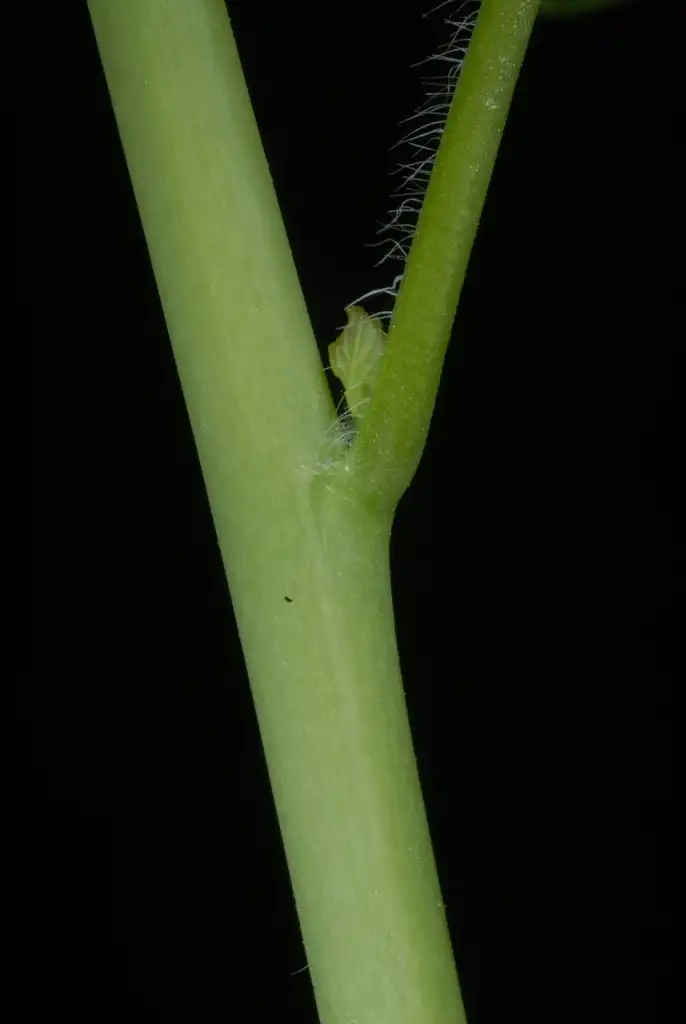
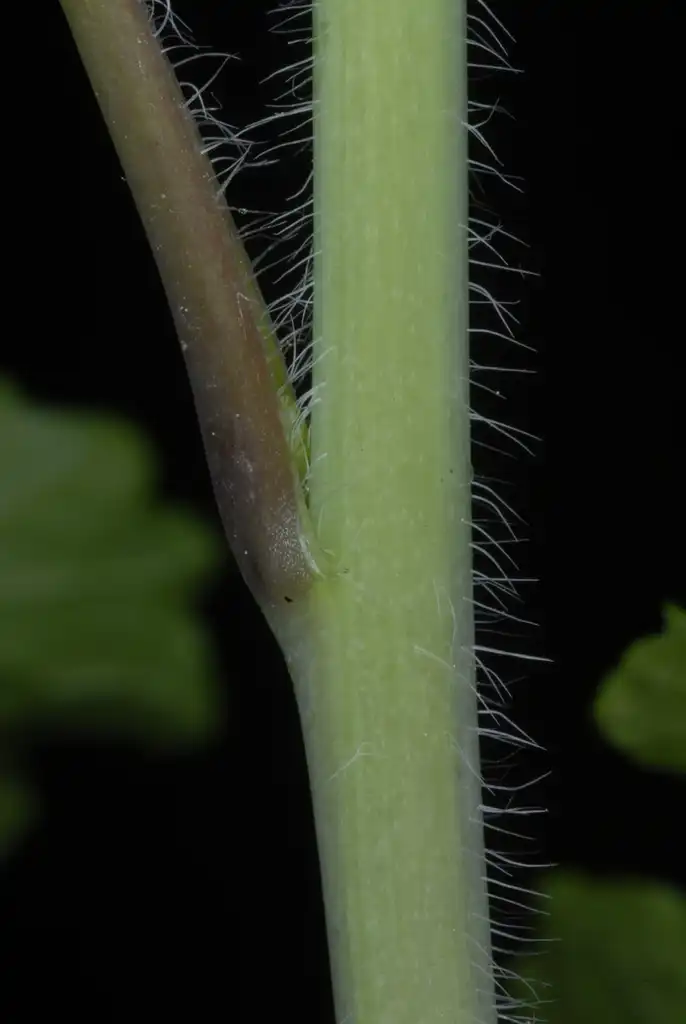
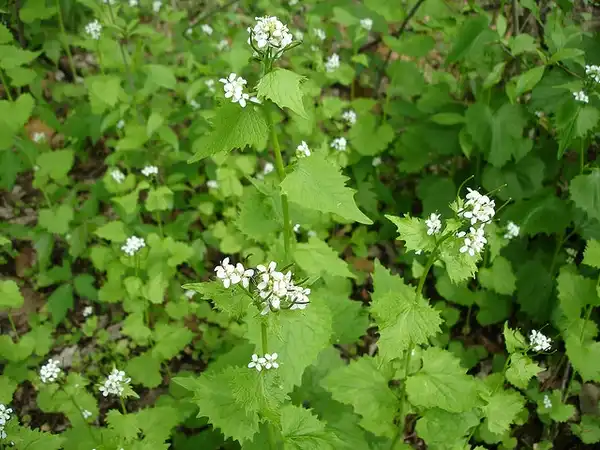
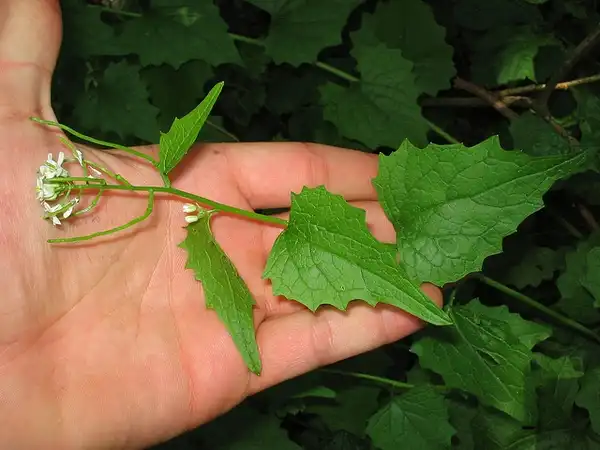
Alliaria petiolata, commonly known as Garlic Mustard, is a biennial herbaceous plant belonging to the mustard family (Brassicaceae). This species is indigenous to Europe, western and central Asia, and Africa, but it was brought to North America as a culinary herb in 1860. Since then, it has become invasive in numerous U.S. states due to its rhizomatous roots and underground stems, which allow it to spread roots and shoots extensively. In natural settings, Garlic Mustard typically thrives in moist hedgerows, woodland edges, and other shaded areas. In cultivated landscapes, it often outcompetes native wildflowers that bloom in spring. Effective control methods include uprooting the plants and applying herbicides to their foliage. Merely cutting the flowering stalks is insufficient, as Garlic Mustard can regenerate new stalks, and any cut stalks left on the ground can still produce mature seeds.
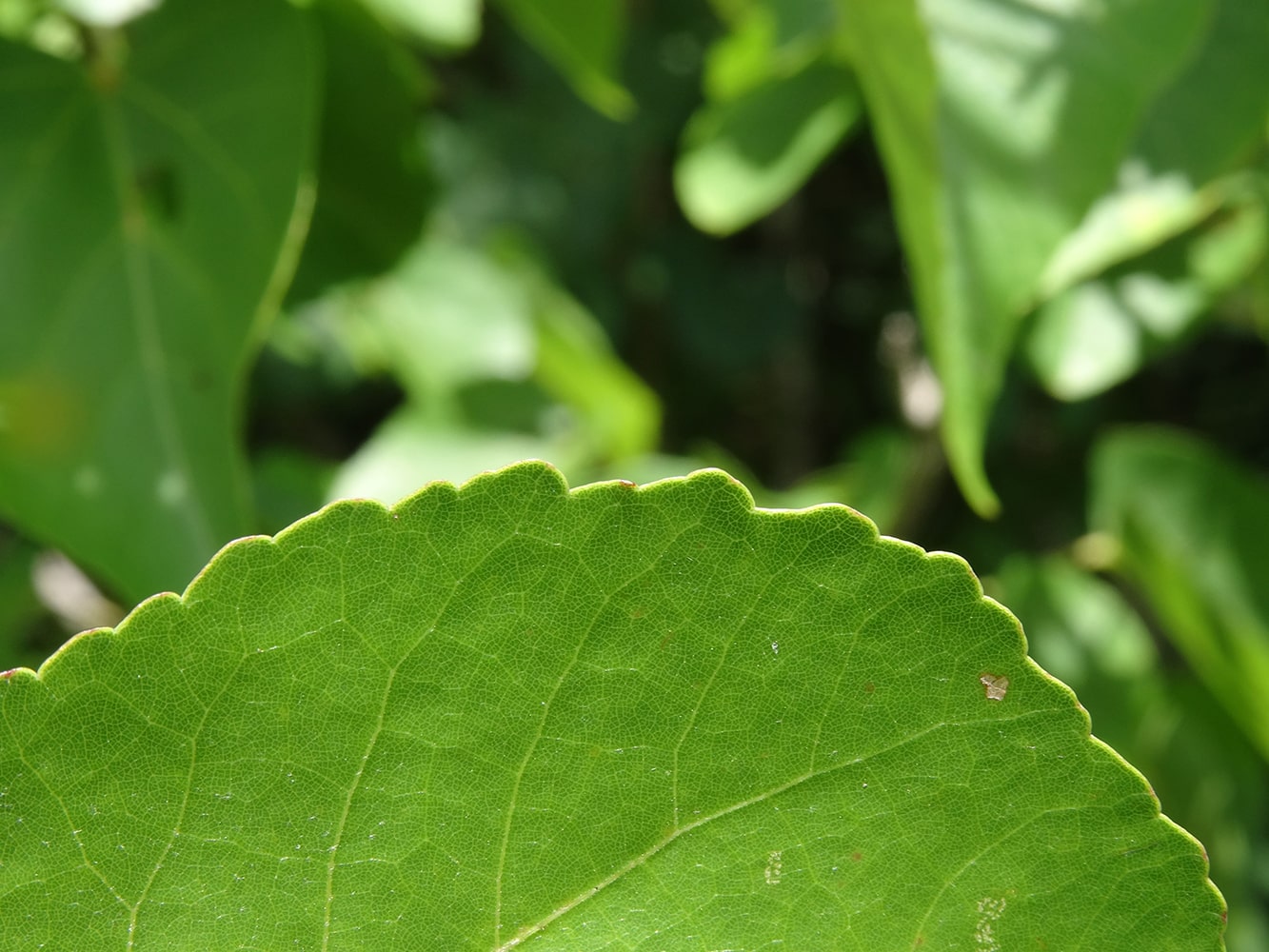
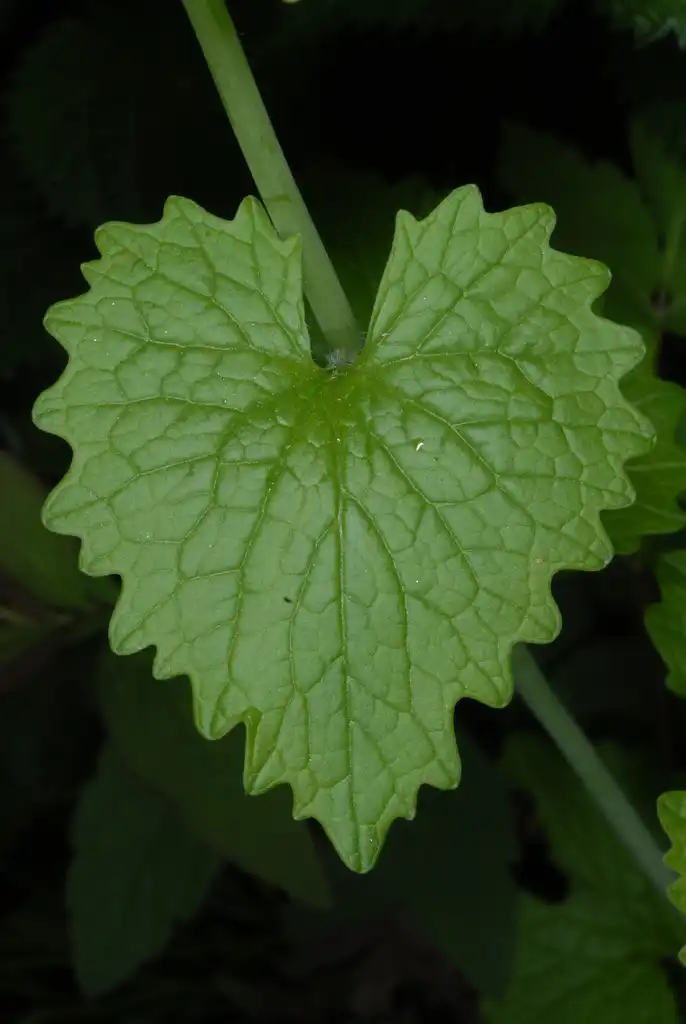
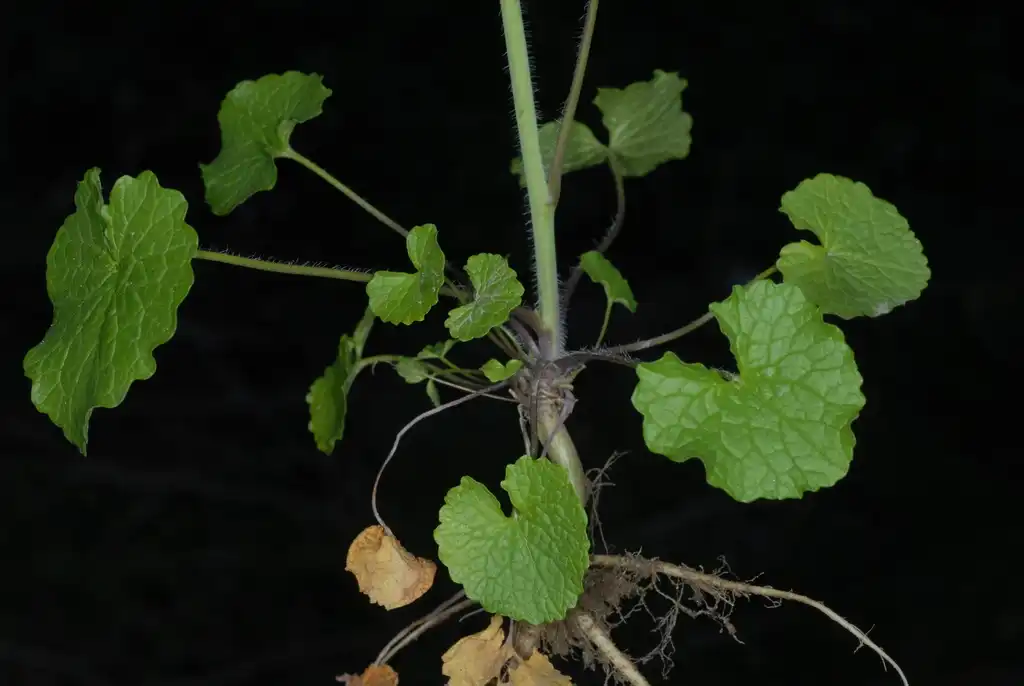
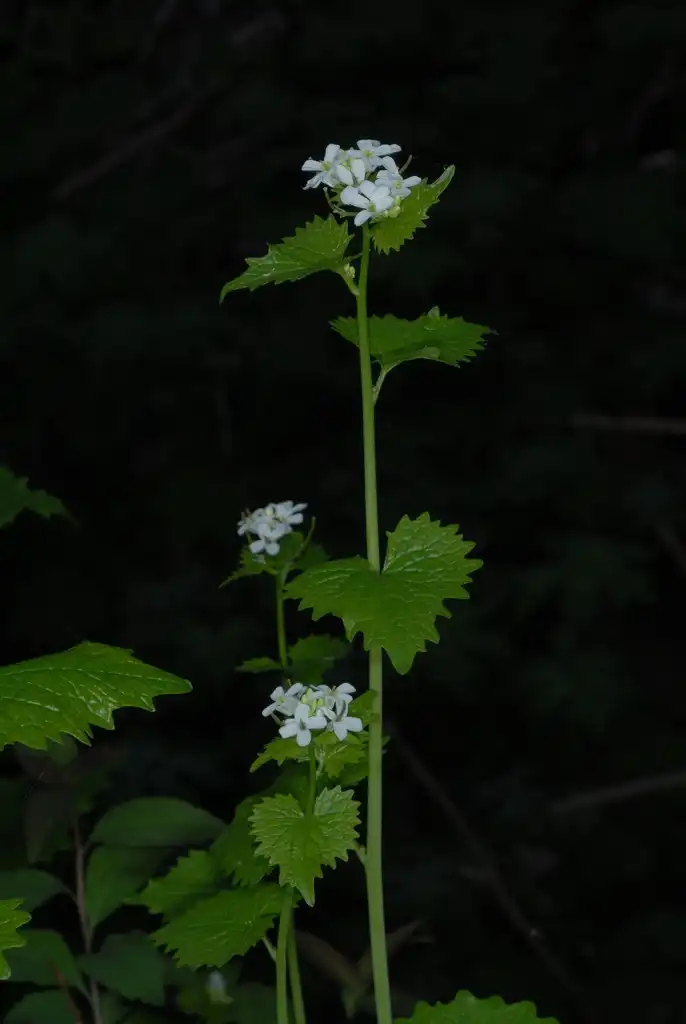
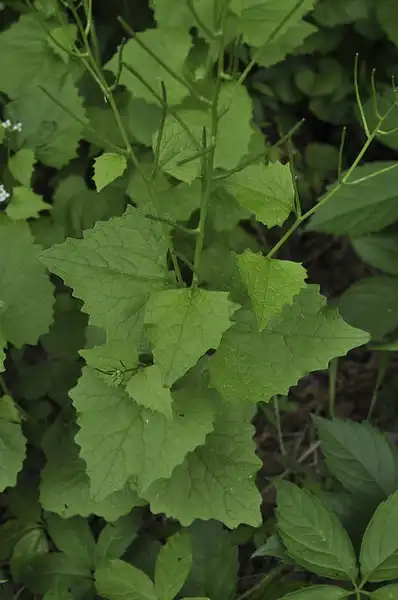
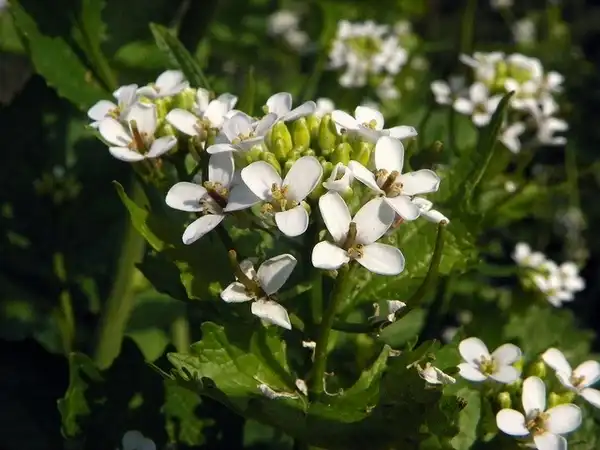
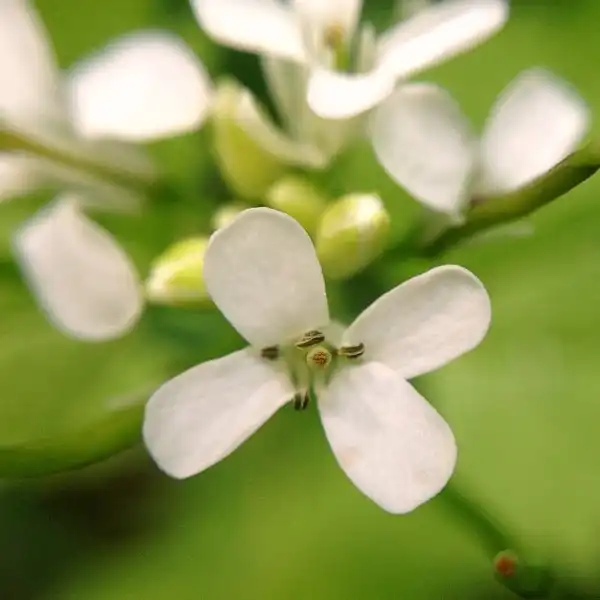
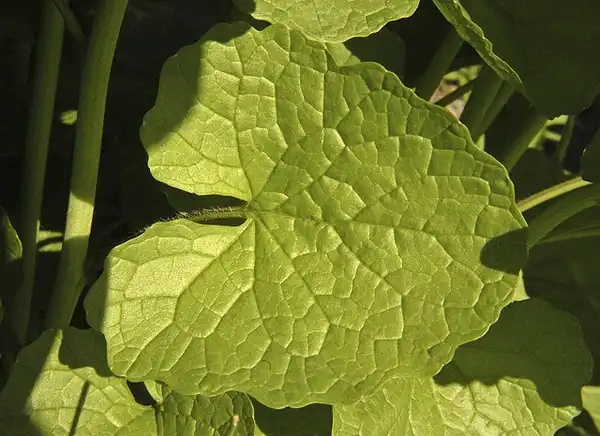
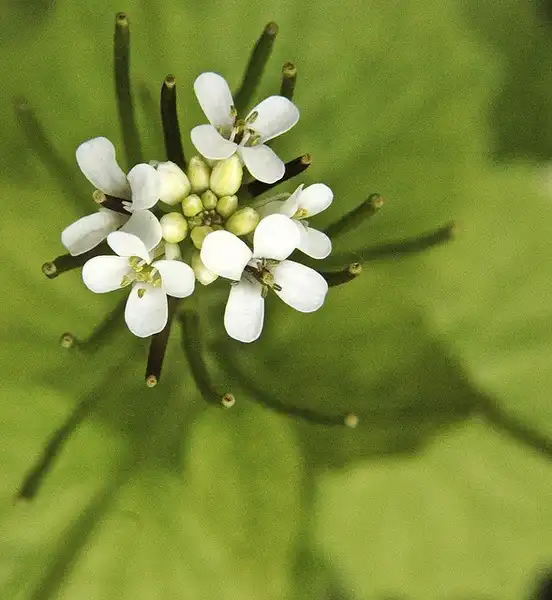
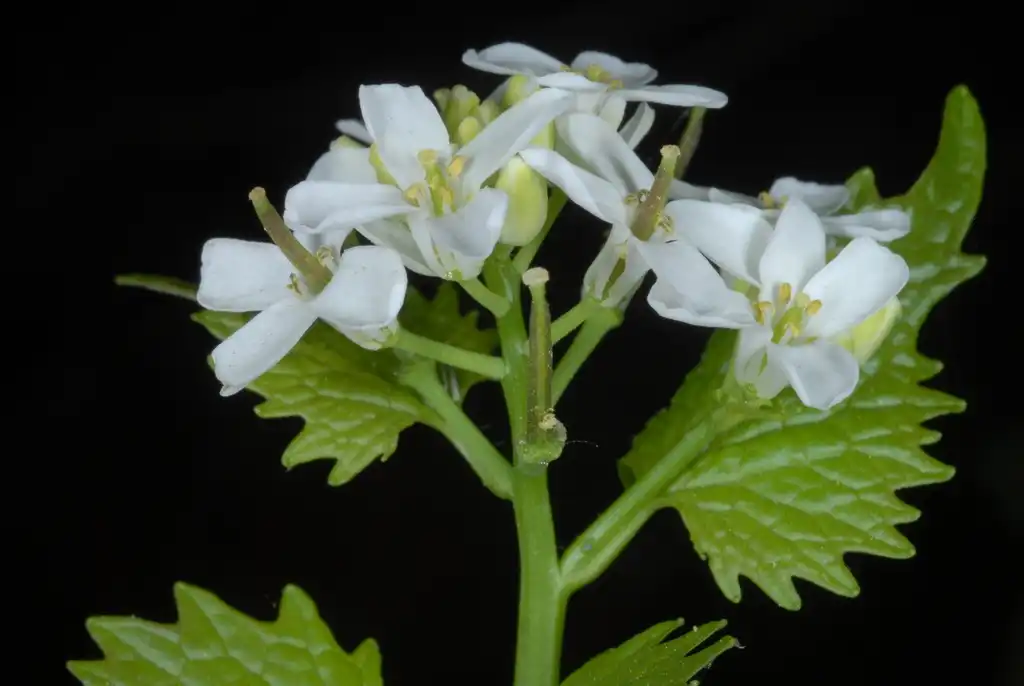
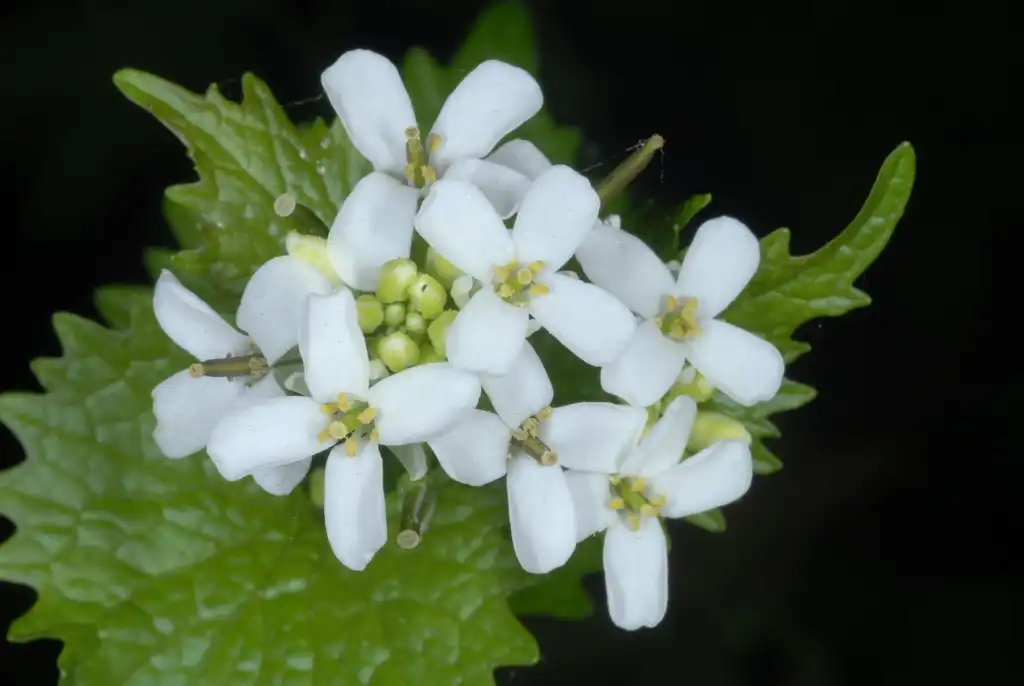
Garlic Mustard favors partial sunlight to medium shade, thrives in moist to mesic environments, and prefers loamy, fertile soil. During its first year, the plant develops clumps of coarsely toothed leaves that are round to heart-shaped, measuring 4 to 6 inches (10-15 cm) in length and 2 to 4.5 inches (5-9 cm) in width. In the following spring, it produces clusters of small, cross-shaped white flowers with four petals. The fruit is a four-sided elongated pod, approximately 4 inches (10-15.5 cm) long, which starts off green and matures to a gray-brown color. Inside, the pod contains two rows of shiny black seeds that are released when it splits open in mid-summer. A single Garlic Mustard plant can generate hundreds of seeds, which can disperse several meters from the parent plant. The crushed leaves emit a garlic-like aroma.
**Diseases, Insect Pests, and Other Plant Problems:**
Currently, there are no known issues with diseases or pests affecting Garlic Mustard.
Alliaria petiolata Feature Summary
Alliaria petiolata Image Gallery