Allium: Country Or Region Of Origin
Northern Hemisphere, North America and Eurasia
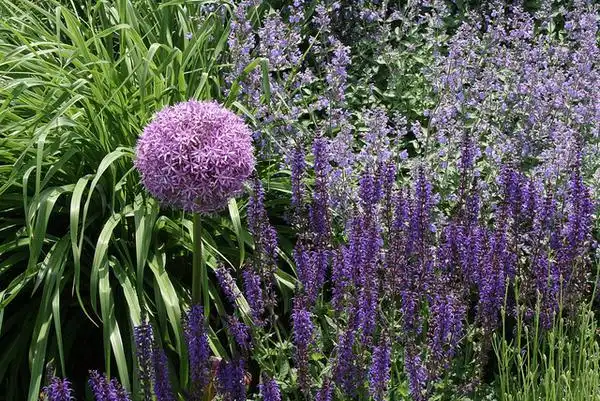
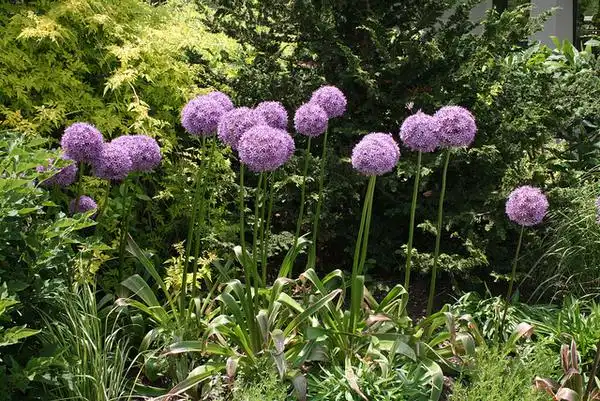
Phonetic Spelling:AL-ee-um
Genus:Allium
Species:
Family:Amaryllidaceae
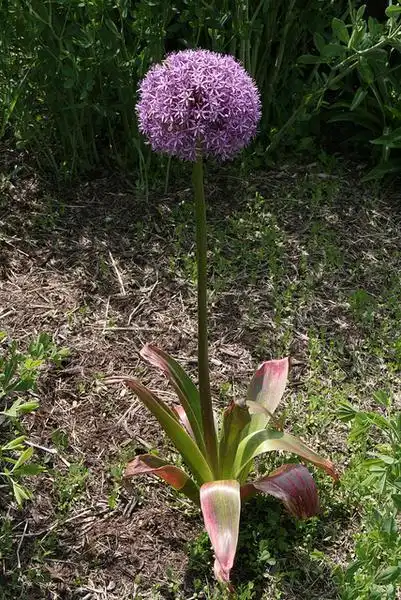
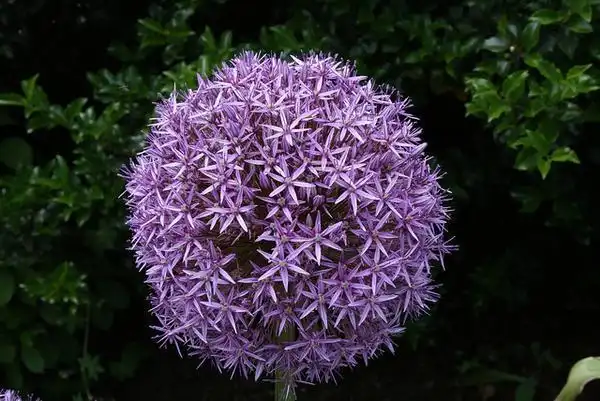
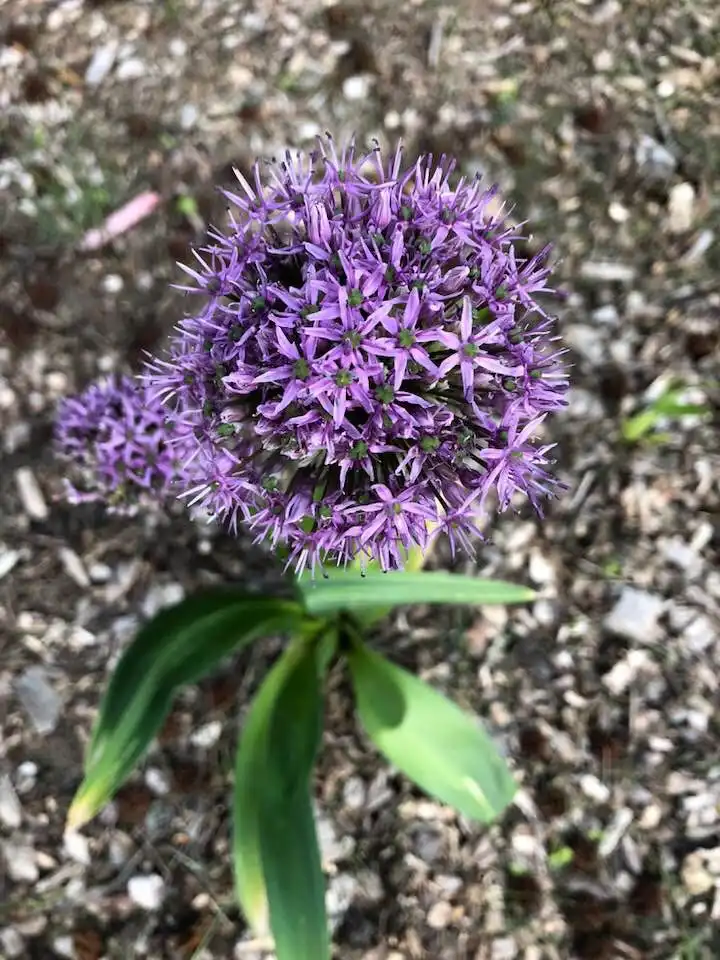
Allium, often known as ornamental onions, are bulbous herbs distinguished by their characteristic onion or garlic scent, which emanates from their elongated, basal leaves. This genus encompasses hundreds of species, including not only the ornamental varieties but also the garlic and onions cultivated for culinary use. Many species are indigenous to the northern hemisphere, thriving in arid, mountainous terrains. While they are often cultivated in gardens, ornamental onions can also be found in their natural habitat, growing in forests and appearing as weeds in disturbed areas. The genus comprises around 700 species, with the majority flowering from late spring to early summer.
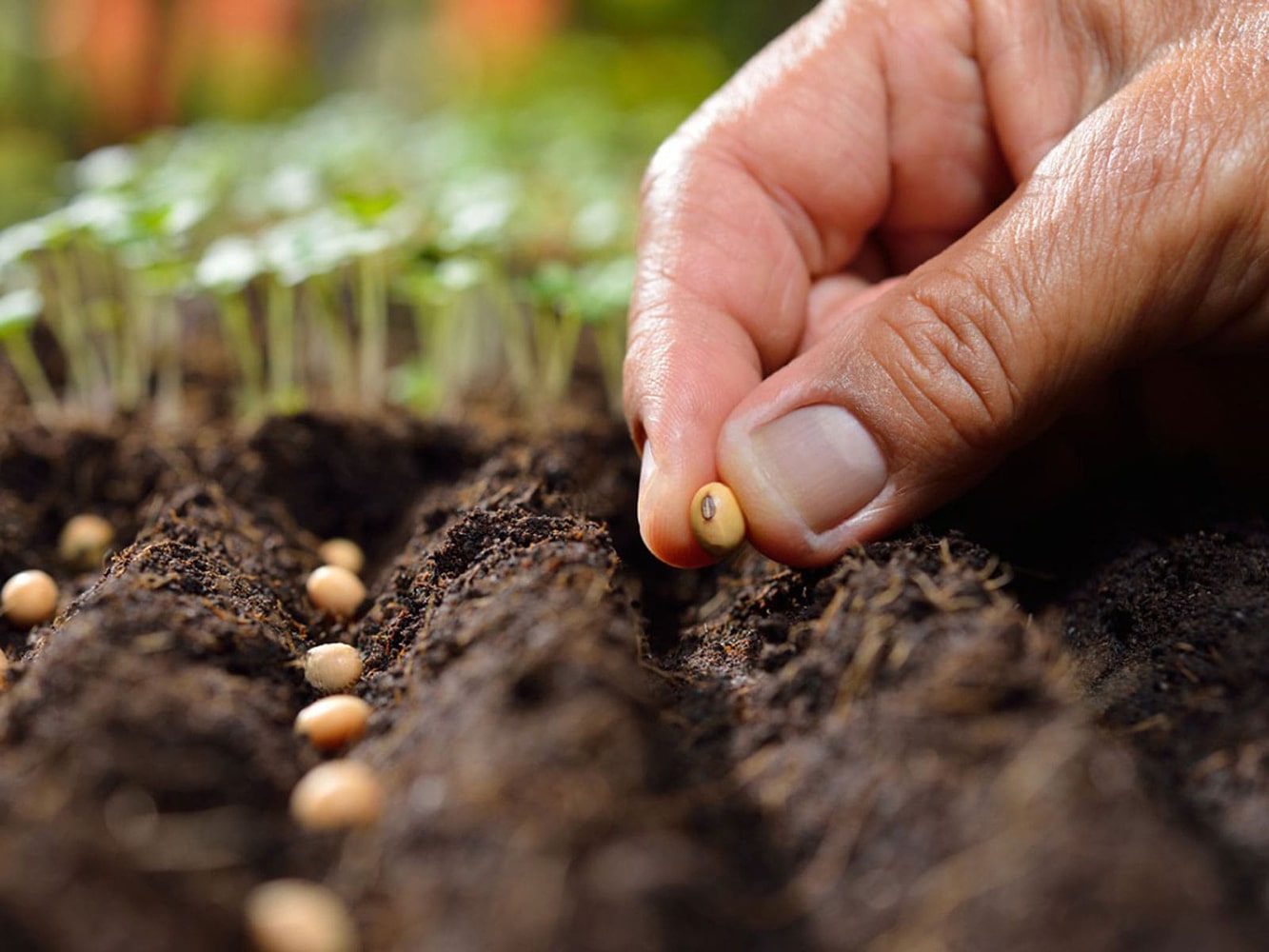
The simplest way to propagate ornamental onions is through division, as they readily produce bulb offsets. For optimal results, these offsets should be divided and planted in the spring. Although sowing seeds is another possibility, some varieties may take several years to germinate. After blooming, the foliage may appear unhealthy, so it is advisable to trim the leaves to rejuvenate the plant. To safeguard non-hardy species during the winter, it is recommended to dig them up and store them.
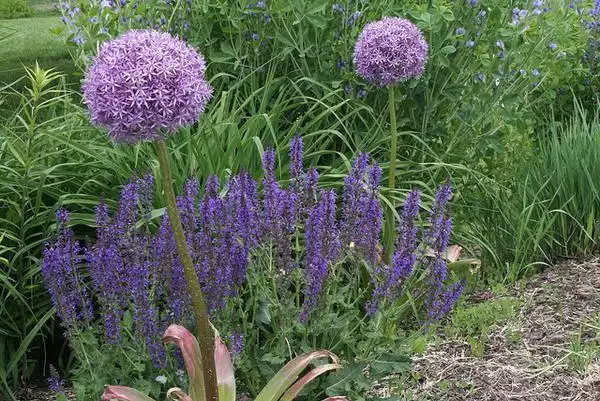
Ornamental onions are ideal for various garden settings, including border gardens, rock gardens, and edible gardens, or for creating mass plantings. They thrive in full sunlight and prefer rich, sandy loam soil, planted at a depth of 5 to 8 inches and spaced 6 to 12 inches apart. Their blooming period typically spans from late spring to early summer.
Regarding pests and plant health, ornamental onions are susceptible to fungal diseases, particularly in overly moist conditions, which can lead to issues such as bulb rot, white rot, rust, and mildew.