Plant Profile: Persicaria perfoliata

Taxonomy: Persicaria perfoliata

Names

Asiatic Tearthumb, Devil's Tail, Giant Climbing Tearthumb, Mile-a-minute

  • Photo of Persicaria perfoliata (Persicaria perfoliatas)

Phonetic Spelling:

Genus:Persicaria

Species:perfoliata

Family:Polygonaceae

Mile-a-minute is an annual vine classified as a weed within the buckwheat family and is recognized as the sole noxious weed in North Carolina. This plant grows rapidly, featuring long, trailing stems adorned with triangular leaves. The stems are characterized by their red color, jointed structure, and the presence of curved prickles. You can find this invasive species in disturbed environments such as roadsides, ditches, and streambanks across 11 states along the East Coast, as well as in Oregon, where it was introduced from Asia in the 1830s. Mile-a-minute aggressively climbs over other vegetation, obstructing sunlight and ultimately leading to their demise.

This weed thrives in bright, sunny locations with moist, well-drained soil, but it is also capable of invading dry, shaded areas.

Persicaria perfoliata Feature Summary

Persicaria perfoliata Image Gallery

Tags

#invasive
#weed
#weedy
#high maintenance
#fast growing
#aggressive
#Noxious Weed List
#blue fruits
#disturbed areas
#water dispersed seeds
#animal dispersed seeds

Similar Plants

Persicaria perfoliata Feature Summary

Attributes
East Asia, Phillipines
Fruit
Metallic blue-purple fruits are self-pollinated. The fruits are segmented and contain one glossy black or red-black seed. They appear in grape-like groups at stem tips mid-summer and last through the first frost. Fruits are bouyant so can float down waterways and are also transported by birds.
Purple/Lavender
Blue
Flowers
Tiny white flowers, insignificant, lack any petals form around 1 inch long spikes in the axils of upper leaves or at the tips of stems.
Insignificant
Spike
Leaves
Triangular thin alternate lime green leaves 1-3 inches long and wide with prickles on the undersurface along the midrib. Petioles are attached on the underside of the leaf in the middle.
1-3 inches
1-3 inches
Stem
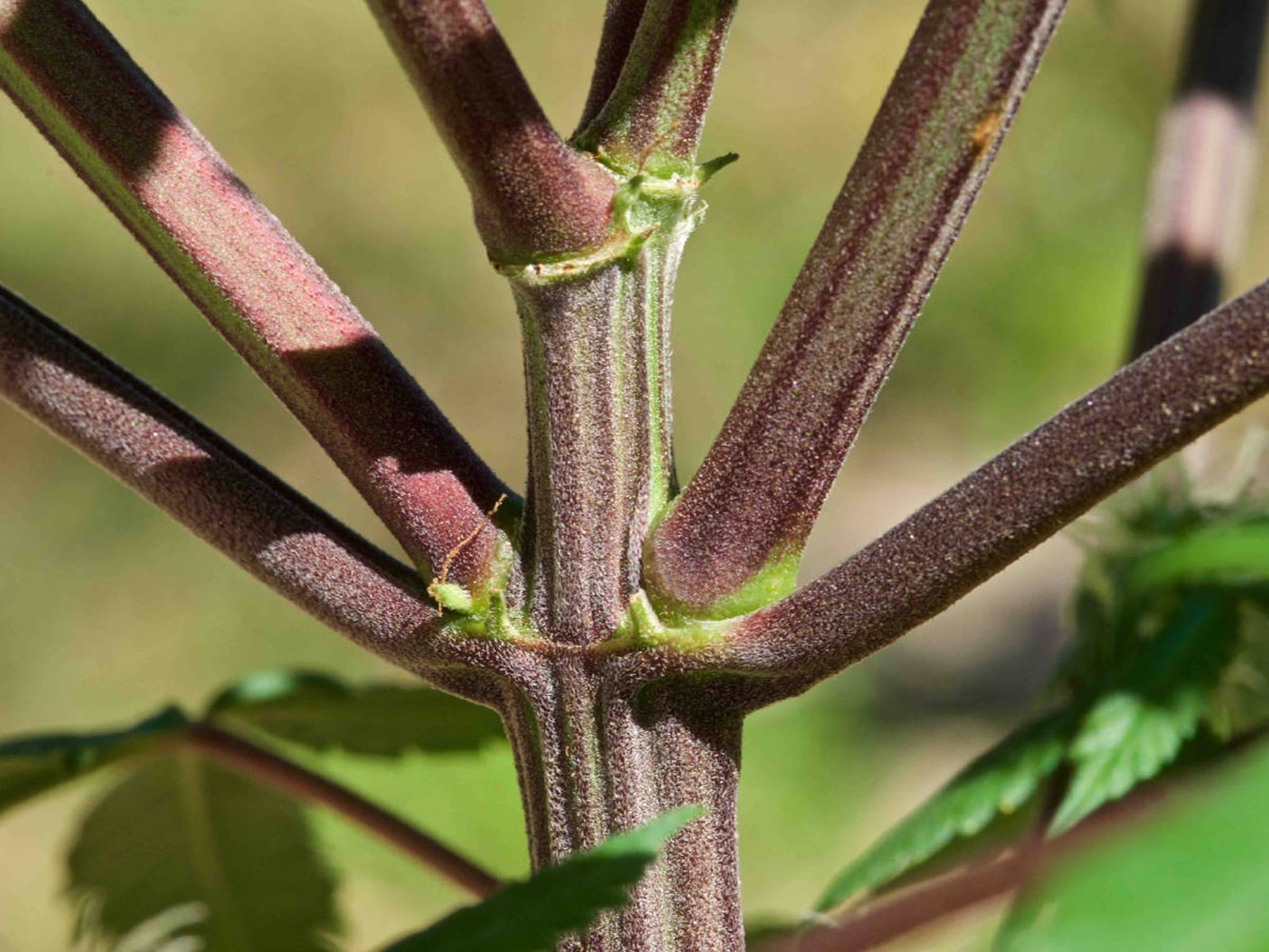
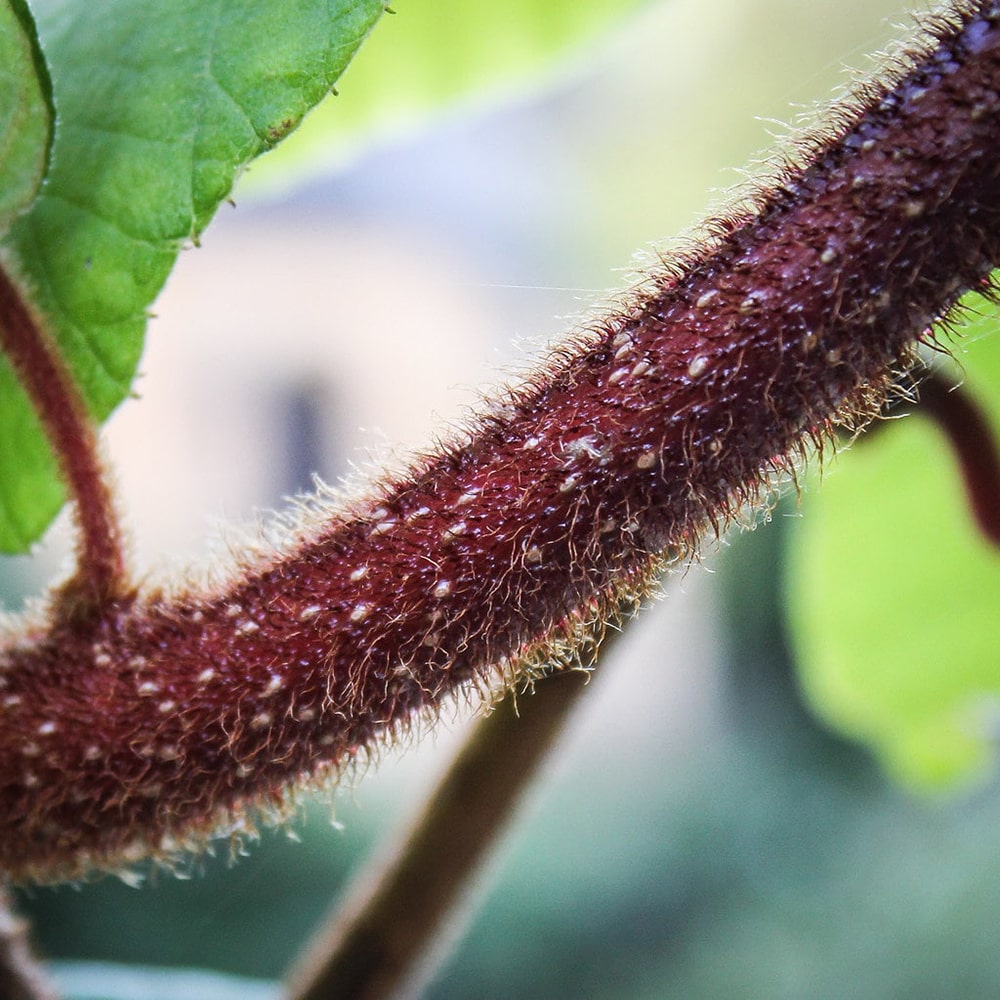
Slender red stems have curved prickles along them. Stems are jointed at the nodes with rounded leaf-like stipules called ocrea.
Red/Burgundy
Whole Plant Traits
Vine
Weed
Dense
Spreading
Prickles
Cultural Conditions
Full sun (6 or more hours of direct sunlight a day)
Partial Shade (Direct sunlight only part of the day, 2-6 hours)
Good Drainage
Moist
Occasionally Dry
Landscape
Weedy
Spines/Thorns
Invasive Species

Persicaria perfoliata Attributes

Persicaria perfoliata: Country Or Region Of Origin

East Asia, Phillipines

Persicaria perfoliata: Life Cycle

Annual
Biennial
Bulb
Perennial
Woody

Persicaria perfoliata: Climbing Method

Clinging
Scrambler
Tendrils
Twining

Persicaria perfoliata Fruit

Persicaria perfoliata: Fruit Description

Metallic blue-purple fruits are self-pollinated. The fruits are segmented and contain one glossy black or red-black seed. They appear in grape-like groups at stem tips mid-summer and last through the first frost. Fruits are bouyant so can float down waterways and are also transported by birds.

Persicaria perfoliata: Fruit Color

grass
Blue
grass
Purple/Lavender

Persicaria perfoliata: Display/Harvest Time

Fall
Spring
Summer
Winter

Persicaria perfoliata Flowers

Persicaria perfoliata: Flower Description

Tiny white flowers, insignificant, lack any petals form around 1 inch long spikes in the axils of upper leaves or at the tips of stems.

Persicaria perfoliata: Flower Color

filter_vintage
White

Persicaria perfoliata: Flower Inflorescence

Catkin
Corymb
Cyme
Head
Insignificant
Panicle
Raceme
Solitary
Spadix
Spike
Umbel

Persicaria perfoliata Leaves

Persicaria perfoliata: Leaf Description

Triangular thin alternate lime green leaves 1-3 inches long and wide with prickles on the undersurface along the midrib. Petioles are attached on the underside of the leaf in the middle.

Persicaria perfoliata: Leaf Color

spa
Green

Persicaria perfoliata: Leaf Type

Compound (Pinnately , Bipinnately, Palmately)
Fronds
Needles
Sheath
Simple

Persicaria perfoliata: Leaf Arrangement

Alternate
Opposite
Other/more complex
Rosulate
Whorled

Persicaria perfoliata: Leaf Shape

Acicular
Auriculate
Cordate
Cuneate
Deltoid
Elliptical
Filiform
Lanceolate
Linear
Oblanceolate
Oblong
Obovate
Obtuse
Orbicular
Ovate
Palmasect
Palmatifid
Peltate
Pinnatifid
Pinnatisect
Reniform
Rhomboidal
Spatulate
Subcordate
Subulate

Persicaria perfoliata: Hairs Present

No
Yes

Persicaria perfoliata: Leaf Length

< 1 inch
1-3 inches
3-6 inches
> 6 inches

Persicaria perfoliata: Leaf Width

< 1 inch
1-3 inches
3-6 inches
> 6 inches

Persicaria perfoliata Stem

Persicaria perfoliata: Stem Description

Slender red stems have curved prickles along them. Stems are jointed at the nodes with rounded leaf-like stipules called ocrea.

Persicaria perfoliata: Stem Color

grass
Red/Burgundy

Persicaria perfoliata: Stem Is Aromatic

No
Yes

Persicaria perfoliata Whole Plant Traits

Persicaria perfoliata: Plant Type

Annual
Bulb
Carnivorous
Edible
Epiphyte
Fern
Ground Cover
Herb
Herbaceous Perennial
Houseplant
Mushroom
Native Plant
Ornamental Grasses and Sedges
Perennial
Poisonous
Rose
Shrub
Succulent
Tree
Turfgrass
Vegetable
Vine
Water Plant
Weed
Wildflower

Persicaria perfoliata: Habit/Form

Arching
Ascending
Broad
Cascading
Climbing
Clumping
Columnar
Conical
Creeping
Dense
Erect
Horizontal
Irregular
Mounding
Multi-stemmed
Multi-trunked
Open
Oval
Prostrate
Pyramidal
Rounded
Spreading
Vase
Weeping

Persicaria perfoliata: Growth Rate

Slow
Medium
Rapid

Persicaria perfoliata: Maintenance

Low
Medium
High

Persicaria perfoliata: Appendage

Prickles
Spines
Tendrils
Thorns

Persicaria perfoliata Cultural Conditions

Persicaria perfoliata: Light

Dappled Sunlight (Shade through upper canopy all day)
Deep shade (Less than 2 hours to no direct sunlight)
Full sun (6 or more hours of direct sunlight a day)
Partial Shade (Direct sunlight only part of the day, 2-6 hours)

Persicaria perfoliata: Soil Drainage

Frequent Standing Water
Good Drainage
Moist
Occasional Flooding
Occasionally Dry
Occasionally Wet
Very Dry

Persicaria perfoliata Landscape

Persicaria perfoliata: Problems

Allelopathic
Contact Dermatitis
Frequent Disease Problems
Frequent Insect Problems
Invasive Species
Malodorous
Messy
Poisonous to Humans
Problem for Cats
Problem for Children
Problem for Dogs
Problem for Horses
Short-lived
Spines/Thorns
Weak Wood
Weedy