Plant Profile: Imperata cylindrica

Taxonomy: Imperata cylindrica

Names

Cogongrass, Cogon Grass, Japanese Blood Grass

  • Photo of Imperata cylindrica (Imperata cylindricas)

Phonetic Spelling:

Genus:Imperata

Species:cylindrica

Family:Poaceae

Japanese Bloodgrass is a highly invasive weed in North Carolina, known for its rapid spread via scaly rhizomes, making it challenging to control. The plant features green leaf blades and seldom produces flowers.

In terms of pests and diseases, it faces no significant threats from insects or illnesses, but its invasive nature remains a concern.

Imperata cylindrica Feature Summary

Imperata cylindrica Image Gallery
Tags

#invasive
#drought tolerant
#weed
#weedy
#high maintenance
#air pollution tolerant
#fast growing
#aggressive
#self-seeding
#poor soils tolerant
#black walnut toxicity tolerant

Similar Plants

Imperata cylindrica Feature Summary

Attributes
It has been used in traditional medicines.
Africa, Europe, Asia
Perennial
Flowers
Infrequently flowers in northern parts of its growing region but flowers freely in tropical areas. 16" long panicle that branch out into racemes.
Leaves
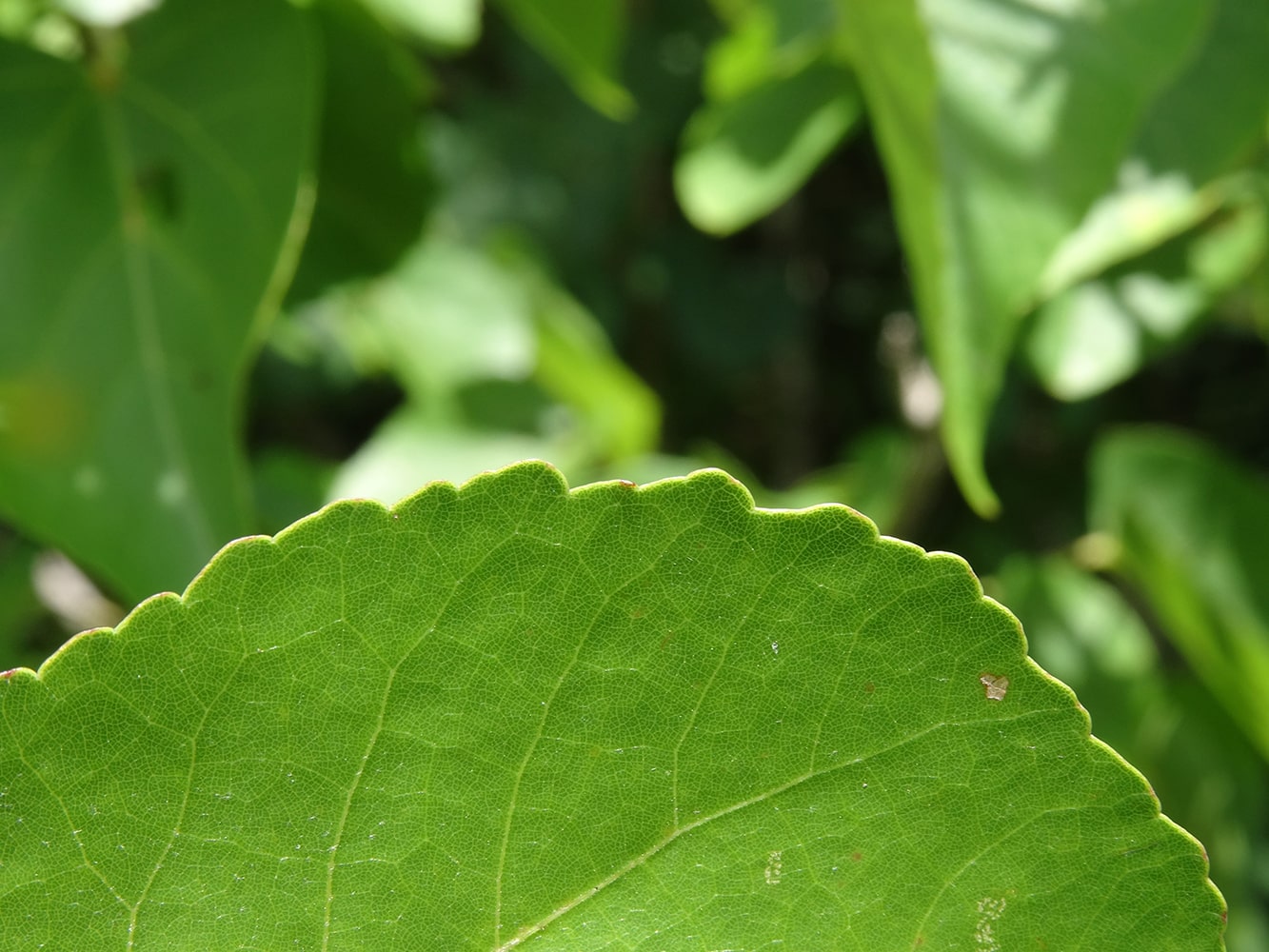
Basal stiff leaf blades are yellow green 3/4" wide and 30" long with tiny serrated margins, light green or white mid ribs that are of center and pointed tips.
Green
Gold/Yellow
> 6 inches
< 1 inch
Whole Plant Traits
Weed
Ornamental Grasses and Sedges
Erect
Spreading
Clumping
Cultural Conditions
Full sun (6 or more hours of direct sunlight a day)
Partial Shade (Direct sunlight only part of the day, 2-6 hours)
Good Drainage
Moist
Occasionally Dry
3 feet-6 feet
12 inches-3 feet
5b
5a
6a
6b
7a
7b
8b
8a
9a
9b
Landscape
Drought
Pollution
Black Walnut
Poor Soil
Weedy
Invasive Species

Imperata cylindrica Attributes

Imperata cylindrica: Uses (Ethnobotany)

It has been used in traditional medicines.

Imperata cylindrica: Country Or Region Of Origin

Africa, Europe, Asia

Imperata cylindrica: Life Cycle

Annual
Biennial
Bulb
Perennial
Woody

Imperata cylindrica: Recommended Propagation Strategy

Division
Grafting
Layering
Leaf Cutting
Root Cutting
Seed
Stem Cutting

Imperata cylindrica Flowers

Imperata cylindrica: Flower Description

Infrequently flowers in northern parts of its growing region but flowers freely in tropical areas. 16" long panicle that branch out into racemes.

Imperata cylindrica: Flower Inflorescence

Catkin
Corymb
Cyme
Head
Insignificant
Panicle
Raceme
Solitary
Spadix
Spike
Umbel

Imperata cylindrica Leaves

Imperata cylindrica: Leaf Description

Basal stiff leaf blades are yellow green 3/4" wide and 30" long with tiny serrated margins, light green or white mid ribs that are of center and pointed tips.

Imperata cylindrica: Leaf Color

spa
Gold/Yellow
spa
Green

Imperata cylindrica: Leaf Margin

Crenate
Crenulate
Dentate
Denticulate
Doubly Crenate
Doubly Dentate
Doubly Serrate
Entire
Lobed
Serrate
Sinuate
Undulate

Imperata cylindrica: Hairs Present

No
Yes

Imperata cylindrica: Leaf Length

< 1 inch
1-3 inches
3-6 inches
> 6 inches

Imperata cylindrica: Leaf Width

< 1 inch
1-3 inches
3-6 inches
> 6 inches

Imperata cylindrica Whole Plant Traits

Imperata cylindrica: Plant Type

Annual
Bulb
Carnivorous
Edible
Epiphyte
Fern
Ground Cover
Herb
Herbaceous Perennial
Houseplant
Mushroom
Native Plant
Ornamental Grasses and Sedges
Perennial
Poisonous
Rose
Shrub
Succulent
Tree
Turfgrass
Vegetable
Vine
Water Plant
Weed
Wildflower

Imperata cylindrica: Habit/Form

Arching
Ascending
Broad
Cascading
Climbing
Clumping
Columnar
Conical
Creeping
Dense
Erect
Horizontal
Irregular
Mounding
Multi-stemmed
Multi-trunked
Open
Oval
Prostrate
Pyramidal
Rounded
Spreading
Vase
Weeping

Imperata cylindrica: Growth Rate

Slow
Medium
Rapid

Imperata cylindrica: Maintenance

Low
Medium
High

Imperata cylindrica Cultural Conditions

Imperata cylindrica: Light

Dappled Sunlight (Shade through upper canopy all day)
Deep shade (Less than 2 hours to no direct sunlight)
Full sun (6 or more hours of direct sunlight a day)
Partial Shade (Direct sunlight only part of the day, 2-6 hours)

Imperata cylindrica: Soil Drainage

Frequent Standing Water
Good Drainage
Moist
Occasional Flooding
Occasionally Dry
Occasionally Wet
Very Dry

Imperata cylindrica: Available Space To Plant

12 inches-3 feet
12-24 feet
24-60 feet
3 feet-6 feet
6-feet-12 feet
Less than 12 inches
more than 60 feet

Imperata cylindrica: USDA Plant Hardiness Zone

thermostat
5a
thermostat
5b
thermostat
6a
thermostat
6b
thermostat
7a
thermostat
7b
thermostat
8a
thermostat
8b
thermostat
9a
thermostat
9b

Imperata cylindrica Stem

Imperata cylindrica: Stem Is Aromatic

No
Yes

Imperata cylindrica Landscape

Imperata cylindrica: Resistance To Challenges

Black Walnut
Compaction
Deer
Diseases
Drought
Dry Soil
Erosion
Fire
Foot Traffic
Heat
Heavy Shade
Humidity
Insect Pests
Pollution
Poor Soil
Rabbits
Salt
Slugs
Squirrels
Storm damage
Urban Conditions
Voles
Wet Soil
Wind

Imperata cylindrica: Problems

Allelopathic
Contact Dermatitis
Frequent Disease Problems
Frequent Insect Problems
Invasive Species
Malodorous
Messy
Poisonous to Humans
Problem for Cats
Problem for Children
Problem for Dogs
Problem for Horses
Short-lived
Spines/Thorns
Weak Wood
Weedy