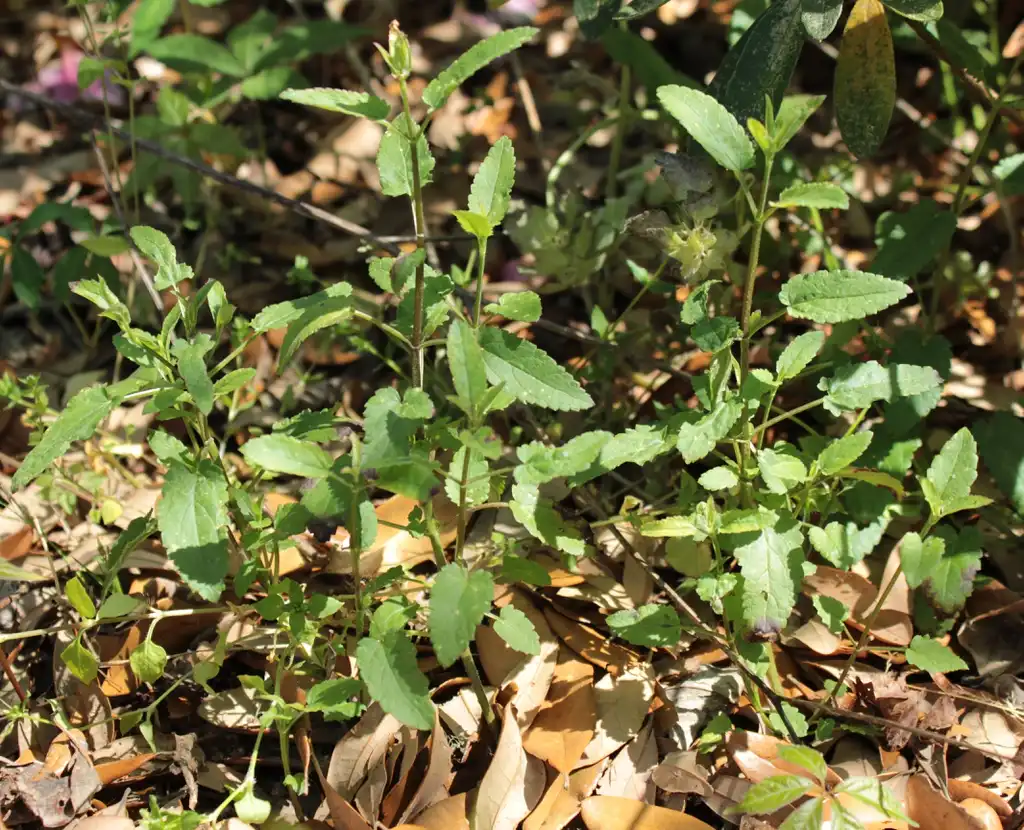
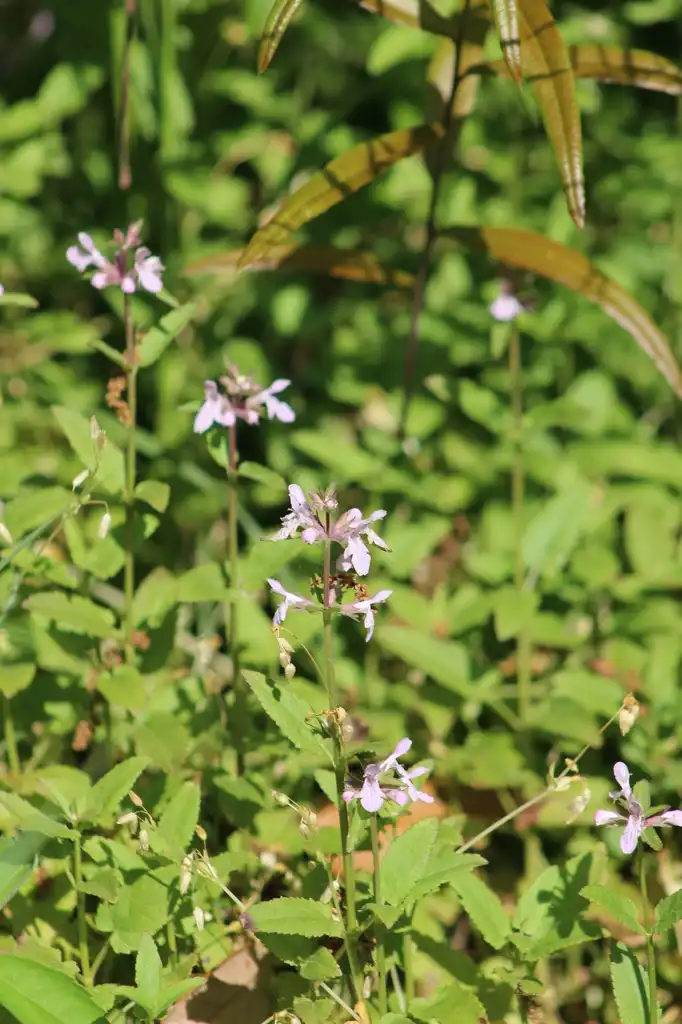
• Photo of Stachys floridana (Stachys floridanas)

Plant Profile: Stachys floridana

Taxonomy: Stachys floridana

Names

Florida Betony, Florida Hedgenettle, Rattlesnake Weed

  • Photo of Stachys floridana (Stachys floridanas)

Phonetic Spelling:STAK-iss flor-ih-DAY-na

Genus:Stachys

Species:floridana

Family:Lamiaceae

Florida Betony is a perennial herb commonly found in lawns, gardens, and various landscapes. While it is believed to be native primarily to Florida, it has spread throughout the southeastern United States, where it is often regarded as a prevalent weed. Although sometimes referred to as wild artichoke, it is not botanically related to the artichoke.

This plant is prolific in seed production but primarily propagates through rhizomes and tubers. Small pieces of rhizome can develop into new plants, and tubers can be relocated to different areas. In ornamental settings, Florida Betony can be more challenging to manage than in lawns, often necessitating hand-pulling to ensure the complete removal of all tubers.

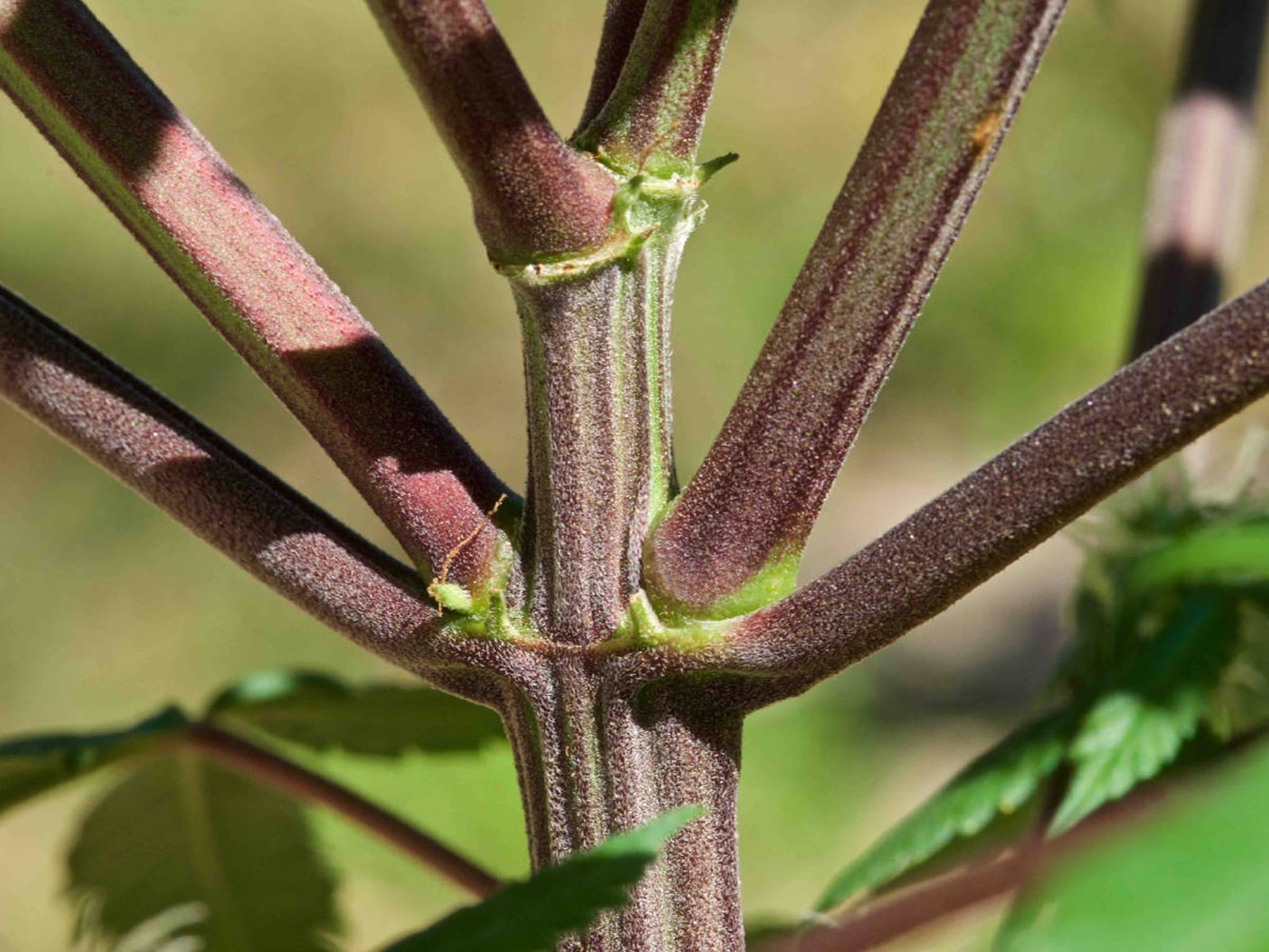
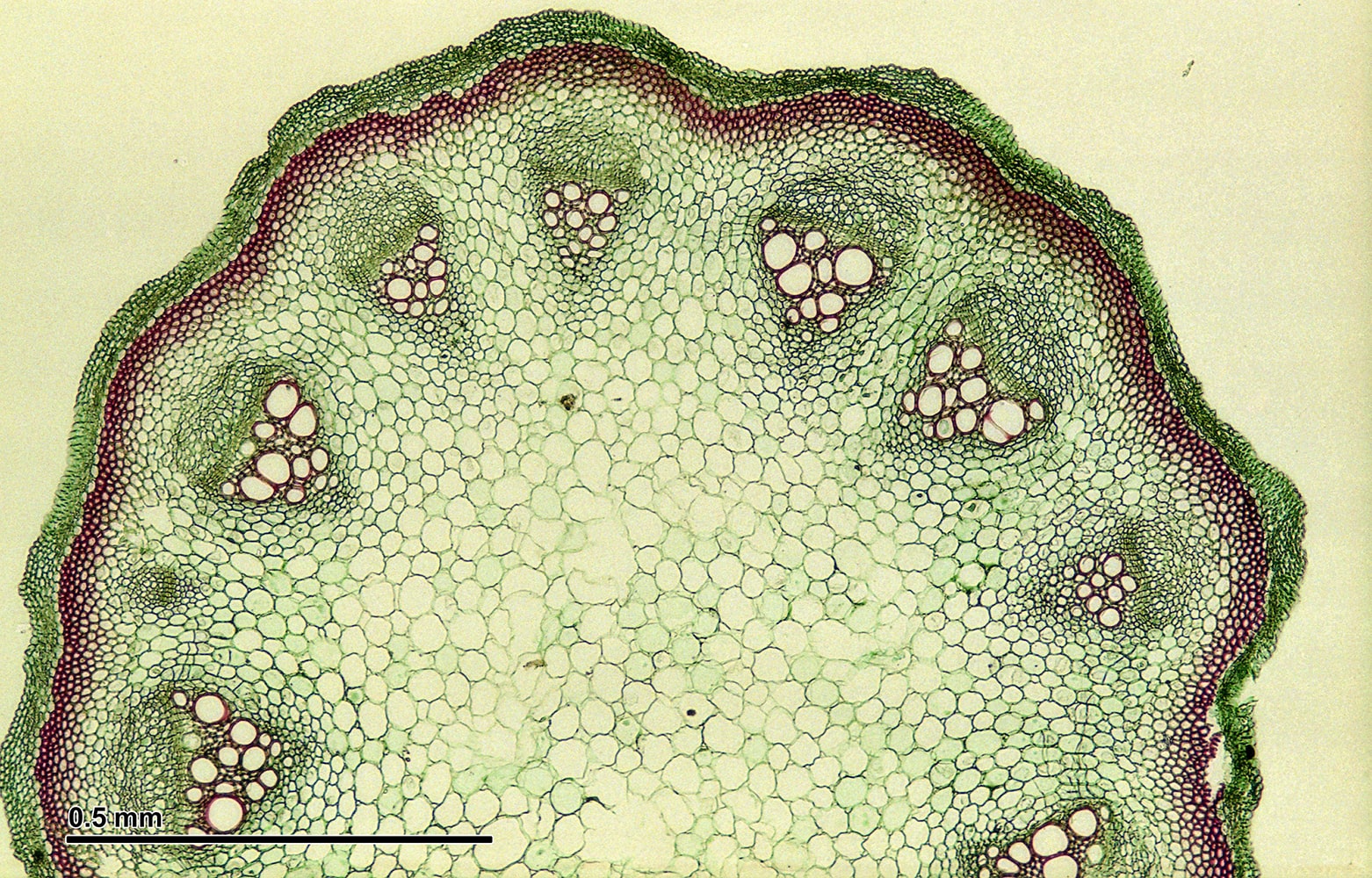
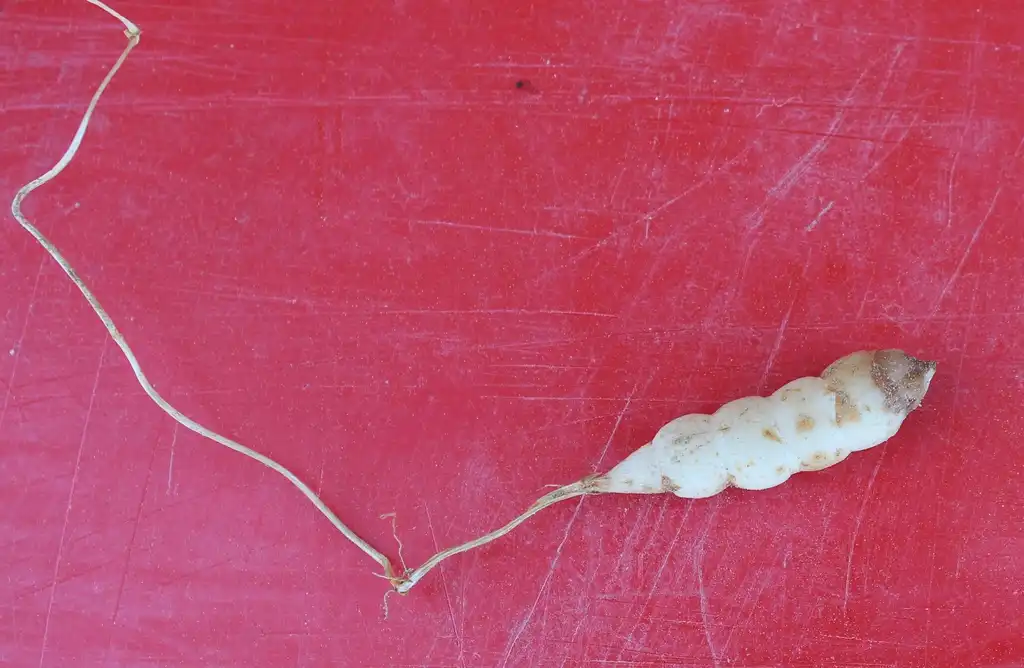
Belonging to the mint family, which encompasses aromatic herbs, shrubs, and some trees and vines, Florida Betony features hairy, upright stems that can grow up to 19 inches tall. These stems are square in cross-section and bear flowers in elongated clusters, heads, or interrupted whorls. The plant's growth is supported by a network of rhizomes and tubers, with the distinctive pale tuber segmented to resemble the rattle of a rattlesnake, which is the origin of its common name. The leaves are arranged oppositely and can reach lengths of up to 2 inches. Flowers emerge in clusters of three to six from the upper leaf axils, featuring a tubular, hairy calyx with pointed lobes. The corolla is two-lipped, measuring up to half an inch long, and displays a color range from white to pink, often adorned with purple spots. The fruit is a schizocarp, measuring less than an inch, that splits into two halves.

In terms of pests and diseases, Florida Betony can be quite aggressive as a weed.

Stachys floridana Feature Summary

Stachys floridana Image Gallery

Tags

#weed
#weedy
#tuberous
#high maintenance
#fast growing
#aggressive
#rhizomes
#Noxious Weed List
#perennial weed

Similar Plants

Stachys floridana Feature Summary

Attributes
Southeastern United States
Tuber is edible and is said to have a pleasingly crunchy texture and a bland, slightly sweet taste.
Perennial
Fruit
The fruit is a schizocarp less than an inch long that splits in half.
Schizocarp
Flowers
Typically blooms from March to June. Flowers grow in clusters of 3 to 6 from the upper leaf axils. The tubular, hairy calyx of sepals has pointed lobes. The two-lipped corolla is up to a 1/2 inch long and white to pink with purple spots.
Pink
White
Spring
Summer
Colored Sepals
< 1 inch
Leaves
The leaves have blades up to 2 inches long.
1-3 inches
Stem
The plants are characterized by stems reaching 19 inches high with flowers in long clusters, heads, or interrupted whorls on the stem.
Hairy (pubescent)
Straight
Whole Plant Traits
Cultural Conditions
Full sun (6 or more hours of direct sunlight a day)
Partial Shade (Direct sunlight only part of the day, 2-6 hours)
Good Drainage
Moist
Occasionally Dry
Coastal
Mountains
Piedmont
Clay
High Organic Matter
Loam (Silt)
Shallow Rocky
Landscape

Stachys floridana Attributes

Stachys floridana: Country Or Region Of Origin

Florida
Stachys floridana: Distribution

Southeastern United States

Stachys floridana: Edibility

Tuber is edible and is said to have a pleasingly crunchy texture and a bland, slightly sweet taste.

Stachys floridana: Life Cycle

Annual
Biennial
Bulb
Perennial
Woody

Stachys floridana: Recommended Propagation Strategy

Division
Grafting
Layering
Leaf Cutting
Root Cutting
Seed
Stem Cutting

Stachys floridana Fruit

Stachys floridana: Fruit Description

The fruit is a schizocarp less than an inch long that splits in half.

Stachys floridana: Fruit Type

Achene
Aggregate
Berry
Capsule
Caryopsis
Drupe
Follicle
Legume
Nut
Pome
Samara
Schizocarp
Siliqua

Stachys floridana: Fruit Length

< 1 inch
1-3 inches
> 3 inches

Stachys floridana Flowers

Stachys floridana: Flower Description

Typically blooms from March to June. Flowers grow in clusters of 3 to 6 from the upper leaf axils. The tubular, hairy calyx of sepals has pointed lobes. The two-lipped corolla is up to a 1/2 inch long and white to pink with purple spots.

Stachys floridana: Flower Color

filter_vintage
Pink
filter_vintage
White

Stachys floridana: Flower Inflorescence

Catkin
Corymb
Cyme
Head
Insignificant
Panicle
Raceme
Solitary
Spadix
Spike
Umbel

Stachys floridana: Flower Bloom Time

Winter
Spring
Summer
Fall

Stachys floridana: Flower Petals

2-3 rays/petals
4-5 petals/rays
6 petals/rays
7 - 20 petals/rays
asymmetrical petals
Bracts
Colored Sepals
fused petals
more than 20 petals/rays
Tepals

Stachys floridana: Flower Shape

Bell
Cross
Crown
Cup
Dome
Funnel
Irregular
Lipped
Radial
Saucer
Star
Trumpet
Tubular
Urn
Wheel

Stachys floridana: Flower Size

1-3 inches
3-6 inches
< 1 inch
> 6 inches

Stachys floridana Leaves

Stachys floridana: Leaf Description

The leaves have blades up to 2 inches long.

Stachys floridana: Woody Plant Leaf Characteristics

Broadleaf Evergreen
Deciduous
Needled Evergreen
Semi-evergreen

Stachys floridana: Leaf Color

spa
Green

Stachys floridana: Leaf Arrangement

Alternate
Opposite
Other/more complex
Rosulate
Whorled

Stachys floridana: Hairs Present

No
Yes

Stachys floridana: Leaf Length

< 1 inch
1-3 inches
3-6 inches
> 6 inches

Stachys floridana Stem

Stachys floridana: Stem Description

The plants are characterized by stems reaching 19 inches high with flowers in long clusters, heads, or interrupted whorls on the stem.

Stachys floridana: Stem Is Aromatic

No
Yes

Stachys floridana: Stem Cross Section

Angular
Oval
Round
Square

Stachys floridana: Stem Surface

Corky Ridges
Covered with a powdery bloom (glaucous)
Dull
Hairy (pubescent)
Polished
Smooth (glabrous)

Stachys floridana: Stem Form

Straight
Zig Zags

Stachys floridana Whole Plant Traits

Stachys floridana: Plant Type

Annual
Bulb
Carnivorous
Edible
Epiphyte
Fern
Ground Cover
Herb
Herbaceous Perennial
Houseplant
Mushroom
Native Plant
Ornamental Grasses and Sedges
Perennial
Poisonous
Rose
Shrub
Succulent
Tree
Turfgrass
Vegetable
Vine
Water Plant
Weed
Wildflower

Stachys floridana: Woody Plant Leaf Characteristics

Broadleaf Evergreen
Deciduous
Needled Evergreen
Semi-evergreen

Stachys floridana: Habit/Form

Arching
Ascending
Broad
Cascading
Climbing
Clumping
Columnar
Conical
Creeping
Dense
Erect
Horizontal
Irregular
Mounding
Multi-stemmed
Multi-trunked
Open
Oval
Prostrate
Pyramidal
Rounded
Spreading
Vase
Weeping

Stachys floridana: Growth Rate

Slow
Medium
Rapid

Stachys floridana: Maintenance

Low
Medium
High

Stachys floridana Cultural Conditions

Stachys floridana: Light

Dappled Sunlight (Shade through upper canopy all day)
Deep shade (Less than 2 hours to no direct sunlight)
Full sun (6 or more hours of direct sunlight a day)
Partial Shade (Direct sunlight only part of the day, 2-6 hours)

Stachys floridana: Soil Drainage

Frequent Standing Water
Good Drainage
Moist
Occasional Flooding
Occasionally Dry
Occasionally Wet
Very Dry

Stachys floridana: NC Region

Coastal
Mountains
Piedmont

Stachys floridana: Soil Texture

Clay
High Organic Matter
Loam (Silt)
Sand
Shallow Rocky

Stachys floridana Landscape

Stachys floridana: Problems

Allelopathic
Contact Dermatitis
Frequent Disease Problems
Frequent Insect Problems
Invasive Species
Malodorous
Messy
Poisonous to Humans
Problem for Cats
Problem for Children
Problem for Dogs
Problem for Horses
Short-lived
Spines/Thorns
Weak Wood
Weedy