Plant Profile: Cardiospermum corindum

Taxonomy: Cardiospermum corindum

Names

Balloonvine, Balloon Vine, Faux Persil, Heartseed

  • Photo of Cardiospermum corindum (Cardiospermum corindums)

Phonetic Spelling:

Genus:Cardiospermum

Species:corindum

Family:Sapindaceae

Balloonvine is an evergreen climbing vine belonging to the Sapindaceae family, commonly known as the soapberry family. This plant is notable for its striking white flowers, which are succeeded by distinctive, balloon-like fruits that give it its name. Unlike most of its relatives, which are typically trees or shrubs, balloonvine stands out with its ability to grow to heights and widths exceeding 10 feet.

Cardiospermum corindum Feature Summary

Cardiospermum corindum Image Gallery

Tags

#showy flowers
#white flowers
#showy fruits
#larval host plant
#butterfly friendly

Similar Plants

Cardiospermum corindum Feature Summary

Attributes
Southern U.S.A. to Argentina, Africa, China, Srilanka
A larval host plant for Miami blue (Hemiargus thomasi) and silver-banded hairstreak (Chlorostrymon simaethis) butterflies; occasional larval host for the gray hairstreak butterfly (Strymon melinus).
Fruit
1 inch wide oval to elliptical, green turning brown balloon like capsular showy fruits with round green turning black seeds on thin paper walls inside the three parted bladder.
Green
Brown/Copper
1-3 inches
Flowers
Small, asymmetrical flowers have white petals, inflorescence corymb-like to paniculate producing flowers over a long season all year in some climates.
Showy
Long Bloom Season
Spring
Summer
Fall
Winter
Leaves
Twice compound leaves divided into three parts with shallowly toothed (crenate to serrate) to deeply lobed pubescent leaflets. The terminal leaflet is ovate.
Compound (Pinnately , Bipinnately, Palmately)
Lobed
Serrate
Crenate
Whole Plant Traits
Cultural Conditions
Full sun (6 or more hours of direct sunlight a day)
Moist
Occasionally Dry
Very Dry
Loam (Silt)
Sand
Landscape

Cardiospermum corindum Attributes

Cardiospermum corindum: Country Or Region Of Origin

Southern U.S.A. to Argentina, Africa, China, Srilanka

Cardiospermum corindum: Wildlife Value

A larval host plant for Miami blue (Hemiargus thomasi) and silver-banded hairstreak (Chlorostrymon simaethis) butterflies; occasional larval host for the gray hairstreak butterfly (Strymon melinus).

Cardiospermum corindum: Recommended Propagation Strategy

Division
Grafting
Layering
Leaf Cutting
Root Cutting
Seed
Stem Cutting

Cardiospermum corindum: Climbing Method

Clinging
Scrambler
Tendrils
Twining

Cardiospermum corindum Fruit

Cardiospermum corindum: Fruit Description

1 inch wide oval to elliptical, green turning brown balloon like capsular showy fruits with round green turning black seeds on thin paper walls inside the three parted bladder.

Cardiospermum corindum: Fruit Type

Achene
Aggregate
Berry
Capsule
Caryopsis
Drupe
Follicle
Legume
Nut
Pome
Samara
Schizocarp
Siliqua

Cardiospermum corindum: Fruit Color

grass
Brown/Copper
grass
Green

Cardiospermum corindum: Fruit Value To Gardener

Edible
Fragrant
Good Cut
Good Dried
Long Bloom Season
Long-lasting
Showy

Cardiospermum corindum: Fruit Length

< 1 inch
1-3 inches
> 3 inches

Cardiospermum corindum Flowers

Cardiospermum corindum: Flower Description

Small, asymmetrical flowers have white petals, inflorescence corymb-like to paniculate producing flowers over a long season all year in some climates.

Cardiospermum corindum: Flower Color

filter_vintage
White

Cardiospermum corindum: Flower Inflorescence

Catkin
Corymb
Cyme
Head
Insignificant
Panicle
Raceme
Solitary
Spadix
Spike
Umbel

Cardiospermum corindum: Flower Value To Gardener

Edible
Fragrant
Good Cut
Good Dried
Long Bloom Season
Long-lasting
Showy

Cardiospermum corindum: Flower Bloom Time

Winter
Spring
Summer
Fall

Cardiospermum corindum Leaves

Cardiospermum corindum: Leaf Description

Twice compound leaves divided into three parts with shallowly toothed (crenate to serrate) to deeply lobed pubescent leaflets. The terminal leaflet is ovate.

Cardiospermum corindum: Woody Plant Leaf Characteristics

Broadleaf Evergreen
Deciduous
Needled Evergreen
Semi-evergreen

Cardiospermum corindum: Leaf Type

Compound (Pinnately , Bipinnately, Palmately)
Fronds
Needles
Sheath
Simple

Cardiospermum corindum: Leaf Arrangement

Alternate
Opposite
Other/more complex
Rosulate
Whorled

Cardiospermum corindum: Leaf Margin

Crenate
Crenulate
Dentate
Denticulate
Doubly Crenate
Doubly Dentate
Doubly Serrate
Entire
Lobed
Serrate
Sinuate
Undulate

Cardiospermum corindum: Hairs Present

No
Yes

Cardiospermum corindum Whole Plant Traits

Cardiospermum corindum: Plant Type

Annual
Bulb
Carnivorous
Edible
Epiphyte
Fern
Ground Cover
Herb
Herbaceous Perennial
Houseplant
Mushroom
Native Plant
Ornamental Grasses and Sedges
Perennial
Poisonous
Rose
Shrub
Succulent
Tree
Turfgrass
Vegetable
Vine
Water Plant
Weed
Wildflower

Cardiospermum corindum: Woody Plant Leaf Characteristics

Broadleaf Evergreen
Deciduous
Needled Evergreen
Semi-evergreen

Cardiospermum corindum Cultural Conditions

Cardiospermum corindum: Light

Dappled Sunlight (Shade through upper canopy all day)
Deep shade (Less than 2 hours to no direct sunlight)
Full sun (6 or more hours of direct sunlight a day)
Partial Shade (Direct sunlight only part of the day, 2-6 hours)

Cardiospermum corindum: Soil Drainage

Frequent Standing Water
Good Drainage
Moist
Occasional Flooding
Occasionally Dry
Occasionally Wet
Very Dry

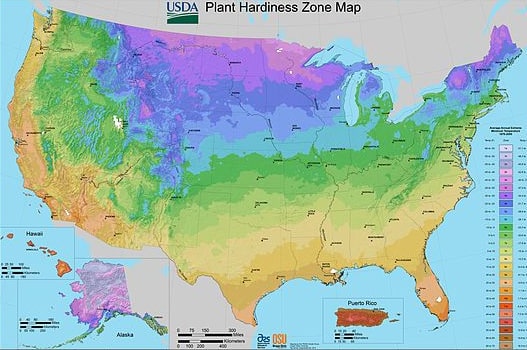
Cardiospermum corindum: USDA Plant Hardiness Zone

thermostat
10a
thermostat
10b
thermostat
11b

Cardiospermum corindum: Soil Texture

Clay
High Organic Matter
Loam (Silt)
Sand
Shallow Rocky

Cardiospermum corindum Stem

Cardiospermum corindum: Stem Is Aromatic

No
Yes

Cardiospermum corindum Landscape

Cardiospermum corindum: Landscape Location

Coastal
Container
Hanging Baskets
Houseplants
Lawn
Meadow
Naturalized Area
Near Septic
Patio
Pond
Pool/Hardscape
Recreational Play Area
Riparian
Rock Wall
Slope/Bank
Small Space
Vertical Spaces
Walkways
Woodland

Cardiospermum corindum: Attracts

Bats
Bees
Butterflies
Frogs
Hummingbirds
Moths
Pollinators
Predatory Insects
Reptiles
Small Mammals
Songbirds
Specialized Bees