Crataegus aestivalis: Uses (Ethnobotany)
The plant has little commercial value, but is sometimes used in herbal medicine. Wood is strong, tough, and hard, but rarely used.
Phonetic Spelling:krah-TEE-gus es-TIV-ah-liss
Genus:Crataegus
Species:aestivalis
Family:Rosaceae
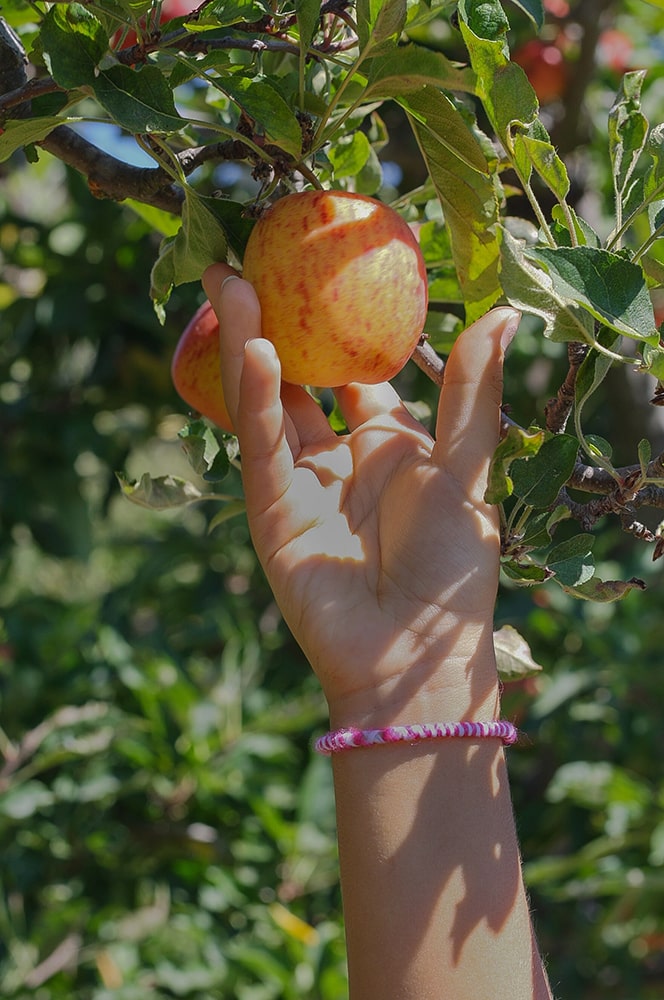
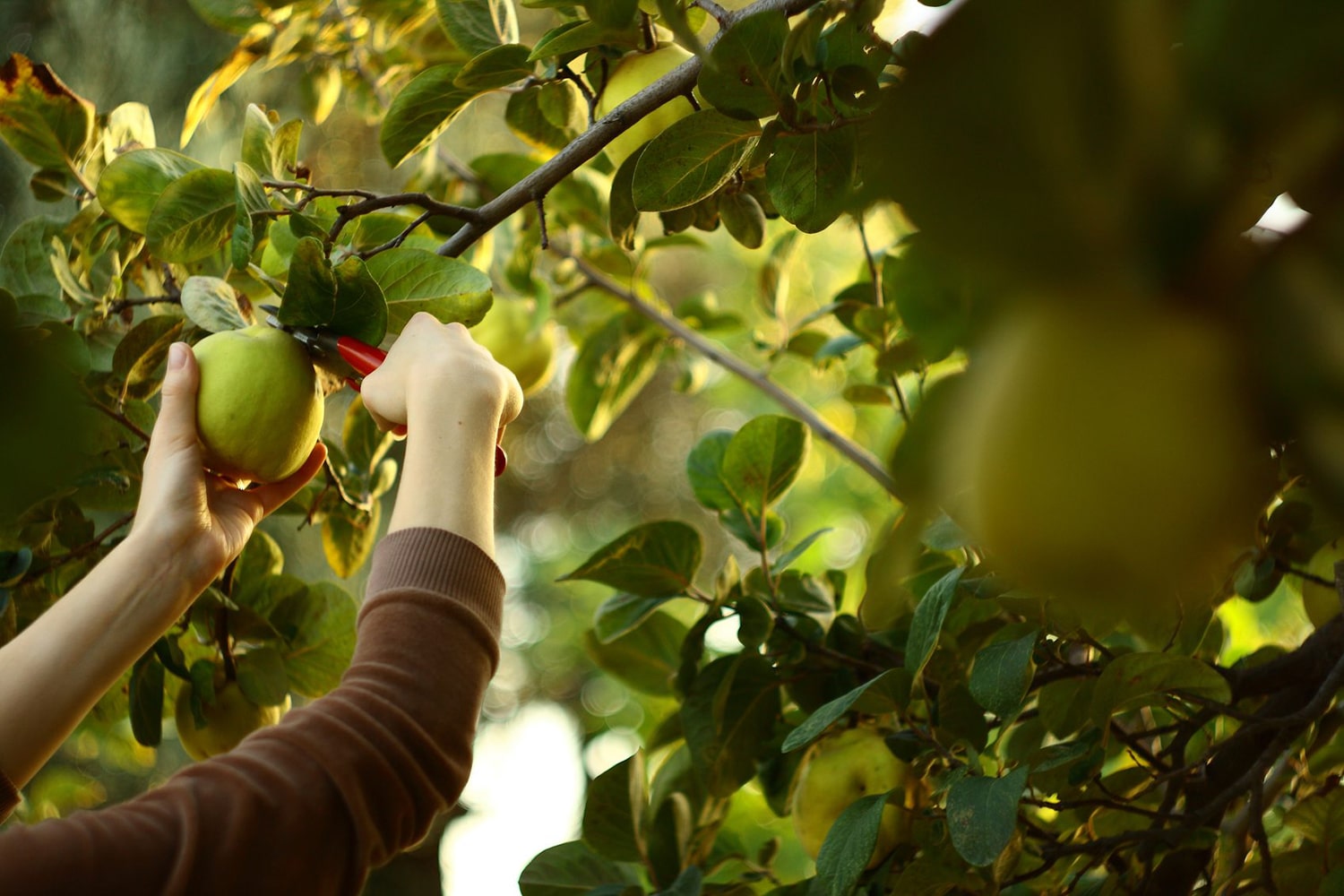
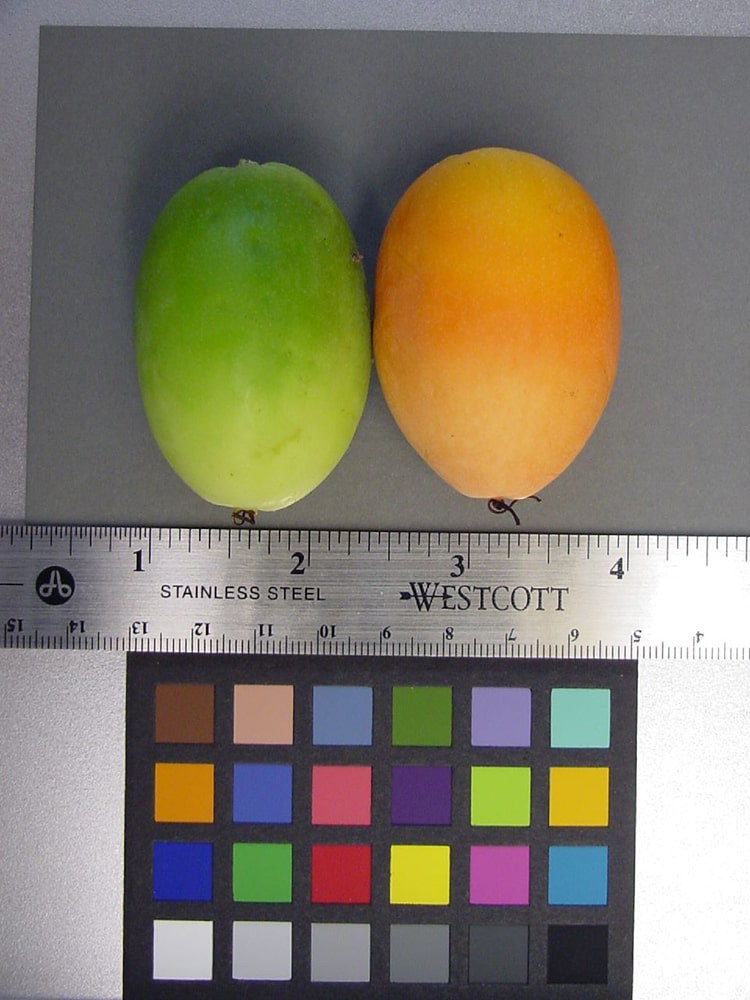
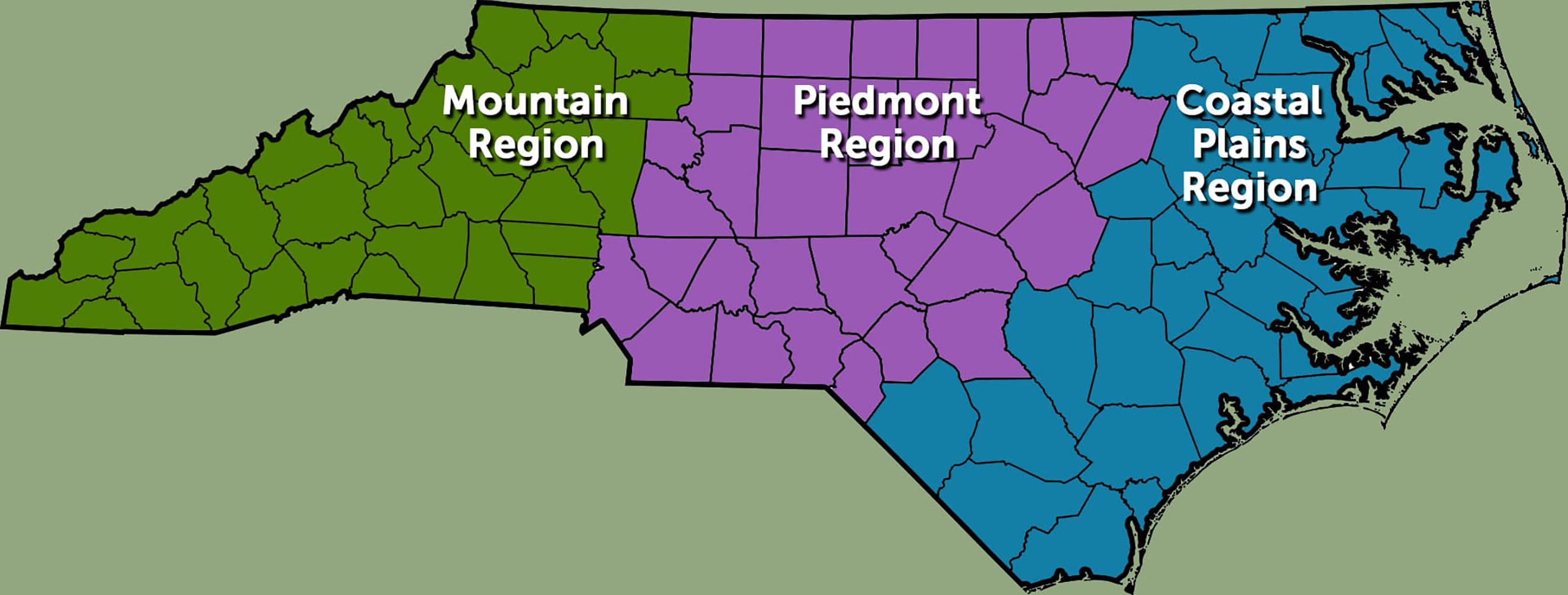
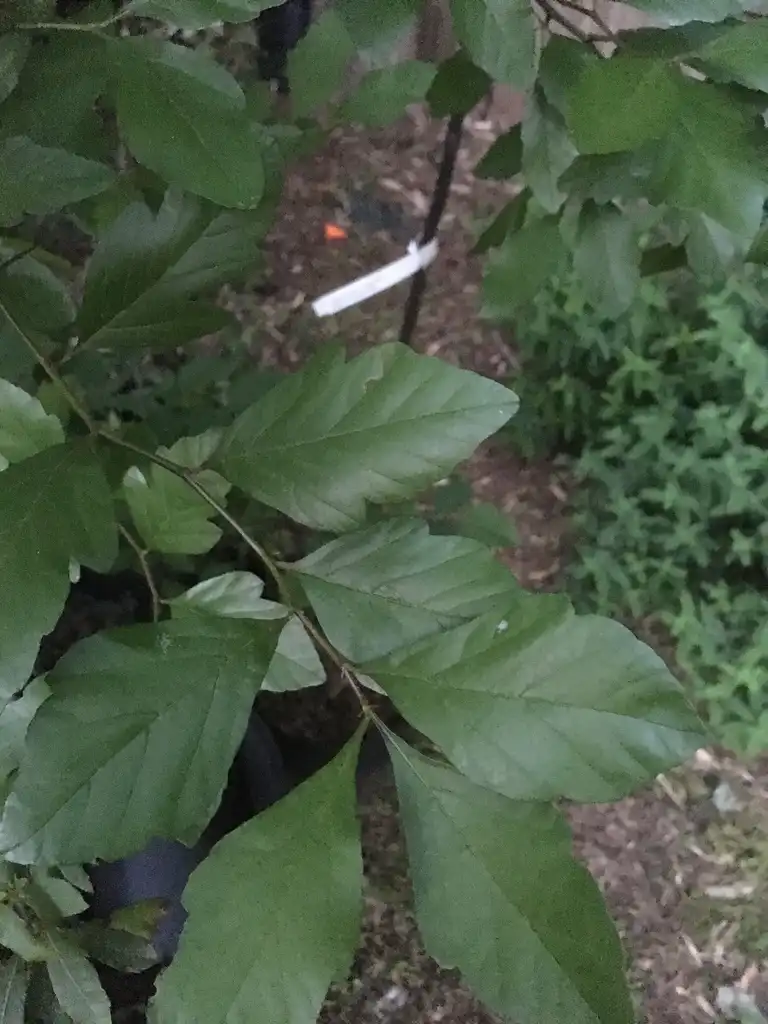
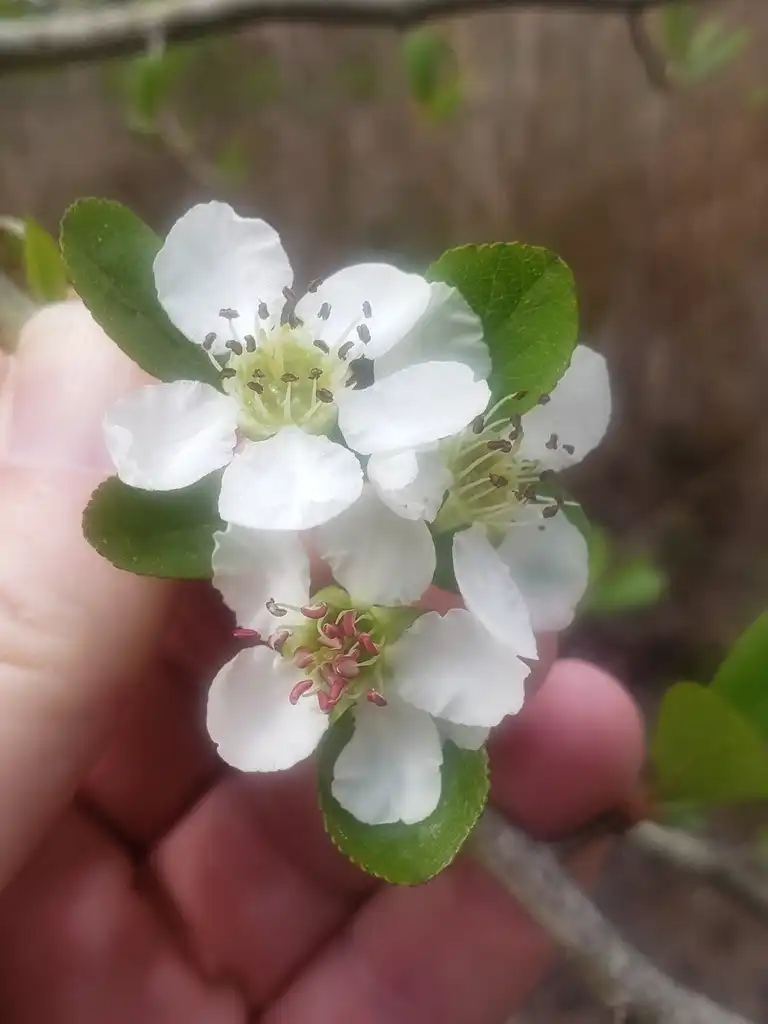
Mayhaw is a native species of hawthorn, classified as a deciduous shrub within the rose family. It thrives in shallow ponds, wet woodlands, and seasonal swamps across the coastal plains of the southeastern United States, extending to the mountain ridges to the west. This plant is one of several hawthorn varieties found throughout North Carolina. Like its relatives, mayhaw can be cultivated as a large shrub or pruned into a small tree. It grows slowly, reaching heights of 30 to 40 feet, and features a rounded crown. The plant is characterized by its long, straight thorns and striking clusters of white flowers that bloom in early spring, followed by edible red fruits that mature earlier than those of other hawthorn species, typically between June and July.
While mayhaw naturally flourishes in wet environments, it is versatile enough to adapt to drier conditions in residential landscapes and is sometimes utilized for ornamental purposes. It thrives in full sunlight but can also tolerate partial shade and various soil types. This species is suitable for use as a specimen plant, hedge, screening, or small shade tree. Its ability to thrive in diverse environments makes it an excellent choice for stabilizing banks and providing erosion control.
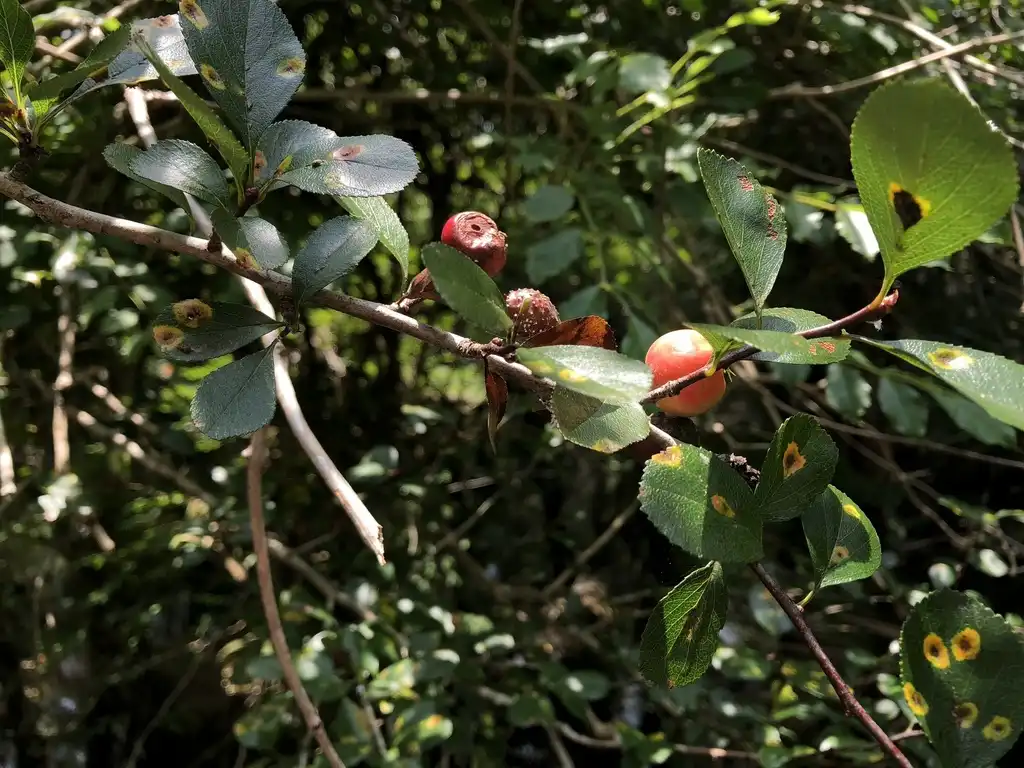
Regarding potential issues, mayhaw is largely free from significant problems and is known to be the most disease-resistant among hawthorn varieties. However, it can be vulnerable to rust, and its twigs are notably thorny.
Crataegus aestivalis Feature Summary
Crataegus aestivalis Image Gallery