Crataegus marshallii: Uses (Ethnobotany)
The leaves, berries, and flowers are used in medicines and herbals for cardiovascular health. The wood is strong, heavy, and hard, but has little commercial value.
Phonetic Spelling:kree-TEE-gus mar-SHALL-ee-eye
Genus:Crataegus
Species:marshallii
Family:Rosaceae
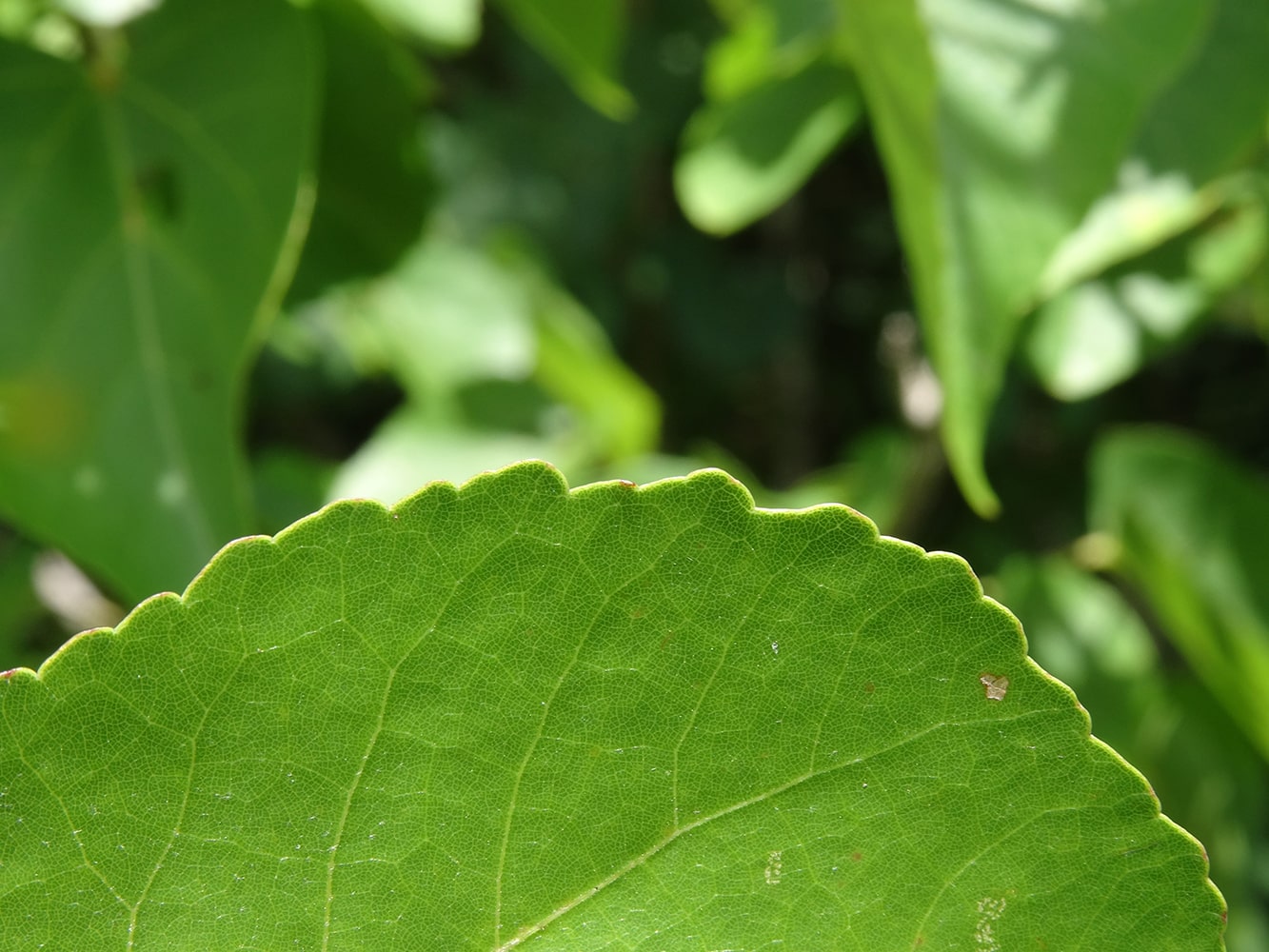
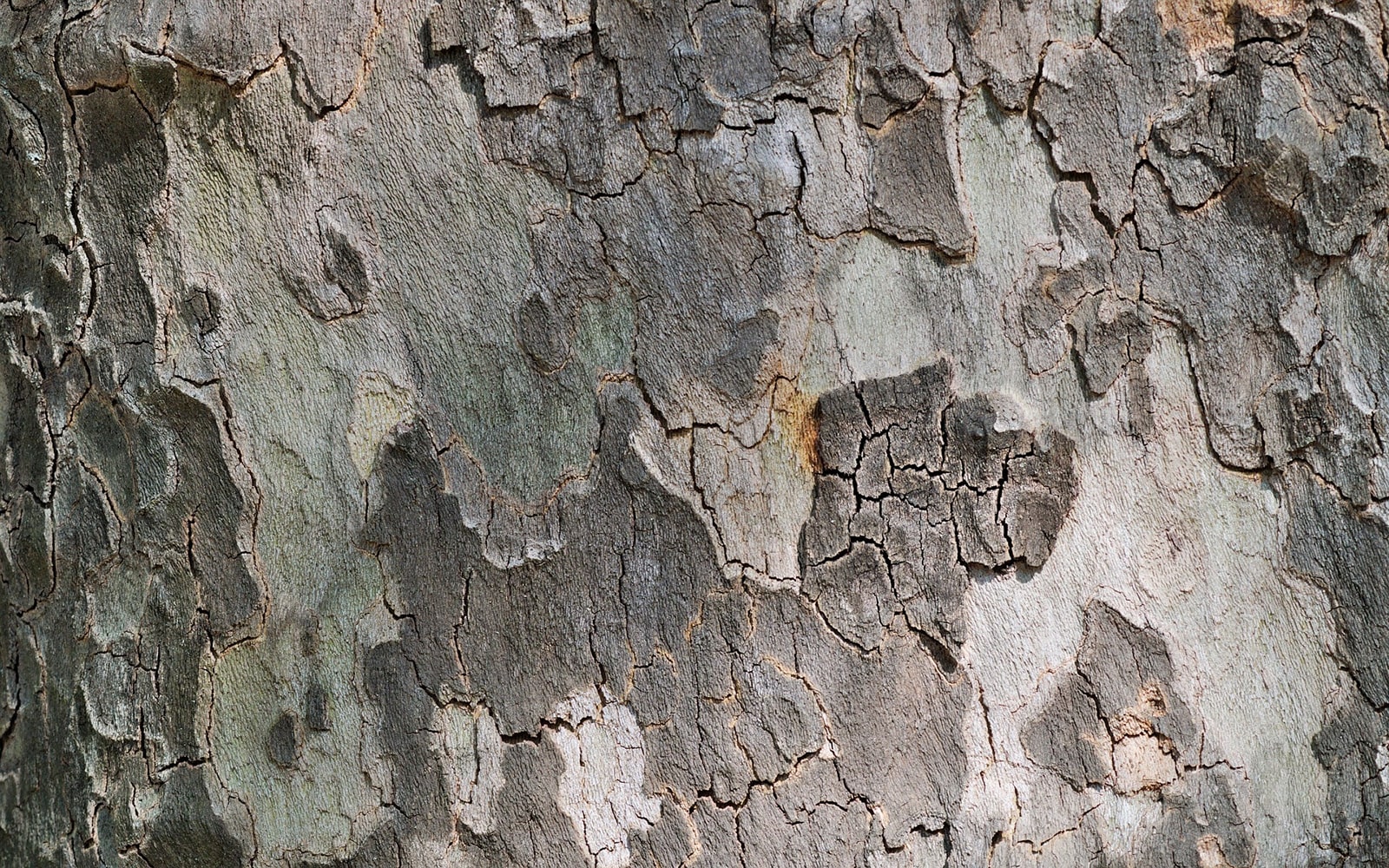
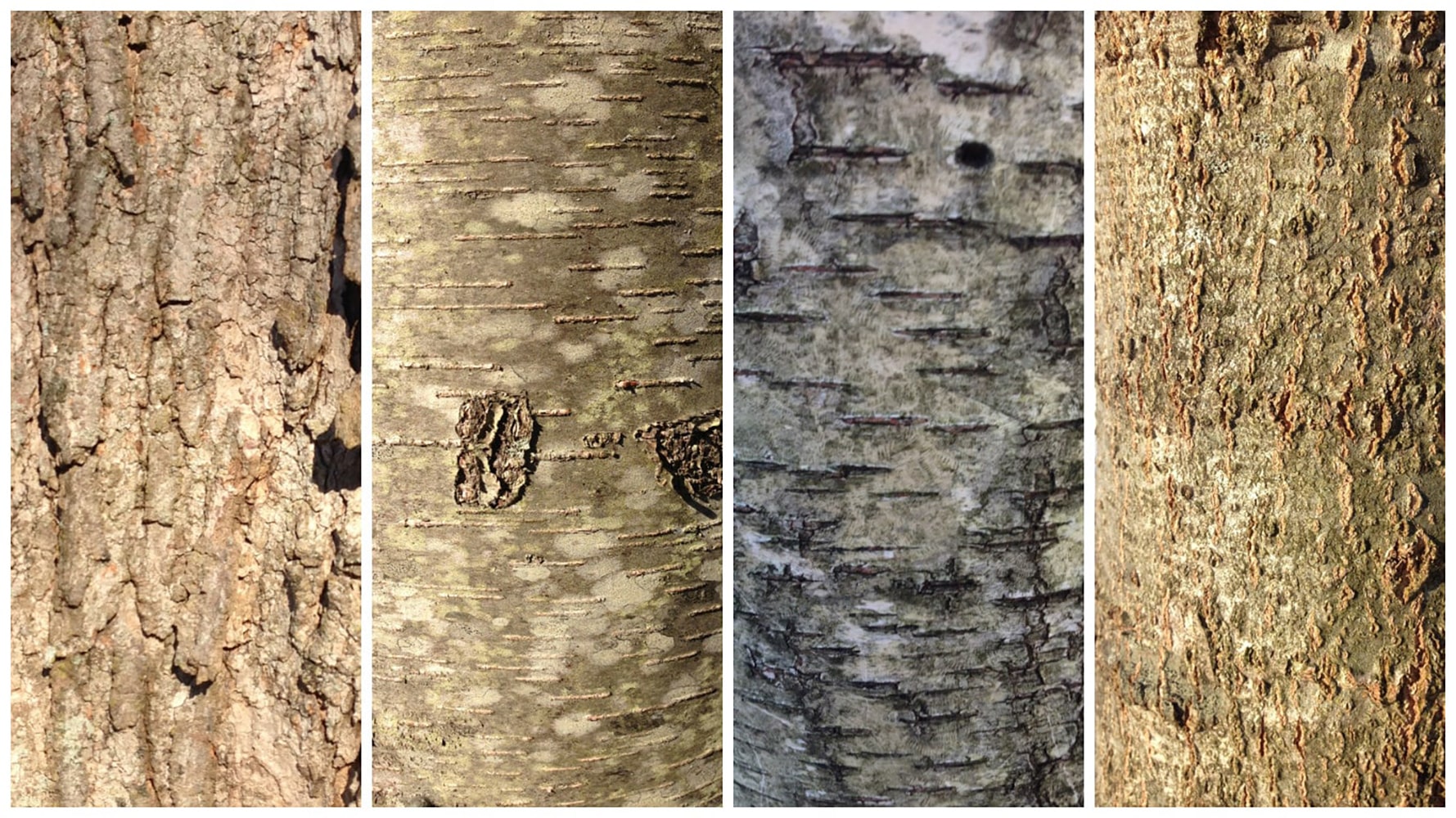
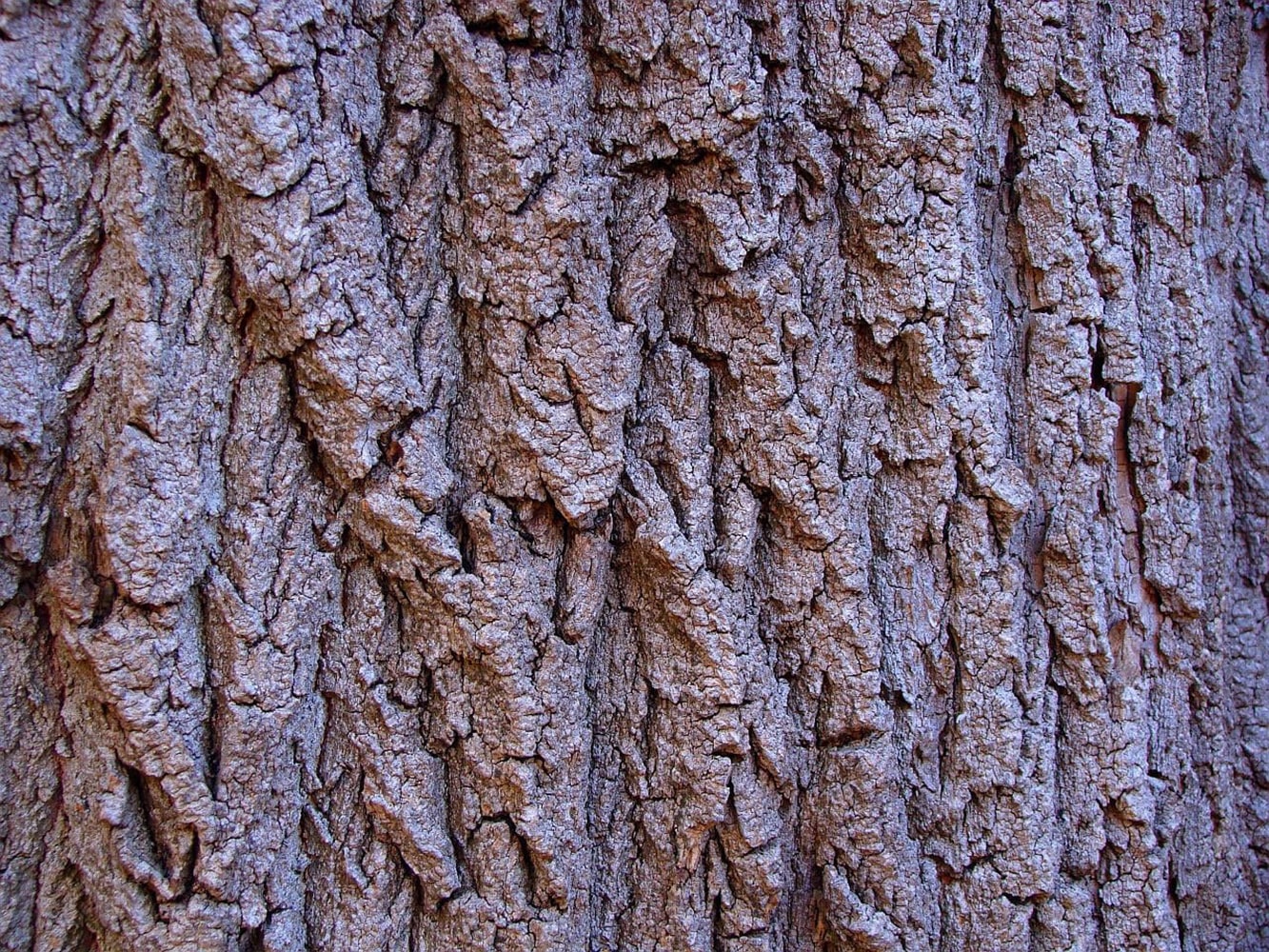
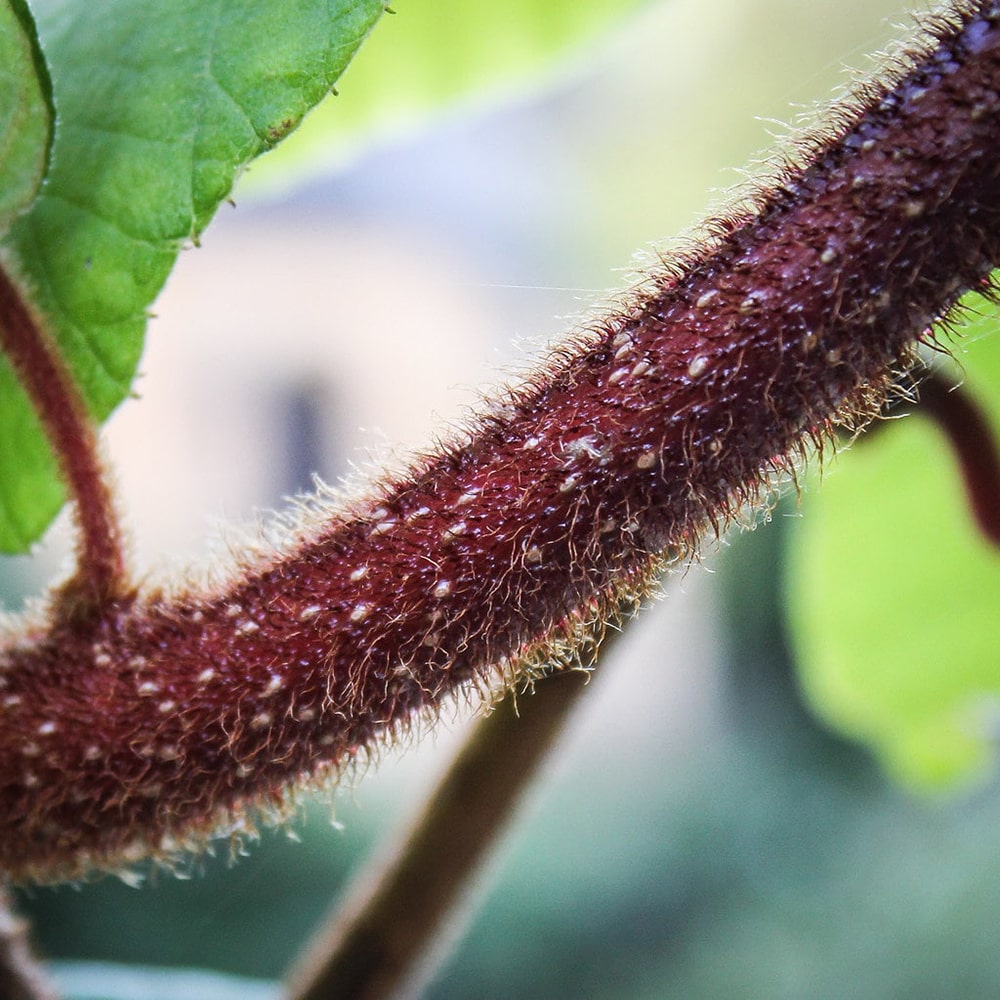
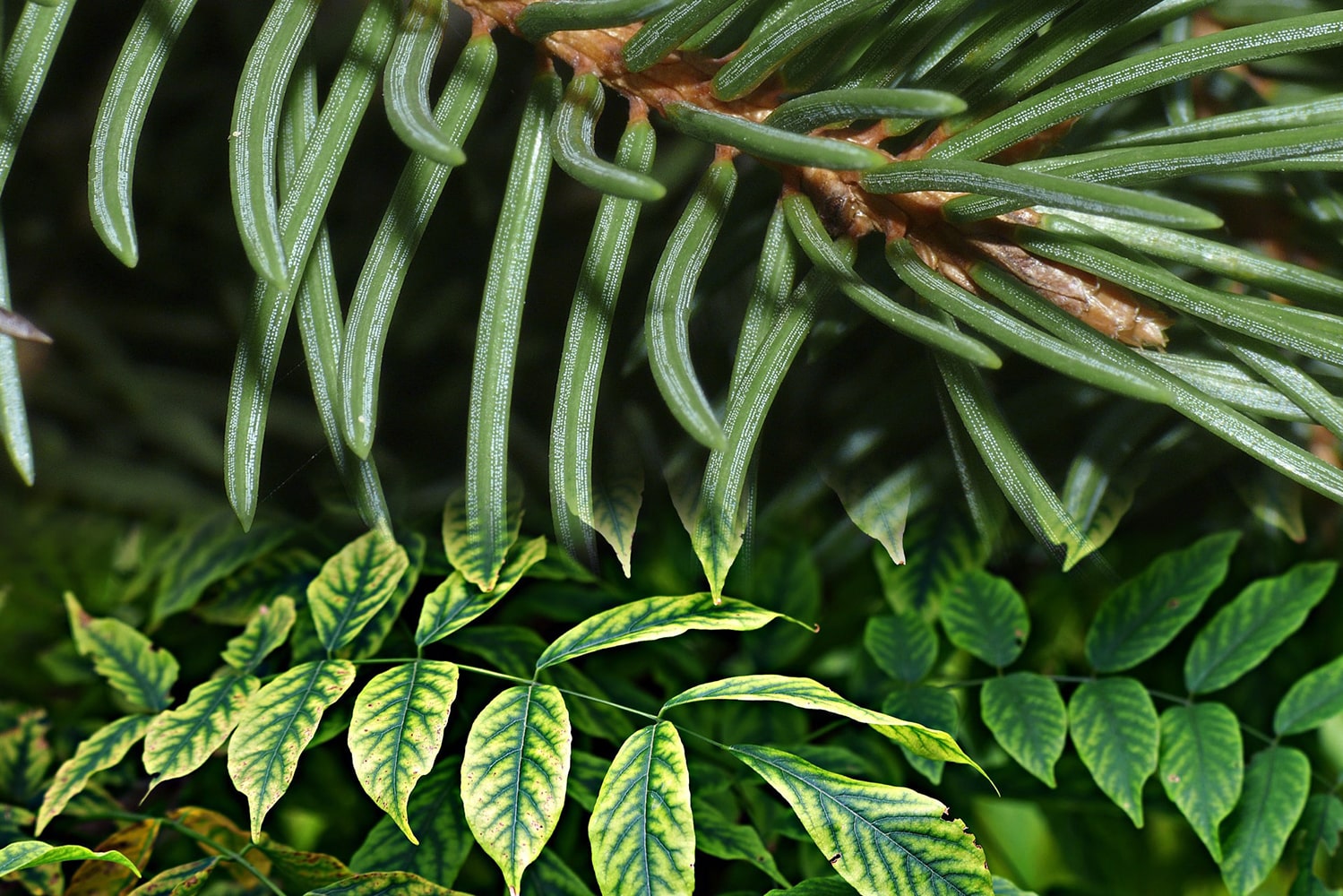
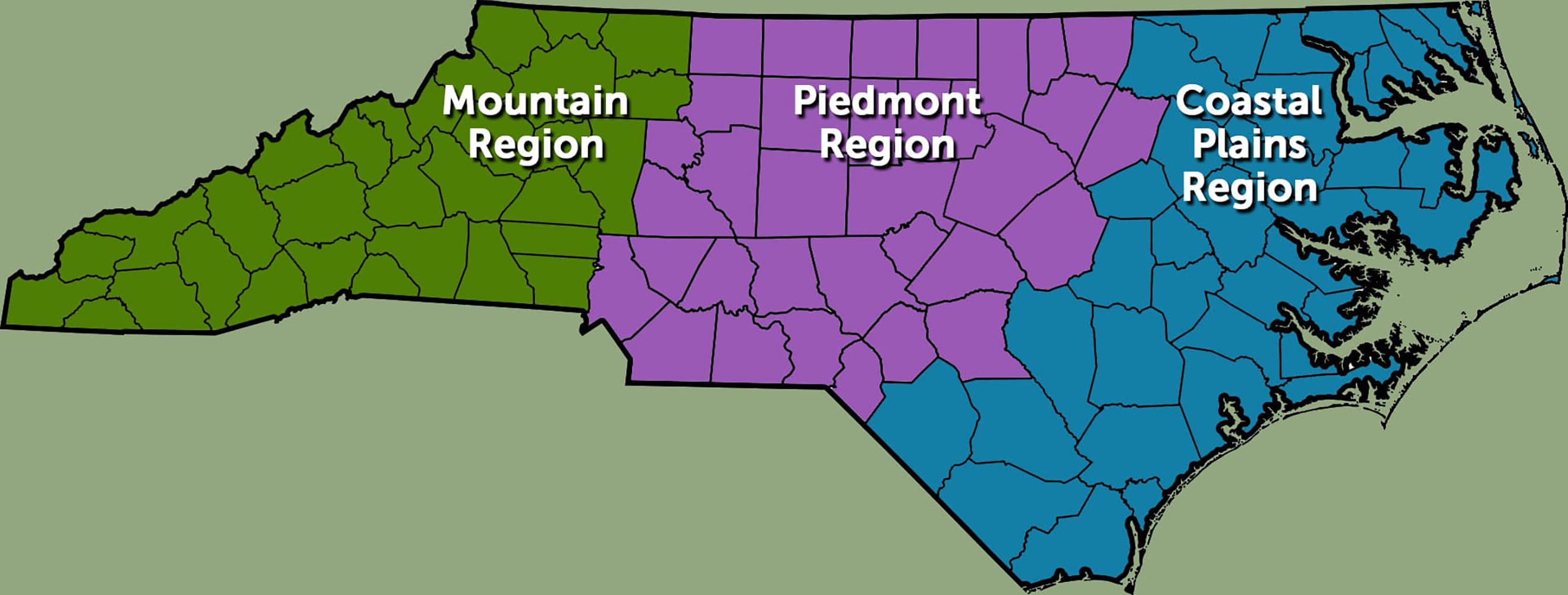
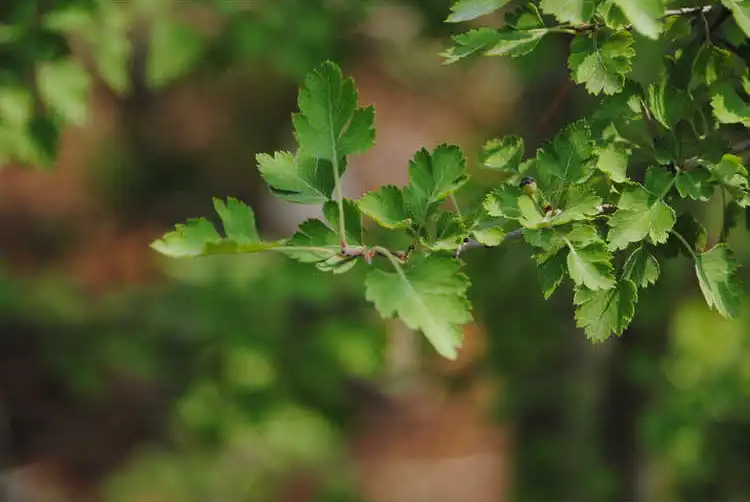
Crataegus, commonly known as Hawthorn, encompasses a variety of species found throughout the southeastern United States, thriving in low-lying swamps, riverbanks, and elevated mountain ridges. Among these, Crataegus marshallii, or Parsley Hawthorn, is a small tree or shrub indigenous to North Carolina. Its strikingly intricate leaves, delicate flowers, small red berries, and attractive bark contribute to its reputation as one of the most ornamental hawthorn varieties. While the thorns may pose a risk to children, they also offer valuable nesting protection for songbirds. This tree typically reaches a height of around 25 feet and spreads about 15 feet wide, often flourishing in the moist regions of the Piedmont and coastal plains, and it can occasionally develop as a multi-trunked shrub.
Parsley Hawthorn prefers moist clay or sandy loam soils and thrives in full to partial sunlight, demonstrating adaptability to various garden conditions. It is ideally suited for planting in well-drained, moist areas near ponds, streams, bogs, or within woodland settings.
This species is classified as Facultative (FAC) to Facultative Wetland (FACW).
**Diseases, Pests, and Other Plant Issues:**
Crataegus marshallii Feature Summary
Crataegus marshallii Image Gallery