Crataegus phaenopyrum: Uses (Ethnobotany)
The wood is strong, tough, heavy, and hard, but has little commercial value.
Phonetic Spelling:krah-TAY-gus fay-no-PYE-rum
Genus:Crataegus
Species:phaenopyrum
Family:Roseaceae
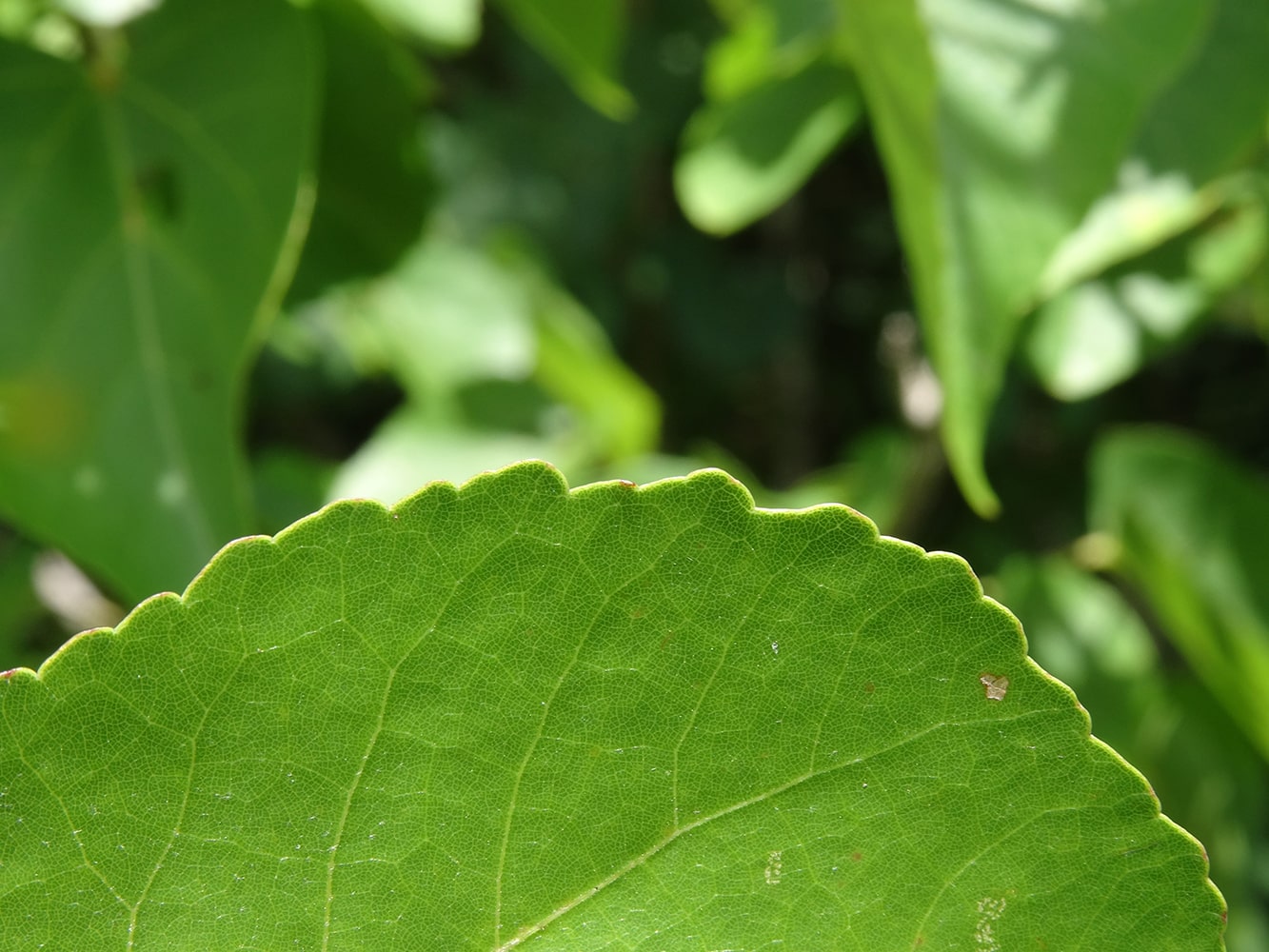
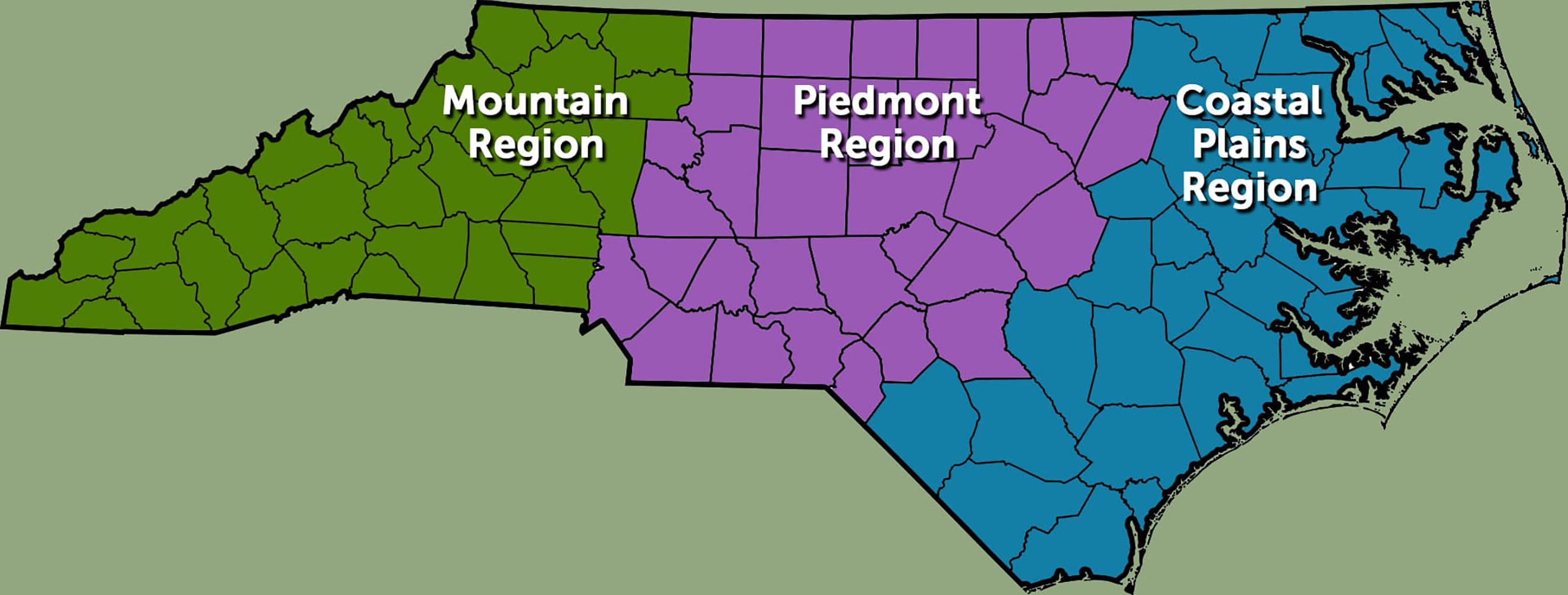
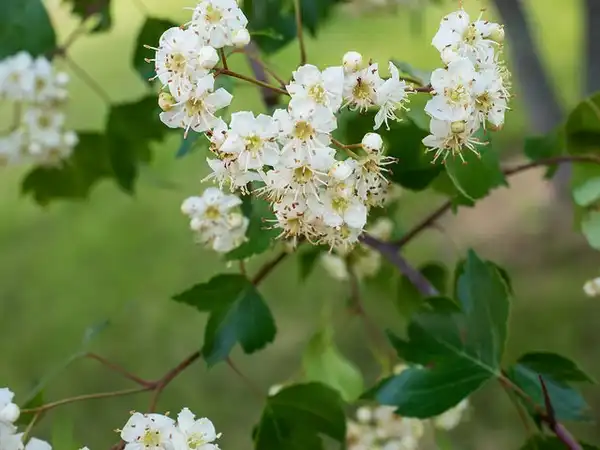
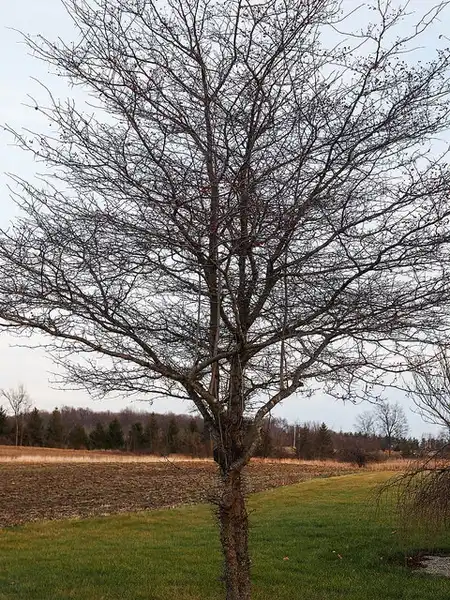
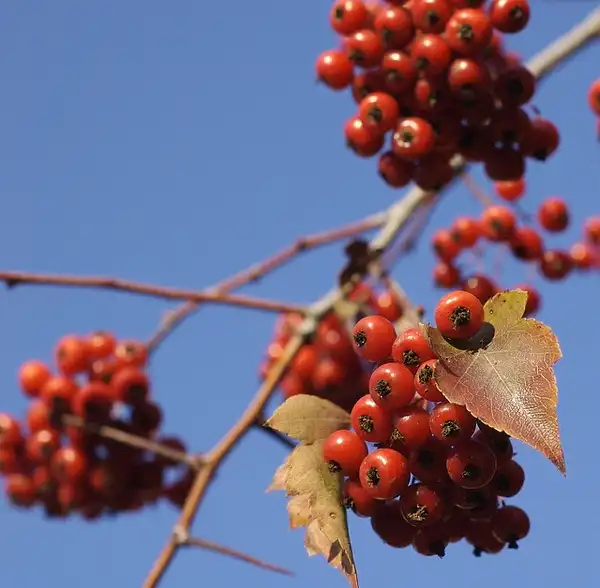
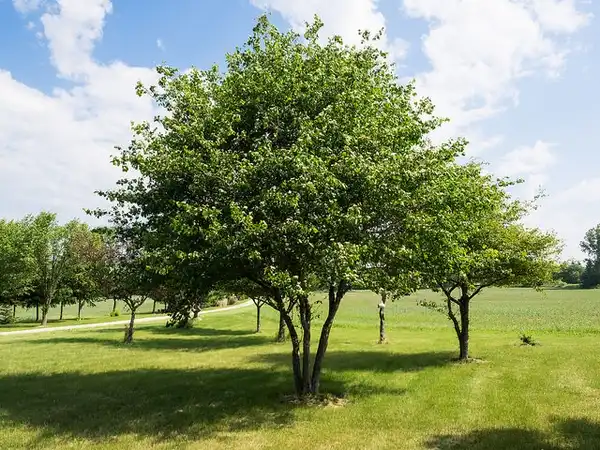
Crataegus, commonly known as Hawthorn, is a genus comprising various species and varieties, primarily found in North Carolina. This plant thrives in low-lying swamps and riverbanks in the eastern regions, as well as on the higher mountain ridges to the west. One notable species, Crataegus phaenopyrum, or Washington hawthorn, is celebrated for its beautiful flowers and foliage, vibrant red berries, long, straight thorns, and striking autumn colors. Typically, it is a small, deciduous tree with a rounded crown, reaching heights of 25 to 30 feet and characterized by its low-branching structure.
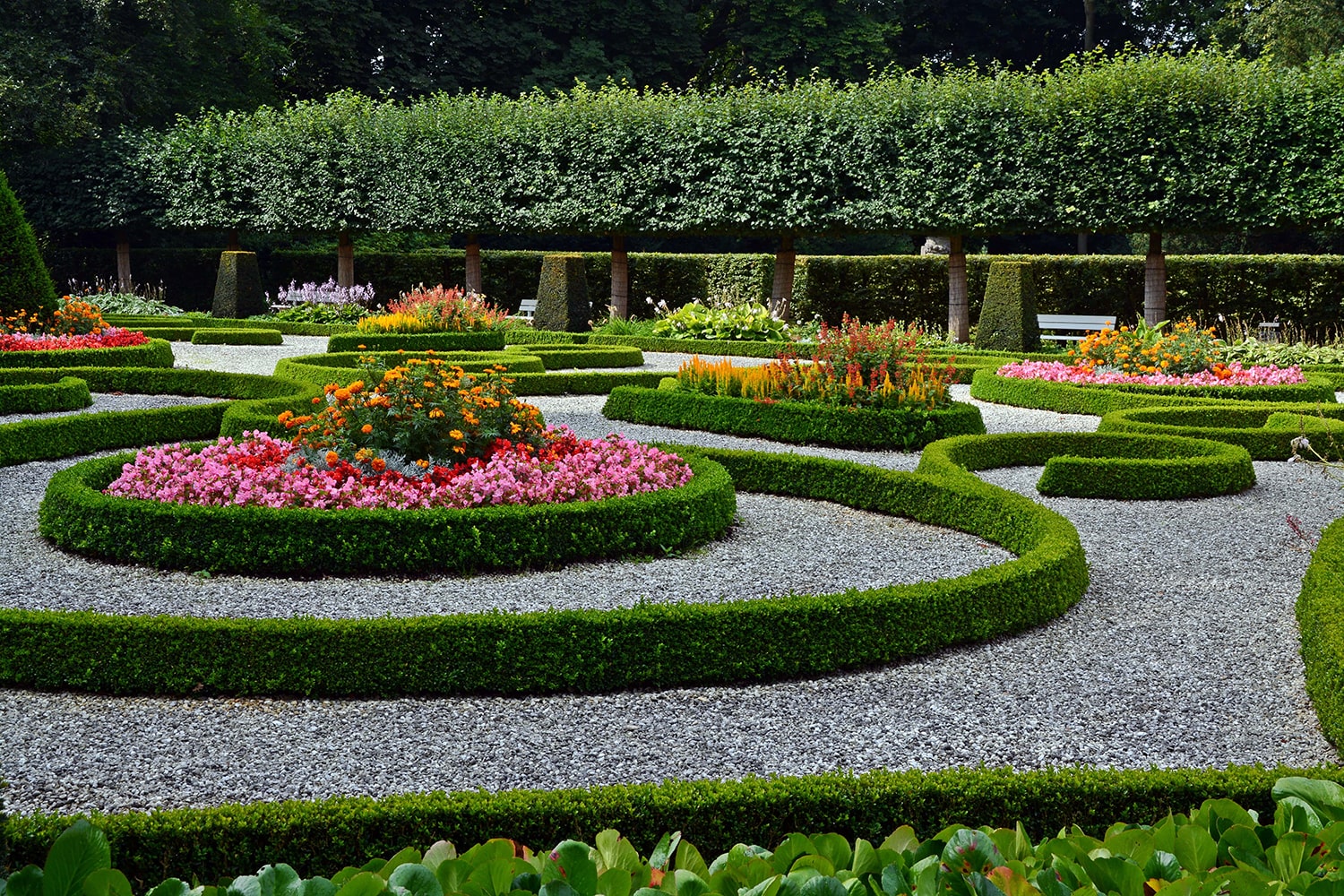
Washington hawthorn thrives in full sunlight but can tolerate partial shade, although this may reduce its flowering and fruiting potential. It is resilient to urban pollution, prefers well-drained soil, and can adapt to various pH levels, even flourishing in heavy clay soils. Due to its thorny nature and ability to withstand significant pruning, it can be utilized as a hedge for privacy or security, planted in clusters, showcased as a specimen tree in lawns, or used as a street tree. The fruit of this species is often referred to as "haw," which also denotes a hedge, thus giving the hawthorn its name, meaning "thorny hedge." When grown from seed, it typically takes 5 to 8 years to produce fruit, while grafted specimens may begin to flower profusely by their third year.
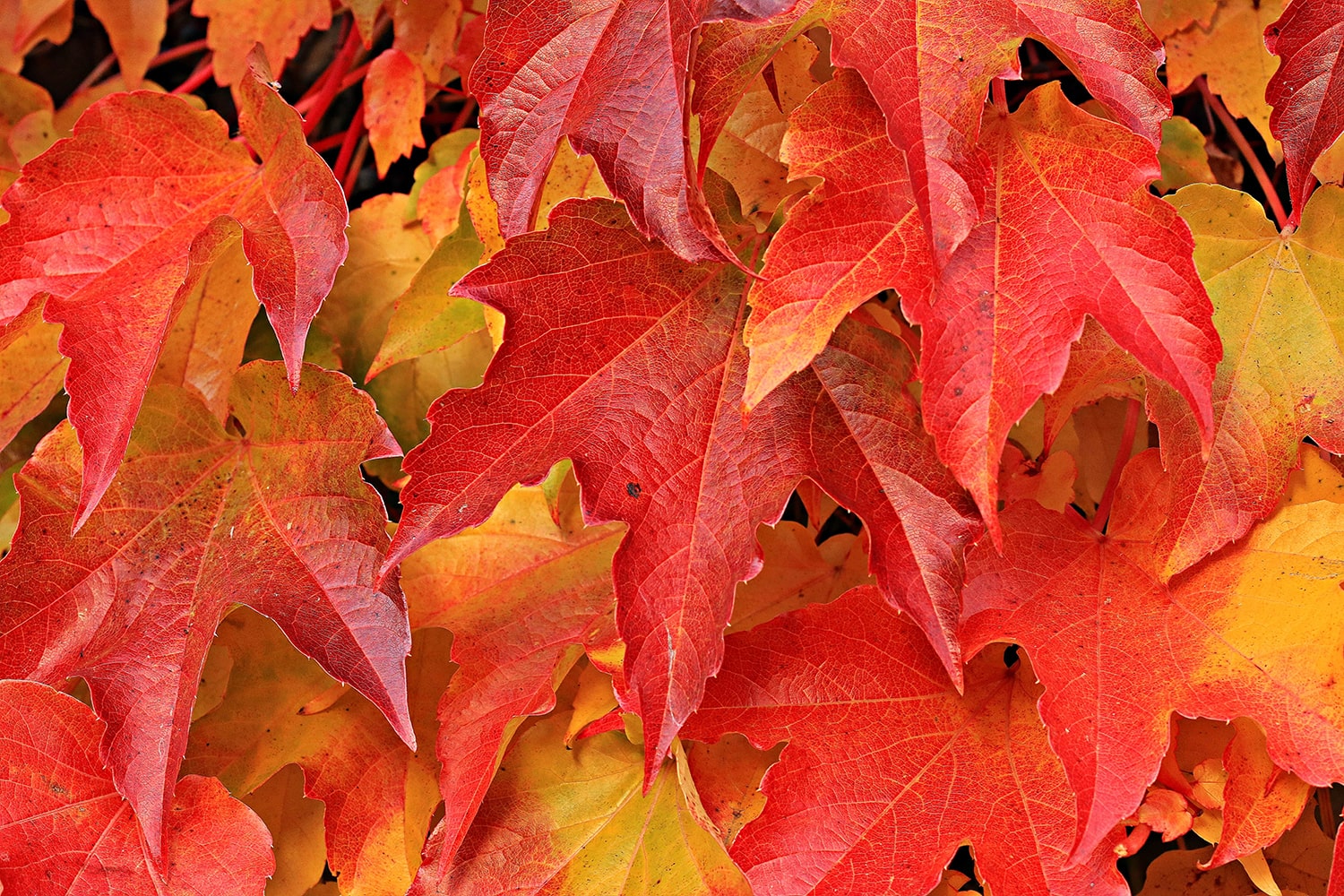
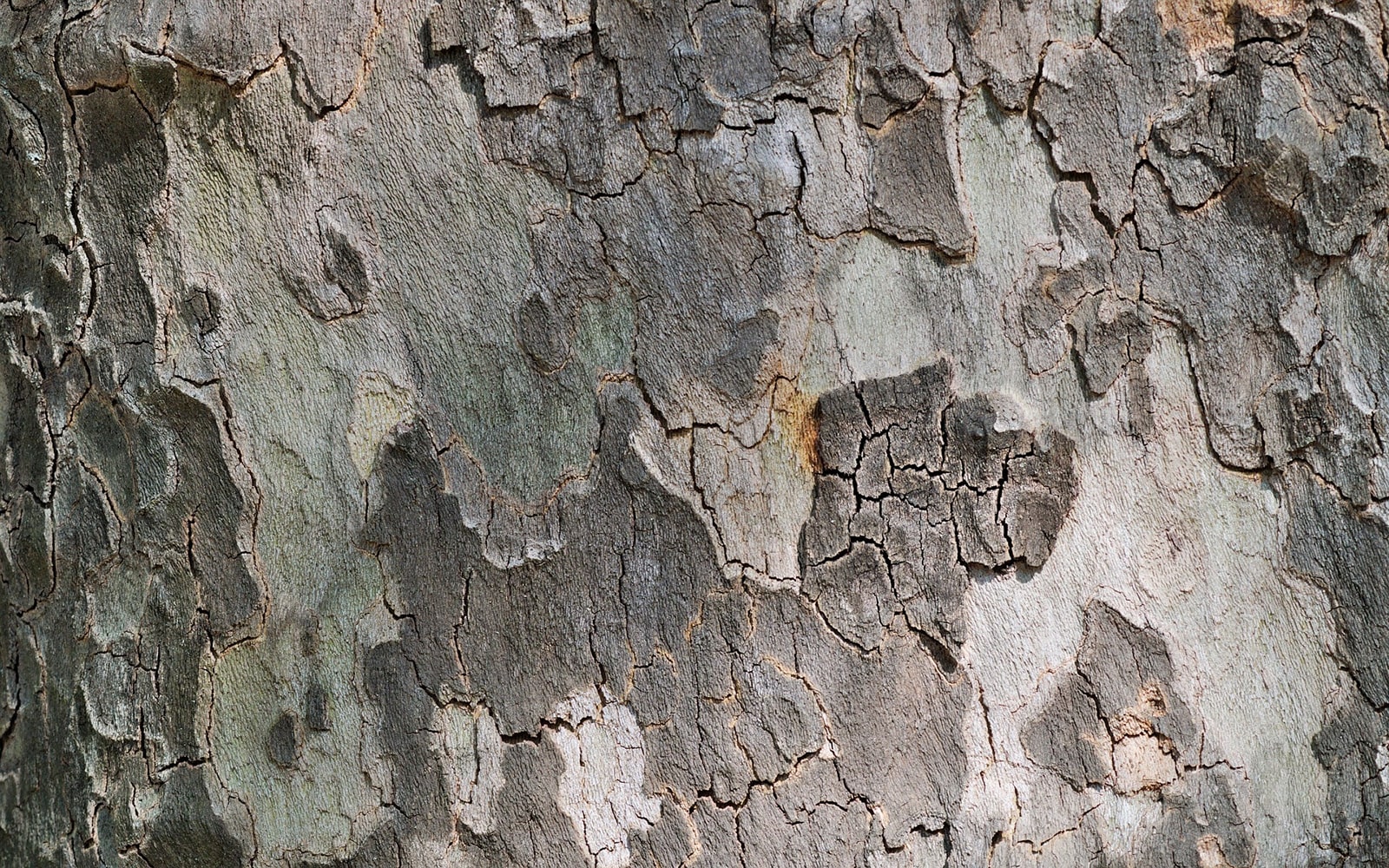
This plant features sharp thorns measuring 1 to 3 inches and possesses sturdy wood with a gray trunk. There are also thornless varieties available, such as 'Princeton Sentry' and 'Fastigiata.' In the fall, it showcases a stunning array of colors, ranging from orange and scarlet to purple. Notably, it is the last of the hawthorn species to bloom and exhibits the highest tolerance to heat. While it can adapt to a variety of soil types, it prefers moist, well-drained loam and should ideally be planted in full sun.
**Insect Pests, Diseases, and Other Issues:**
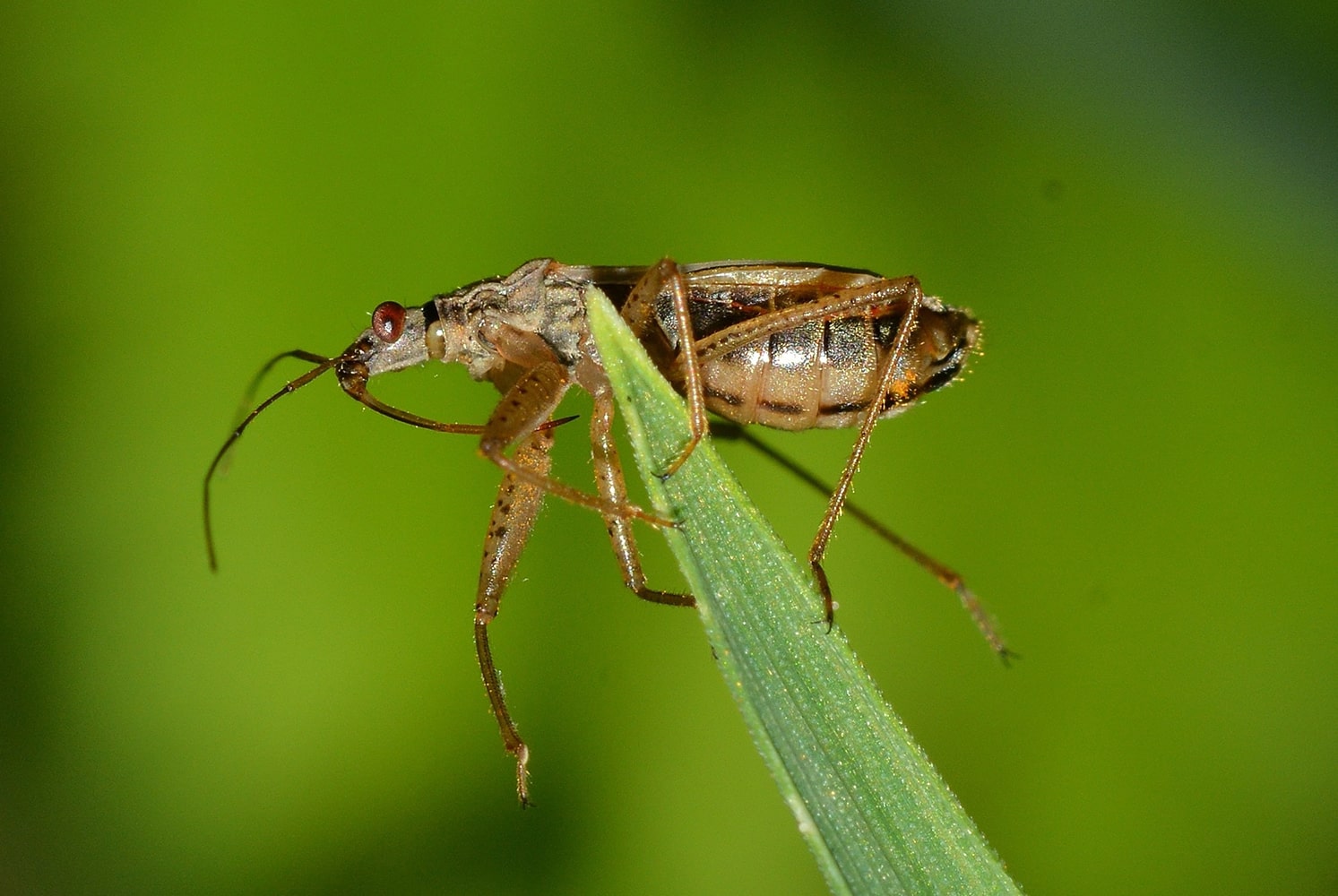
Common insect pests affecting the Washington hawthorn include borers, caterpillars, lace bugs, leafminers, and scale. Fortunately, this species demonstrates good resistance to cedar-apple rust. However, it can occasionally face challenges from fire blight, fungal leaf spots, powdery mildew, cankers, and apple scab.
Crataegus phaenopyrum Feature Summary
Crataegus phaenopyrum Image Gallery