Chaenomeles speciosa: Uses (Ethnobotany)
Edible fruit, most often made into jam.
Phonetic Spelling:ky-NO-may-leez spee-see-OH-sah
Genus:Chaenomeles
Species:speciosa
Family:Rosaceae
Chaenomeles speciosa, commonly referred to as 'Flowering Quince,' is a deciduous shrub belonging to the Rosaceae family. Originating from China, this plant thrives in well-drained soil with moderate moisture levels. While it can tolerate some shade, it produces the most vibrant flowers when exposed to full sunlight. Once established, it exhibits mild drought resistance.
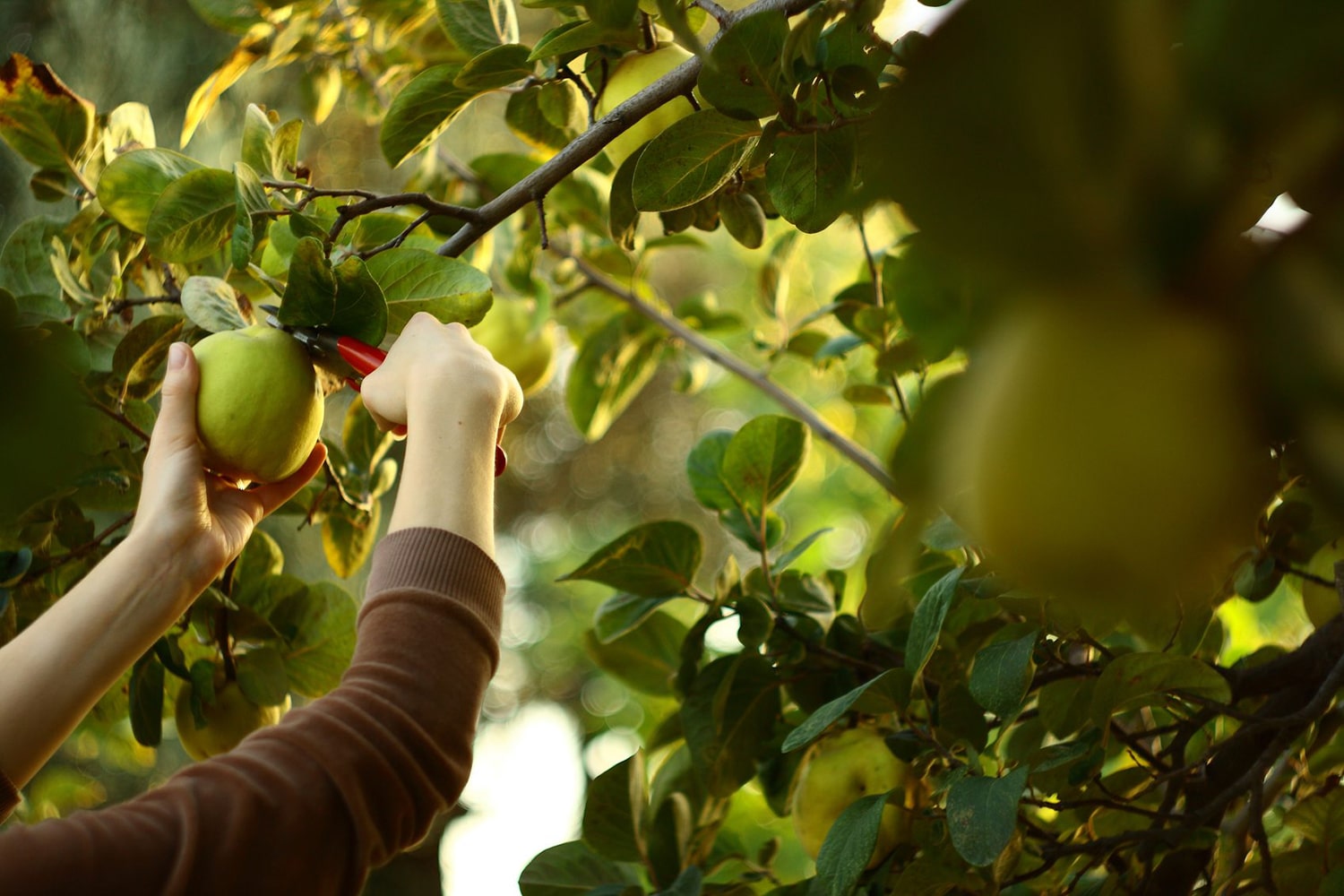
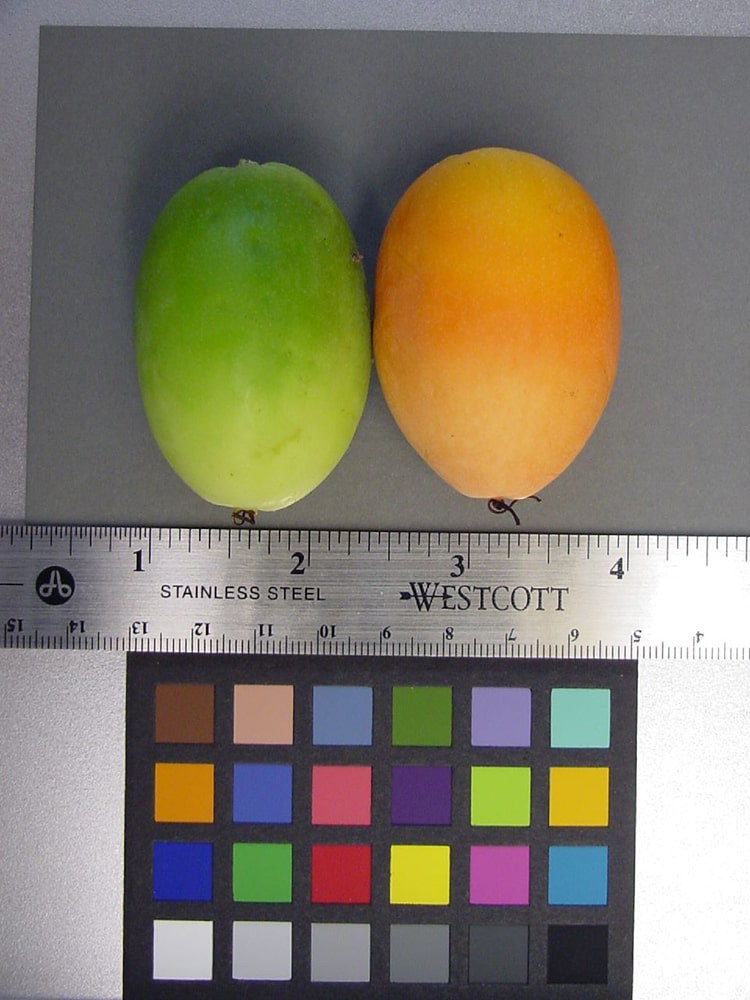
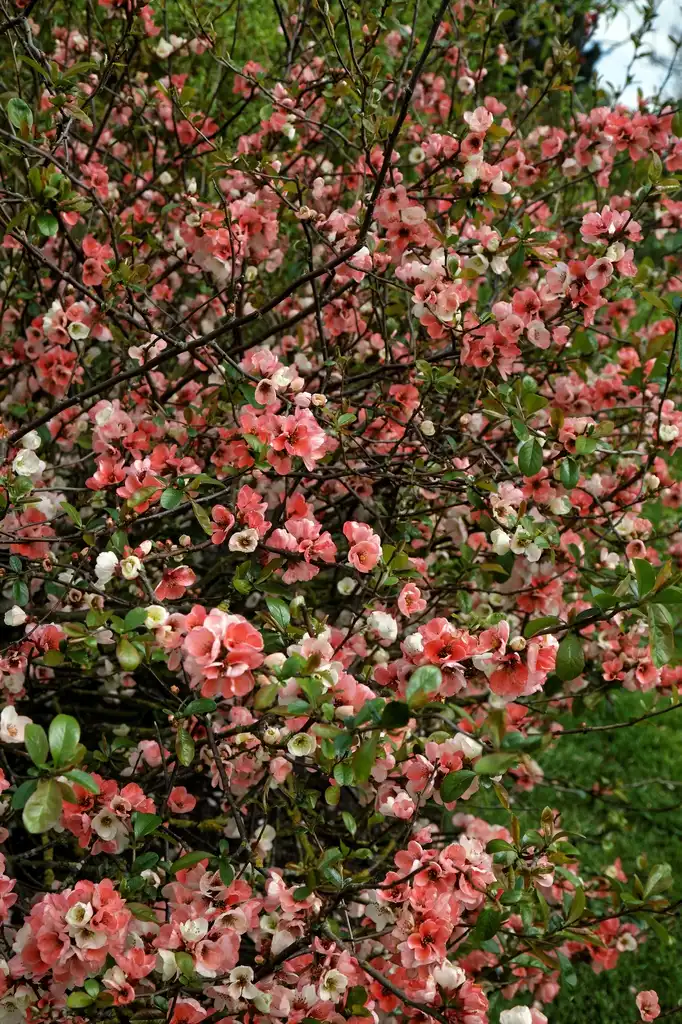
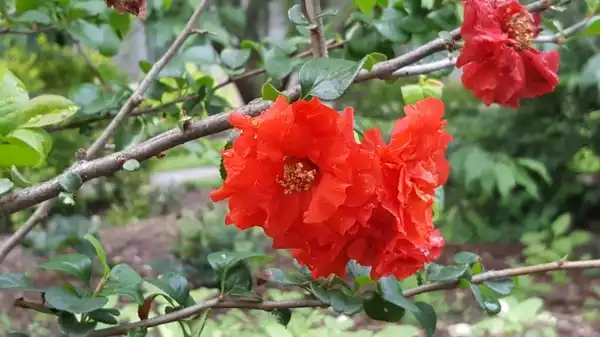
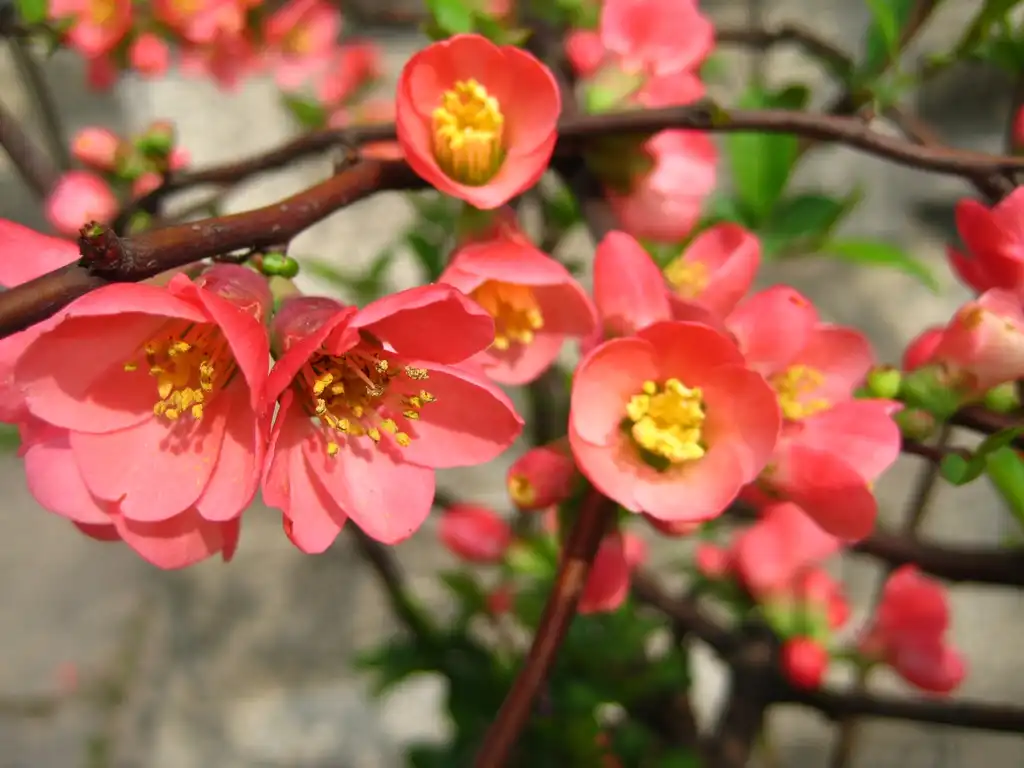
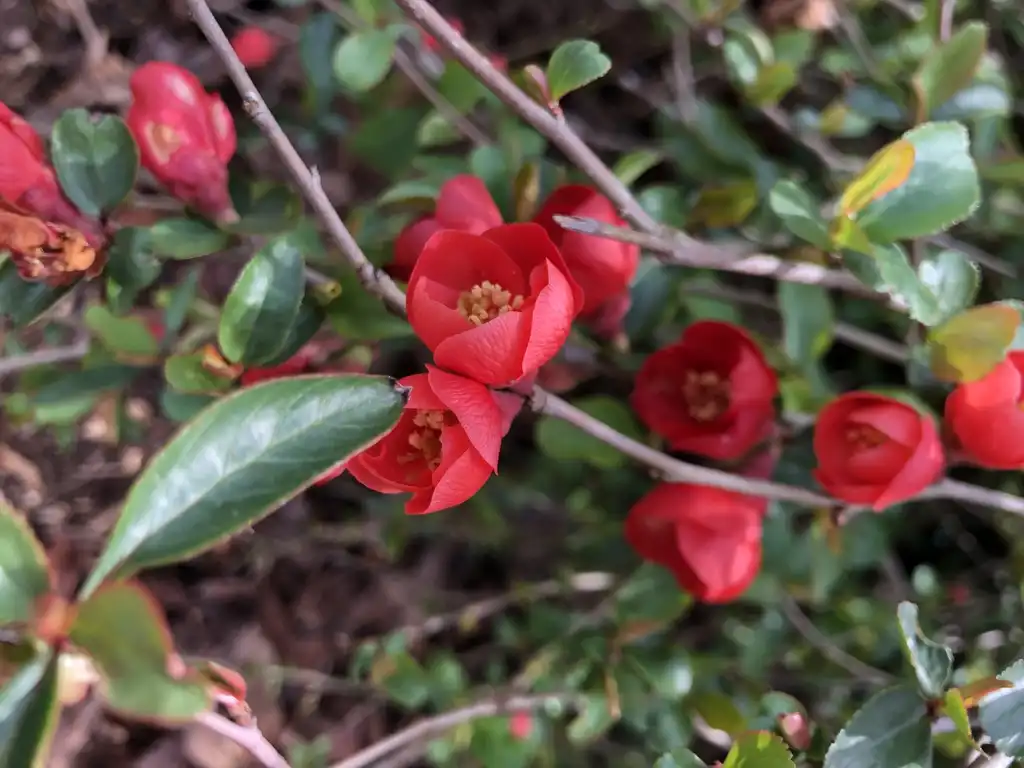
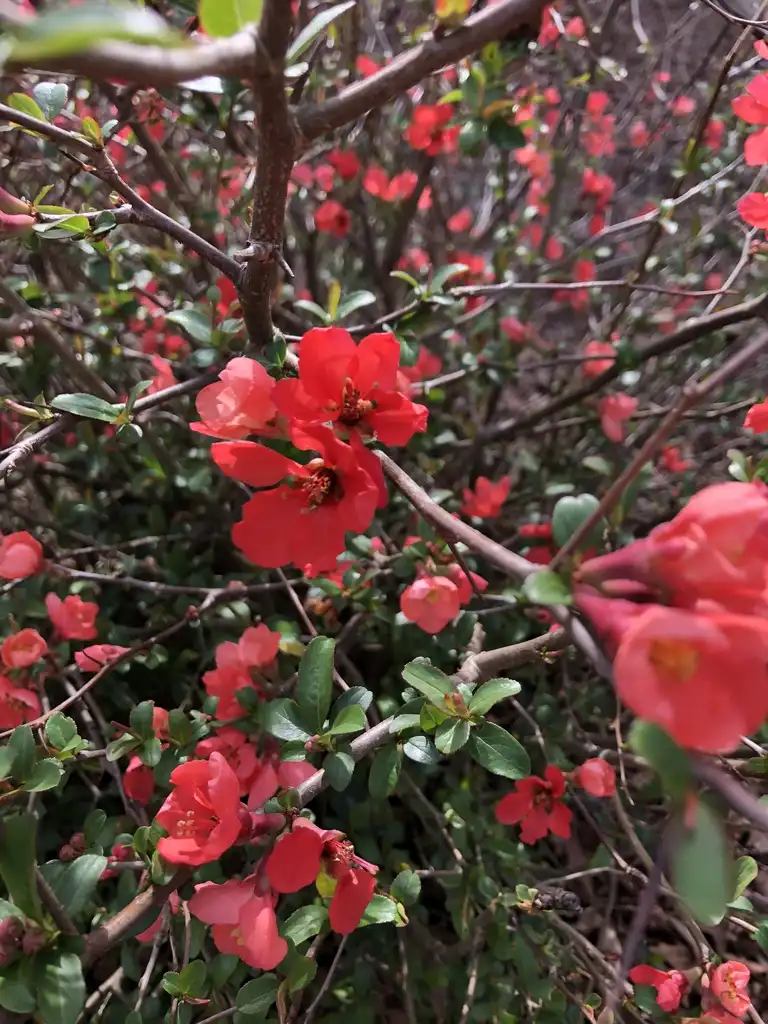
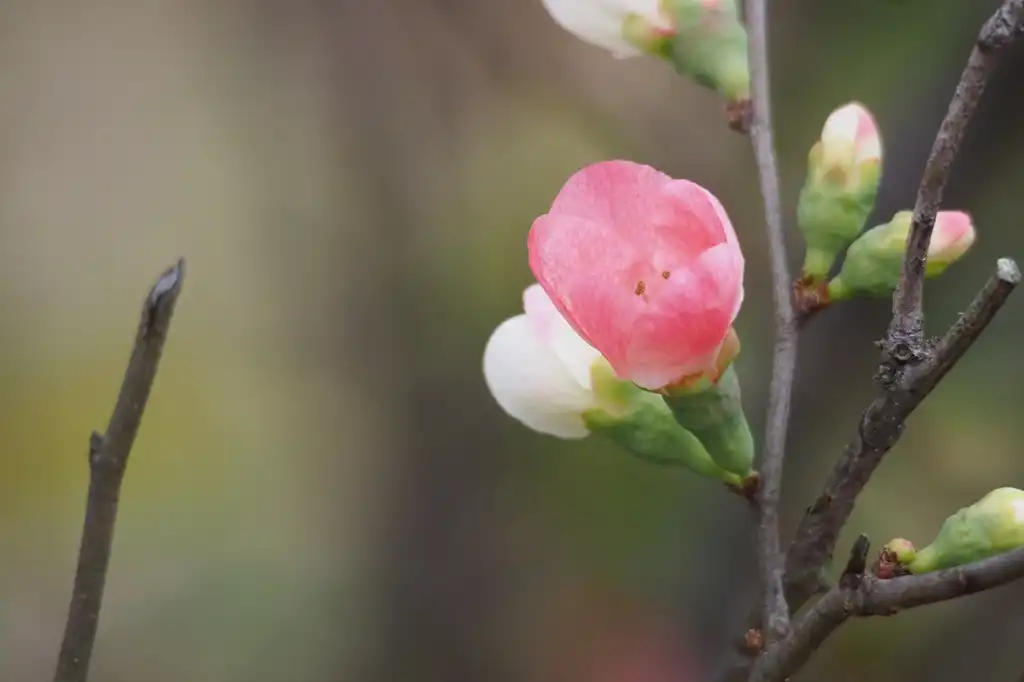
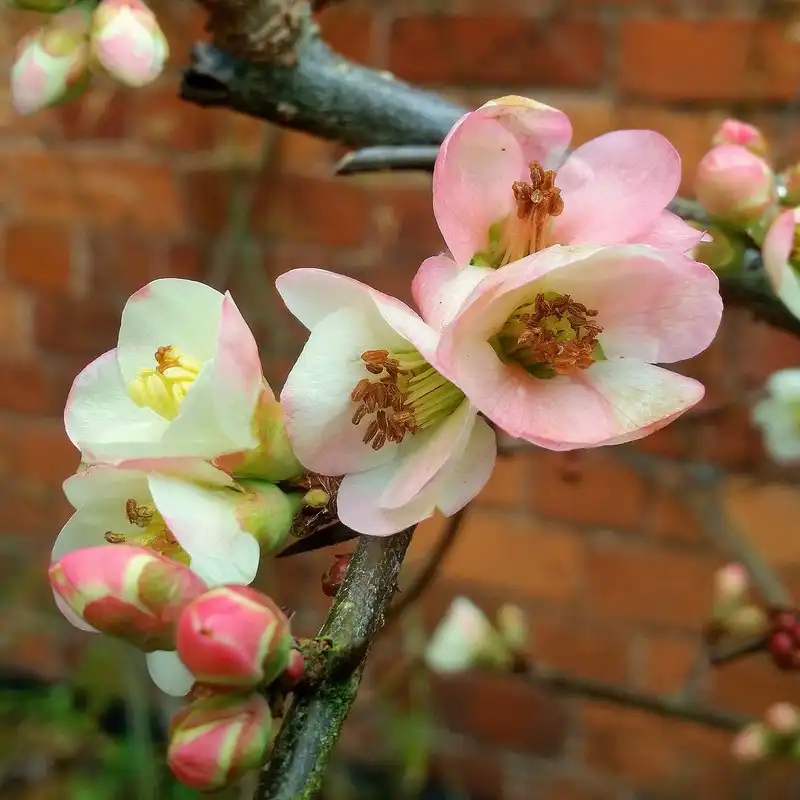
This species is particularly striking, especially during its blooming period from March to April, when it showcases an abundance of medium-sized, scarlet-red flowers. True to its name, Flowering Quince also bears fruit. Although the quince fruits are typically hard and bitter when freshly picked, they can be transformed into delicious preserves and jellies, and some individuals enjoy them after allowing them to ripen. The fruits are yellow-green and measure about 2.5 inches in length. The plant flowers on old growth, so if fruit production is desired, moderate pruning is advisable; however, it can withstand heavy pruning if necessary. For optimal flowering in the following year, prune in the spring to shape the plant and encourage the growth of flowering spurs, though this may reduce the current year's fruit yield.
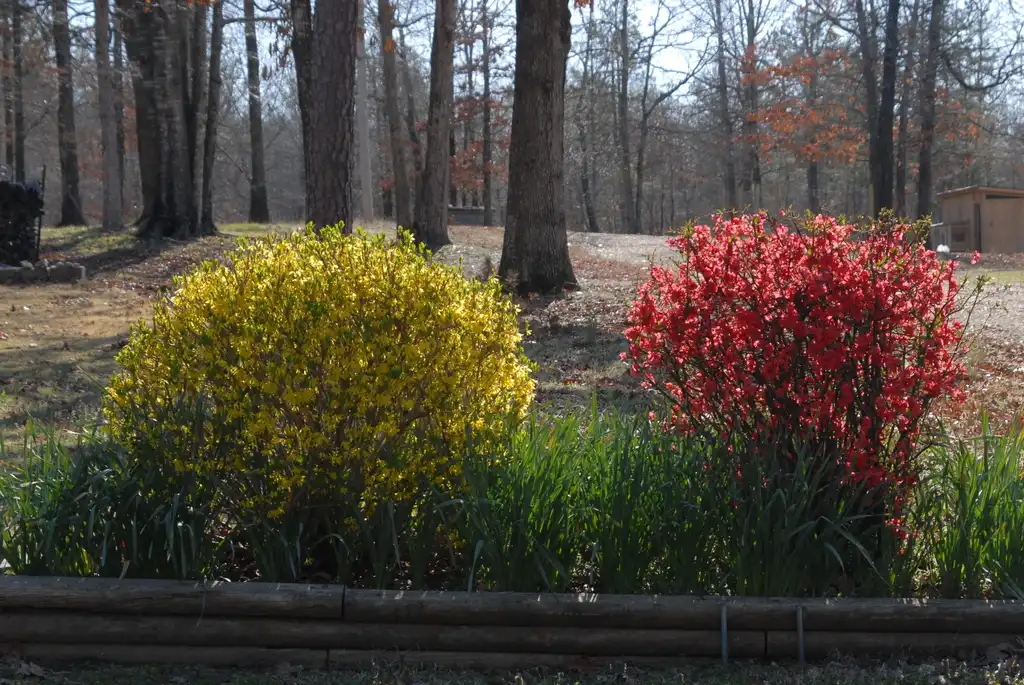
C. speciosa is a resilient and robust plant, making it an excellent choice for informal hedges. It has moderate salt tolerance and tends to grow more upright compared to its relative, C. japonica. It prefers slightly acidic soil and has a dense, tangled growth habit with spiny branches.
In terms of pests and diseases, aphids can pose a threat to stressed plants, and the species is susceptible to fire blight.
For quick identification, look for a deciduous shrub or small tree that can reach up to 10 feet tall. It produces eye-catching blooms in early spring before the leaves emerge and bears ornamental, edible fruits in the fall, which are often used for jellies and preserves. This plant is suitable for use as a hedge, in mass plantings, as a barrier (due to its spiny nature), or in shrub borders, with dwarf varieties available for lower borders.
C. speciosa is the most commonly found species in southern gardens, characterized by its upright stems that arch at the tips, reaching heights of 4 to 6 feet, and its striking red flowers.
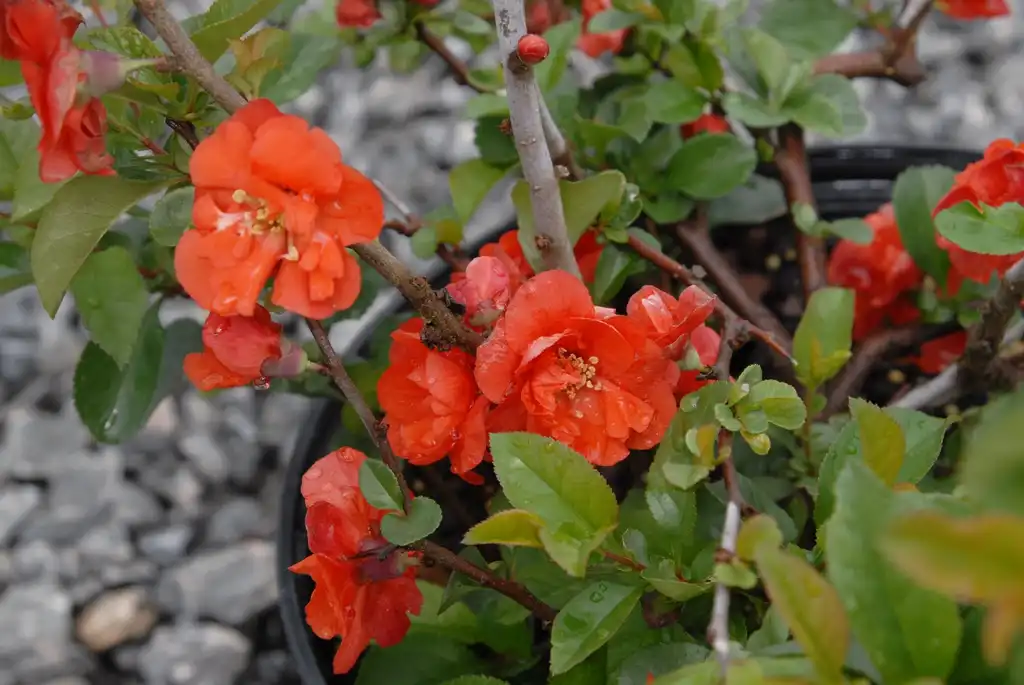
In contrast, C. japonica is a dwarf variety, growing to 2 to 4 feet tall, with branches that arch outward and flowers that range from salmon to orange. This species tolerates dry soil but is sensitive to alkaline conditions, is easily transplanted, and exhibits rapid, cane-like growth, though it may encounter pest and disease issues.
Chaenomeles speciosa Feature Summary
Chaenomeles speciosa Image Gallery