Spiraea prunifolia: Country Or Region Of Origin
Southern China
Phonetic Spelling:spy-REE-ah proo-ni-FOH-lee-uh
Genus:Spiraea
Species:prunifolia
Family:Rosaceae
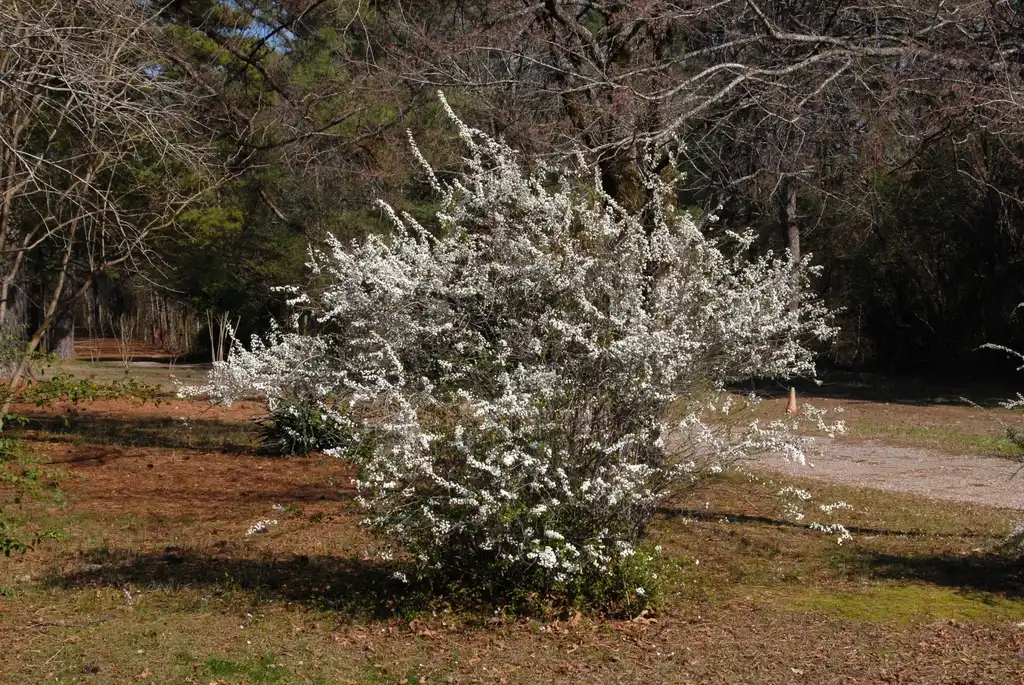
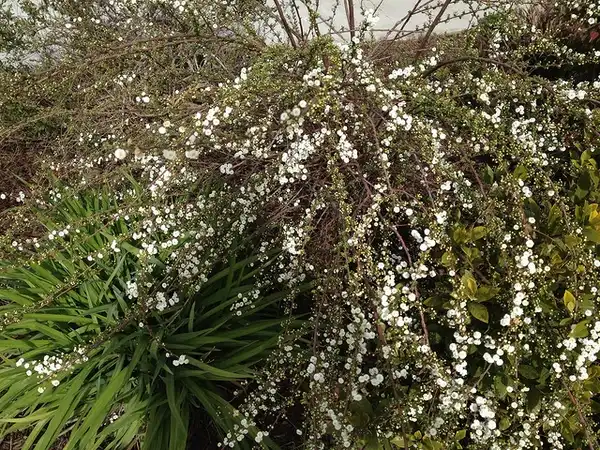
Spiraea prunifolia, commonly referred to as Bridal Wreath Spiraea, is a resilient, flowering deciduous shrub that can reach heights of up to 9 feet and spread about 8 feet wide. Its growth habit is typically twiggy, with a loose, fountain-like appearance. This plant thrives in average to medium moisture levels and well-drained soils, producing its most abundant blooms when exposed to full sunlight. It can also tolerate light shade and a variety of soil types, including clay, as well as some drought conditions. In its native habitat of China, it often grows on sunny hillsides or in rocky, barren areas. Due to its upright and arching growth, which can lead to a leggy appearance, pruning immediately after flowering is advisable. However, if left unpruned, the Bridal Wreath Spiraea can develop into a graceful, open shrub with branches that gracefully droop to the ground, with the preference for either form being subjective.
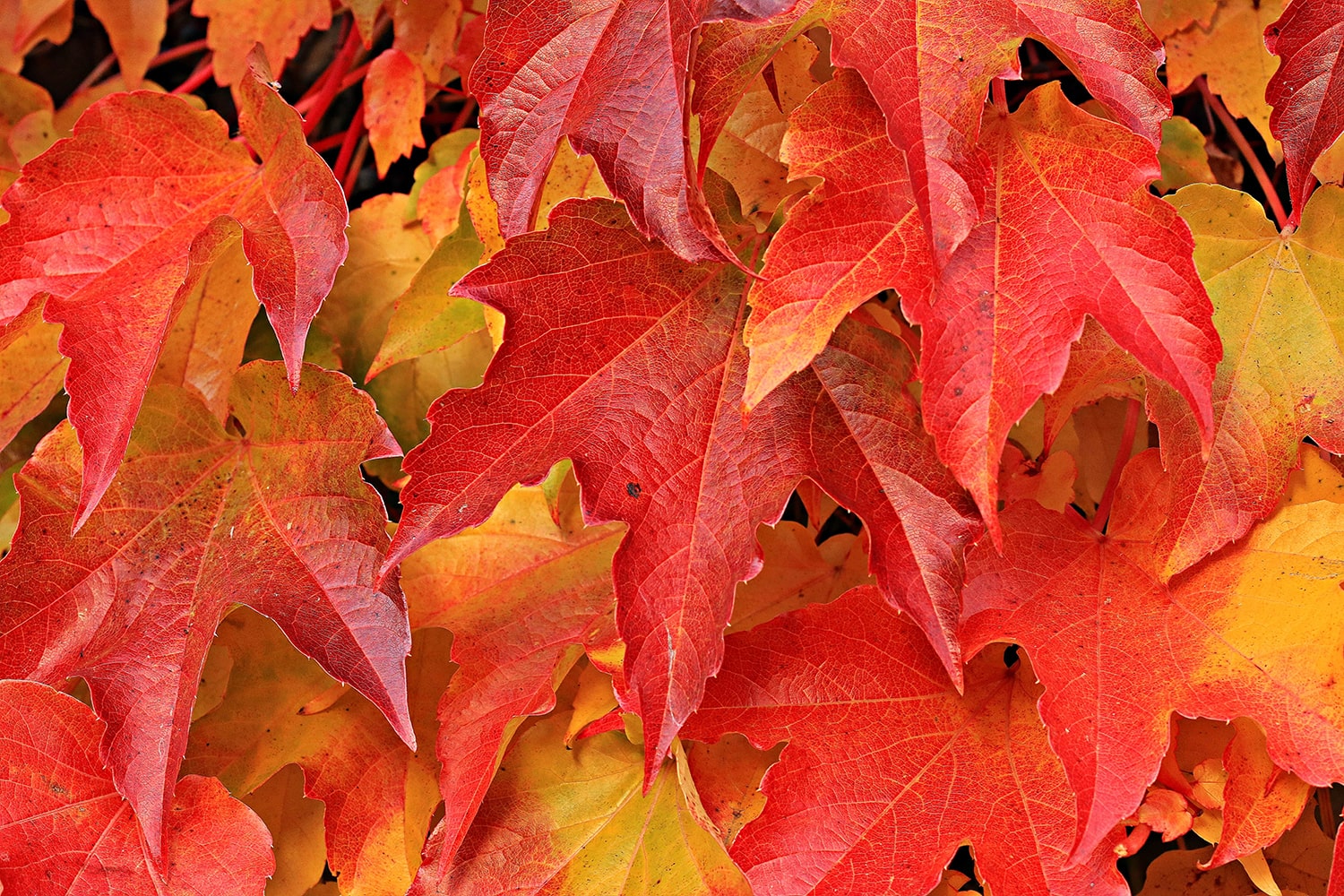
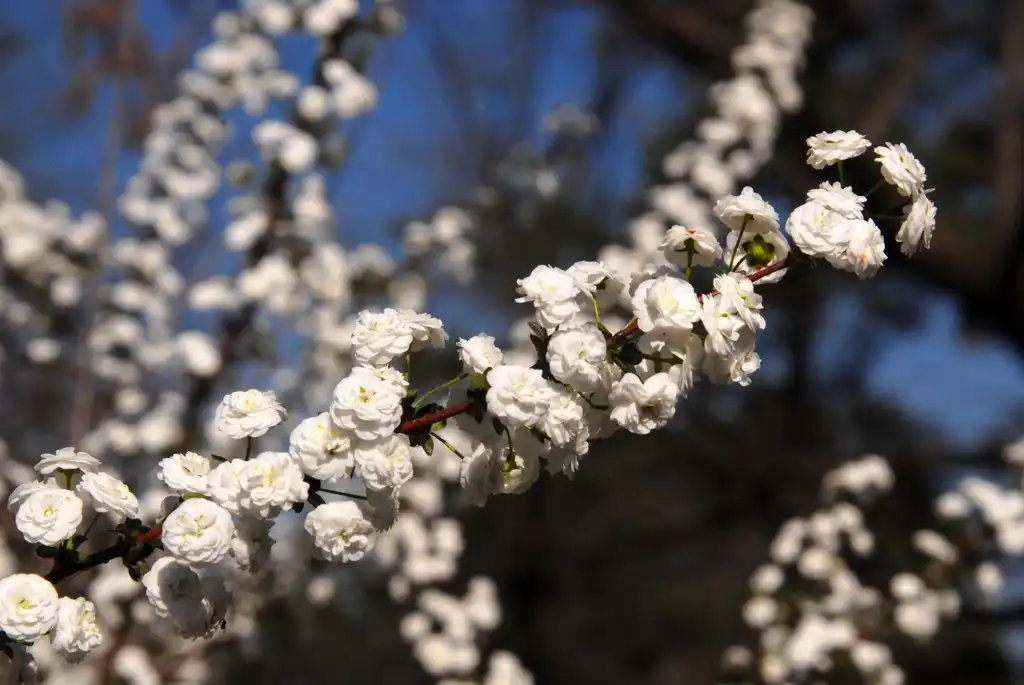
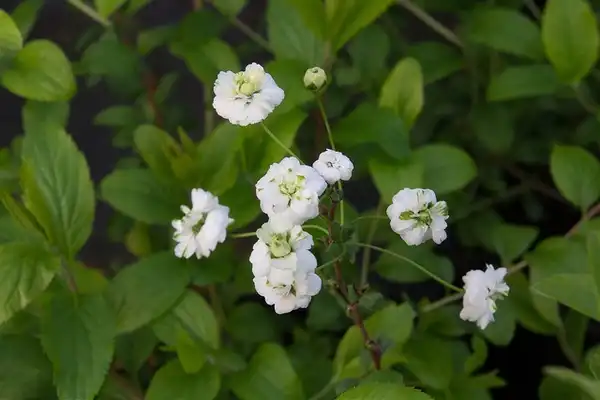
This shrub is particularly celebrated for its profuse display of double white flowers that bloom in early spring along its bare branches. The pristine white blossoms are arranged in long sprays, making them suitable for crafting wreaths to adorn the head for special occasions, which is the origin of its name. Following the flowering period, small, glossy dark green leaves emerge, often transforming into a striking red-orange-yellow hue in the fall.
The variety S. prunifolia ‘Plena’ is the most commonly available form of Bridal Wreath in retail settings. Other species and the single-flowered variant (Spiraea prunifolia var. simpliciflora) are typically harder to find. It’s worth noting that the double-flowered version was described botanically before the single-flowered variant, leading to the double flower being classified as the species and the single flower as a variety.
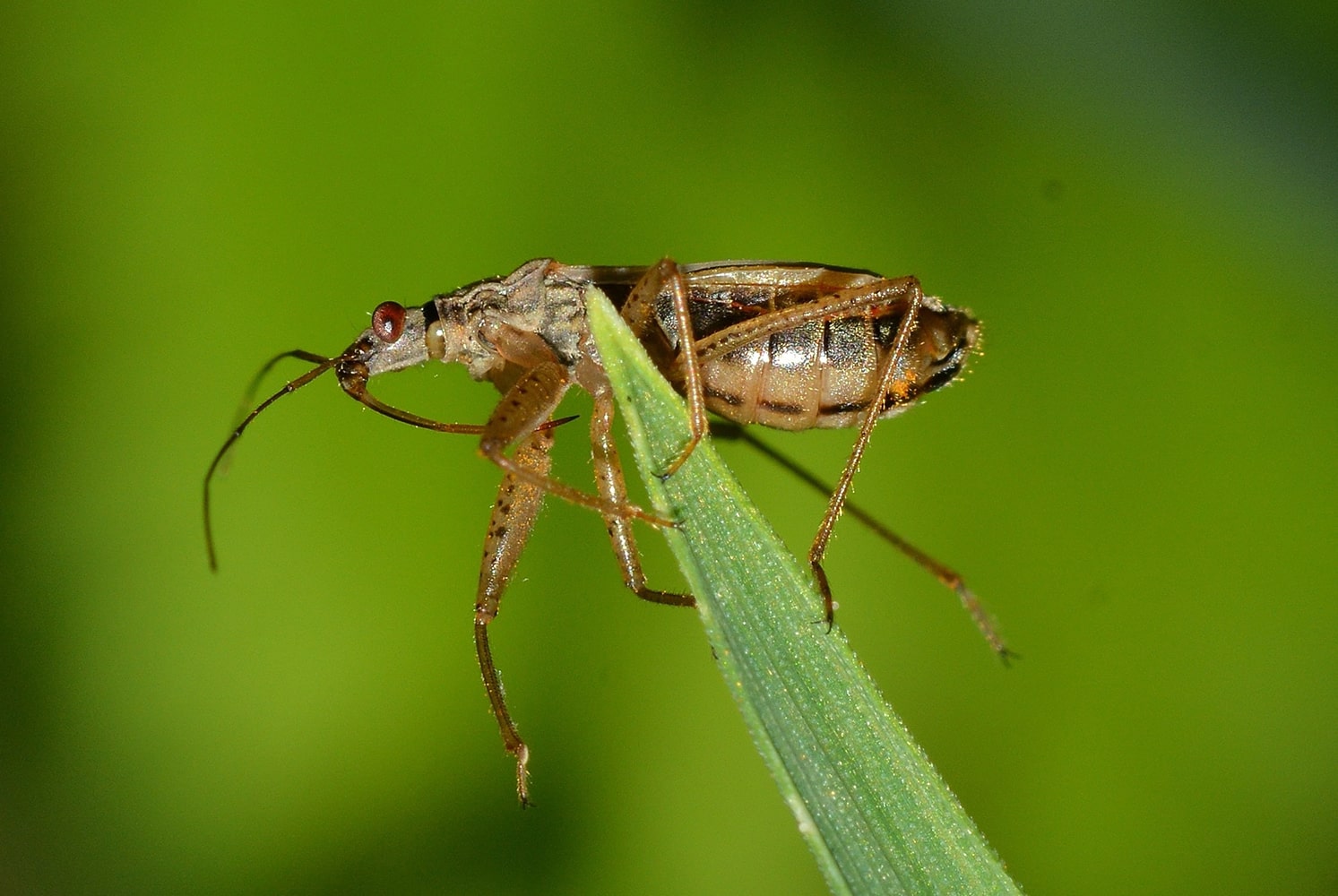
In terms of pests and diseases, this shrub is remarkably hardy and does not face any significant insect or disease threats. However, it can be vulnerable to various issues that affect other members of the rose family, such as leaf spot, fire blight, powdery mildew, root rot, aphids, leaf rollers, and scale insects.
Spiraea prunifolia Feature Summary
Spiraea prunifolia Image Gallery