Spiraea thunbergii: Country Or Region Of Origin
Japan and China
Phonetic Spelling:spy-REE-ah thun-BER-jee-eye
Genus:Spiraea
Species:thunbergii
Family:Rosaceae
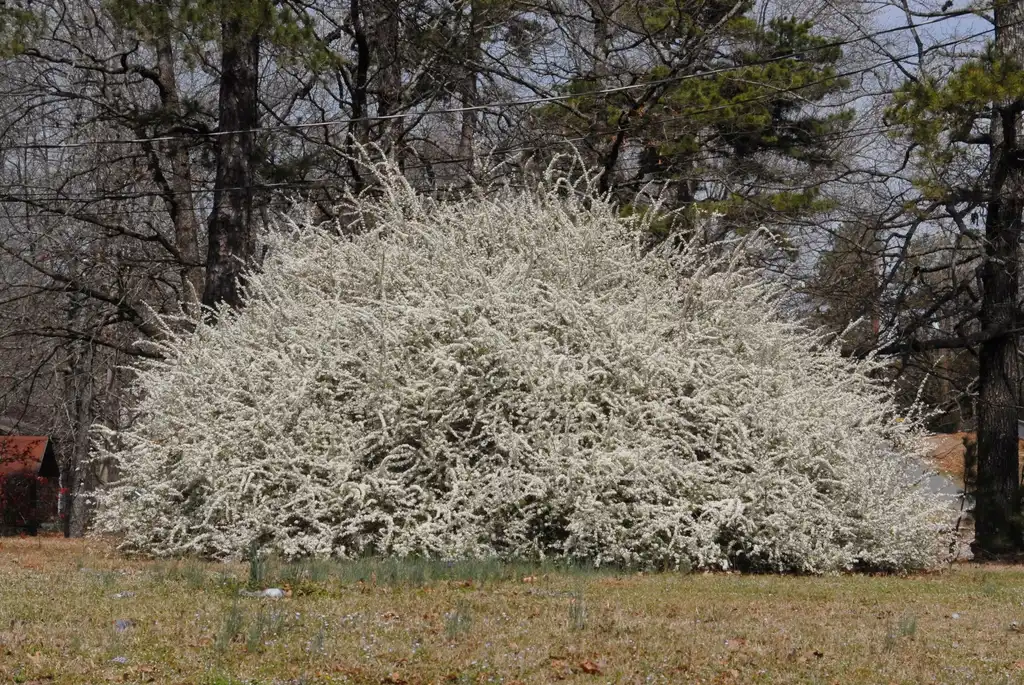
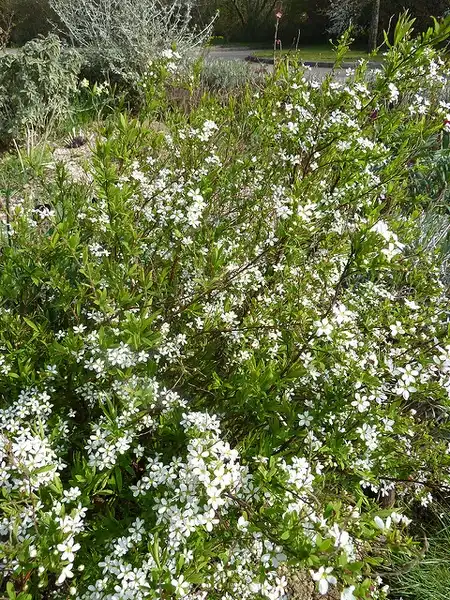
Spiraea thunbergii, commonly known as Breath of Spring Spiraea, is a resilient, upright deciduous shrub that can grow up to 5 feet tall and wide. This flowering plant thrives in average, well-drained soils with medium moisture and full sunlight, although it can also adapt to light shade and a variety of soil types, including clay, while withstanding some drought conditions. In its native habitat in Asia, it typically grows on rocky hillsides but is sensitive to overly wet soil. For optimal blooming, it’s best to plant it in a warm, sheltered area that receives full sun. The shrub has a loose, fountain-like shape with slender, arching branches and a somewhat twiggy appearance, so regular pruning right after flowering is recommended to maintain its desired form. Since it blooms on last summer's growth, timely pruning encourages new growth.
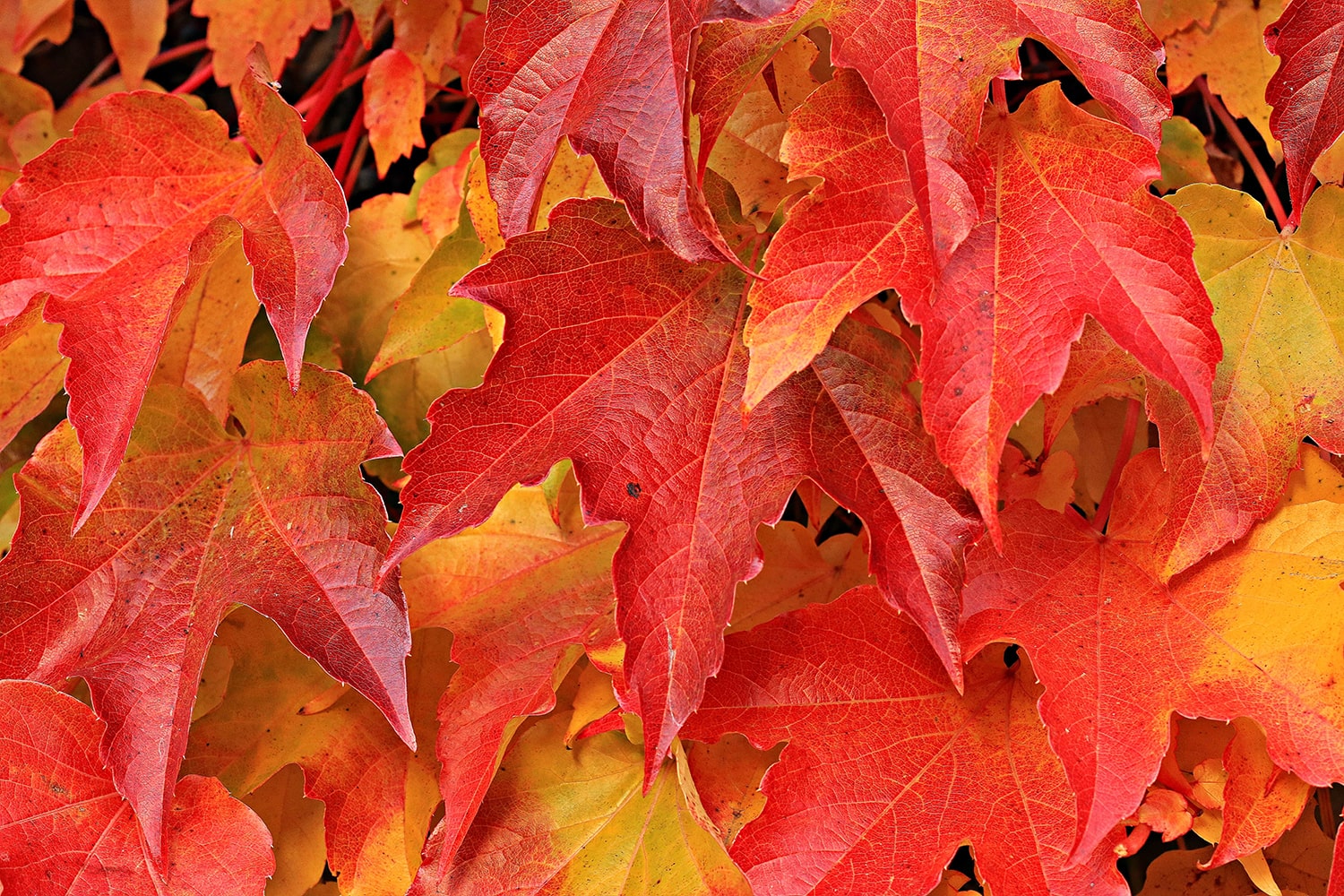
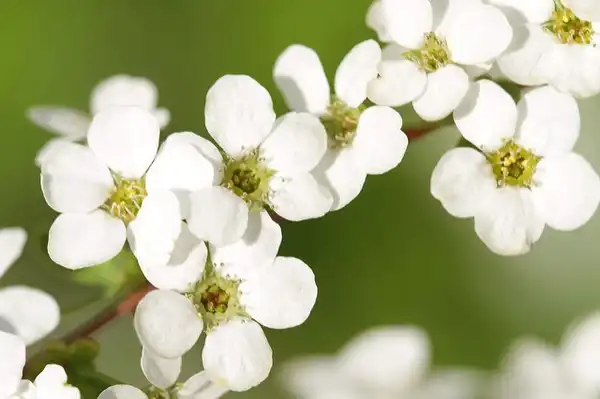
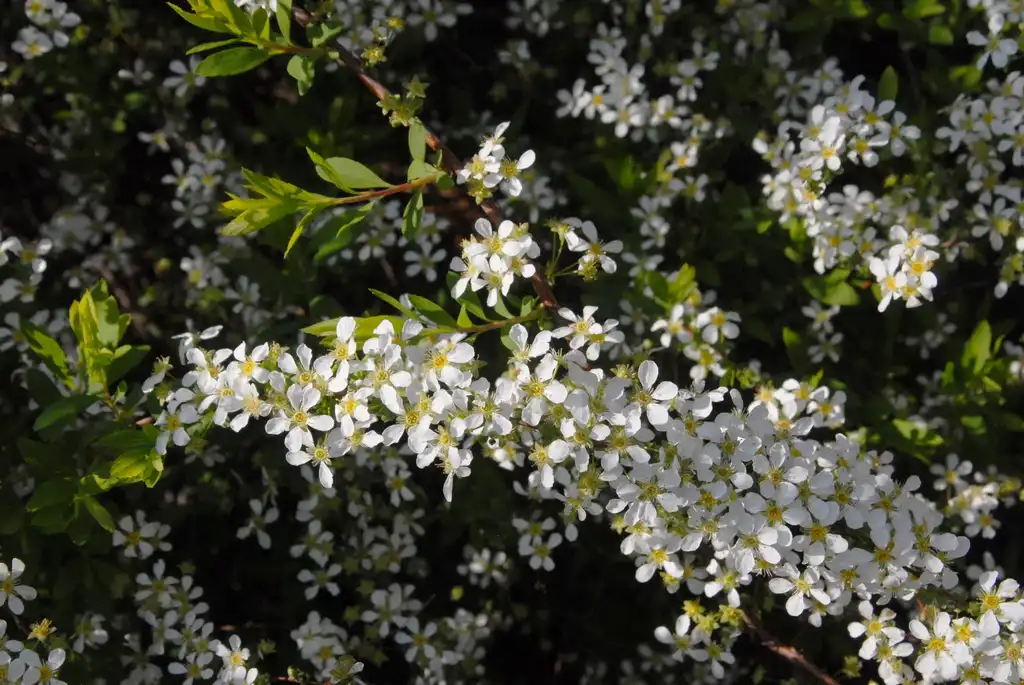
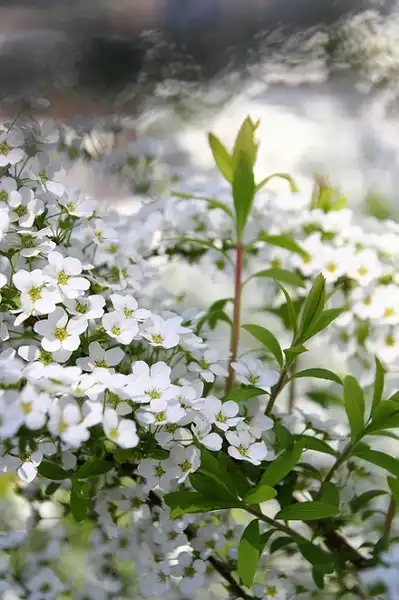
Breath of Spring Spiraea is particularly celebrated for its early spring blossoms, usually appearing in April as the first of the spiraea to flower. The tiny white flowers, each measuring up to 1/3 inch in diameter, grow in clusters of three to five. After the blooms fade, narrow, pale green leaves emerge, resembling those of a willow. In the fall, the foliage transforms to a vibrant yellow, accented with orange and bronze tones.
The species name thunbergii pays tribute to the Swedish botanist and plant collector Carl Peter Thunberg (1743-1828).
Regarding pests and diseases, this plant generally faces no significant issues. However, it can be vulnerable to various diseases and pests that affect other members of the rose family, such as leaf spot, fire blight, powdery mildew, root rot, aphids, leaf rollers, and scale. There is some uncertainty about its level of tolerance to deer.
Spiraea thunbergii Feature Summary
Spiraea thunbergii Image Gallery