Spiraea japonica: Country Or Region Of Origin
Japan and China
Phonetic Spelling:spy-REE-ah juh-PON-ih-kuh
Genus:Spiraea
Species:japonica
Family:Rosaceae
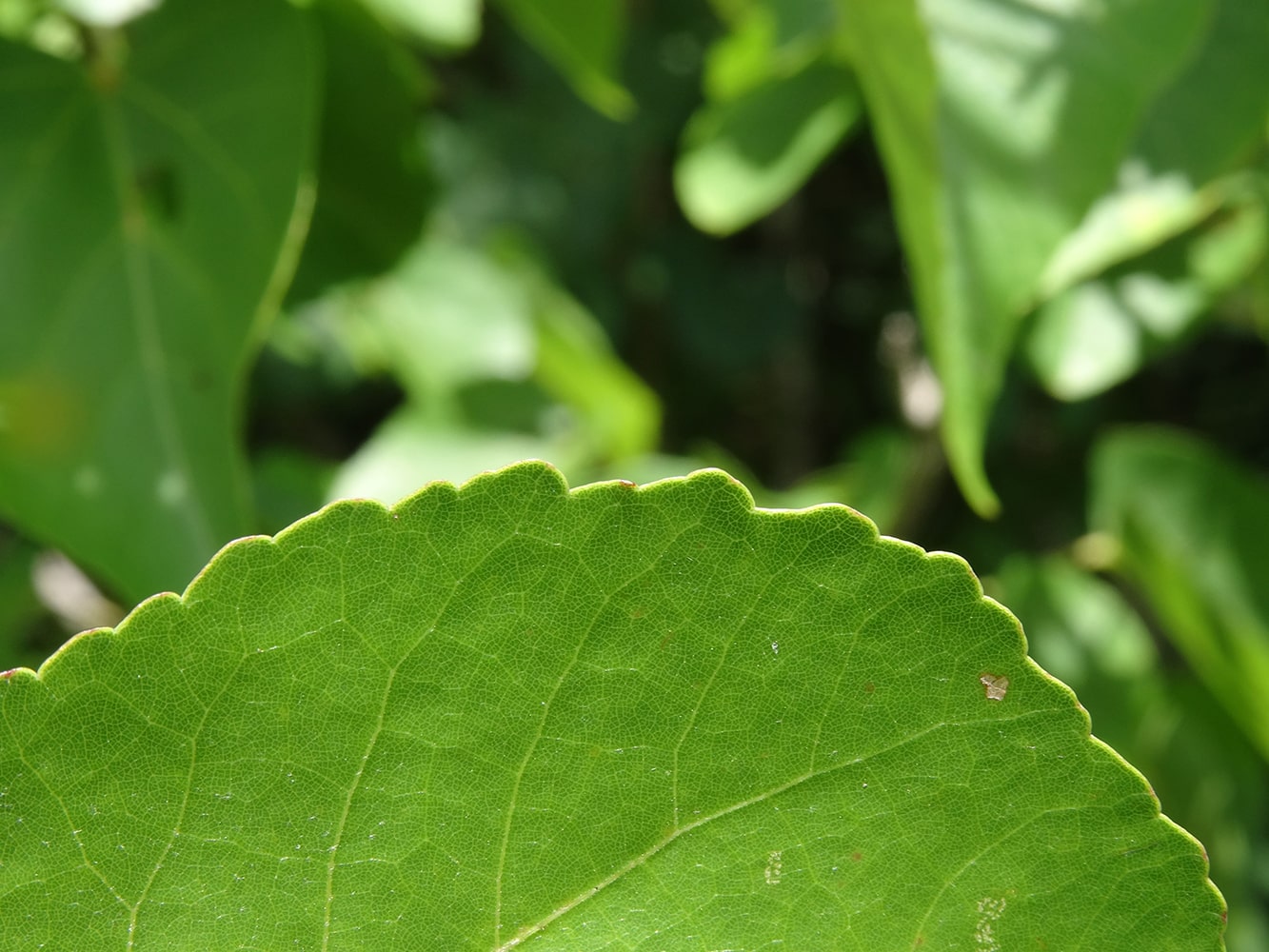
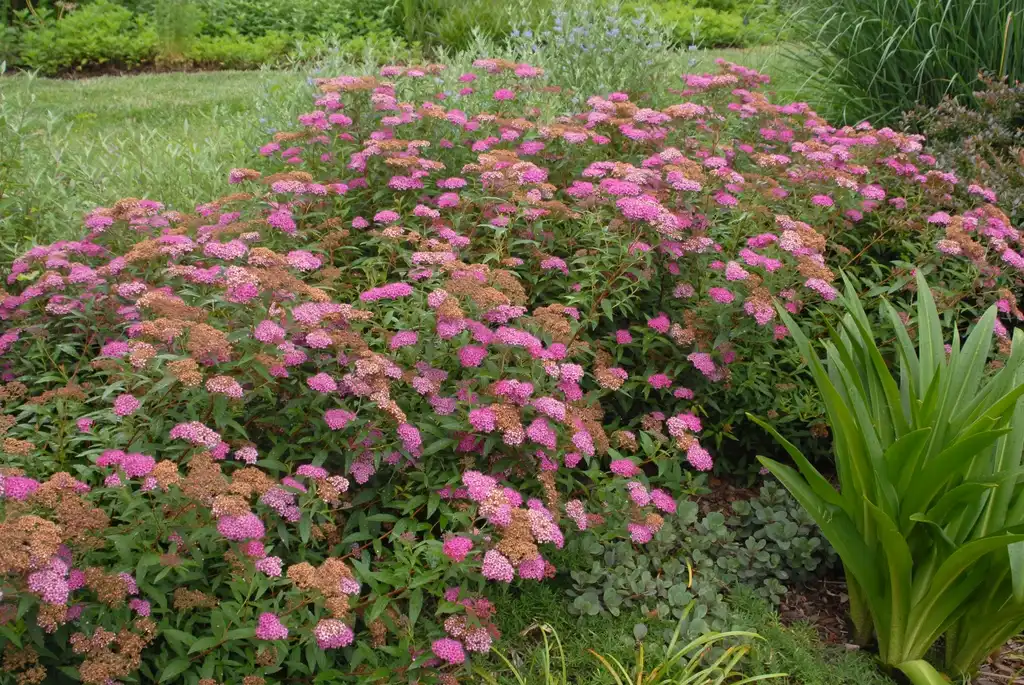
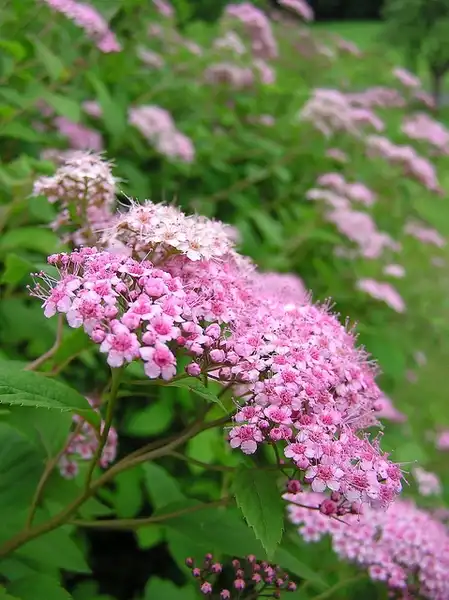
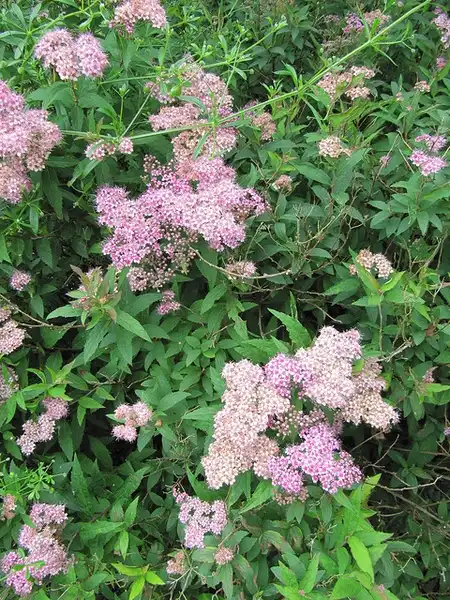
Spiraea japonica, commonly known as Japanese Spiraea, is a compact deciduous shrub that features vibrant foliage that shifts in color throughout the seasons. Typically reaching heights of 4 to 6 feet and spreading equally wide, this drought-resistant plant boasts an upright, low, and broadly mounded shape, forming a dense cluster of slender, wiry stems. In early summer, Japanese Spiraea produces lovely pink flowers that attract butterflies, making it one of the last spiraea varieties to bloom each year. After flowering, the old, dried flower heads can remain on the plant, and a light shearing can be performed to promote further blooms. Since this shrub flowers on new growth, it is advisable to prune its branches in late winter or early spring. This versatile plant is ideal for planting on slopes, as a low mass or filler, or at the front of a shrub border.
While it thrives in rich loamy soil, Japanese Spiraea is adaptable and can grow in various soil types, including clay, provided there is average moisture, good drainage, and full sunlight. However, it does not perform well in wet, poorly drained soils and can tolerate only light shade. This species can be quite prolific, often self-seeding and naturalizing in many regions of the eastern United States, and it may also spread through suckering within the garden.
**Insects, Diseases, and Other Plant Issues:**
Unlike some other Spiraea species, such as Spiraea cantoniensis, Japanese Spiraea may be vulnerable to deer damage. Additionally, like many members of the rose family, it is susceptible to various diseases and pests, including leaf spot, fire blight, powdery mildew, root rot, aphids, leaf rollers, and scale.
Spiraea japonica Feature Summary
Spiraea japonica Image Gallery