Spiraea x vanhouttei: Country Or Region Of Origin
Canada, China, United States
Phonetic Spelling:spy-REE-ah BY van-HOOT-ee-eye
Genus:Spiraea
Species:
Family:Rosaceae
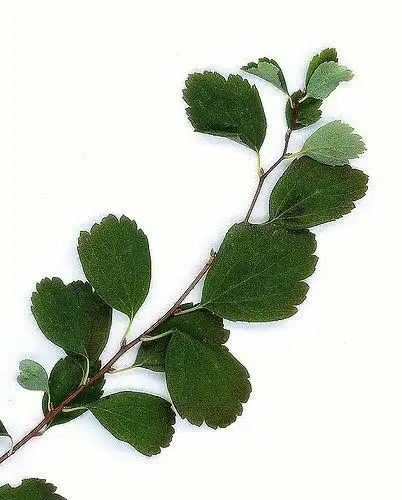
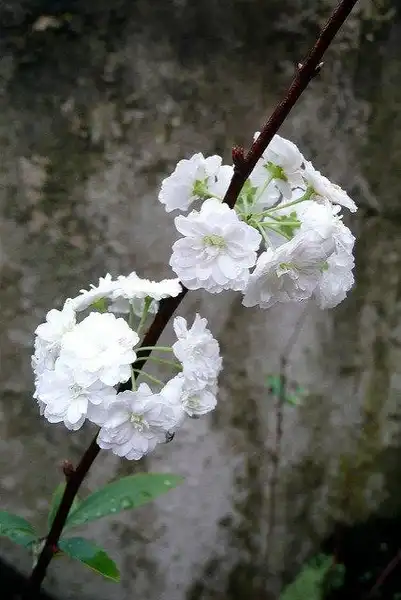
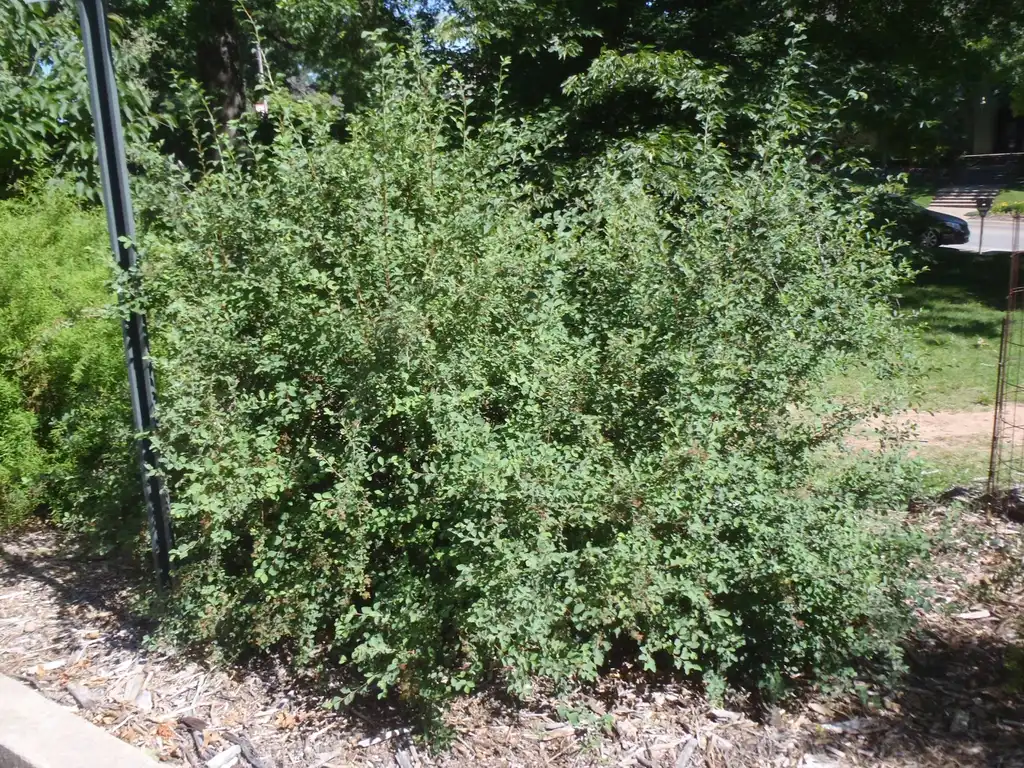
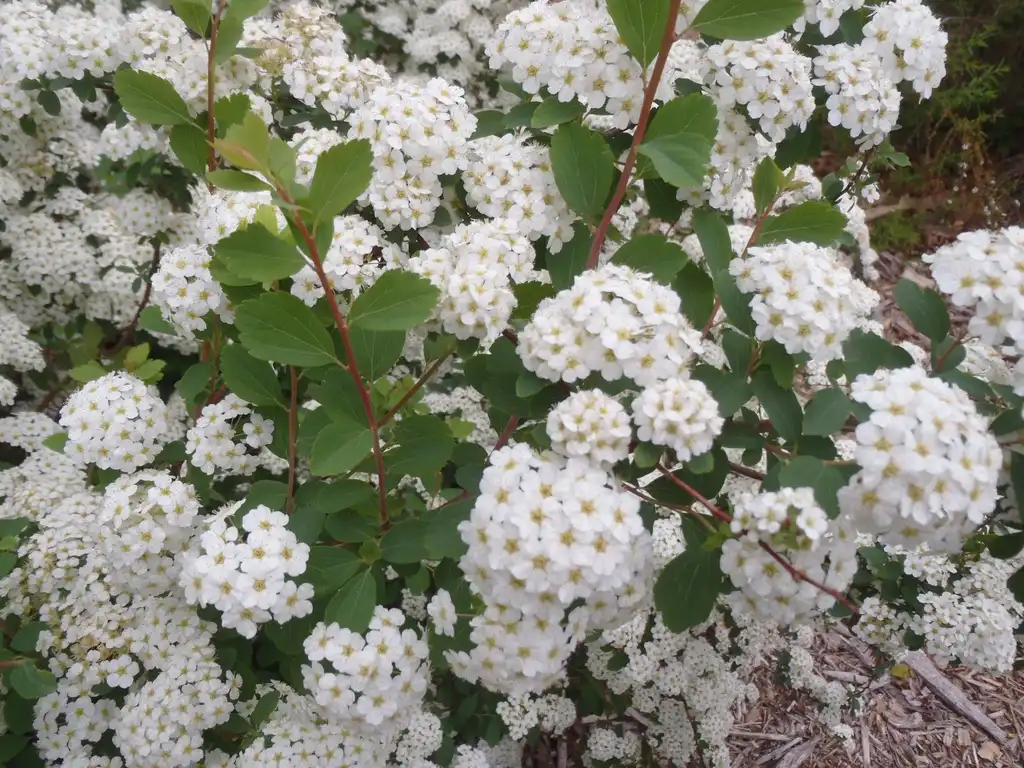
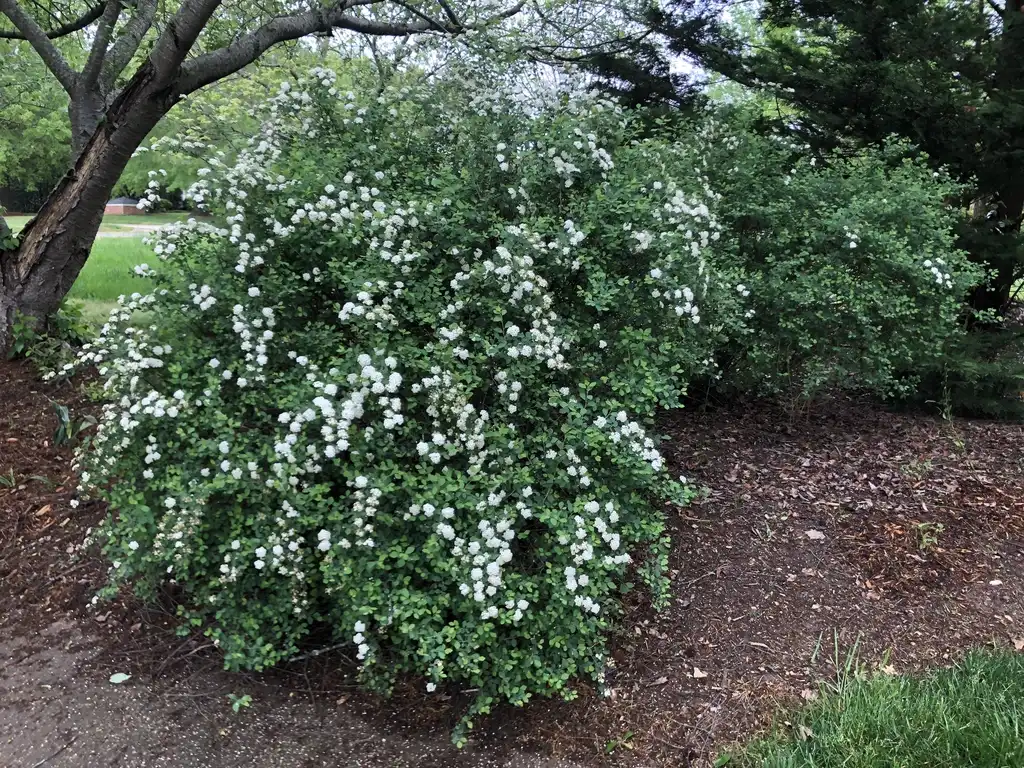
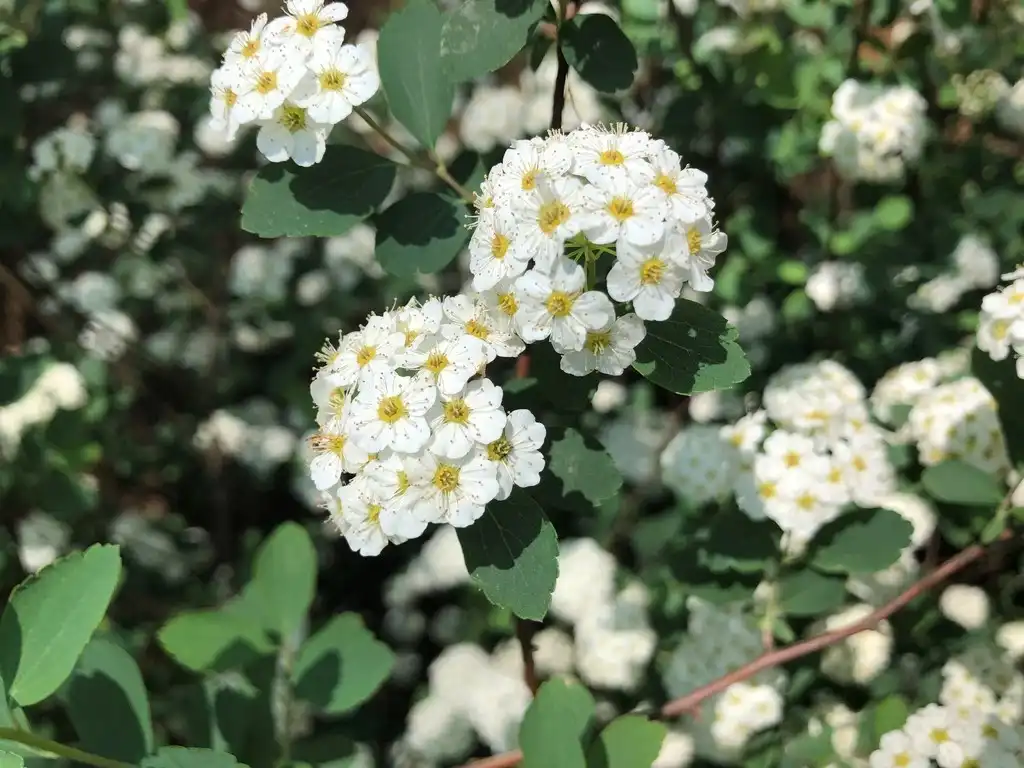
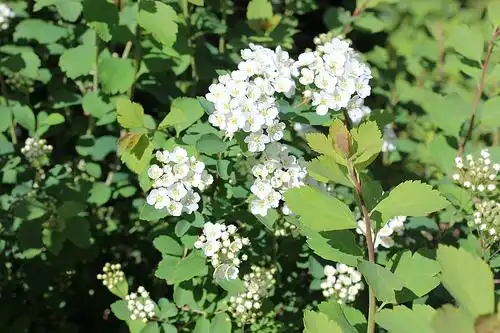
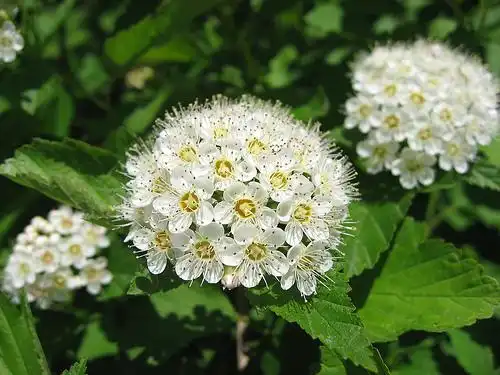
Spiraea × vanhouttei, commonly known as Vanhoutte spiraea or Bridal Wreath, is a deciduous flowering shrub characterized by its vase-like shape and gracefully arching, cane-like branches that tend to droop towards the ground. This hybrid, resulting from a cross between S. trilobata and S. cantoniensis, is celebrated for its vibrant spring blossoms and robust nature. Typically, it grows to about 8 feet tall, with a slightly wider spread. The genus name, derived from the Greek word "speira," translates to "wreath," which aptly describes the striking clusters of flowers that adorn most shrubs in this group. This particular hybrid is favored for its aesthetic appeal, showcasing small white flowers—each measuring up to 1/3 of an inch—that bloom in spring, about 1 to 2 weeks later than its parent species, S. cantoniensis. These flowers emerge in 2-inch clusters that densely cover the leafy branches. The leaves are small and dark blue-green, while the fall foliage is generally unremarkable, though it may occasionally display attractive purplish tones.
Vanhoutte spiraea thrives in average, medium-moisture, well-drained soils and prefers full sun for optimal blooming, although it can tolerate light shade. It adapts well to various soil types, including clay, and shows some drought resistance. If pruning is necessary, it is best to do so right after the flowering period.
Regarding pests and diseases, Vanhoutte spiraea does not face significant threats, although aphids can occasionally be problematic. It is vulnerable to several diseases and pests that affect other members of the rose family, such as leaf spot, fire blight, powdery mildew, root rot, aphids, leaf rollers, and scale insects.
Spiraea x vanhouttei Feature Summary
Spiraea x vanhouttei Image Gallery