Exochorda racemosa: Country Or Region Of Origin
Central Asia and Southeastern China
Phonetic Spelling:ek-so-kor'duh ray-sem-OH-zuh
Genus:Exochorda
Species:racemosa
Family:Rosaceae
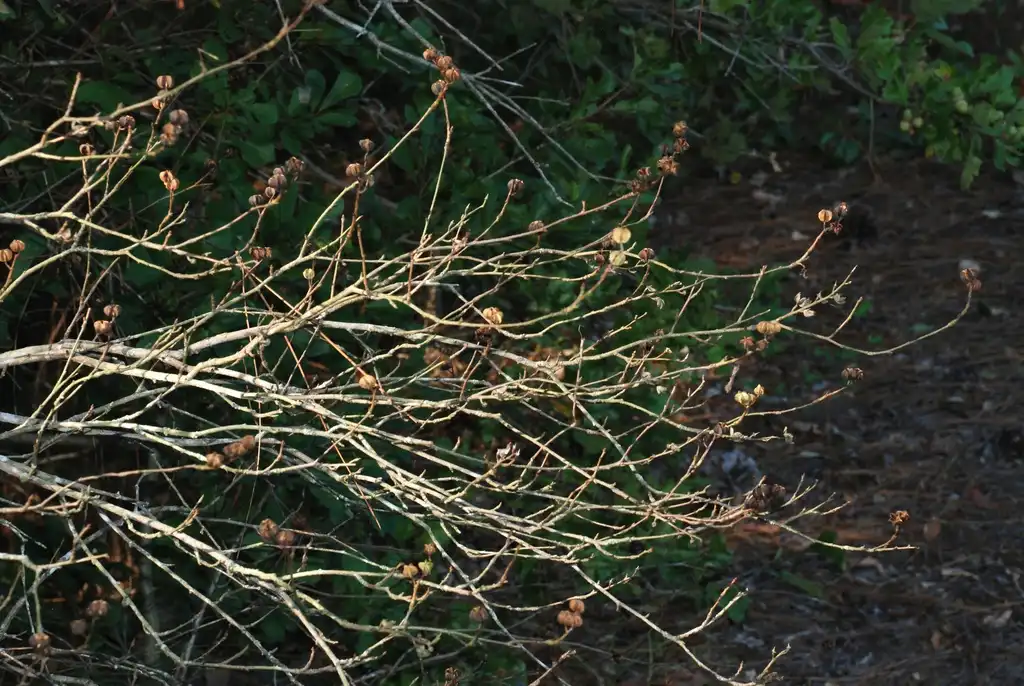
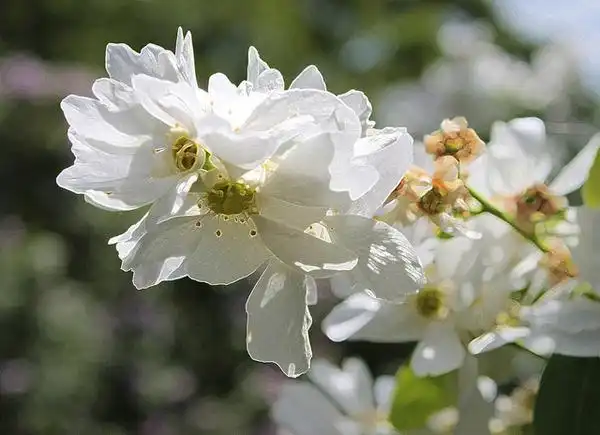
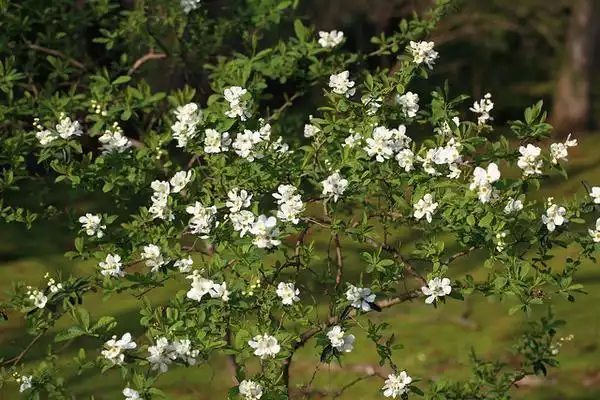
Pearlbush is a deciduous shrub that stands upright and blooms in spring, characterized by its loose, broad form that matches its height. This resilient plant typically grows to about 10 feet, with the potential to reach up to 15 feet, and demonstrates a remarkable ability to withstand heat and drought. It emerges early in the season and thrives in full sun to partial shade, favoring well-drained, acidic soil, though it can adapt to more average soil conditions. With slender branches, it often develops a somewhat untidy appearance as it matures. The springtime flowers are white and resemble pearls, which is how the plant earned its common name.
While it can become sprawling and floppy over time, it can be significantly pruned to encourage rejuvenation. Since it flowers on the previous year's growth, it's advisable to wait until the current blooms have faded before trimming, using the spent flowers as a reference for how much to cut back. Although it has been noted as invasive in certain states, it is not currently classified as such in North Carolina. Pearlbush is ideal for use in borders, hedges, or as foundation plantings. Once established, it is known for its toughness and adaptability.
**Quick Identification Tips:**
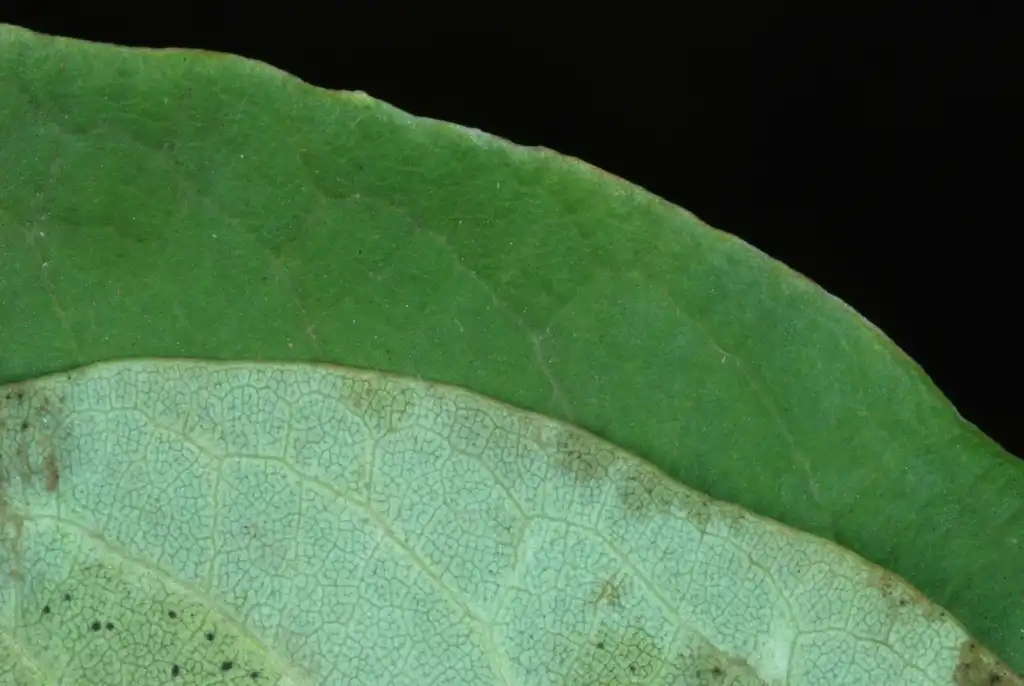
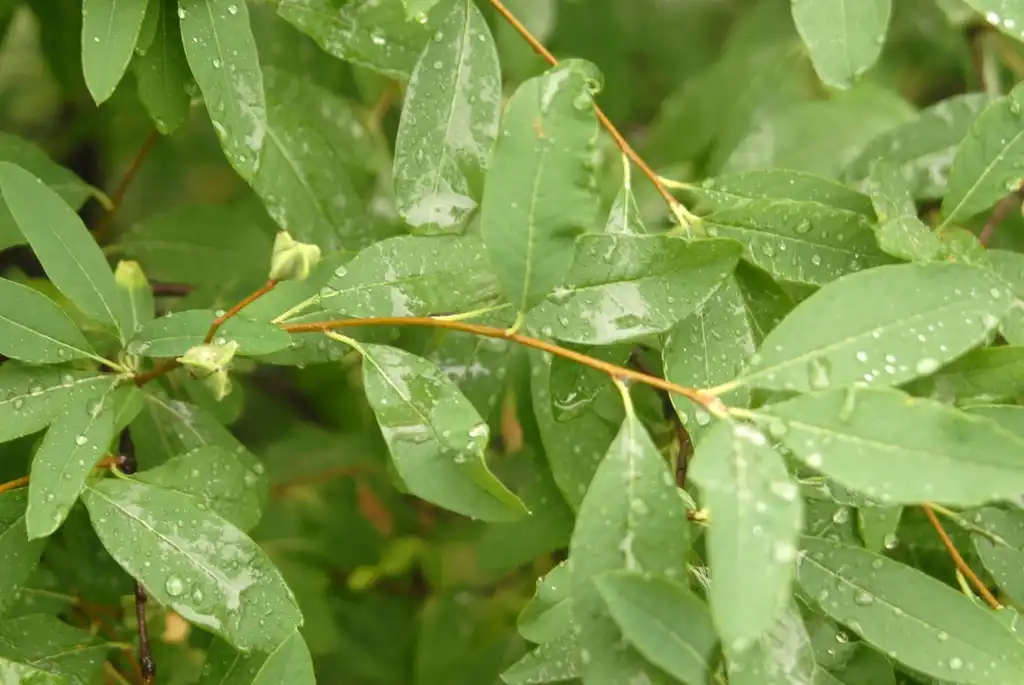
This deciduous shrub can grow up to 10 feet tall and has a loose, fountain-like shape. It blooms for 1-2 weeks in spring, showcasing large, pearl-like buds that enhance its floral display. The buds and flowers are generally larger than those of Deutzia, and the leaves of E. racemosa are entire and mucronate below the midsection, in contrast to the pointed and serrated leaves of Deutzia. Dwarf varieties are available and can be used as bedding plants, while the standard forms serve well as shrub borders. Pearlbush tolerates alkaline soil and partial shade but prefers acidic, organically rich loams with good drainage. It is challenging to transplant due to its taproot and requires pruning to maintain its shape, but it is relatively free from pests and diseases.
**Diseases, Insects, and Other Plant Issues:**
There have been no significant reports of insect or disease problems affecting this plant.
Exochorda racemosa Feature Summary
Exochorda racemosa Image Gallery