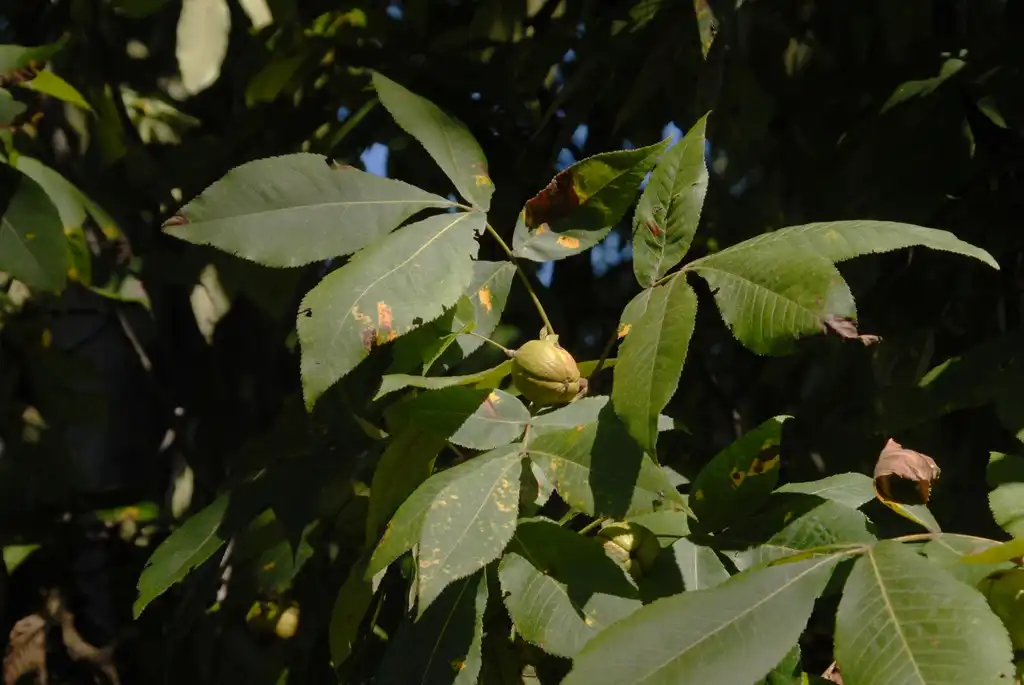
Carya ovata: Uses (Ethnobotany)
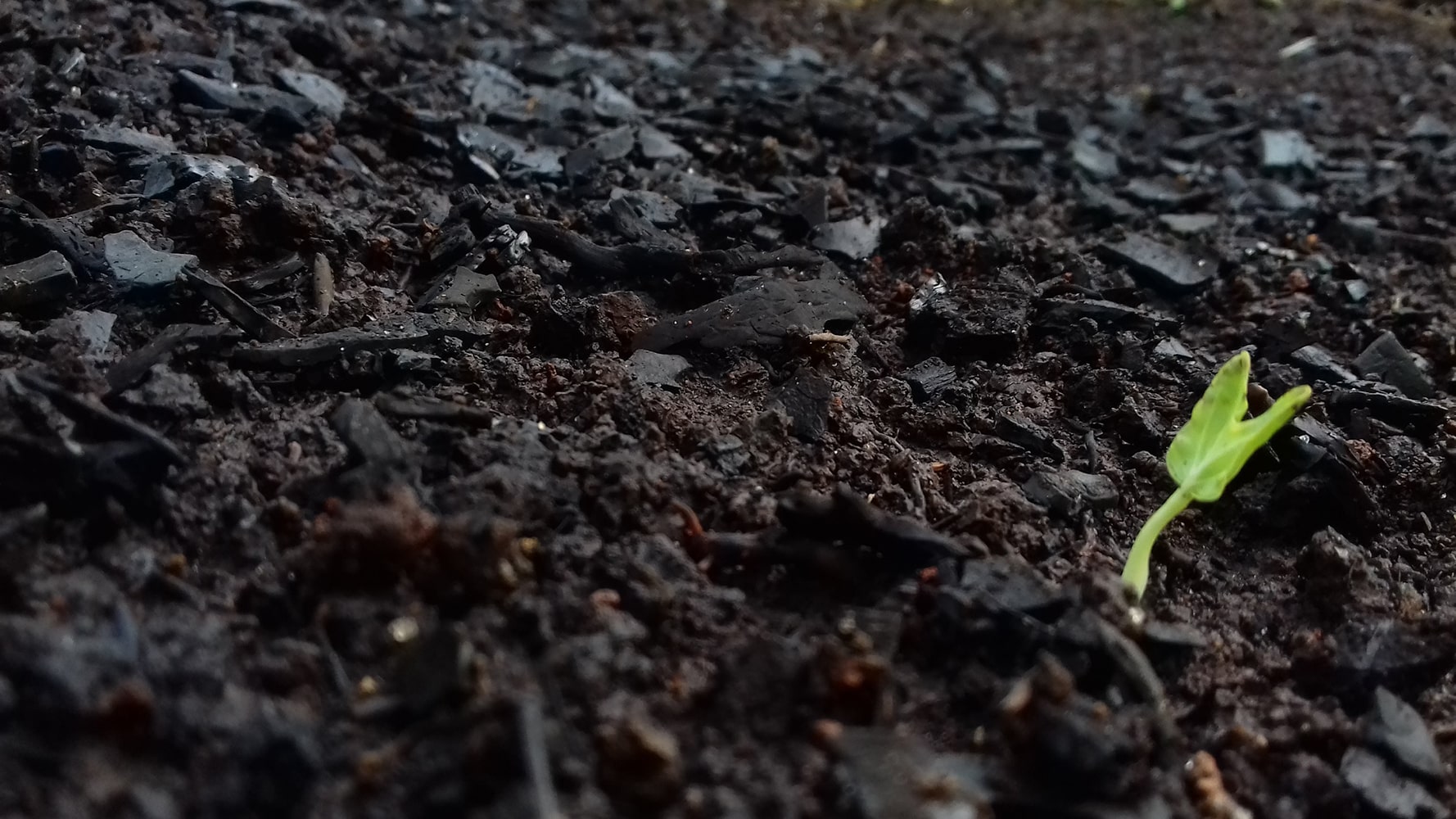
Used as fuelwood, charcoal, furniture, flooring, tool handles, ladder rungs, dowels, athletic good and gymnasium equipment. Wood is used to cure meats.
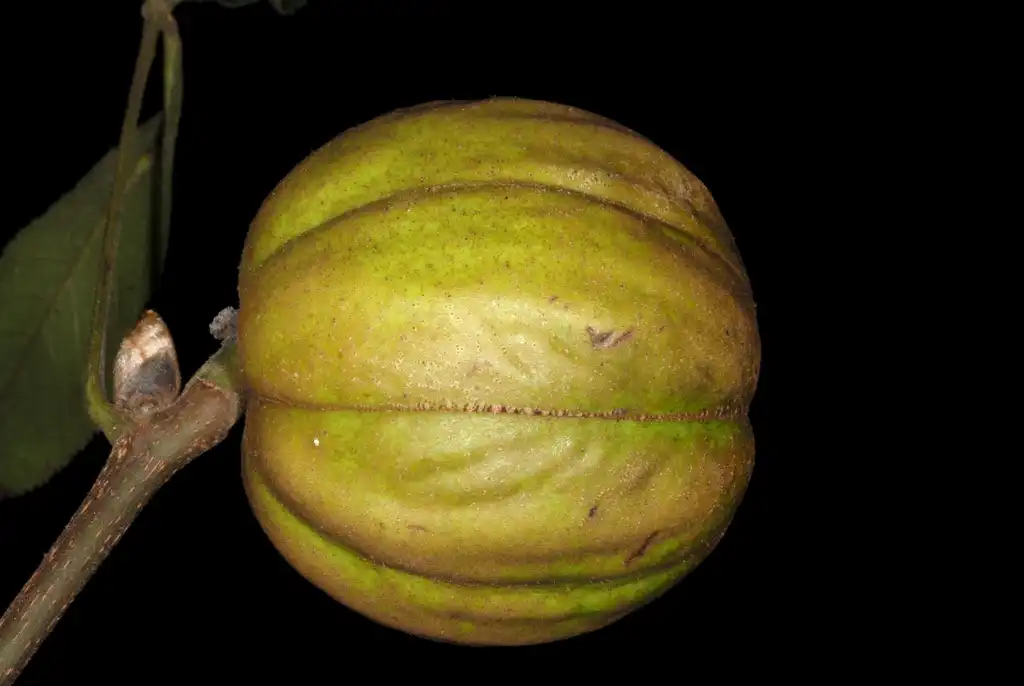
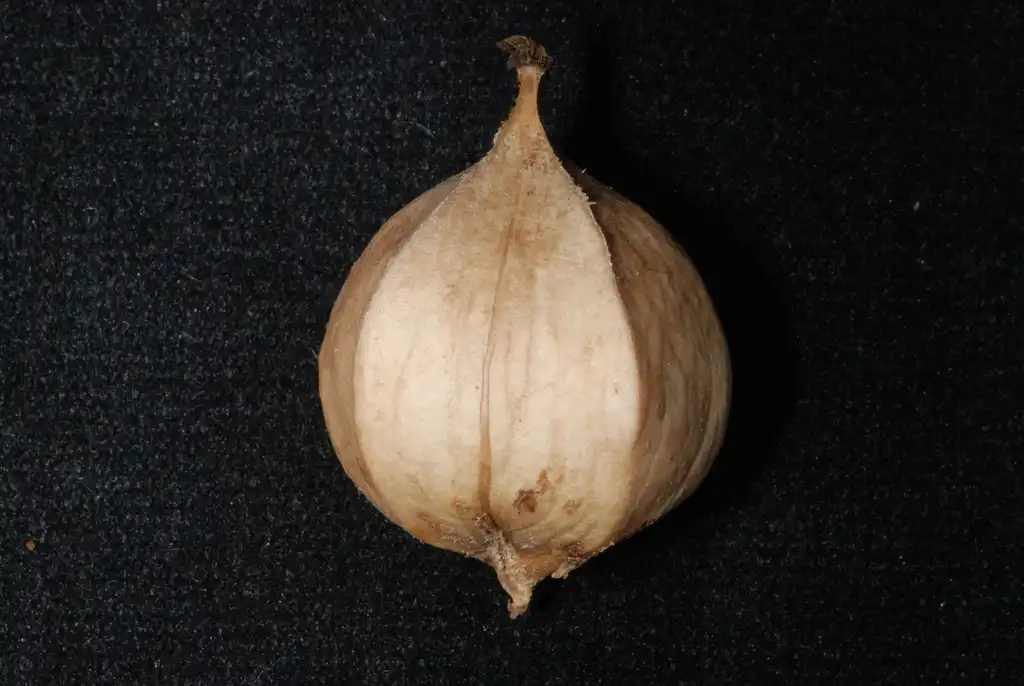
Phonetic Spelling:KAIR-yuh oh-VAY-tuh
Genus:Carya
Species:ovata
Family:Juglandaceae
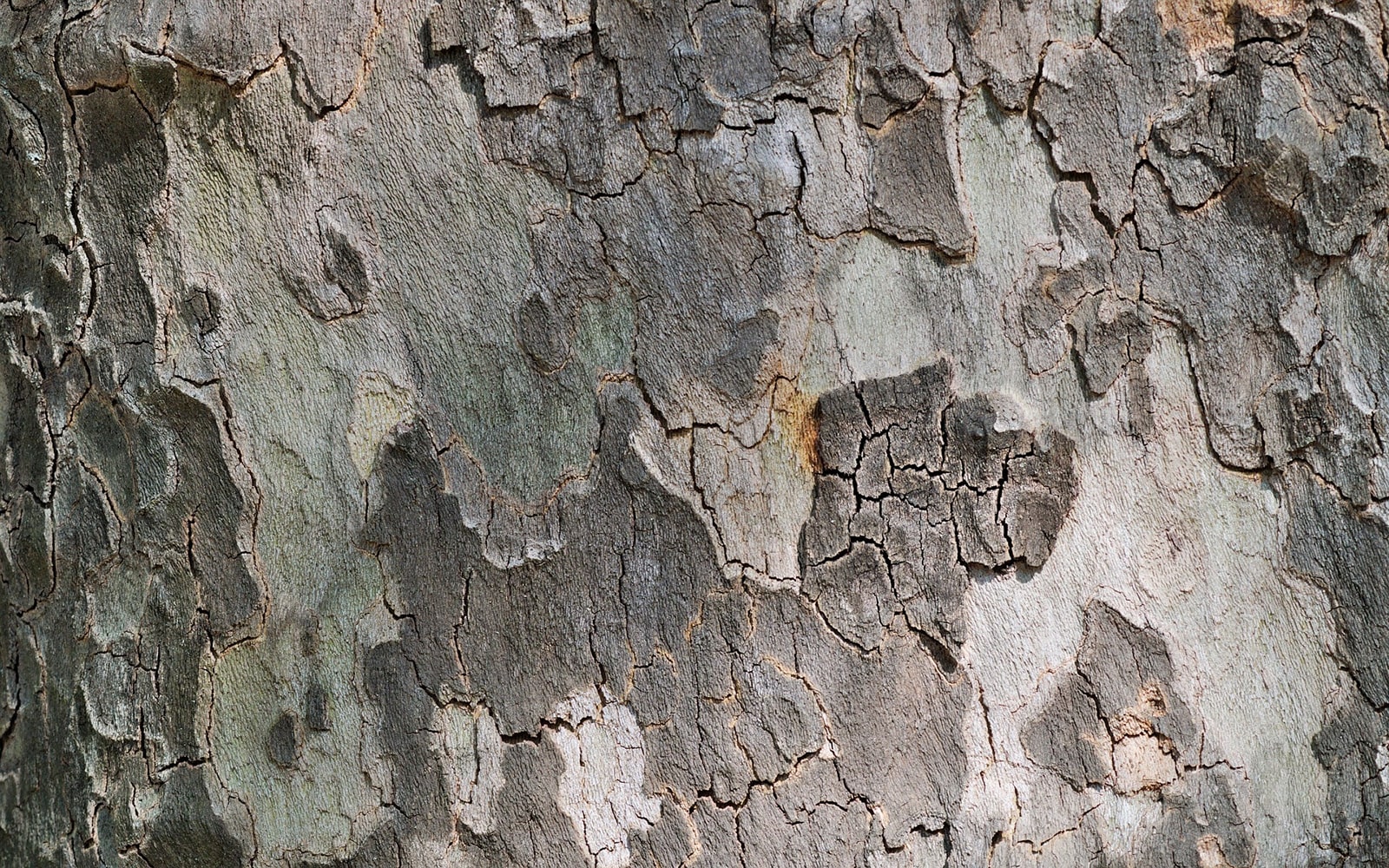
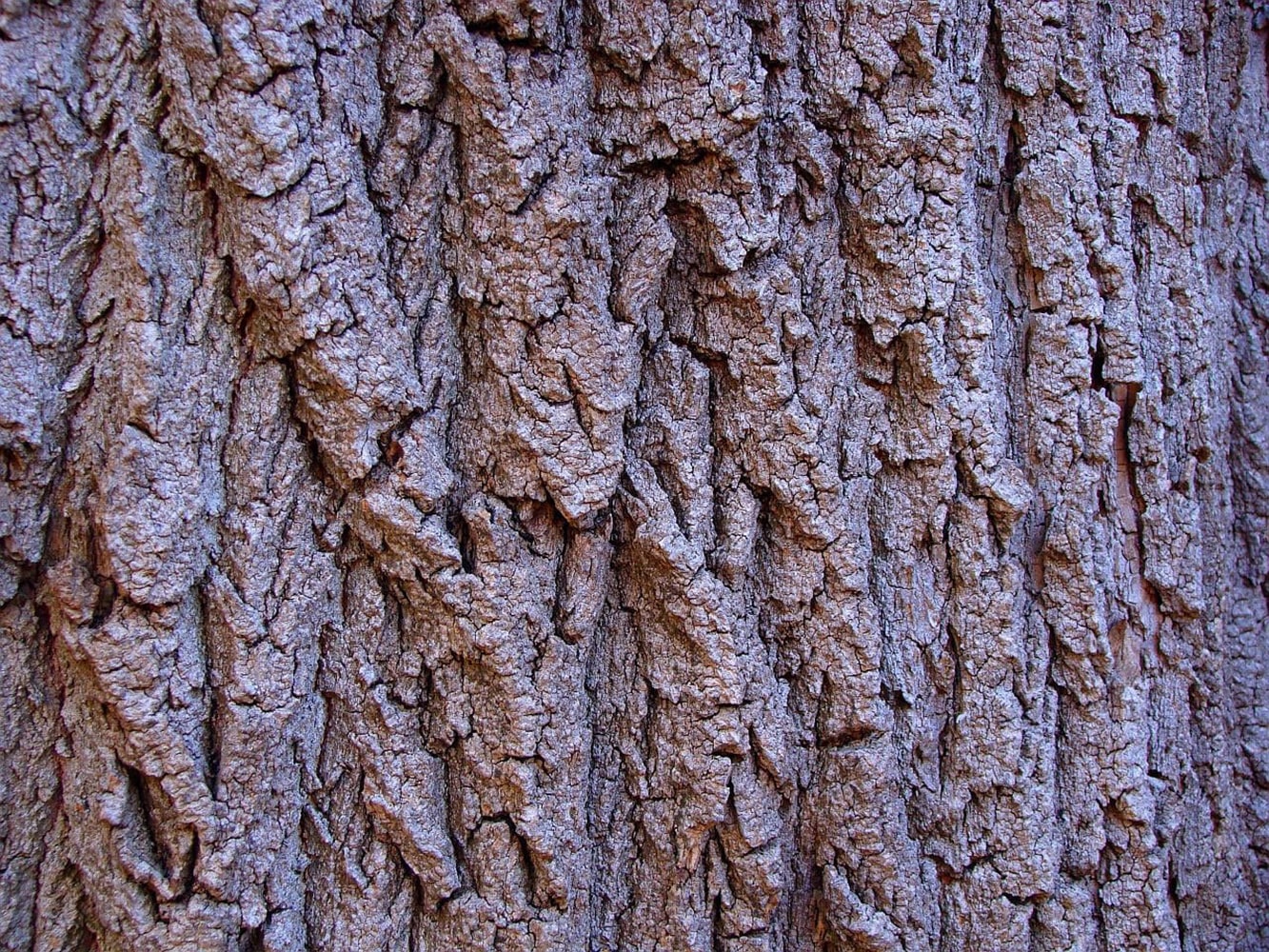
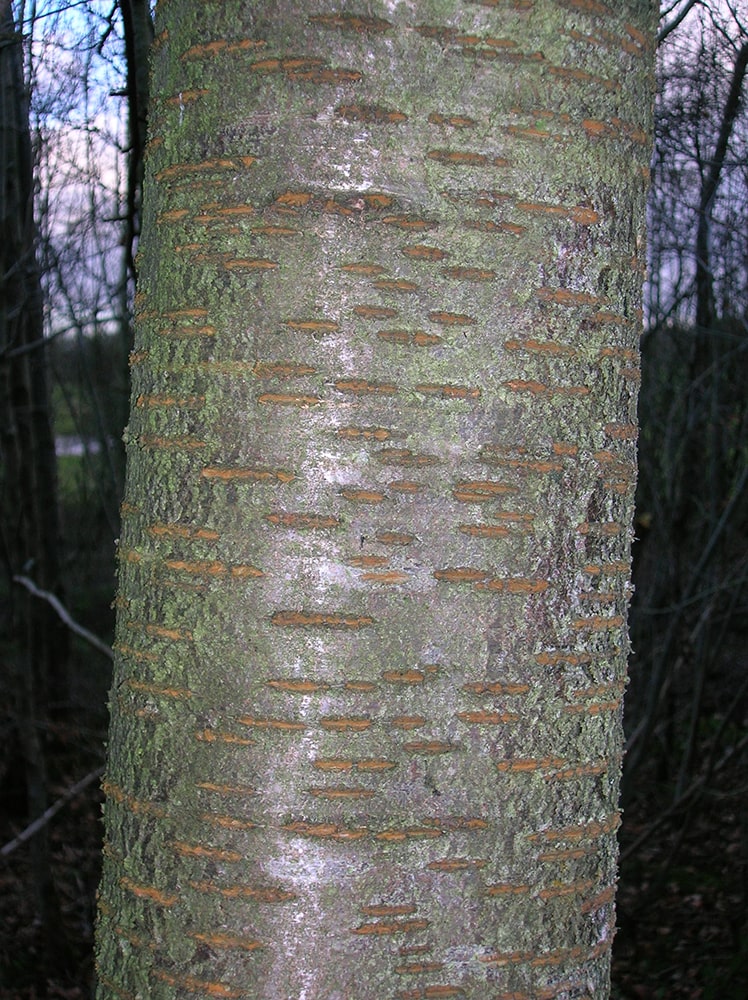
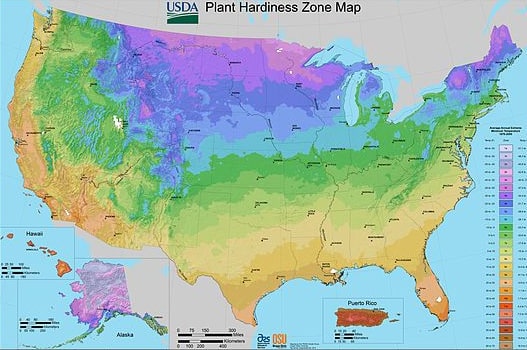
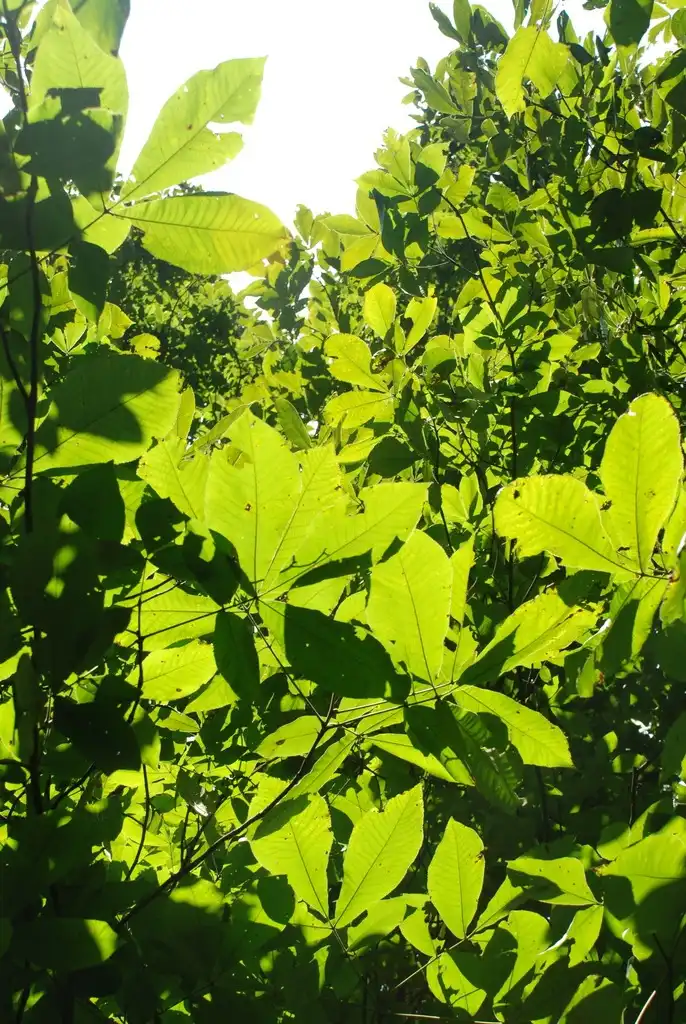
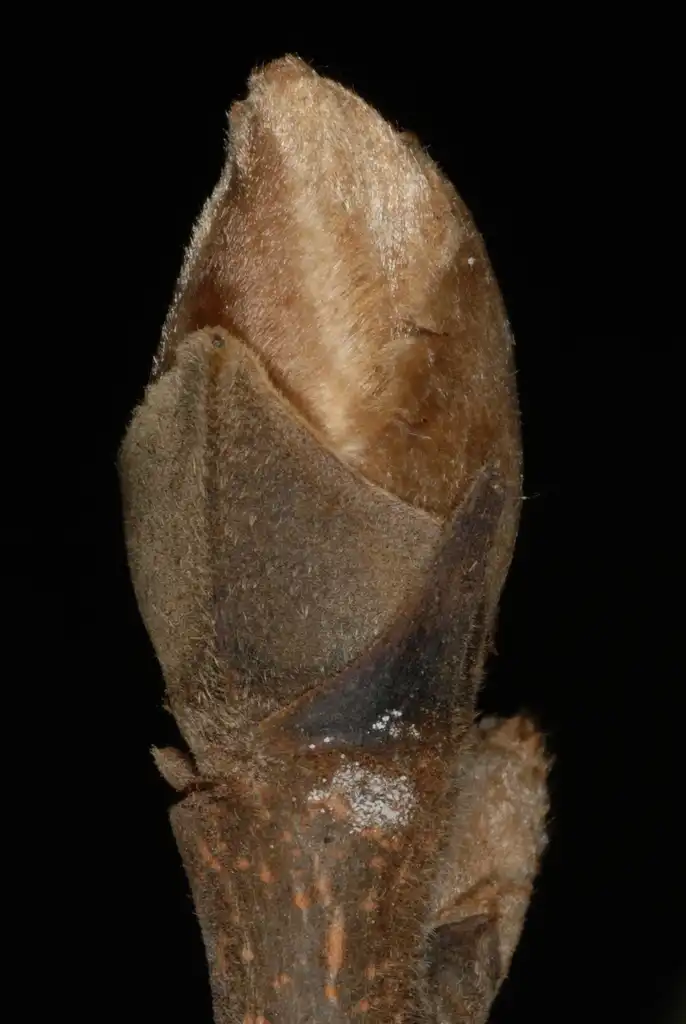
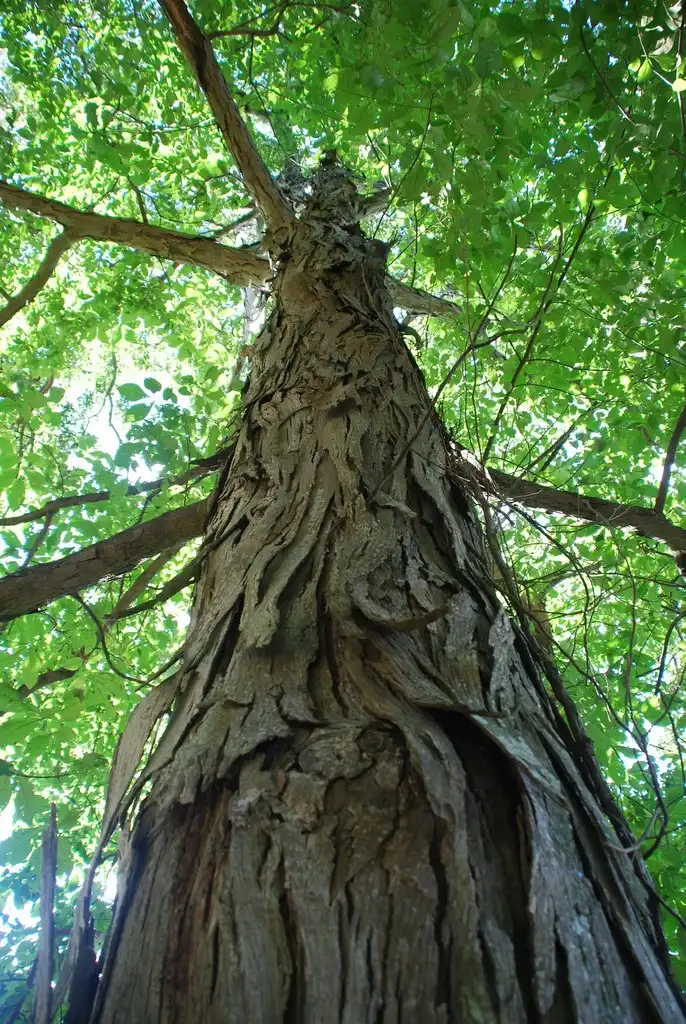
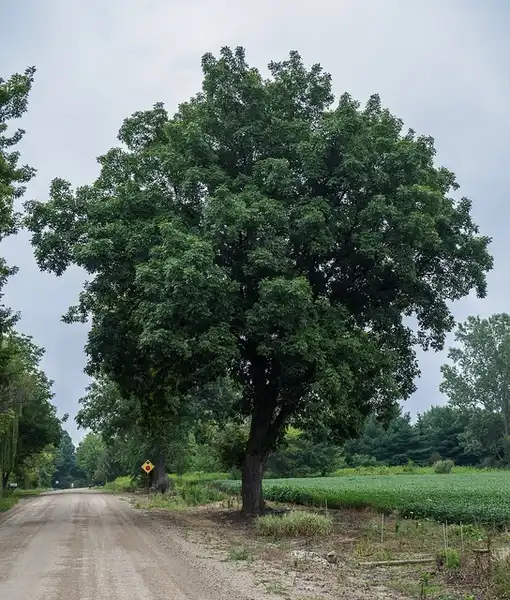
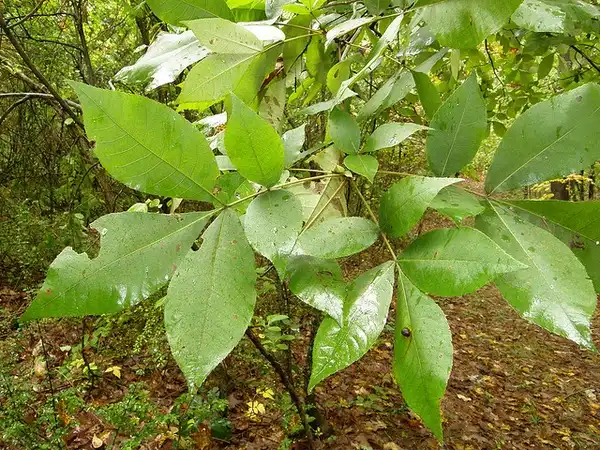
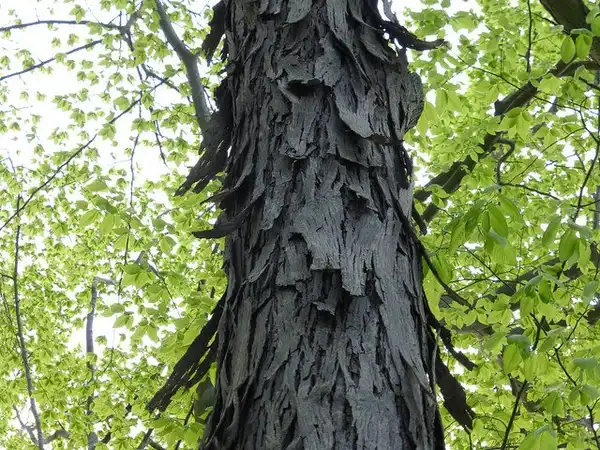
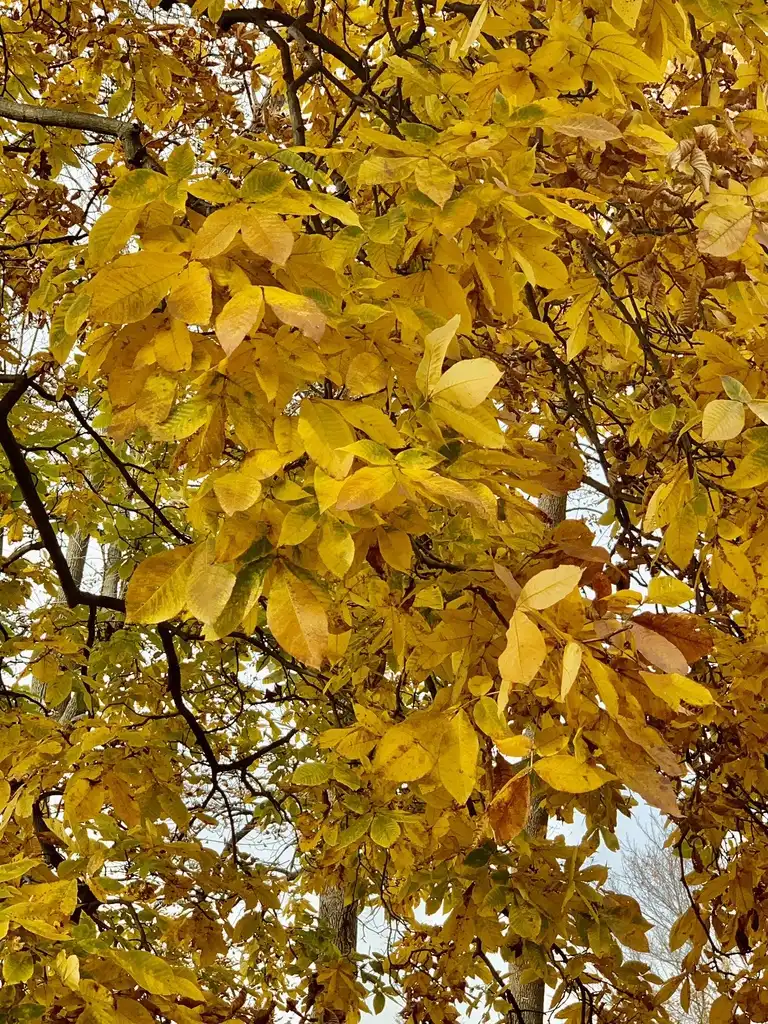
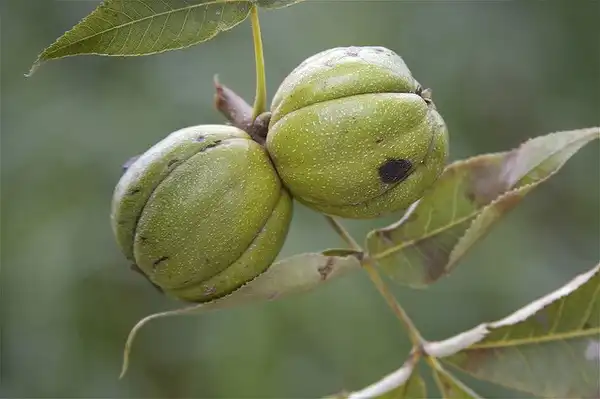
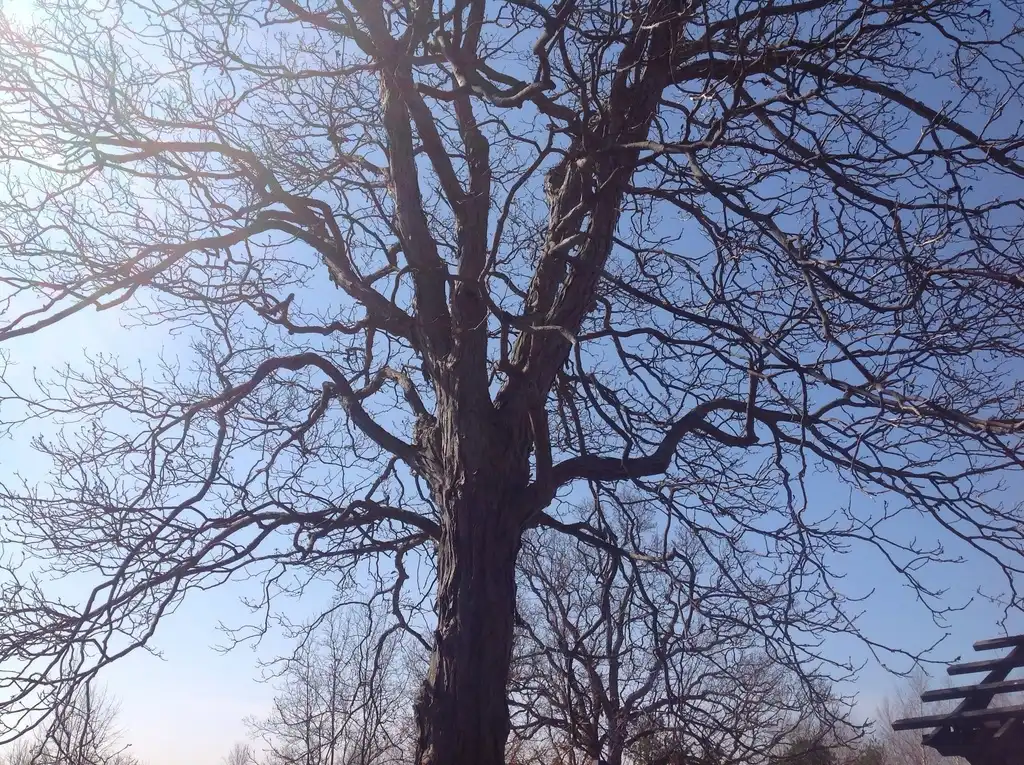
The Shagbark Hickory is a sizable deciduous tree indigenous to the eastern and central regions of the United States, as well as parts of Canada. In North Carolina, it primarily thrives in the Piedmont region, though it can also be found sporadically in mountainous and coastal areas. This tree can reach heights of 70 to 90 feet, with a canopy spread of 50 to 70 feet. The bark of mature specimens has a distinctive shaggy texture, adding visual interest to winter landscapes. The trunk can grow to a diameter of 2 to 3 feet. Its nuts are not only a food source for wildlife but are also commercially harvested for human consumption. Additionally, the wood is versatile, with applications that include meat curing. Although it may take up to 40 years for the tree to bear nuts, it has an impressive lifespan of 200 to 300 years.
The Shagbark Hickory is adaptable to various soil types, including sandy and clay loams, but it thrives best in fertile, well-drained soils. It can grow in full sunlight or partial shade and demonstrates drought resistance once established. However, its deep taproot makes transplanting challenging. Large specimens can generate significant leaf and fruit litter, so careful consideration of planting location is essential.
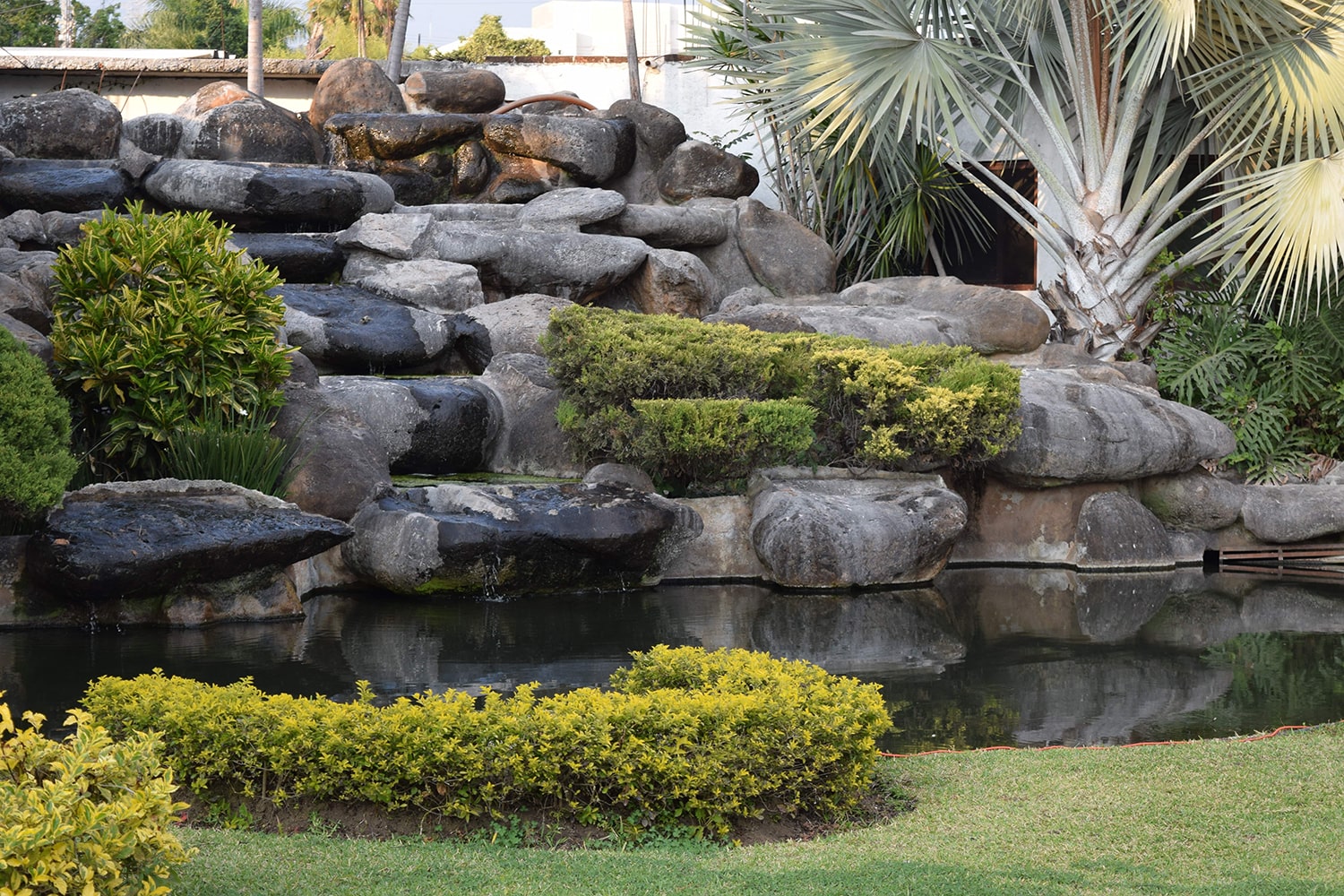
This tree serves well as a shade provider in spacious yards, parks, or naturalized settings.
In terms of pests and diseases, the Shagbark Hickory generally faces no major issues. Occasionally, it may be affected by pests such as the hickory bark beetle, pecan weevil, and twig girdler.