Celosia argentea: Country Or Region Of Origin
Tropical Africa
Phonetic Spelling:seh-LO-see-ah ar-jen-TEE-ah
Genus:Celosia
Species:argentea
Family:Amaranthaceae
Cockscomb is a yearly herb that typically reaches a height of around 3 feet. This low-maintenance plant serves as a fantastic cut flower. It thrives in full sunlight and prefers rich, moist, well-drained soil, although it can also adapt to poorer, drier conditions. While the stems grow quickly, they often lack structural strength, which can lead to bending or breakage, especially in taller cultivars where the inflorescence can become heavy due to its ability to absorb water. Supporting the plants with stakes can mitigate this issue. Consistent watering in the root zone is essential, as insufficient moisture can cause the leaves to wilt. In recent decades, a trend in the horticultural industry has emerged, focusing on selecting shorter varieties and developing dwarf cultivars to address these challenges.
The color of the inflorescence does not derive from the corolla, allowing for the inflorescences to be cut and dried while retaining their vibrant hues, making them ideal for dried flower arrangements or floral displays.
This plant is capable of withstanding dry, porous soils and is well-suited for use in border fronts, edging, or cut flower gardens.
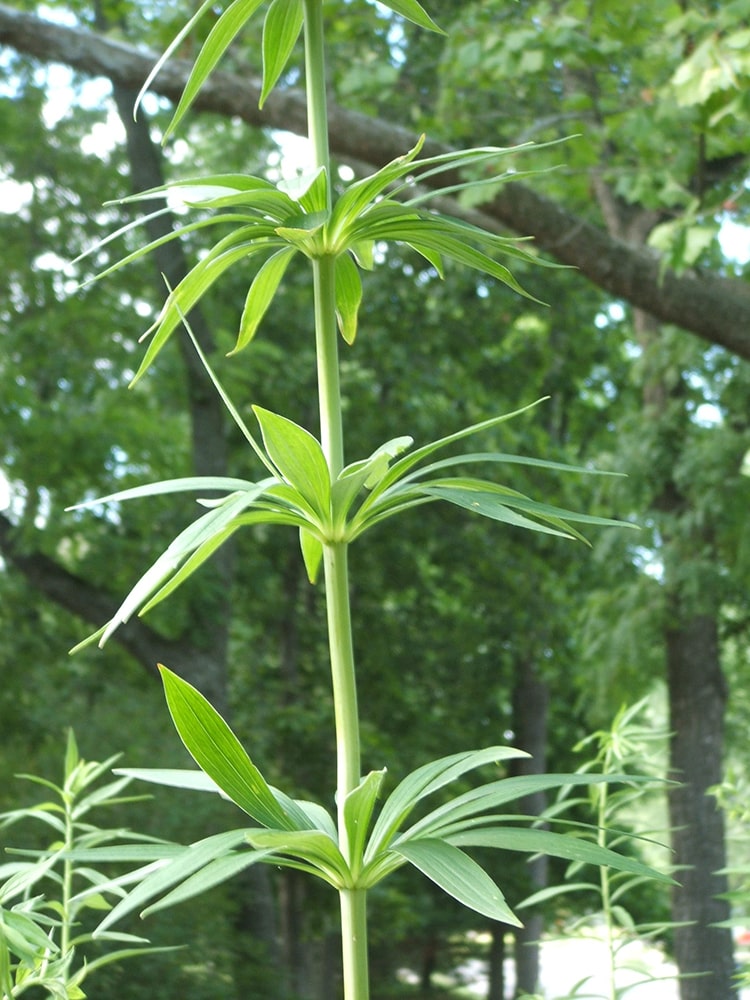
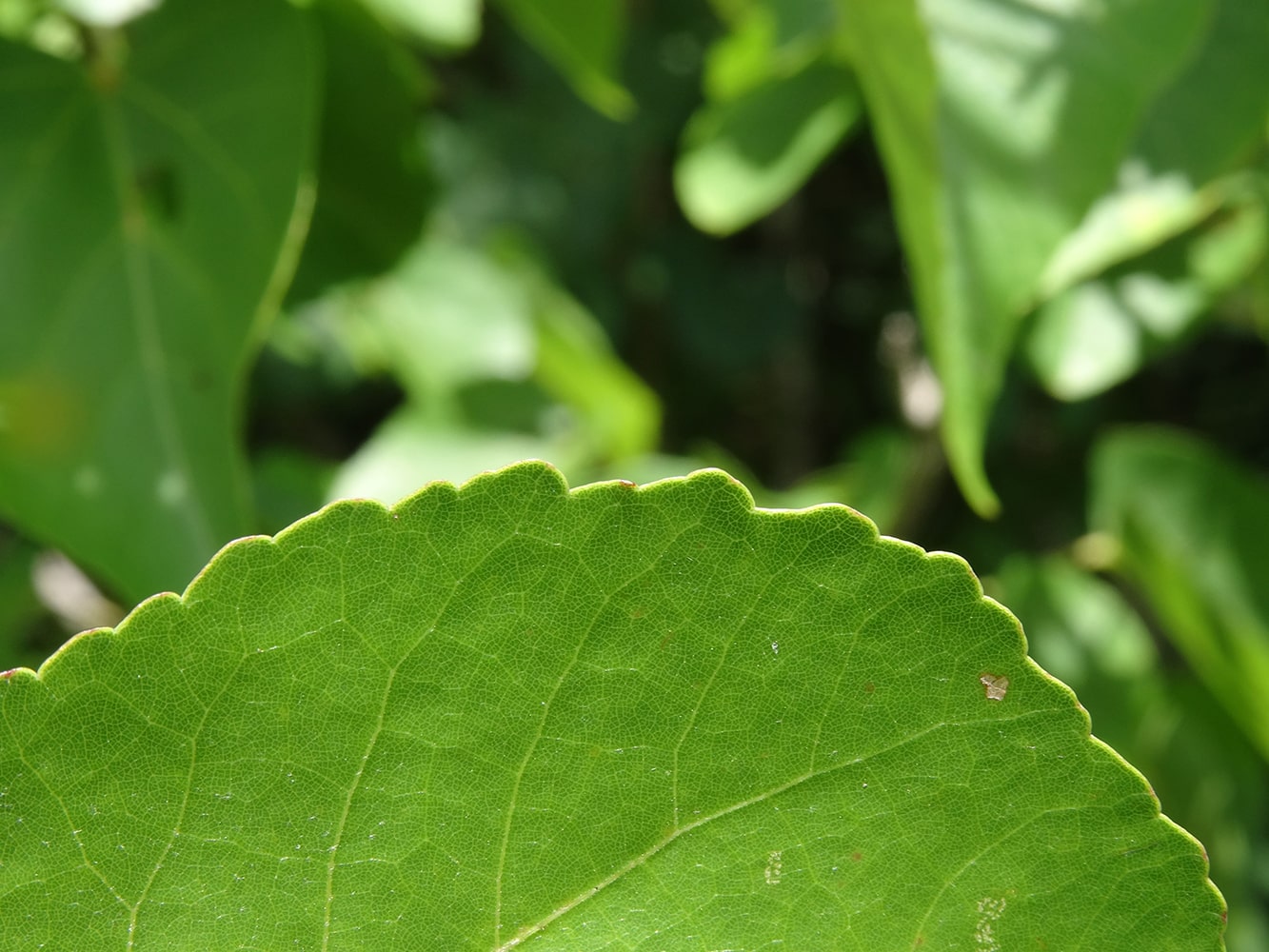
**Quick Identification Tips:**
**Cultivar Groups of Inflorescence:**
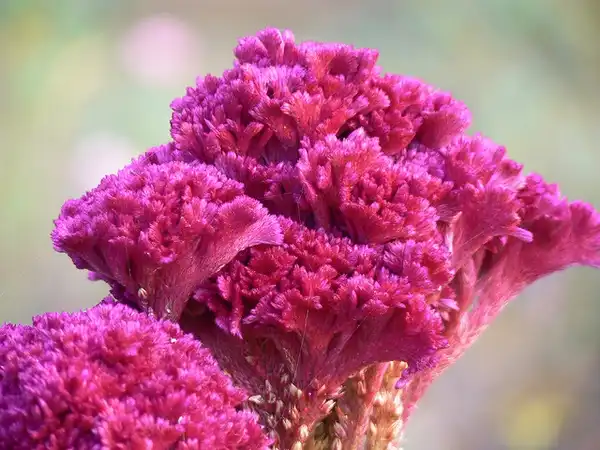
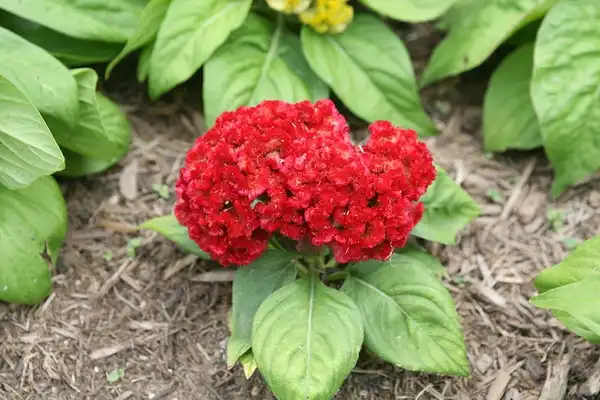
- **Childsii Group:** Features terminal inflorescences that are globose and densely packed, resembling brain coral.
- **Cristata Group:** Characterized by terminal inflorescences with several upright, flattened, broad cristate cockscombs.
- **Nana Group:** This name is not retained due to the existence of various dwarf cultivars in other groups.
- **Plumosa Group:** Displays terminal inflorescences that are erect and tapering, with feathery characteristics; the central axis has elongated lateral branches that ascend, with shorter branches towards the top.
- **Spicata Group:** Known for its slender heads in metallic pink or yellow; the central axis features very short lateral branches, resembling raised fingers.
**Insects, Diseases, and Other Plant Issues:** There are no significant pest or disease concerns associated with this plant. However, excessive rain and high humidity can lead to flower rot, and deer often cause damage to the plants.
Celosia argentea Feature Summary
Celosia argentea Image Gallery