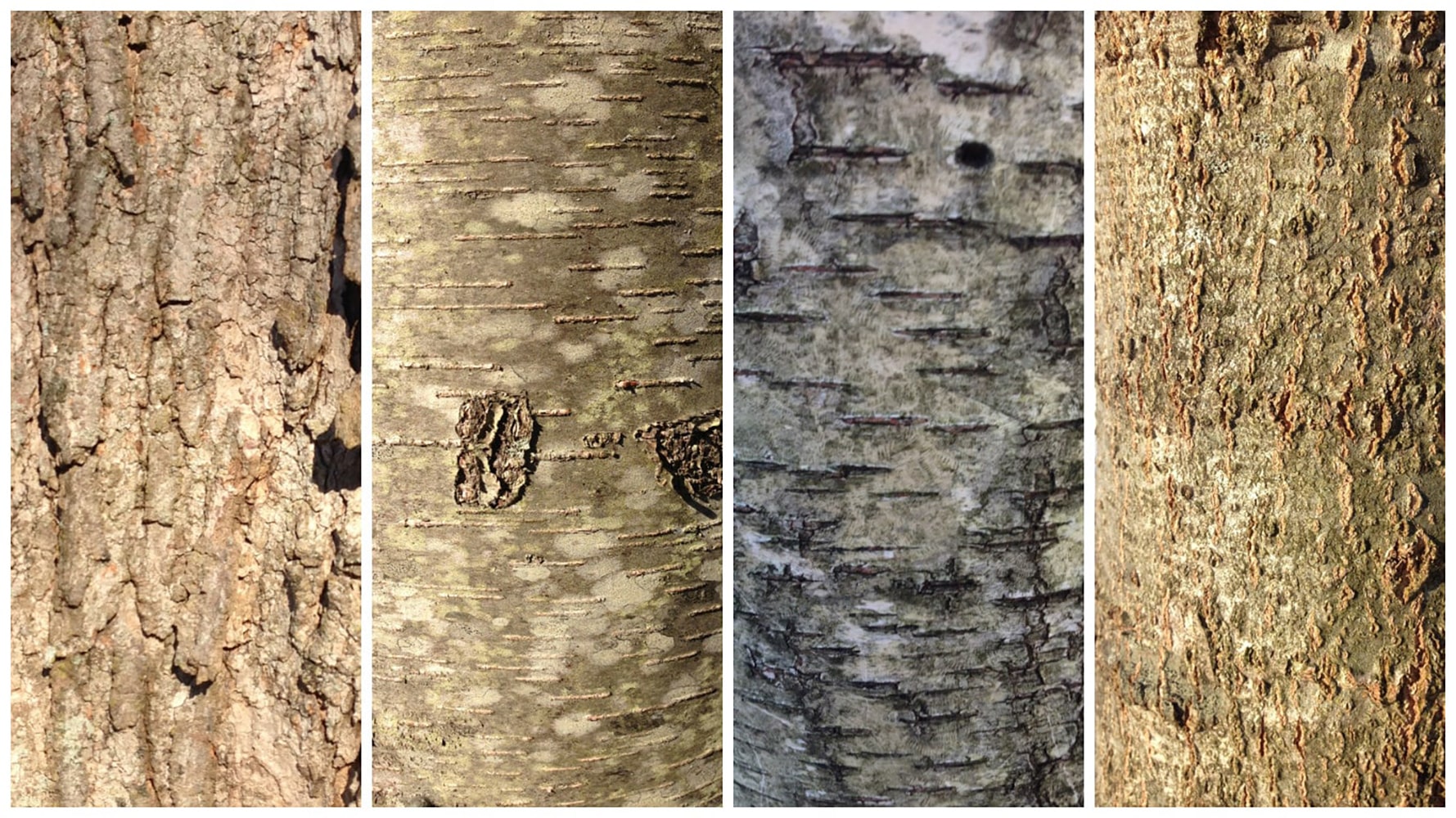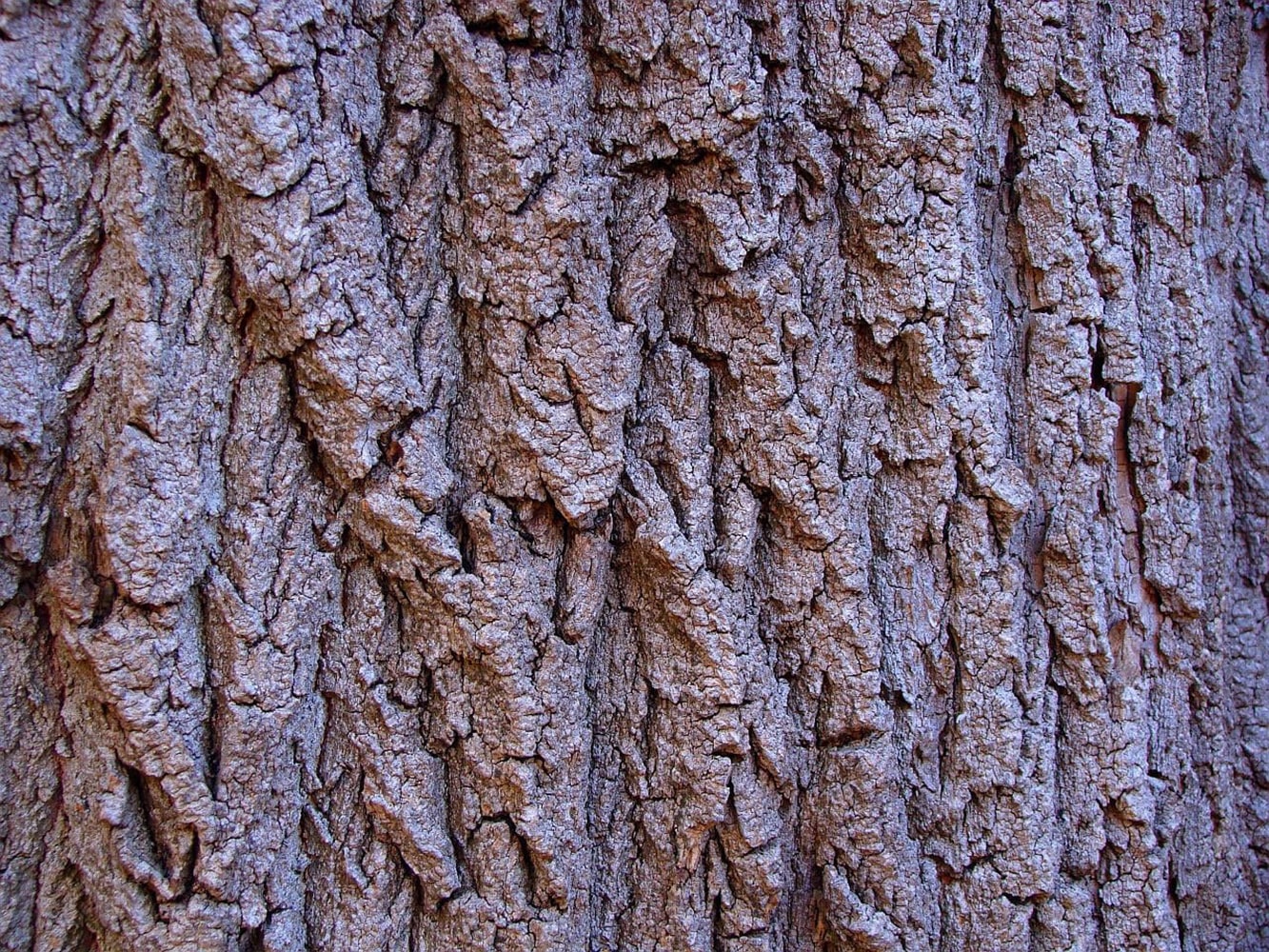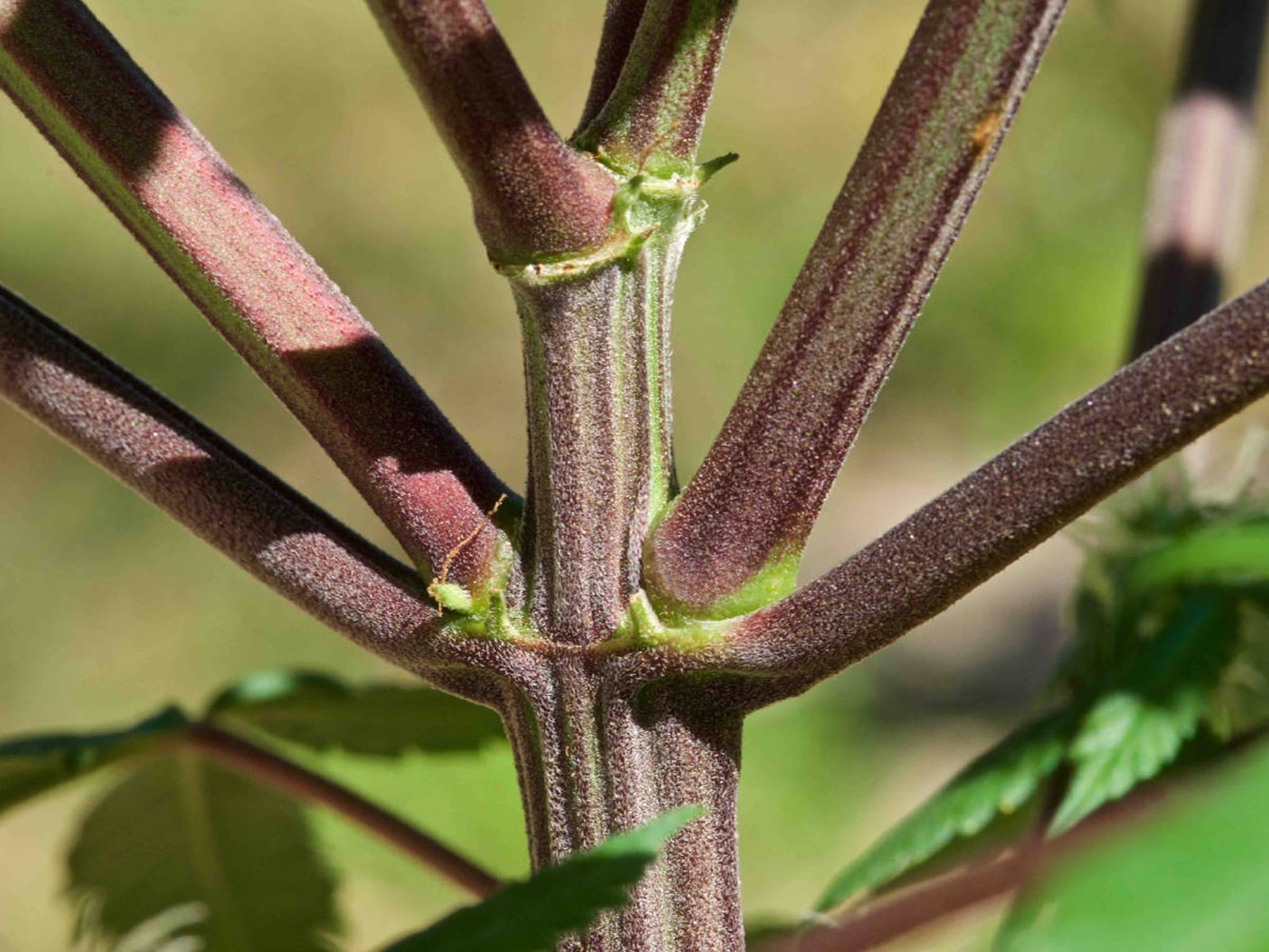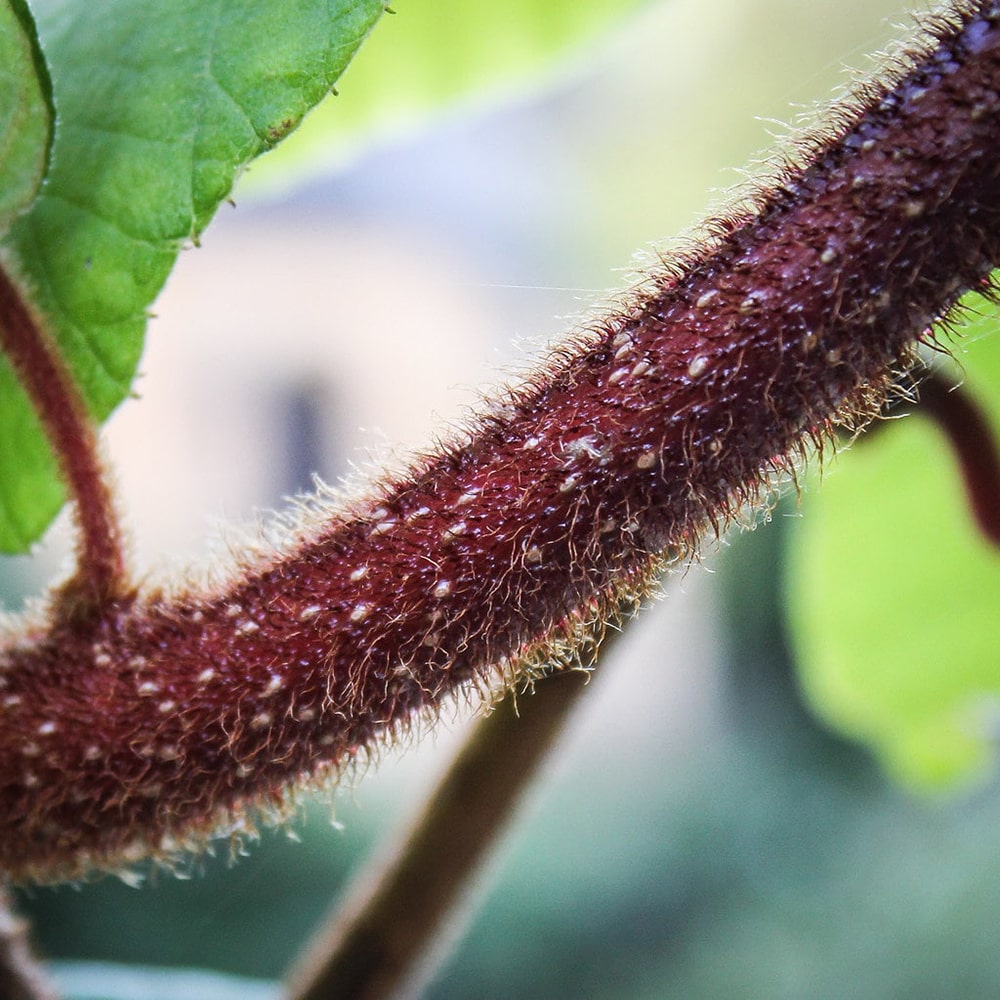
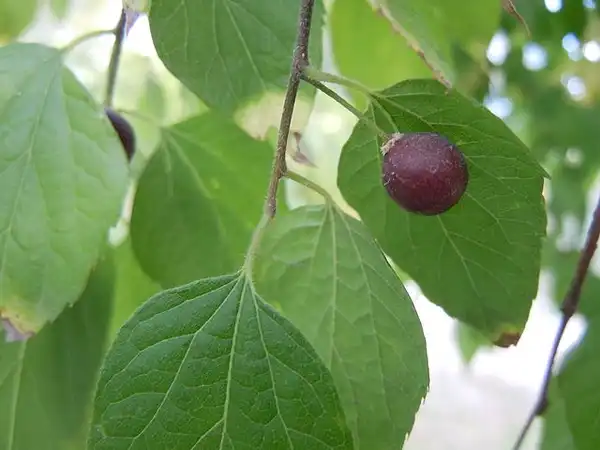
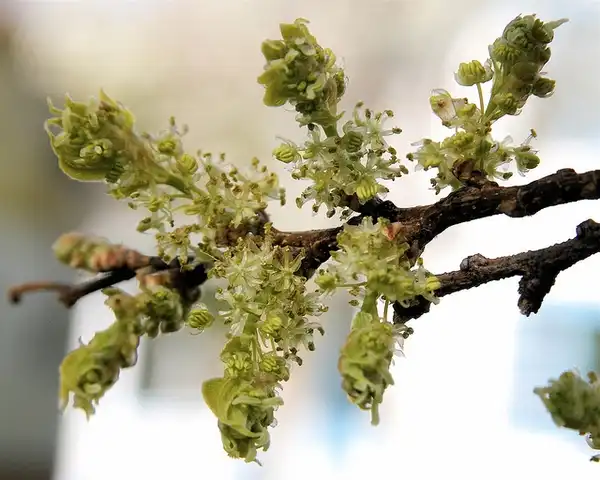
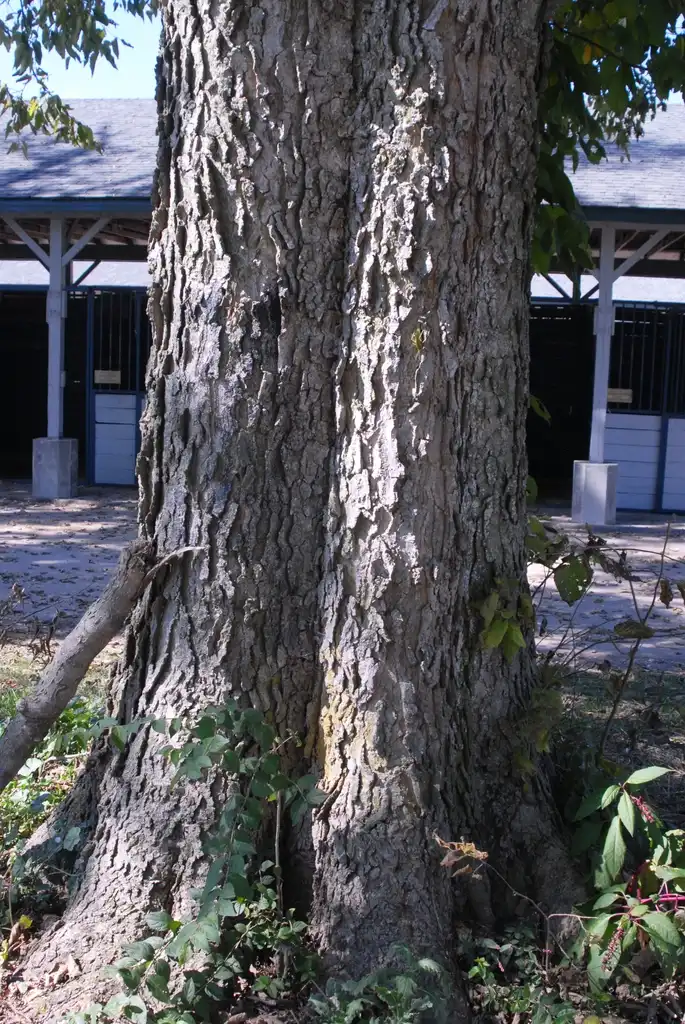
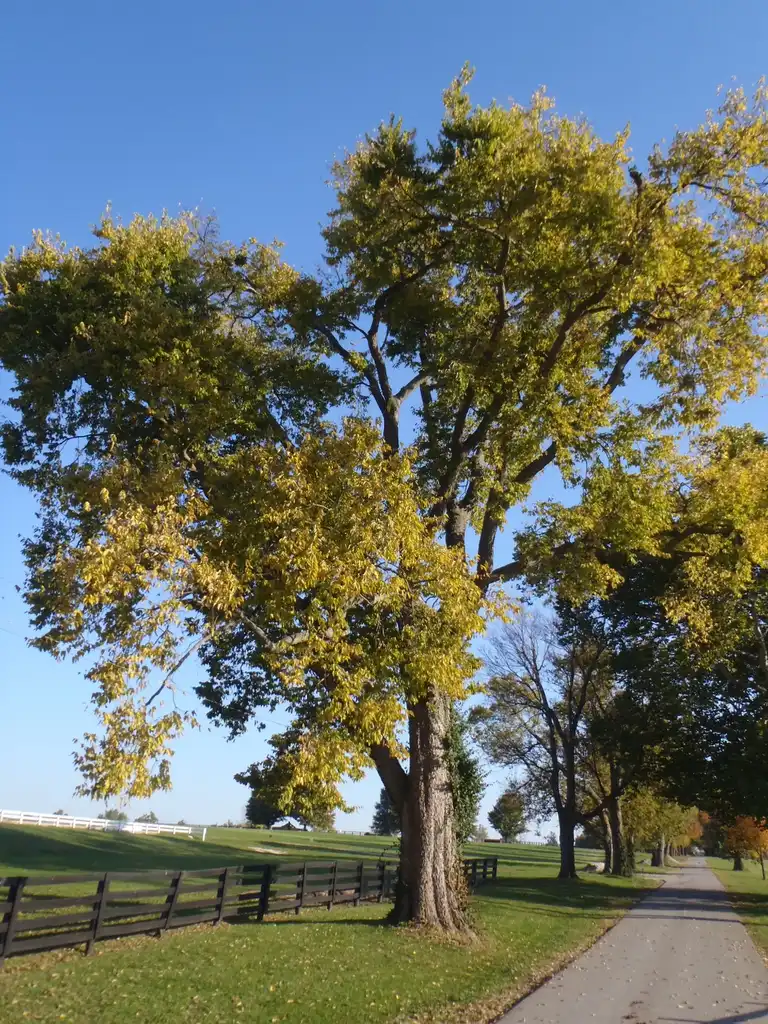
Celtis occidentalis: Uses (Ethnobotany)
This plant was used for food, fuel and medicinal purposes by Native Americans. Today, Hackberry wood is used for furniture, in baskets and crates, and in some athletic equipment.
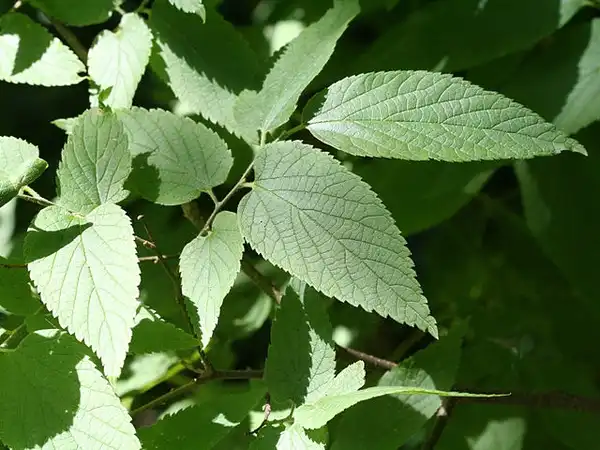
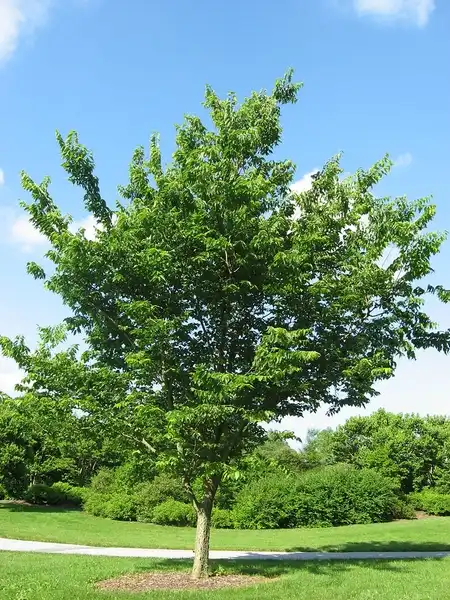
Phonetic Spelling:SEL-tis ock-sih-den-TAH-liss
Genus:Celtus
Species:occidentalis
Family:Ulmaceae
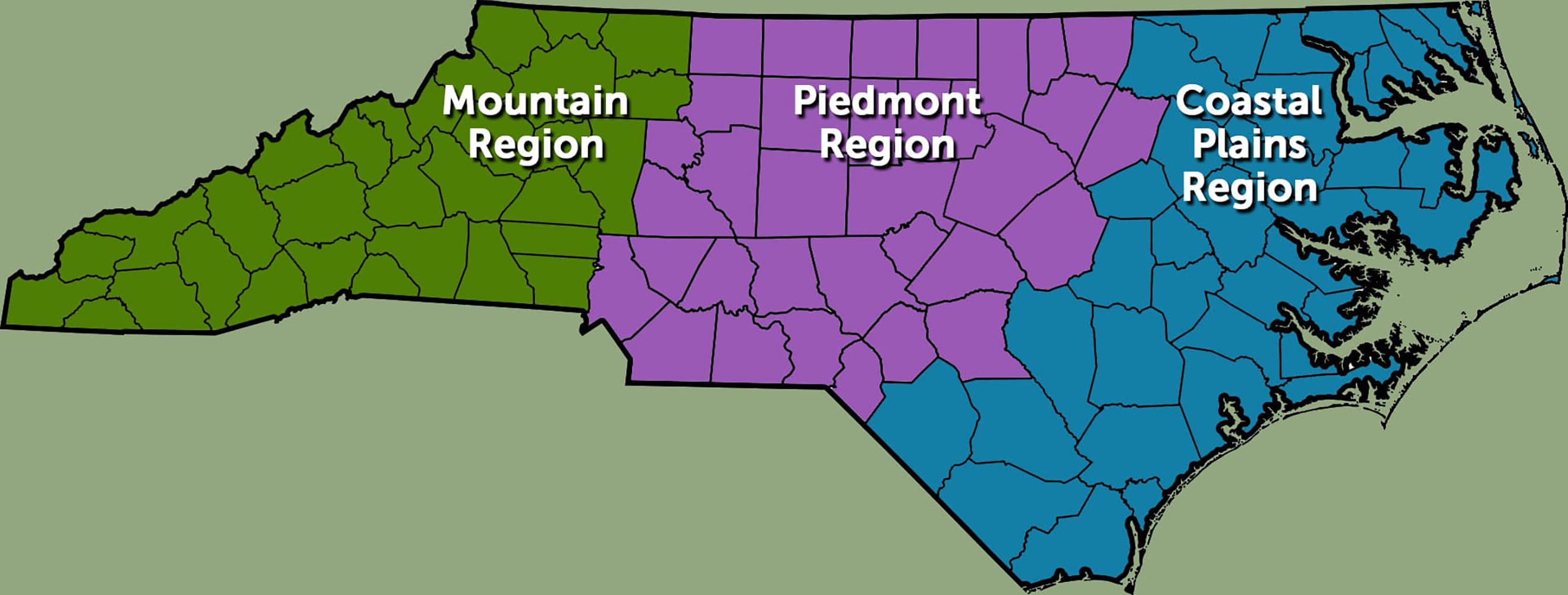
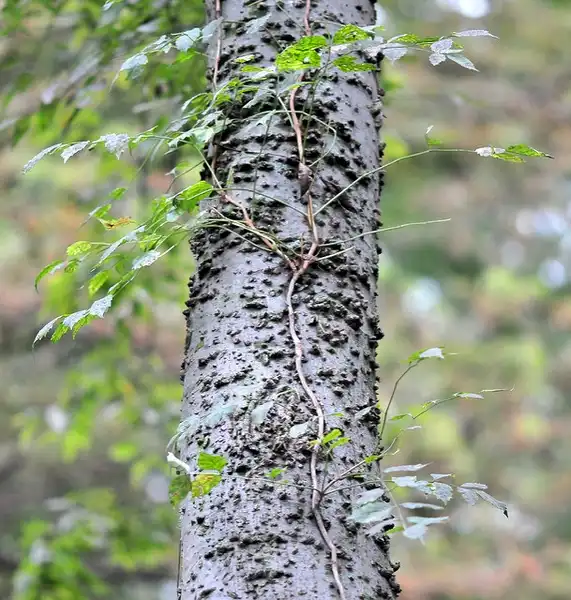
Celtis occidentalis, commonly known as Hackberry, is a deciduous tree indigenous to North Carolina. Typically, it grows between 30 to 40 feet tall and 1 to 2 feet in diameter, but under optimal conditions, it can reach heights of up to 130 feet and diameters exceeding 4 feet. The tree features a straight central trunk and develops an ovoid crown that takes on a cylindrical shape as it matures. While it can be found sparsely across the state, it is absent from the higher mountainous regions. Its greatest abundance and size are found in the fertile alluvial soils of the lower state, although it is adaptable and can thrive in a wide range of soil types, from the poorest to the richest.
For optimal growth, Hackberry prefers moist, organically rich, well-drained soils and full sunlight, and it is relatively easy to transplant. It can tolerate partial shade, wind, and various urban pollutants, but it struggles in maritime conditions. The wood of the Hackberry is dense yet soft and weak, and it tends to decay rapidly when exposed to moisture. The branches may also exhibit a drooping tendency. These trees have a lifespan ranging from 150 to 200 years.
In terms of pests and diseases, Hackberry can be affected by witches’ broom, which causes dense, twisted clusters of twigs at the ends of branches; while this condition is largely cosmetic and does not harm the tree, it can be unsightly. Hackberry nipple gall, another benign issue, can distort the leaves without causing significant damage. Other potential problems include powdery mildew, leaf spot, and root rot. Additionally, it is advisable to monitor for lacebugs and scale insects. If planted near sidewalks or patios, the seeds can create cleanup challenges.
Celtis occidentalis Feature Summary
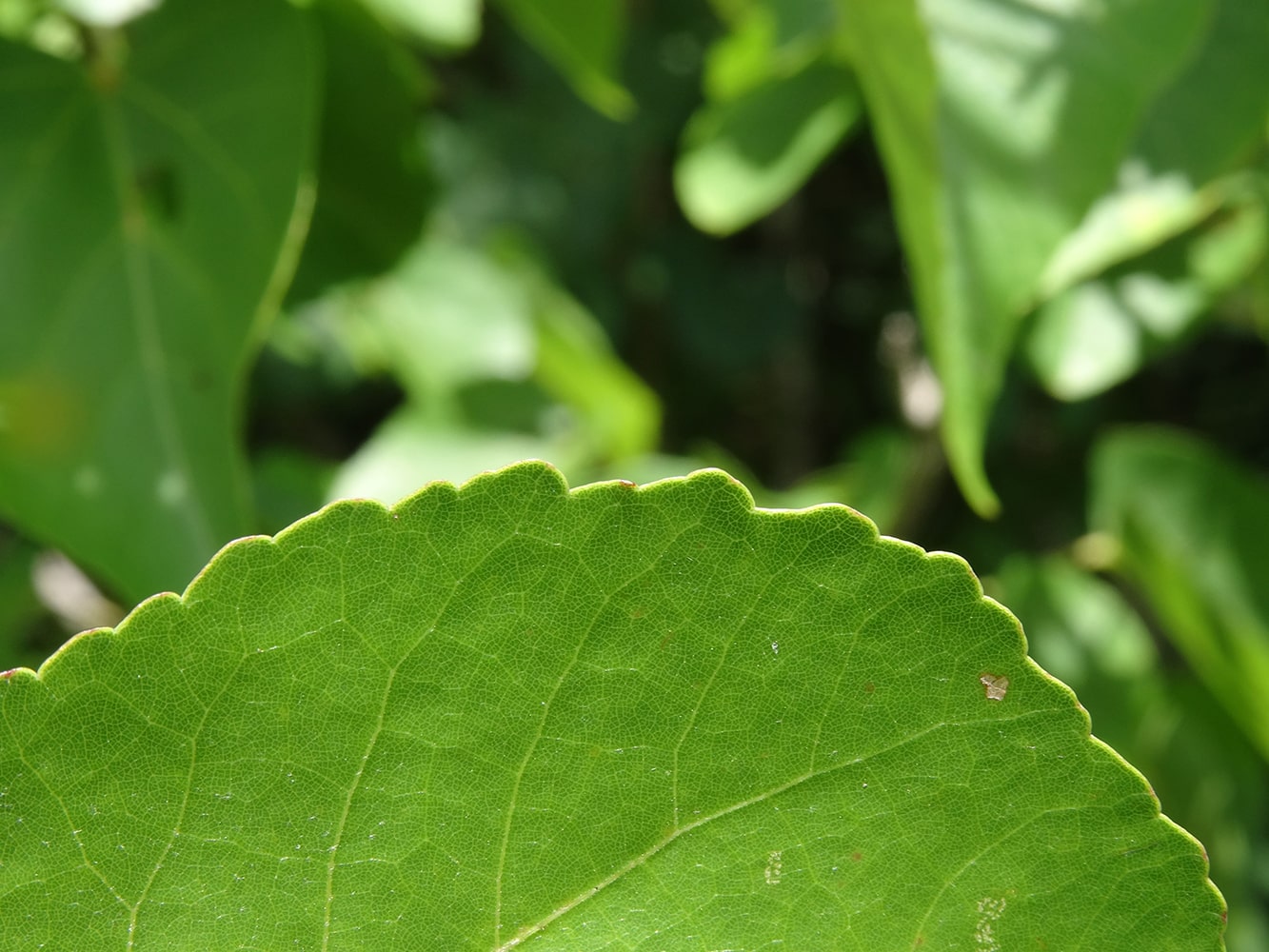
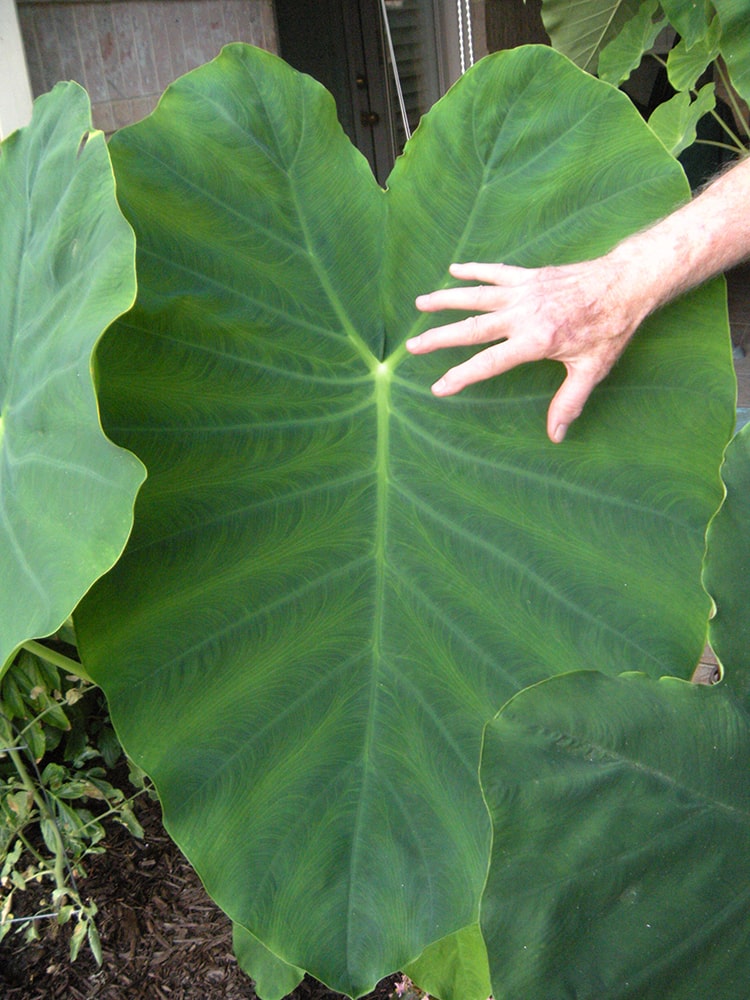
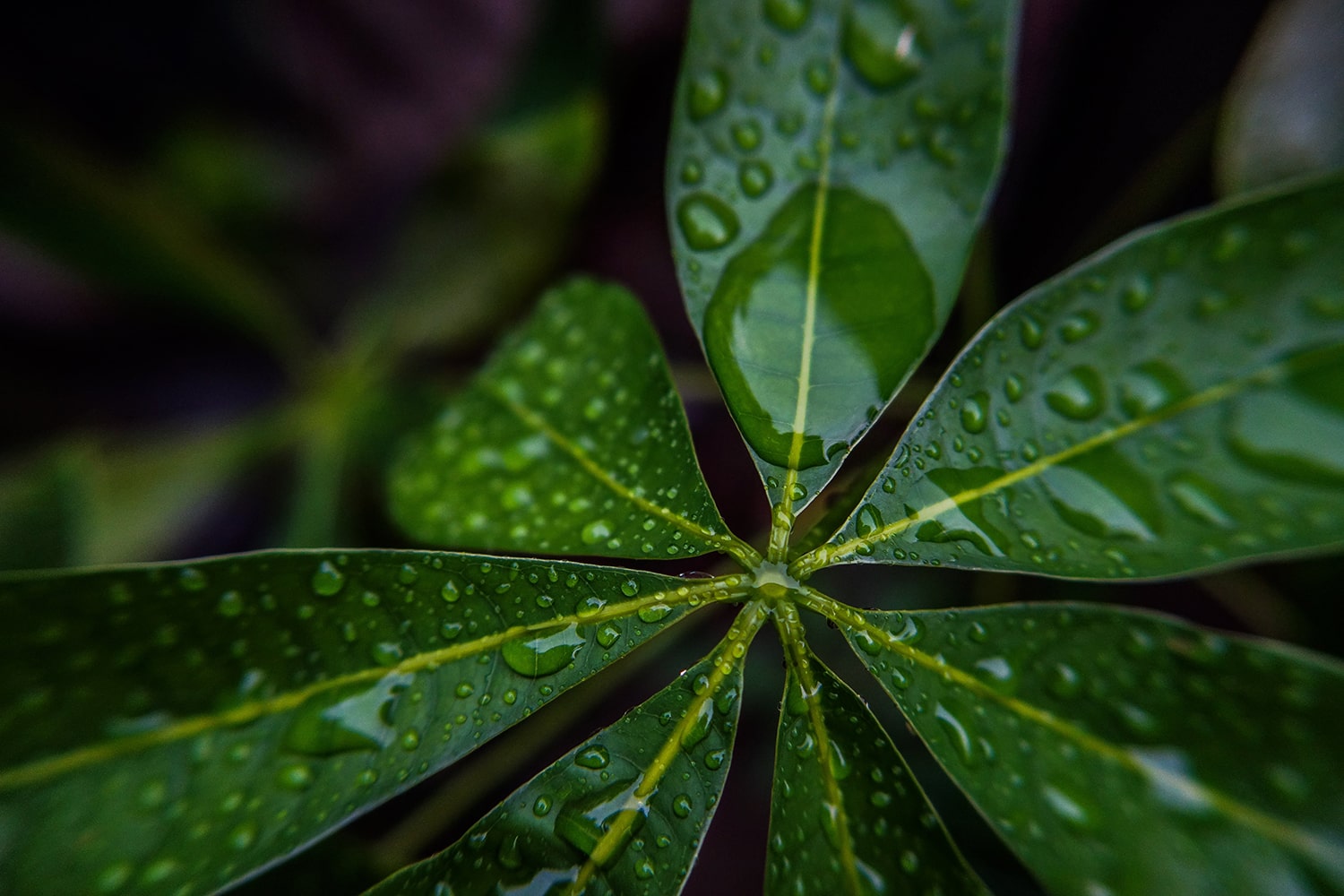
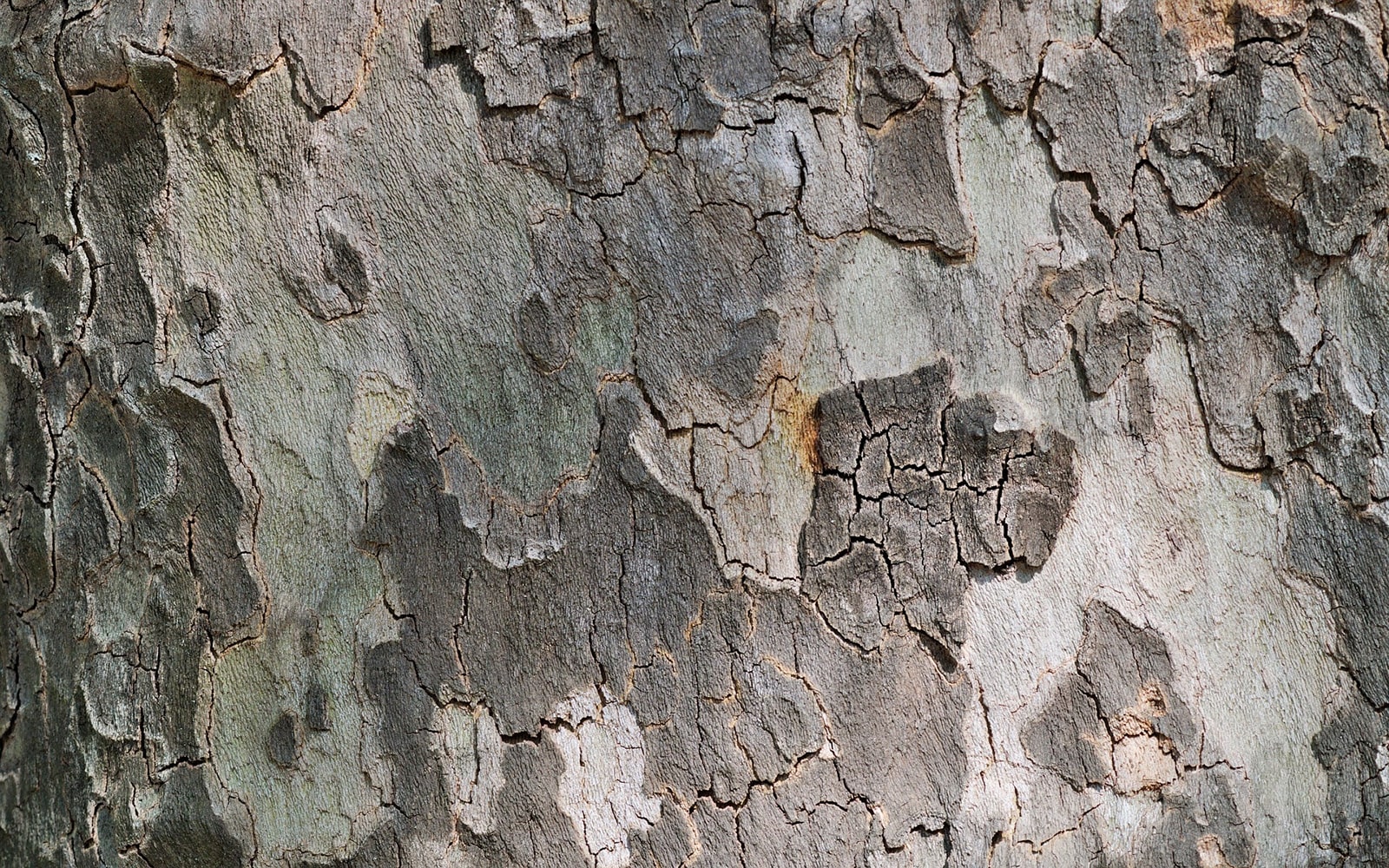
Celtis occidentalis Image Gallery