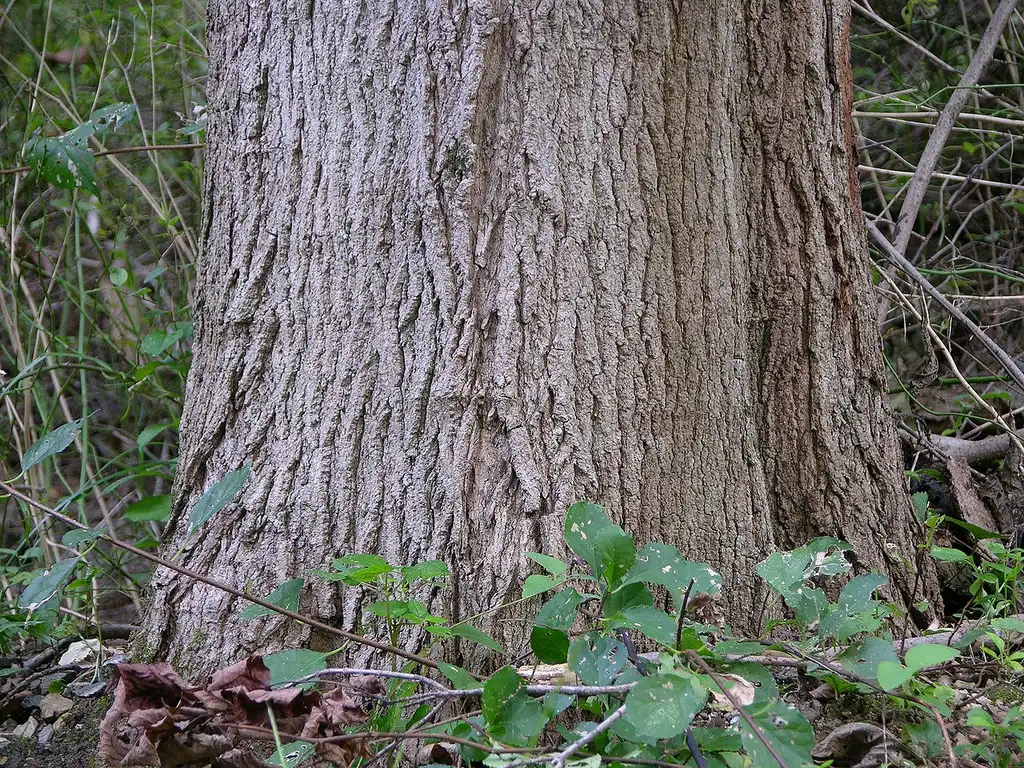
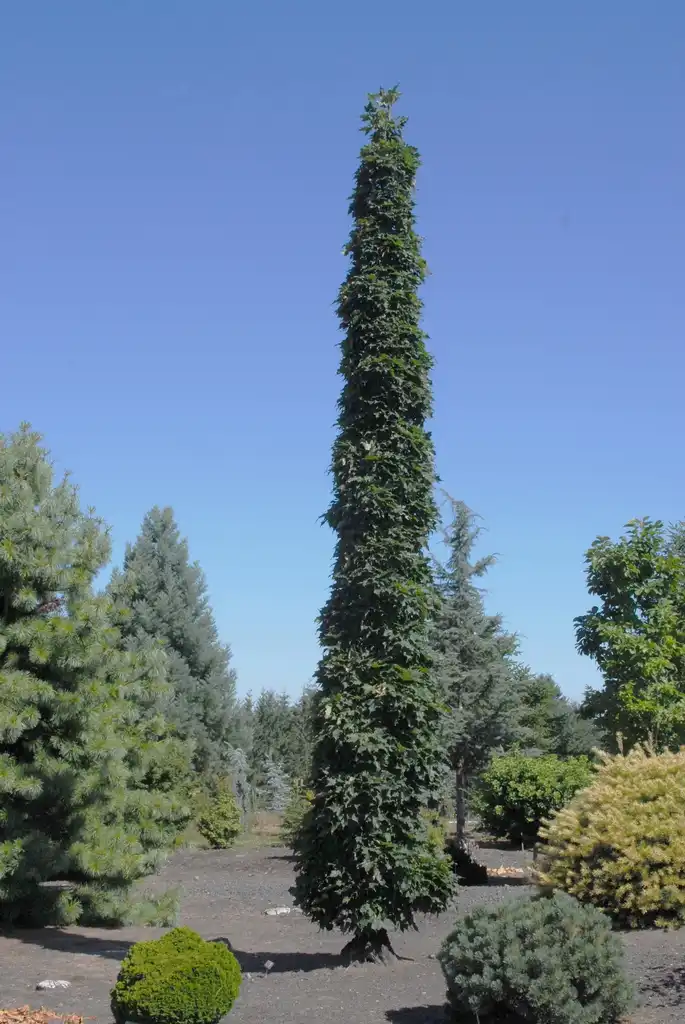
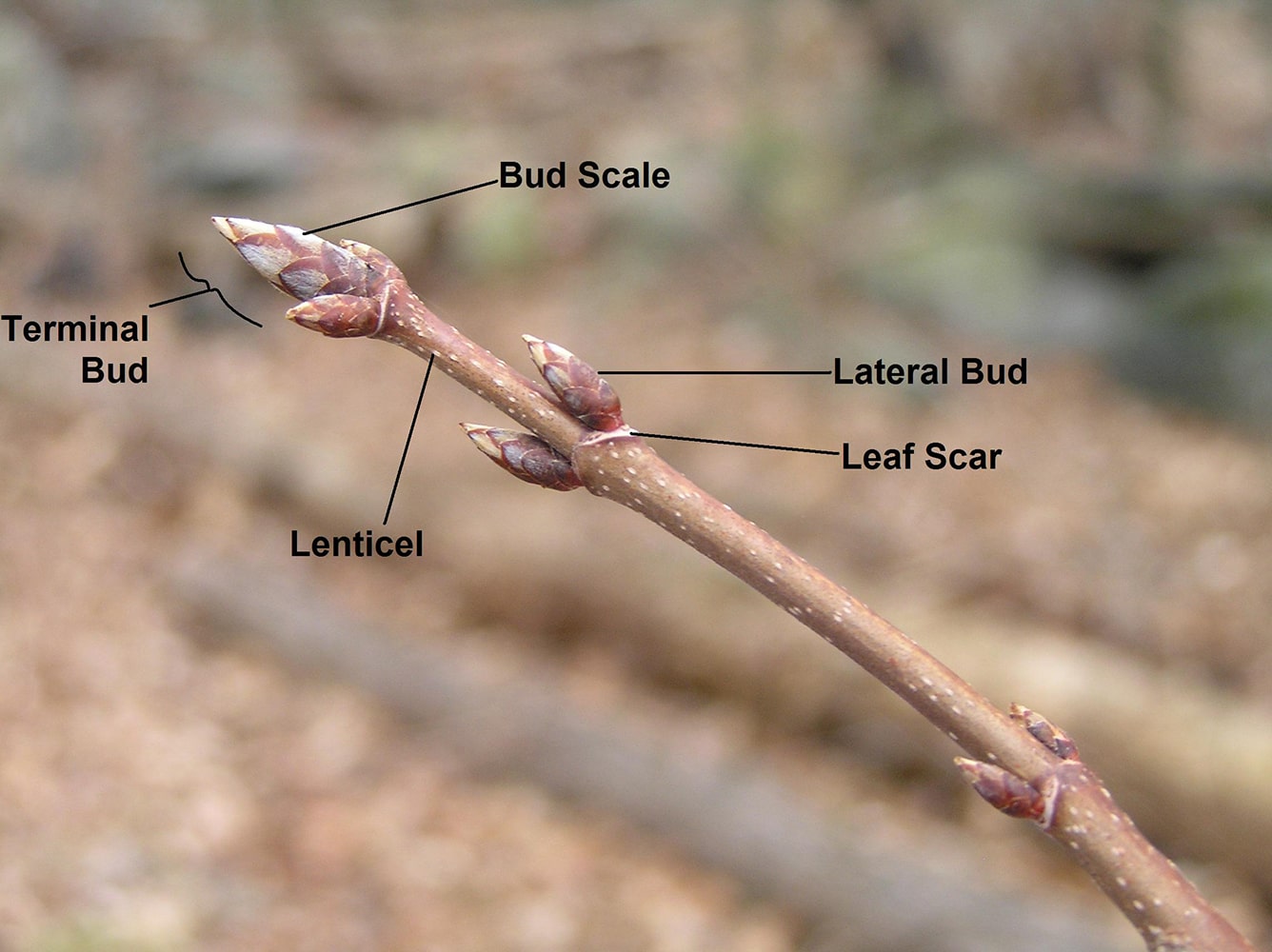
Acer saccharum, commonly known as the Northern Sugar Maple, is a deciduous tree indigenous to Eastern and Central North America. It thrives primarily in the cooler, elevated regions of North Carolina, favoring cove forests and other nutrient-rich woodlands, particularly in areas abundant in magnesium, iron, and lime. While it typically grows in dry forests and woodlands, it can occasionally be found in high-elevation northern hardwood forests with acidic conditions. This species was introduced to the Piedmont region as an ornamental plant, where it can be found sporadically. In North Carolina, three subspecies of Acer saccharum flourish: the Chalk Maple (subsp. leucoderme) in the Piedmont, the Black Maple (subsp. nigrum) in the mountains, and the Florida Maple (subsp. floridanum) in both the Piedmont and coastal areas.
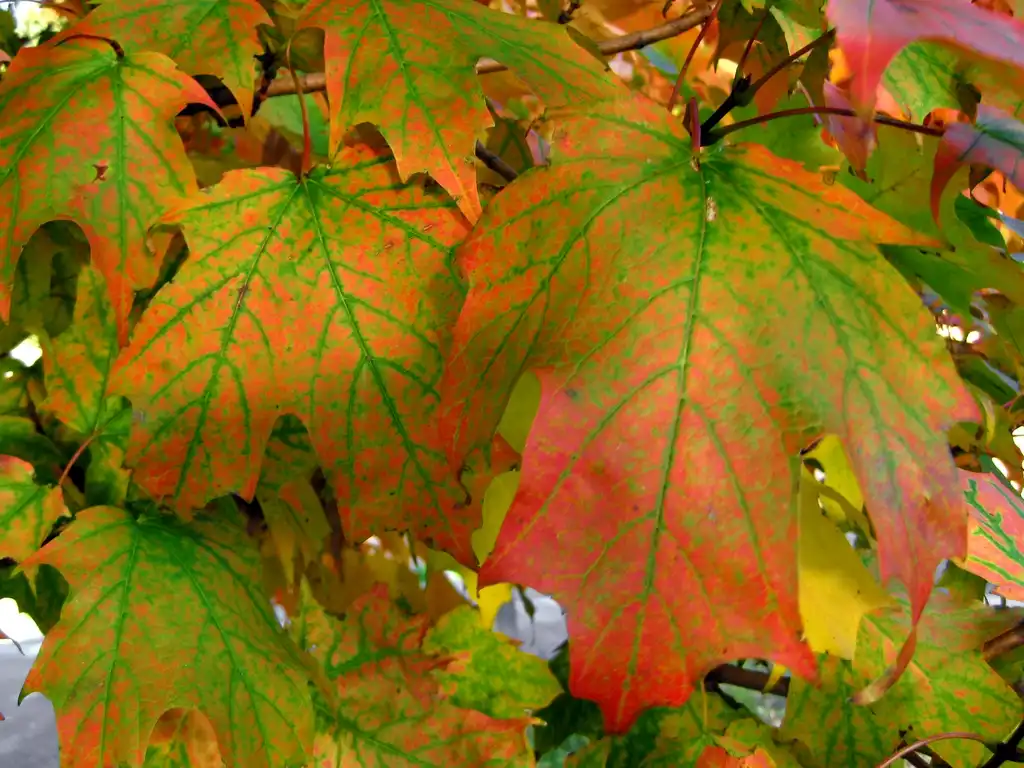
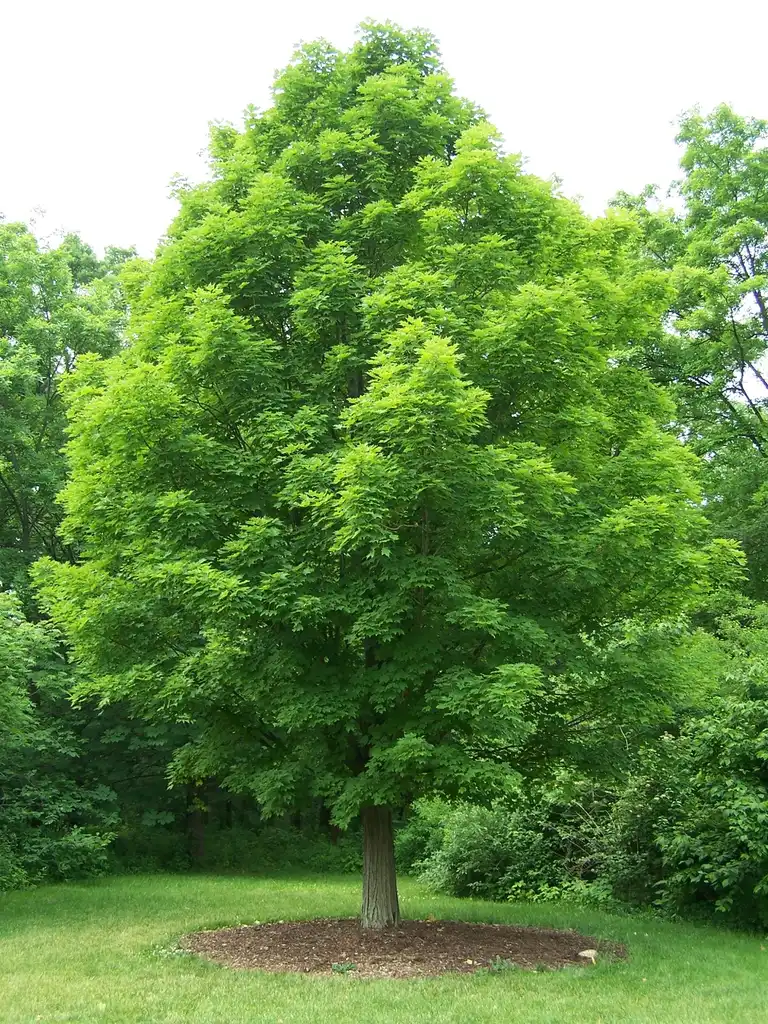
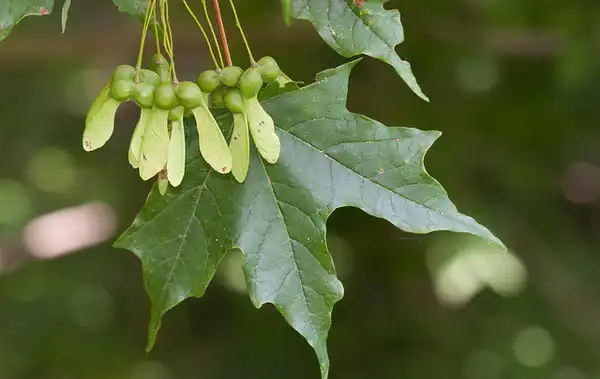
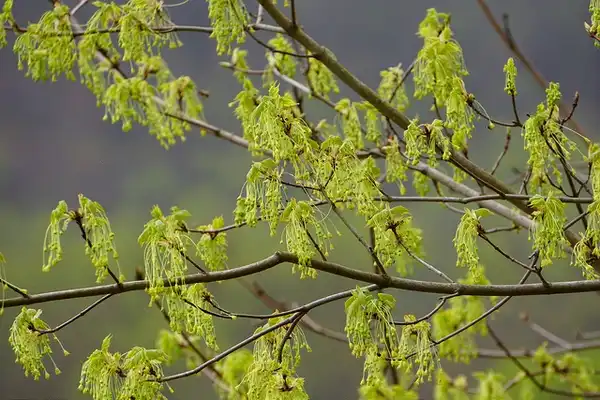
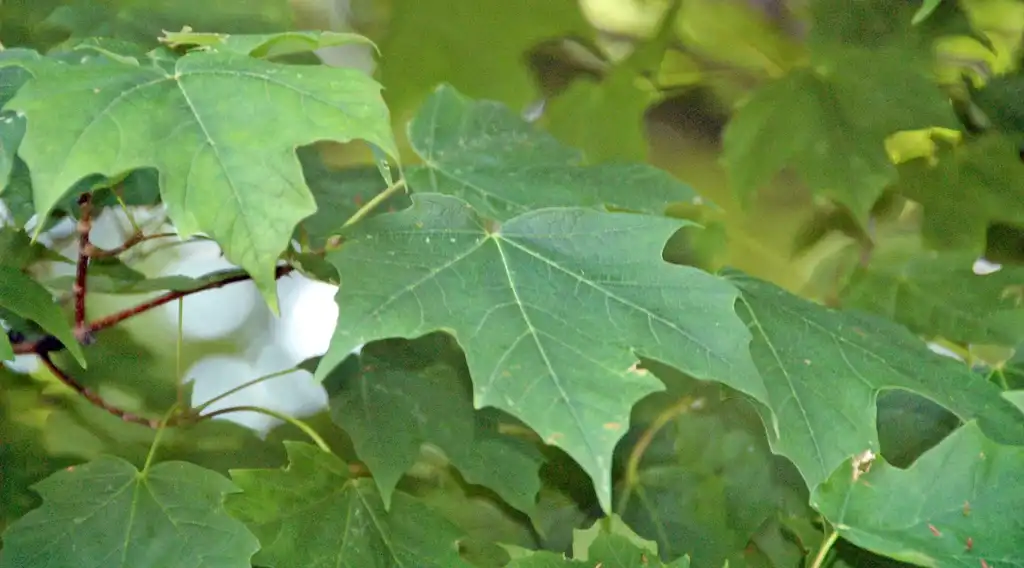
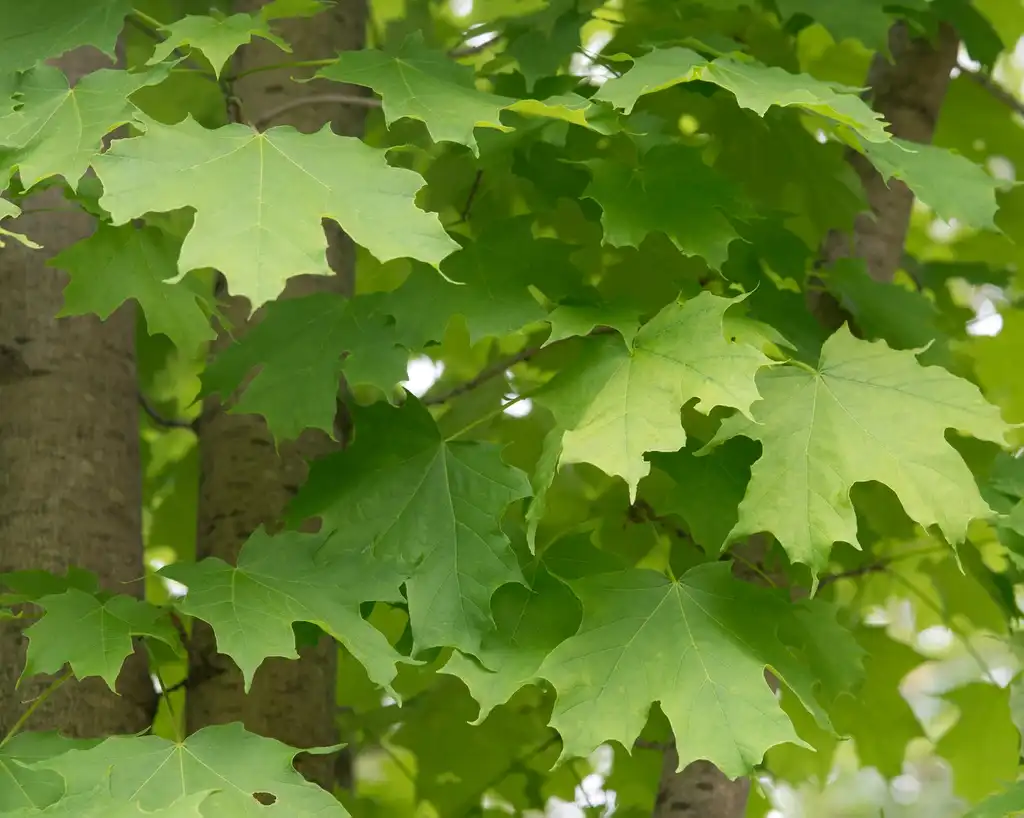
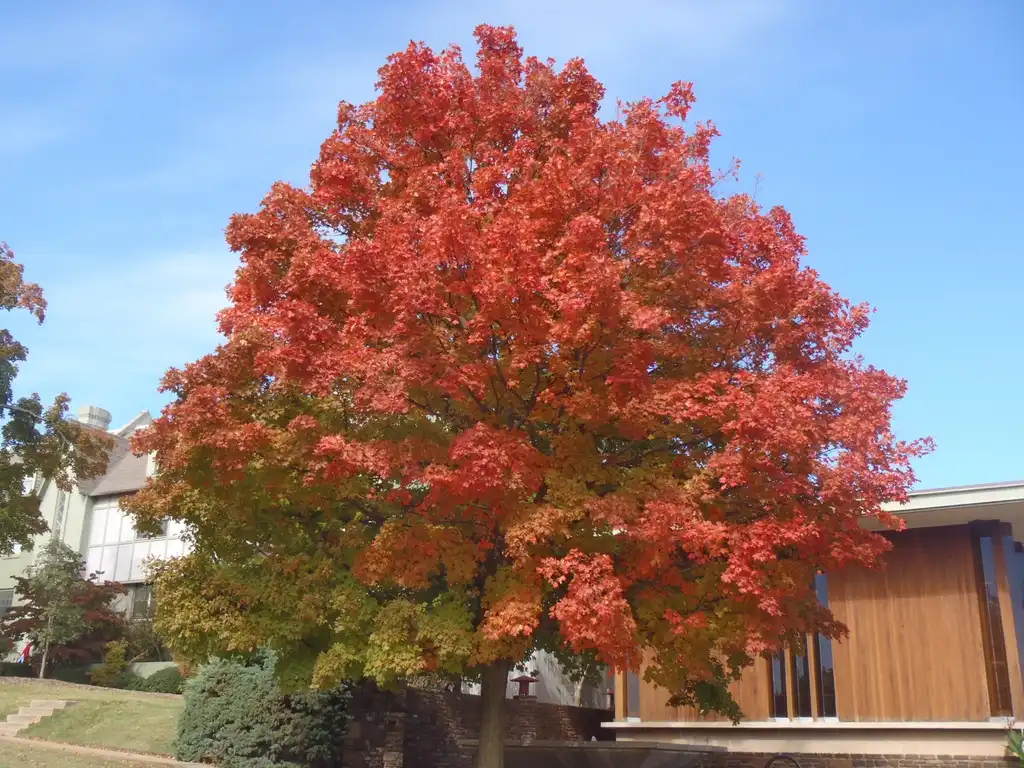
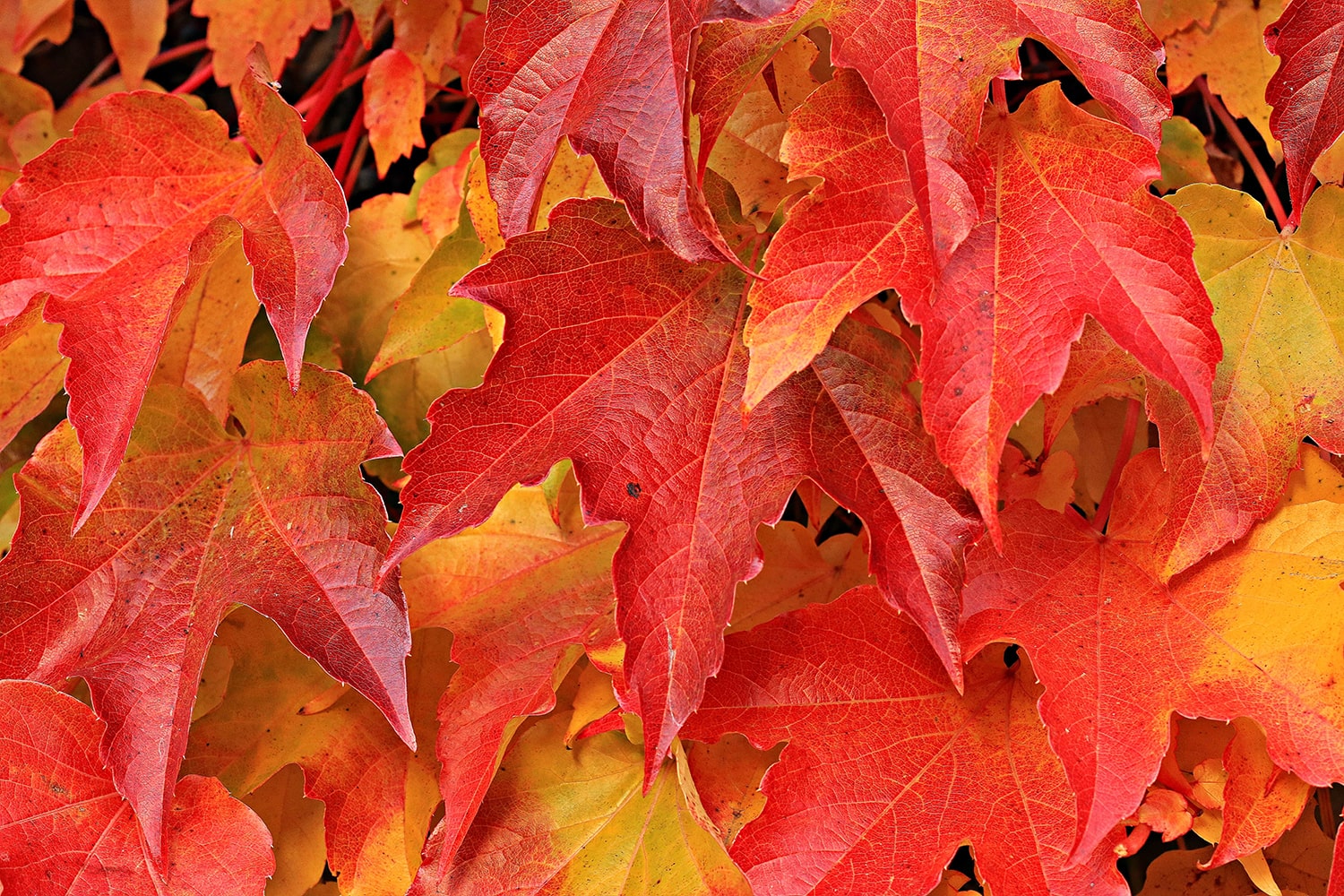
The Northern Sugar Maple can attain heights between 50 and 120 feet, featuring a broad, dense crown that casts substantial shade. Its growth rate is generally slow to medium, although it may accelerate in open spaces. The leaves are characterized by five lobes with coarsely serrated edges, transforming into vibrant shades of red, orange, or yellow during the fall. In spring, the tree produces drooping clusters of yellow flowers, which give way to winged samaras on long reddish stalks in the summer. Notably, it is the sole tree currently utilized for commercial syrup production. The sap is harvested in late winter and can be concentrated through boiling or reverse osmosis, with approximately 35-40 liters of sap yielding one liter of syrup. A single tree can generate between 5 and 60 liters of sap annually. For optimal sap flow, it is best to plant this tree in locations where nighttime temperatures drop below freezing and daytime temperatures exceed 5 degrees Celsius (around 41 degrees Fahrenheit), which poses challenges for syrup production in North Carolina.
The Northern Sugar Maple flourishes in moist, well-drained, slightly acidic, fertile soil under full sunlight, though it can tolerate average well-drained soils in sunny to partially shaded conditions. It is sensitive to compacted soil, high temperatures, air pollution, and road salt typically found in urban settings. This tree is ideally suited for use as a shade tree in lawns or park-like environments.
In terms of pests and diseases, the Northern Sugar Maple does not face significant threats. However, it may be affected by aphids, borers, and scale insects. Unhealthy trees can suffer from issues such as Verticillium wilt, anthracnose, cankers, leaf spot, and tar spot. Leaf scorch may occur during drought conditions, and the roots can damage sidewalks and obstruct drains and septic systems. The tree is particularly vulnerable to heat, drought, salt, and soil compaction.