Acer campestre: Country Or Region Of Origin
Europe, Western Asia
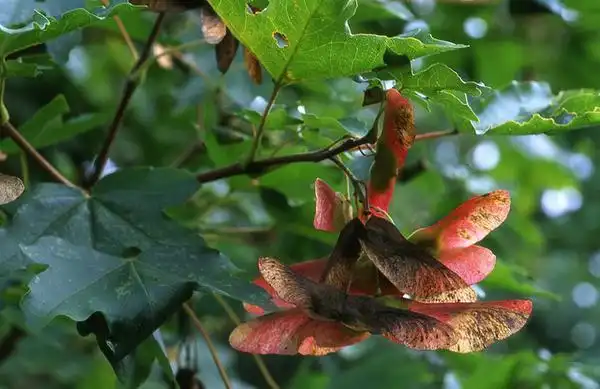
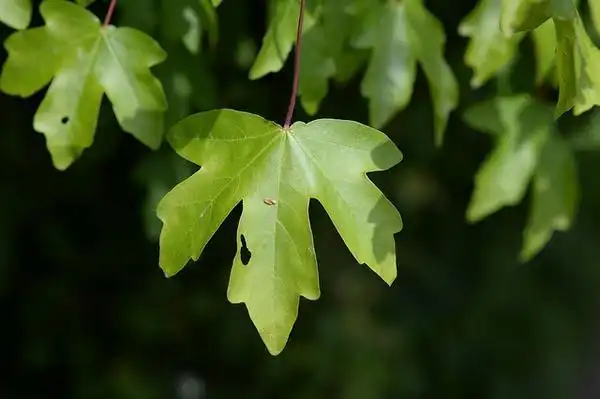
Phonetic Spelling:AY-ser kam-PES-tray
Genus:Acer
Species:campestre
Family:Sapindaceae
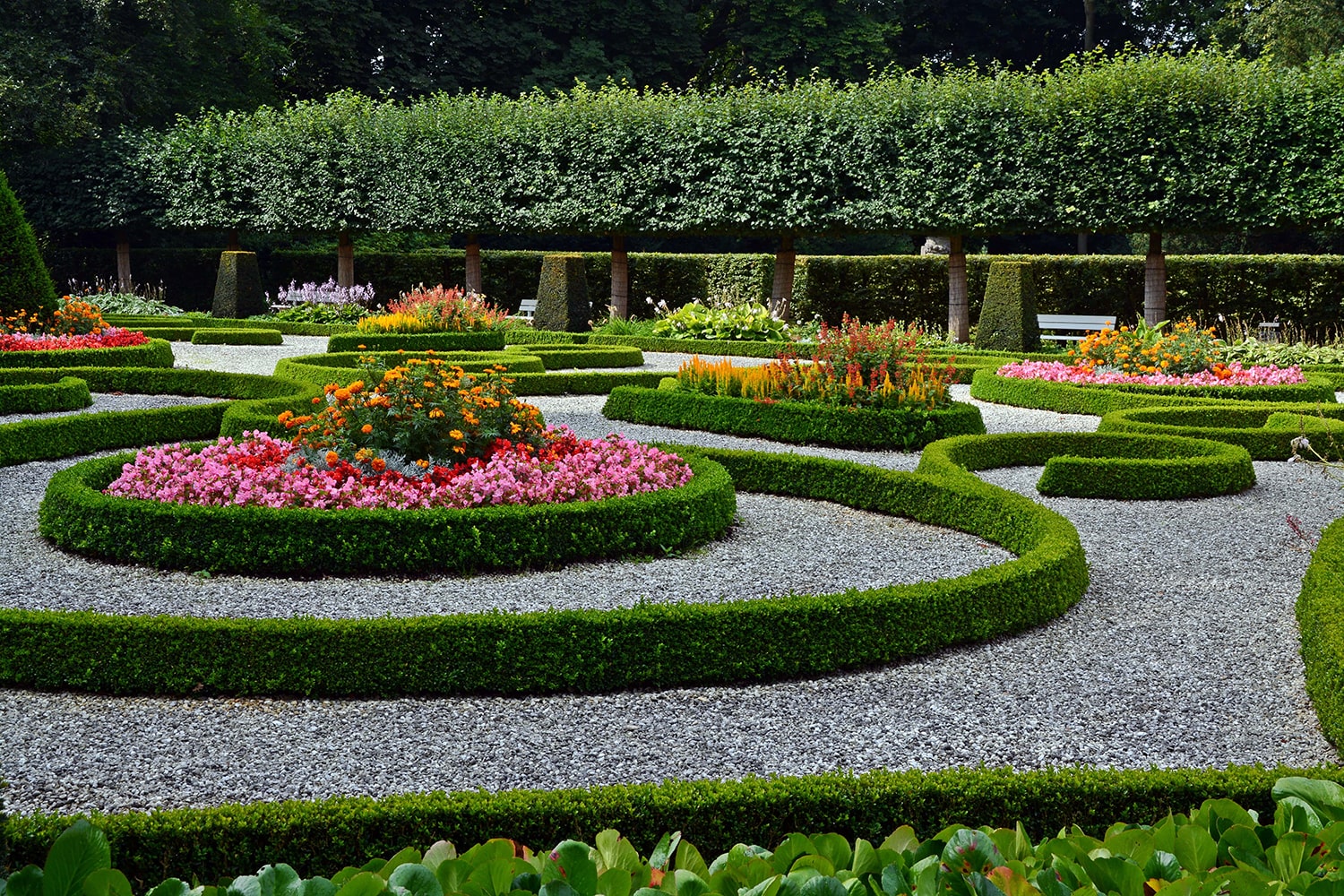
This plant is a shrub or small tree characterized by its rounded shape and ability to withstand significant pruning. It serves well as a street tree, providing ample shade, and is also utilized for hedges, as a lawn tree, and in areas beneath utility lines. While it is relatively easy to transplant, it features a shallow root system. In England, it is commonly planted as hedgerows along roadways.
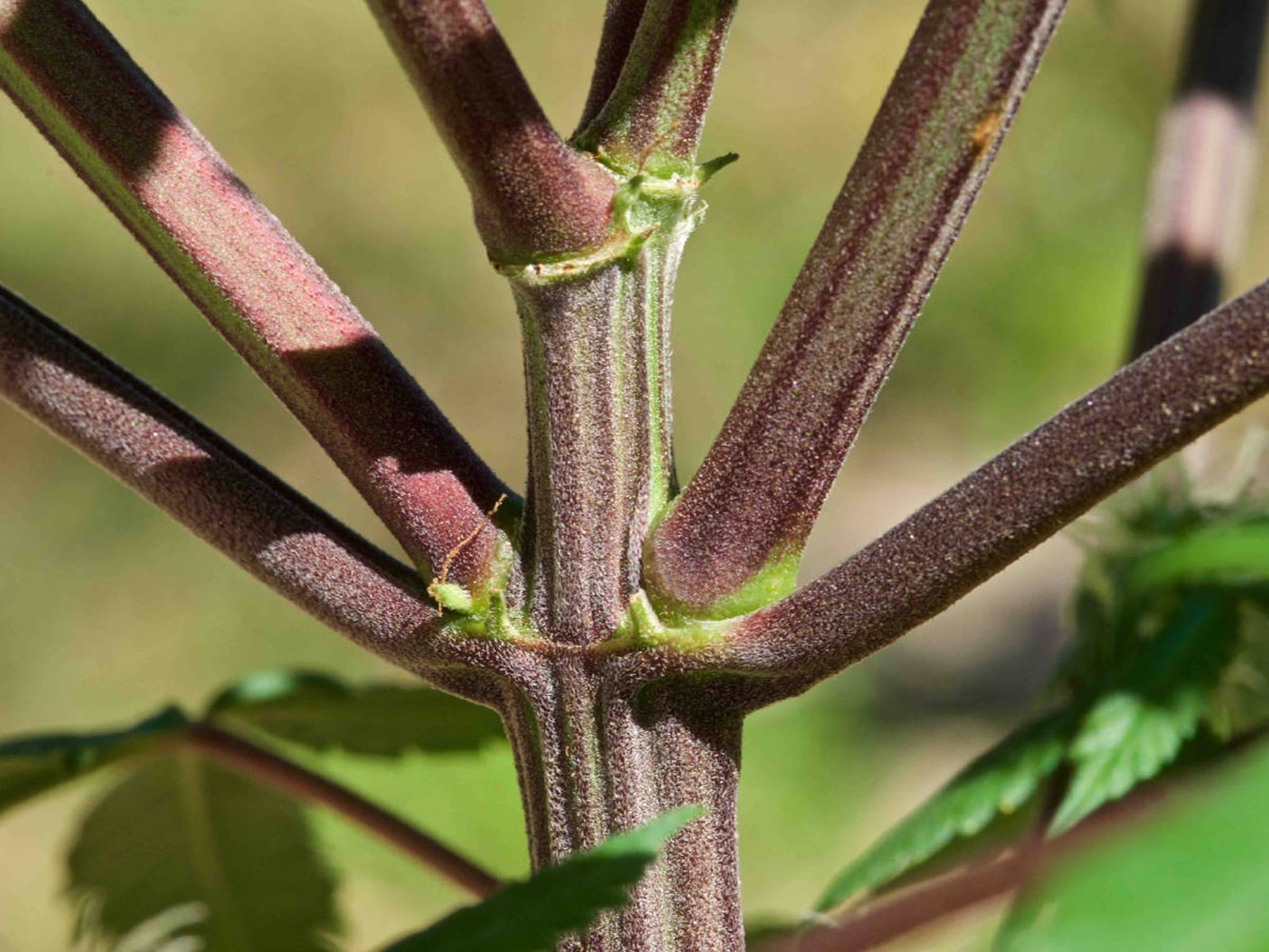
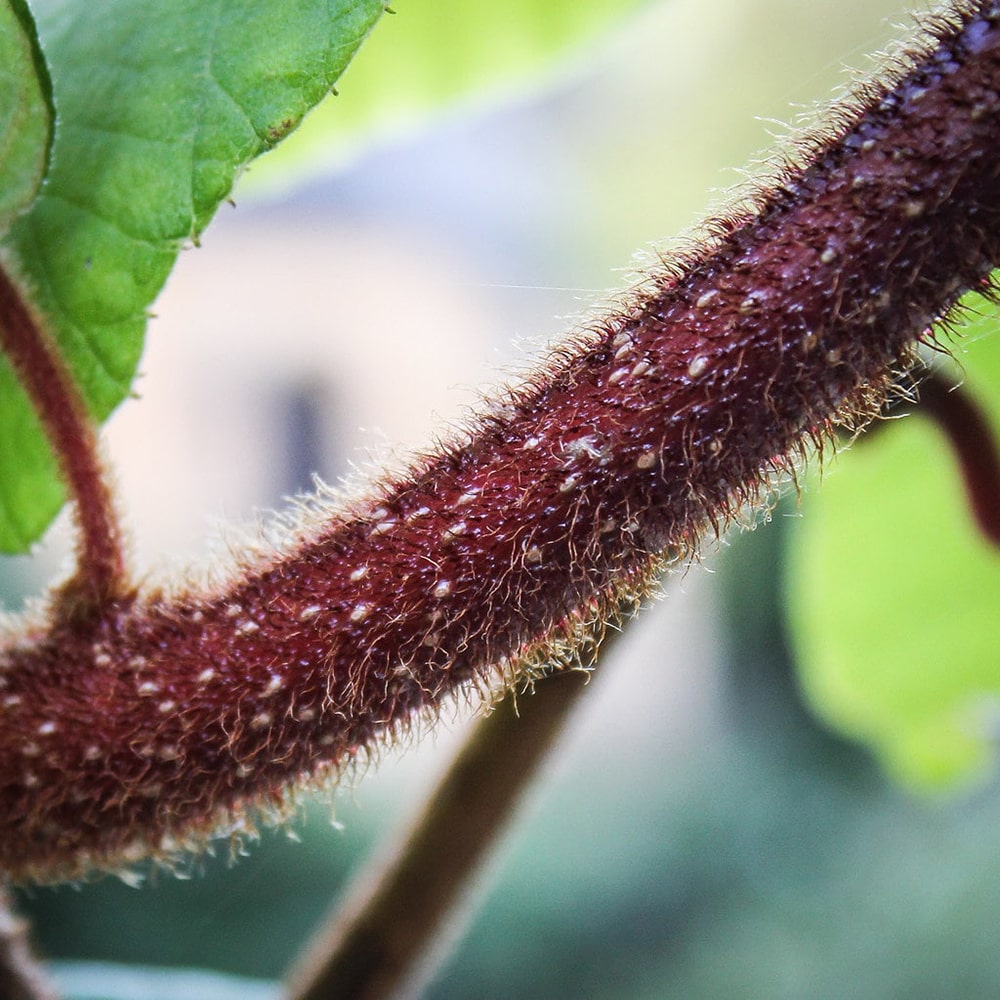
The buds are terminal and imbricate, with scales that range from grayish-brown to brownish-black; the apex is often covered in fine hairs and chaff, while the lateral buds are smaller and pressed against the stem.
In autumn, the foliage turns yellow, although this color change can be inconsistent. The plant thrives in rich, well-drained soils and is resilient against air pollution, as well as alkaline, clay, dry soils, and soil compaction. It is not significantly affected by pests or diseases.
This species is native to Europe and Western Asia and belongs to the Sapindaceae family, which was previously classified as Aceraceae.
**Quick Identification Tips:**
Acer campestre Feature Summary