Platanus occidentalis: Uses (Ethnobotany)
Wood is hard and moderately strong, but decays rapidly in the ground. It is often used for chopping blocks, furniture, and chip board.
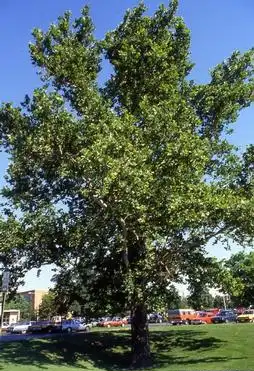
Phonetic Spelling:PLAT-an-us ok-sih-DEN-tal-iss
Genus:Platanus
Species:occidentalis
Family:Platanaceae
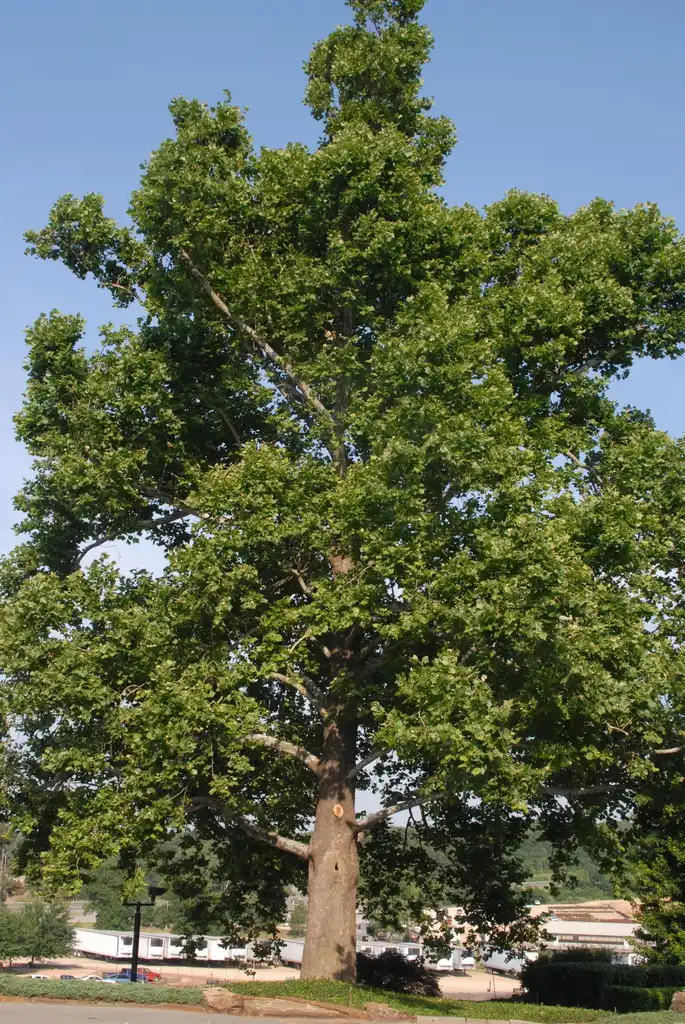
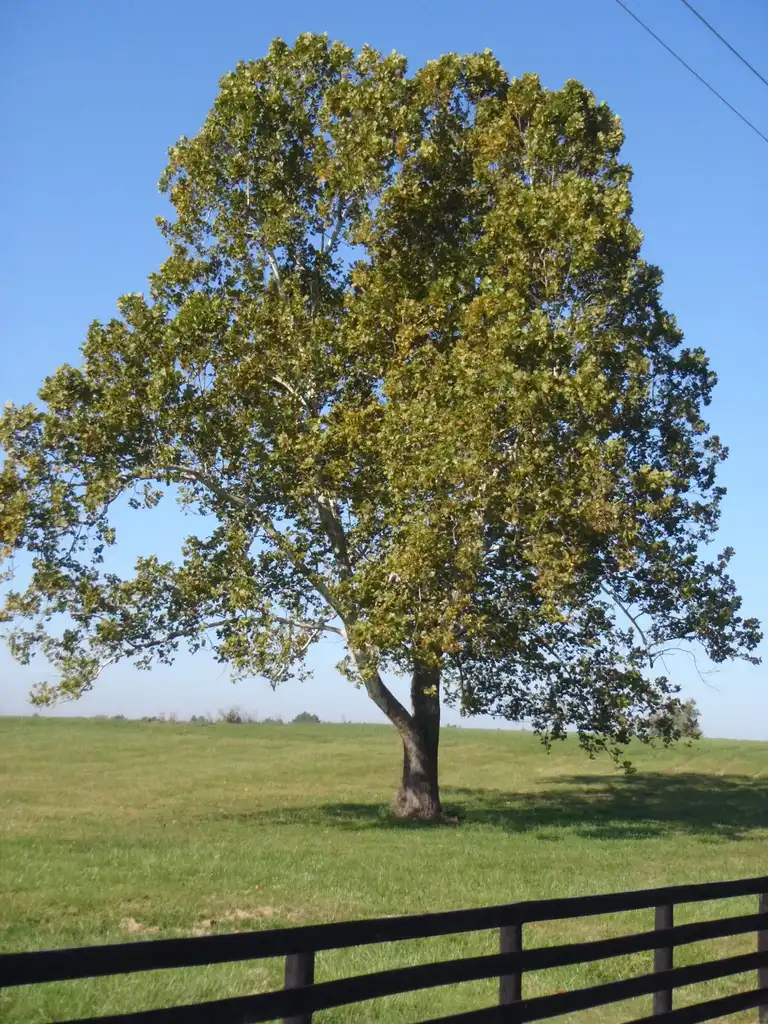
Platanus occidentalis, commonly known as the American Sycamore, is a substantial deciduous tree that can reach heights of 75 to 90 feet, with trunk diameters exceeding 10 feet. It ranks among the largest hardwood species in North America based on diameter. When considering its placement in your landscape, it's essential to recognize that this tree requires ample space due to its size. Native to North Carolina, the American Sycamore is prevalent throughout the state, particularly thriving along streams and in low-lying areas.
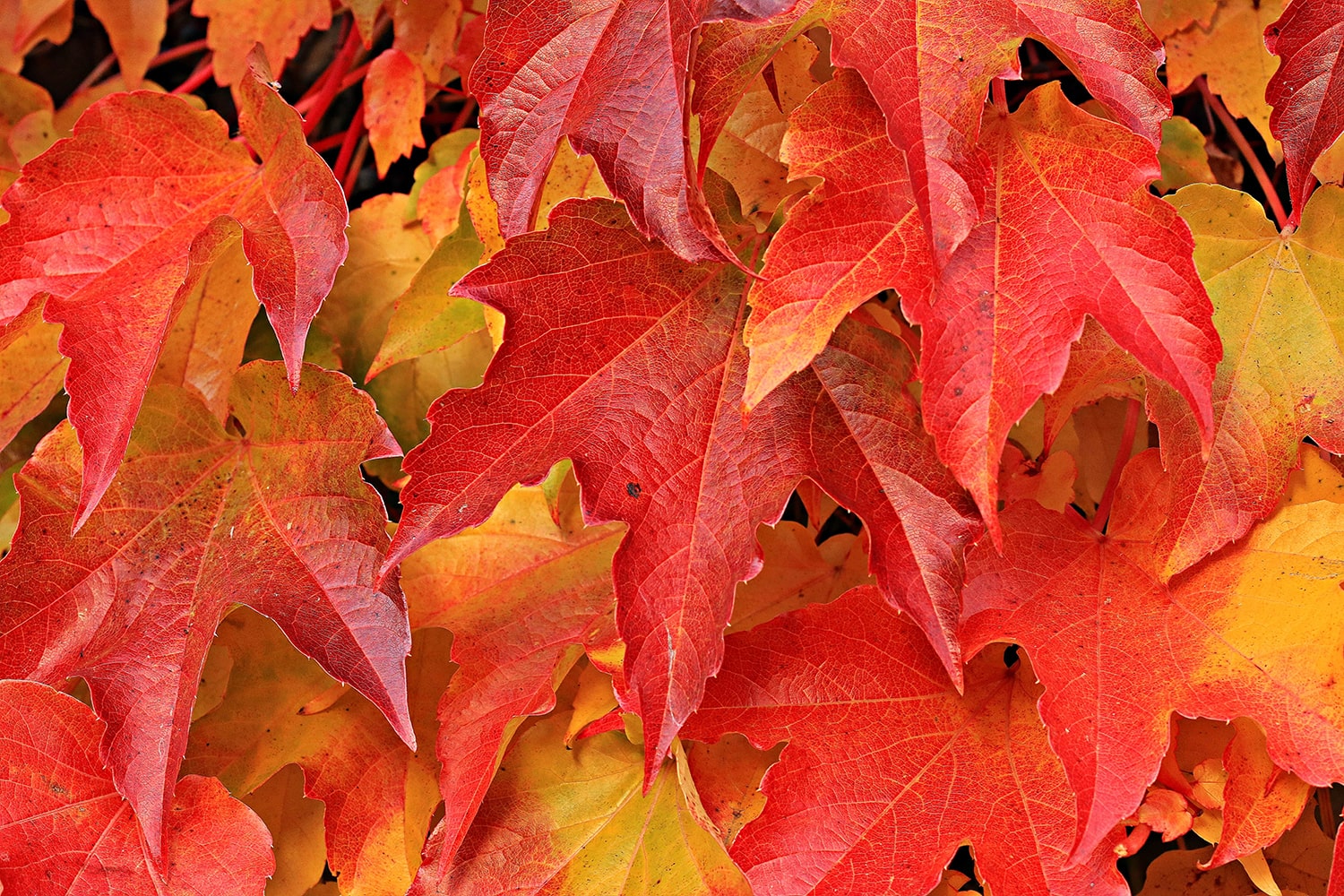
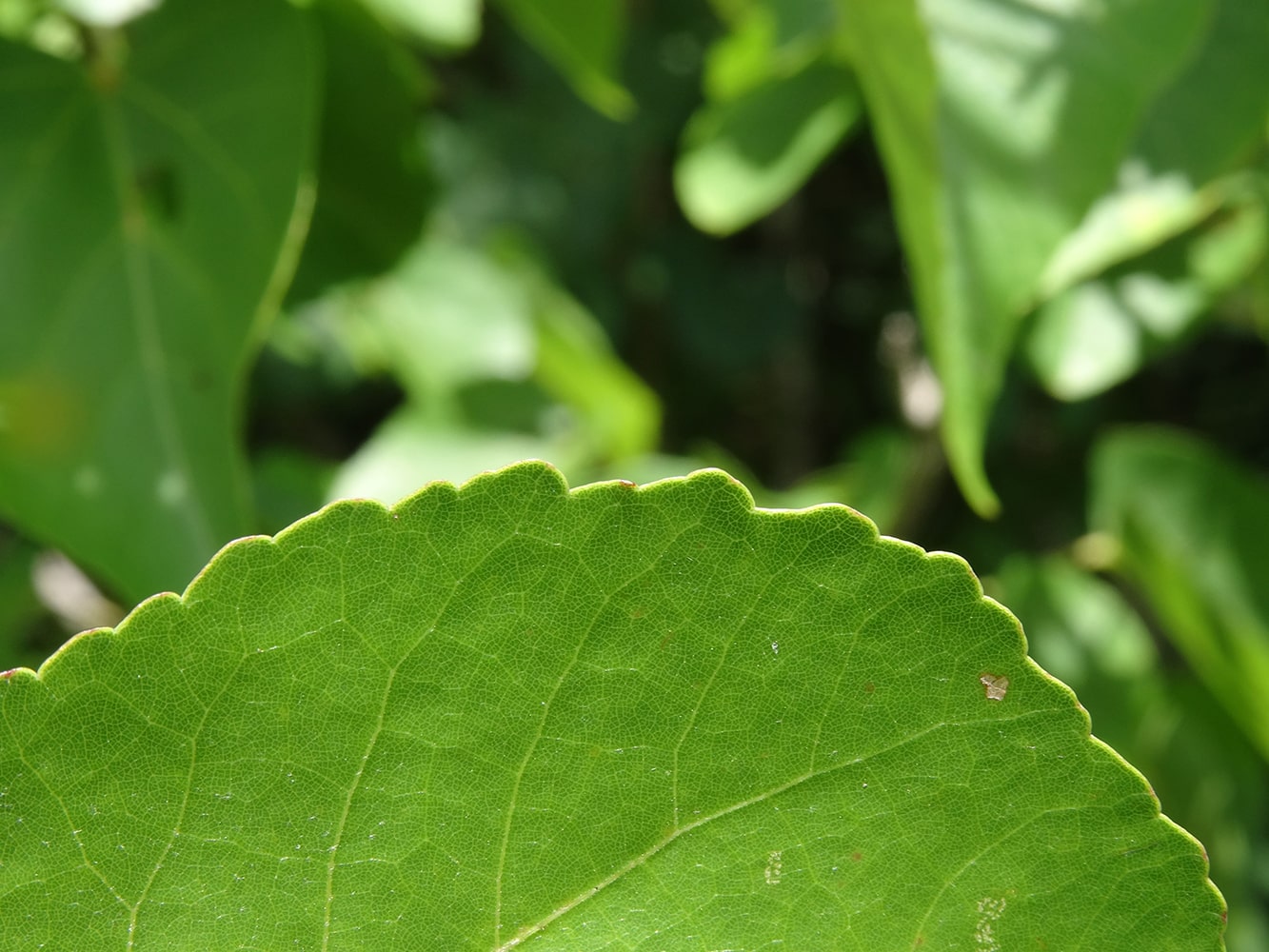
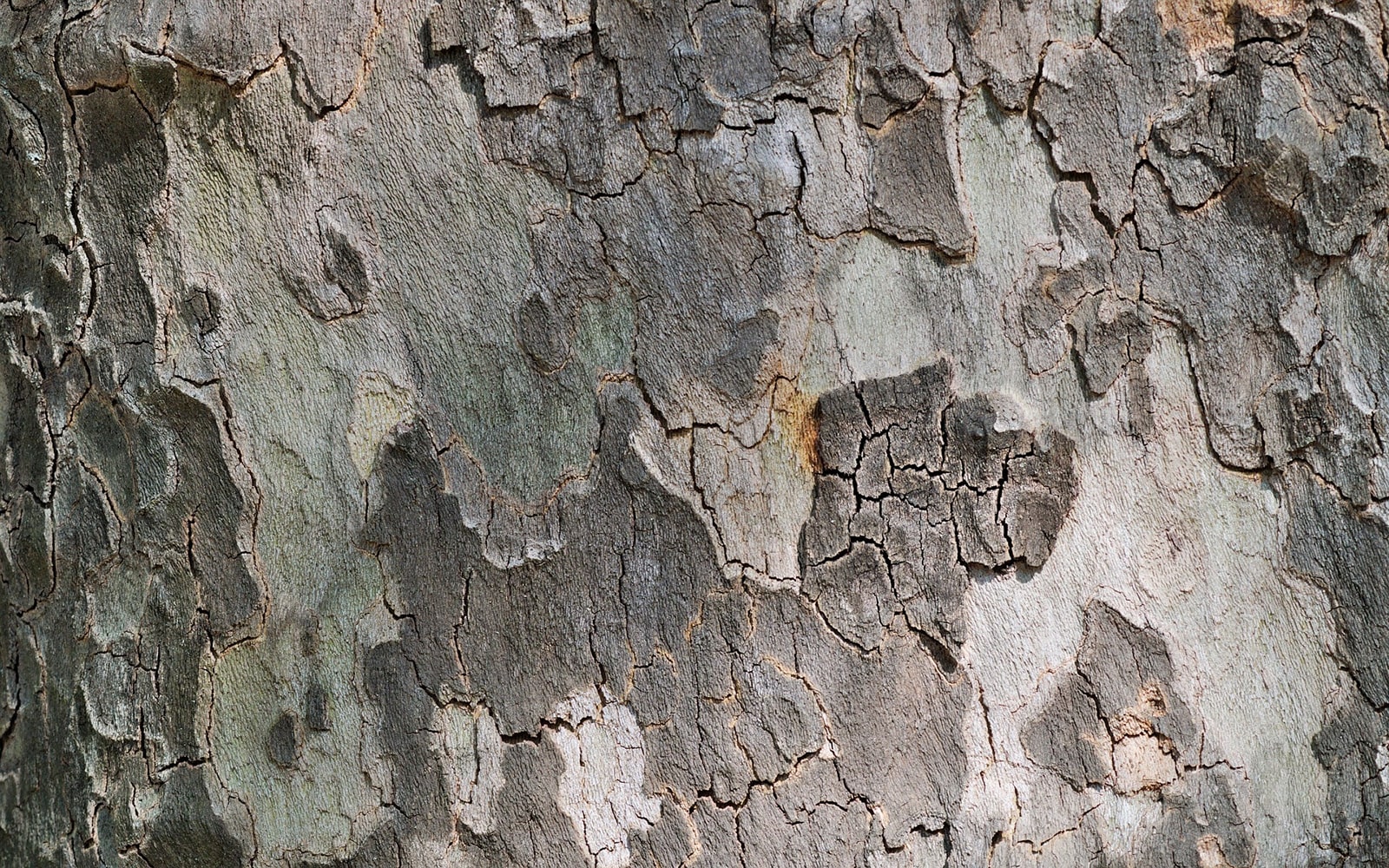
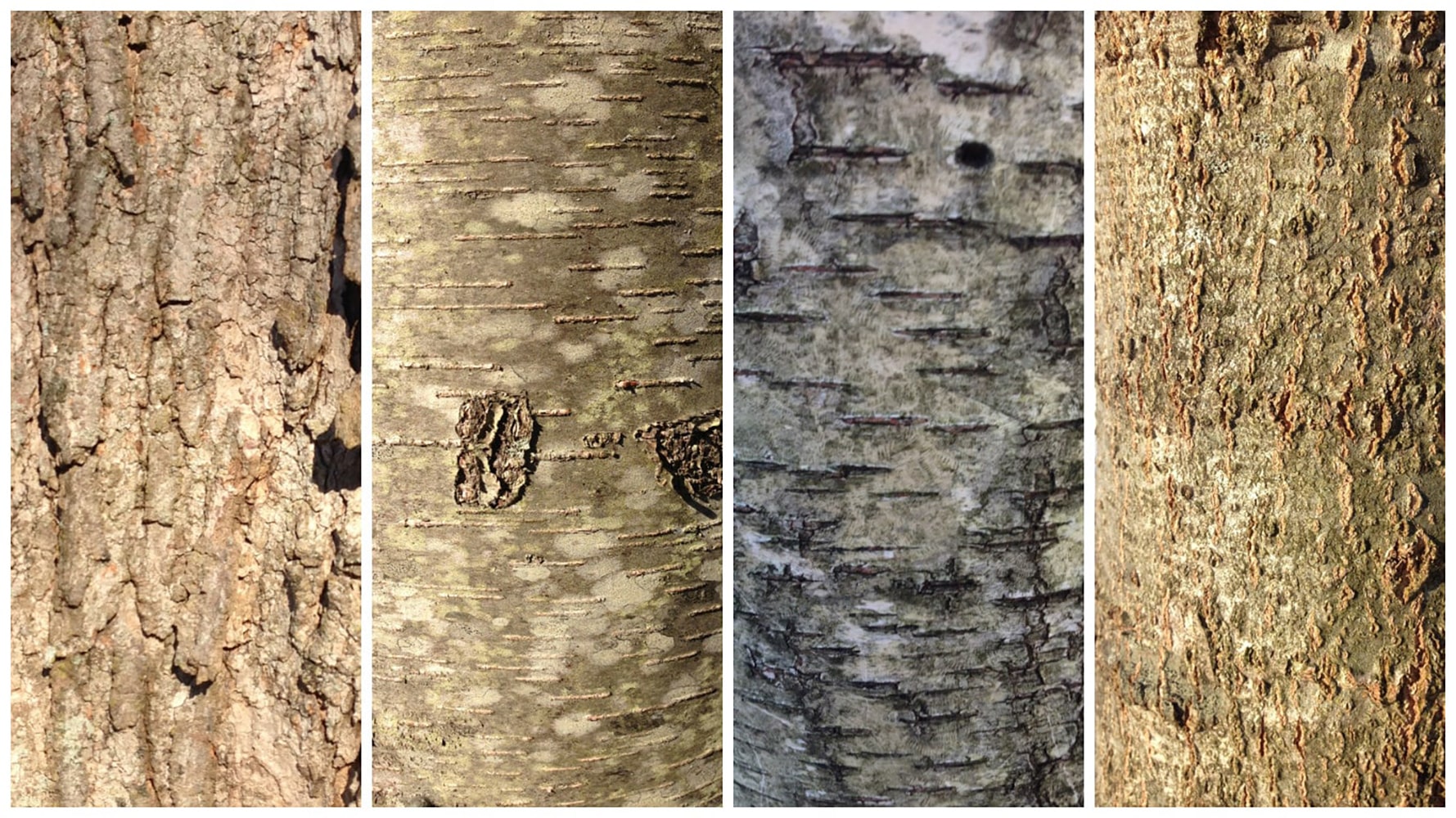
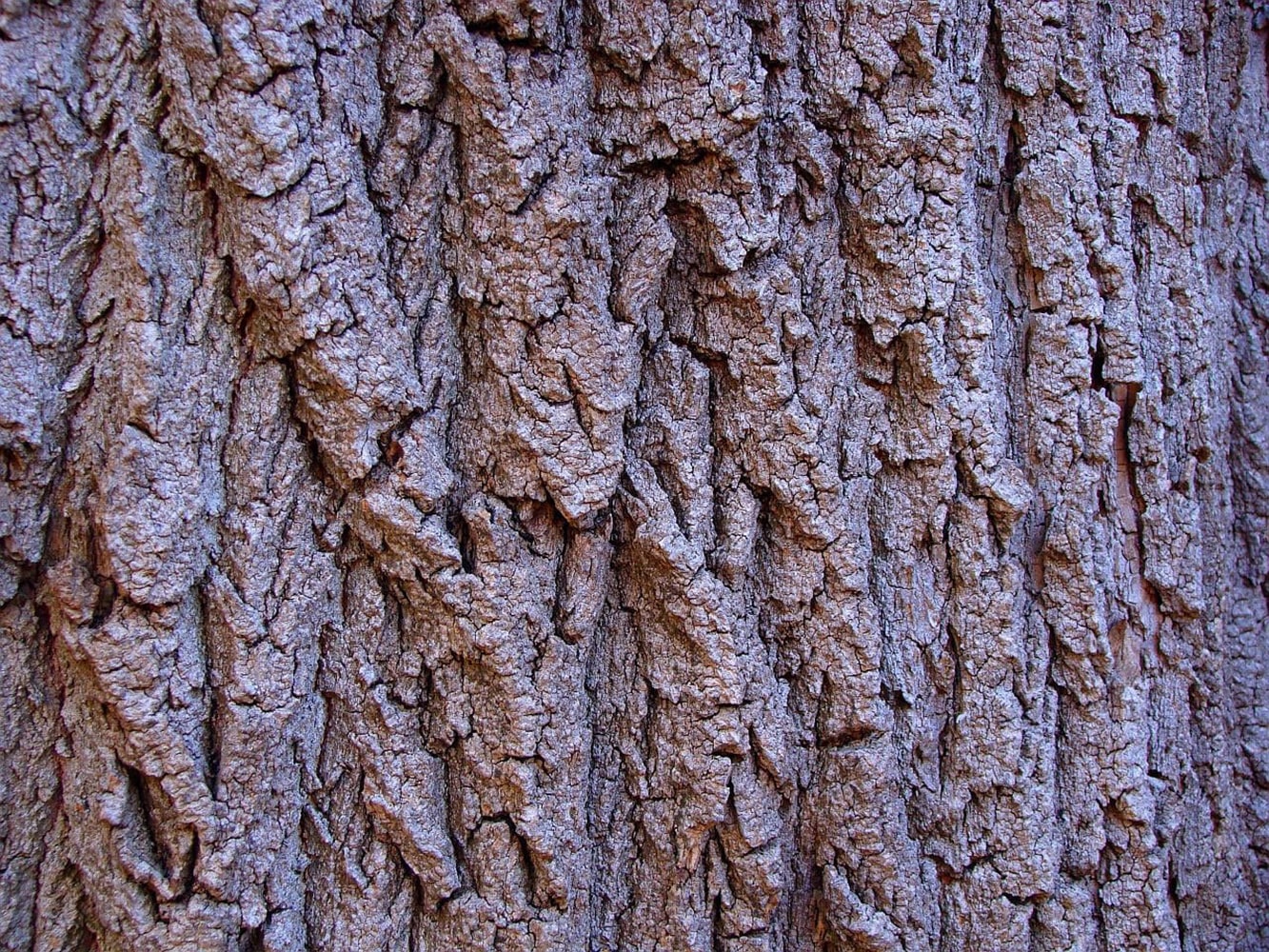
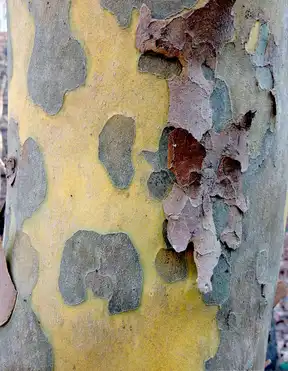
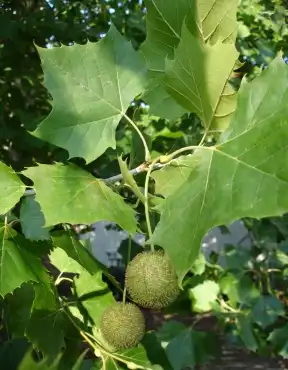
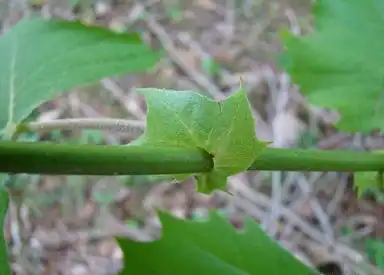
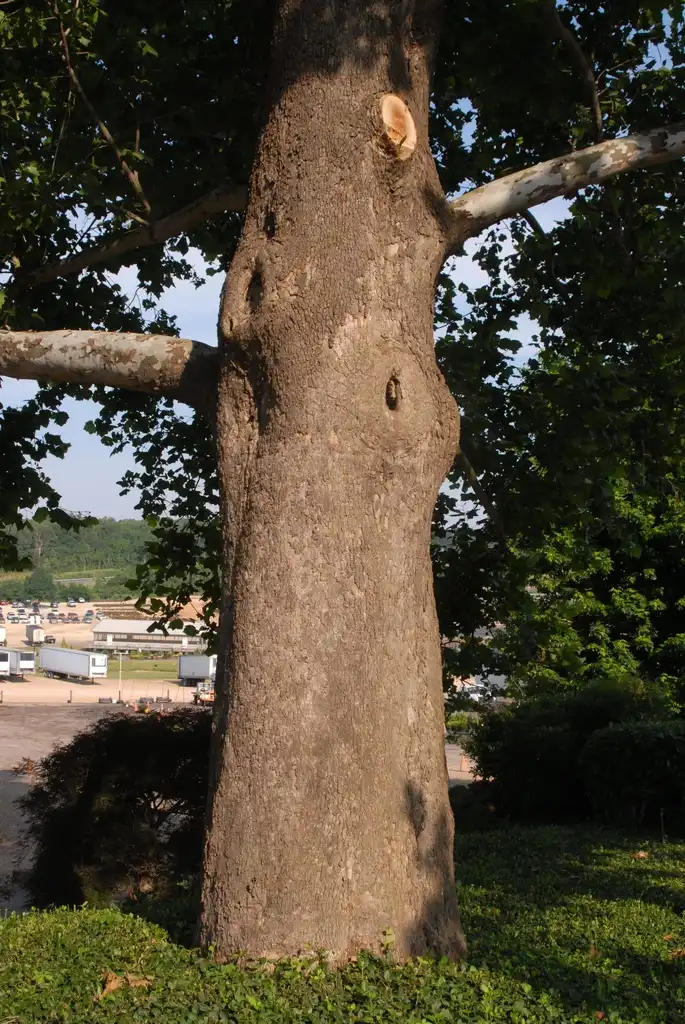
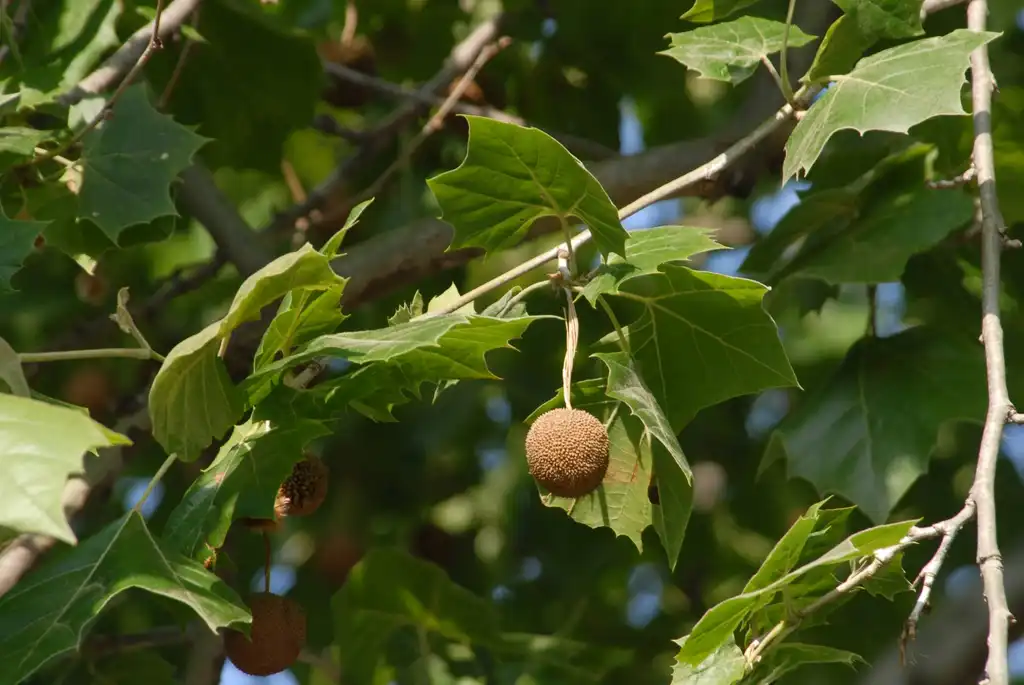
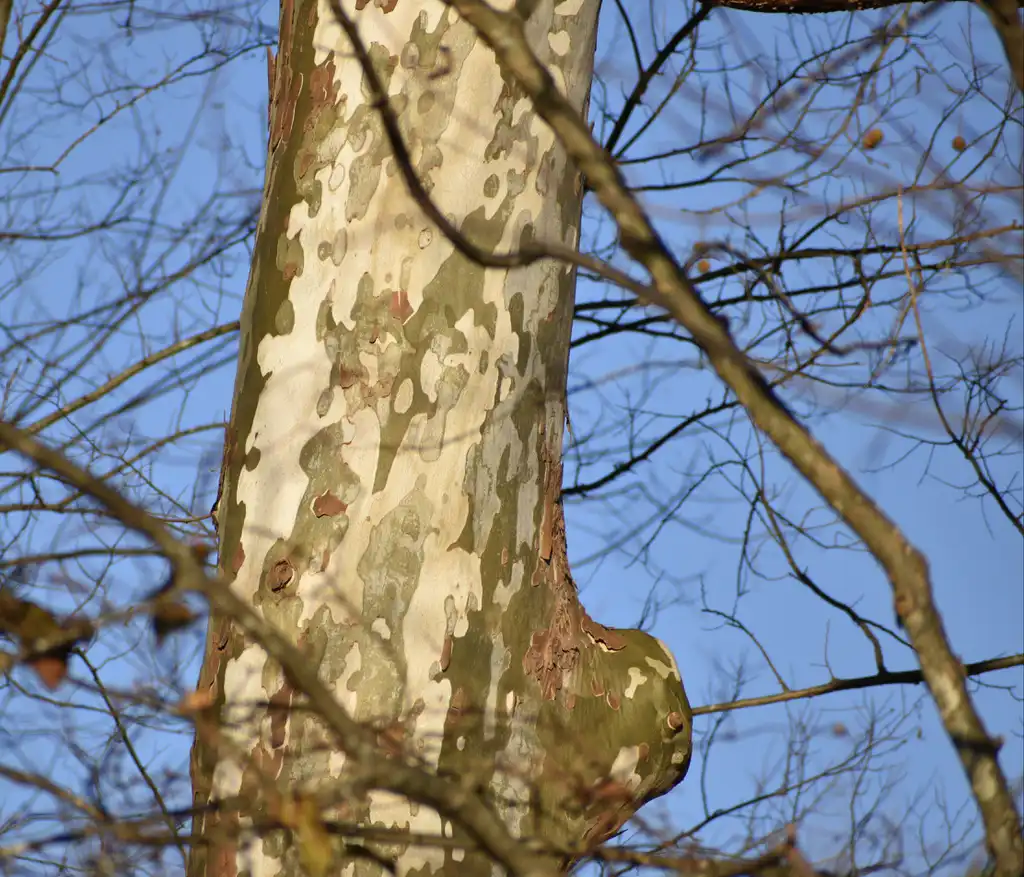
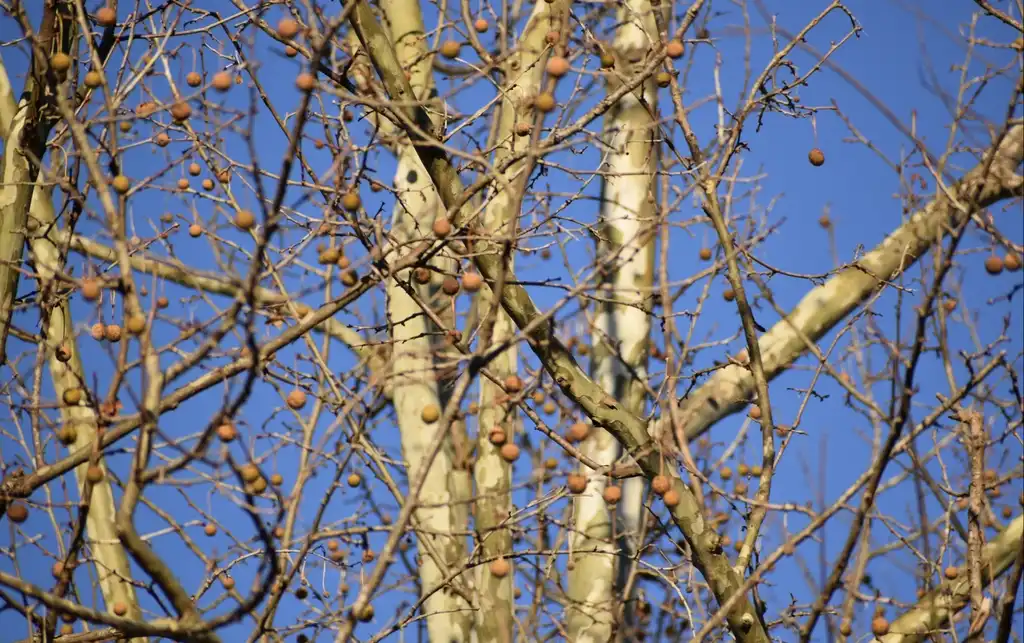
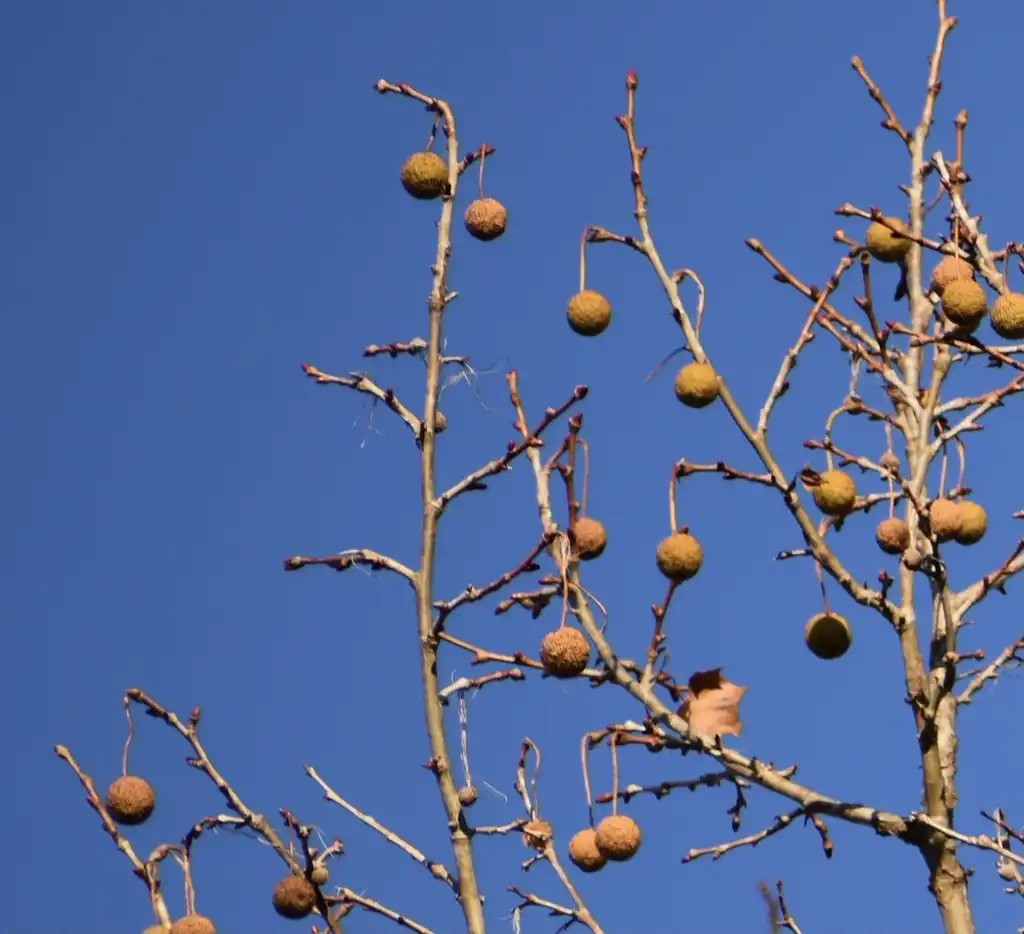
The tree features alternate leaves that typically have 3 to 5 lobes with coarsely serrated edges. Its bark is distinctive, displaying a mottled appearance as the darker outer layers shed to reveal the lighter inner bark, which is particularly ornamental. In its early years, the tree has a pyramidal shape, gradually evolving into a more rounded form with an irregular crown supported by several thick branches. These branches are generally spaced two to four feet apart along the trunk, contributing to a robust structure. The dominant central leader that often develops in sycamores helps ensure a desirable arrangement of major limbs, requiring minimal corrective pruning aside from the occasional removal of upright, aggressive branches with tight angles. In spring, the tree produces small flowers in clusters, typically one cluster per stalk, followed by spherical seed clusters attached to 3- to 6-inch stalks. Each seed is small, winged, and measures about half an inch in length.
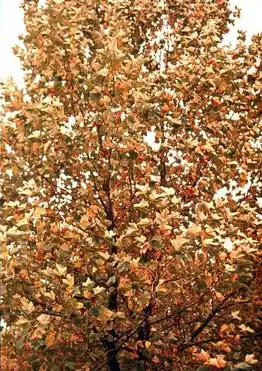
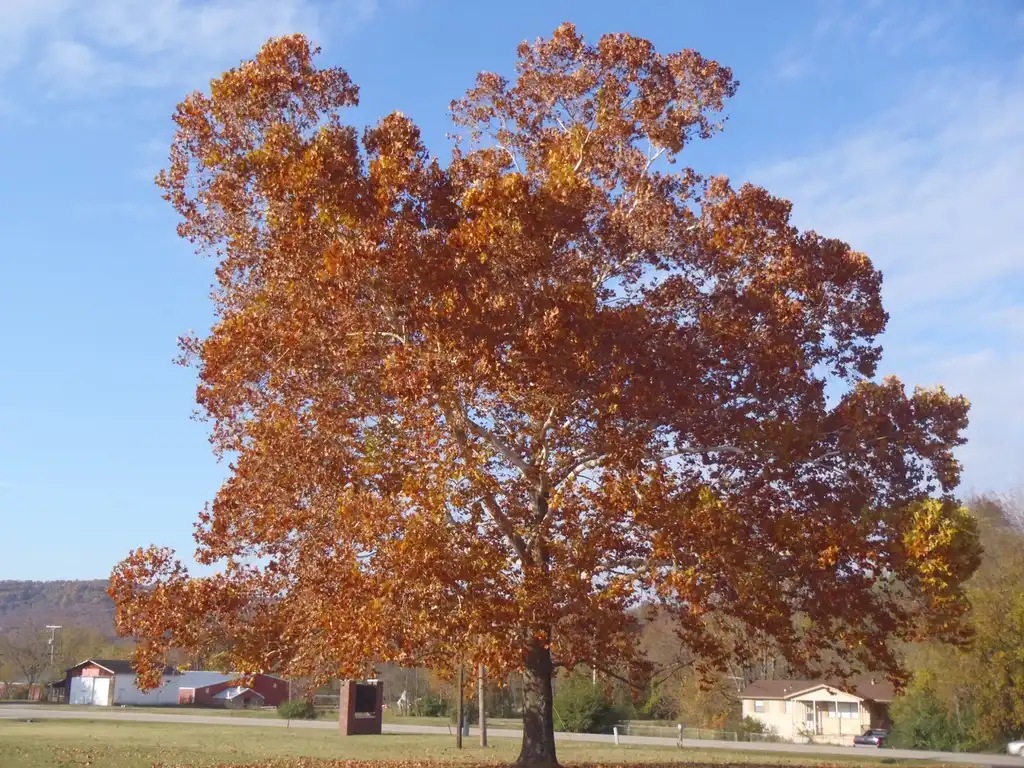
The leaves often appear folded diagonally along two lines, causing the lateral sides to droop downwards and then curve upwards in the fall as they dry and drop, resulting in a unique visual effect. American sycamores have been backcrossed with the London plane tree (P. x acerifolia). The London plane typically bears 3 to 5 gumballs per peduncle and features deeper sinuses, while the hybrids usually have 2 gumballs per peduncle, with the lateral gumball often aborting. The depth of the sinuses in these hybrids can be challenging to assess.
This species thrives in full sun and prefers deep, moist, fertile soils. It shows tolerance to a variety of soil types, including clay, sand, loam, alkaline, and wet conditions, and exhibits moderate drought resistance. While it grows rapidly and is pollution-tolerant, it is susceptible to various pests and diseases.
In terms of pests and diseases, sycamore anthracnose is a notable issue that can significantly affect the tree's foliage and twigs, often leading to early leaf drop. Other potential problems include cankers, leaf spots, and powdery mildew. Insects such as borers, scales, Japanese beetles, caterpillars, and mites may also be present. When planted as a lawn tree, the debris from twigs, large leaves, bark, and fruiting balls can create considerable cleanup challenges.
Platanus occidentalis Feature Summary
Platanus occidentalis Image Gallery