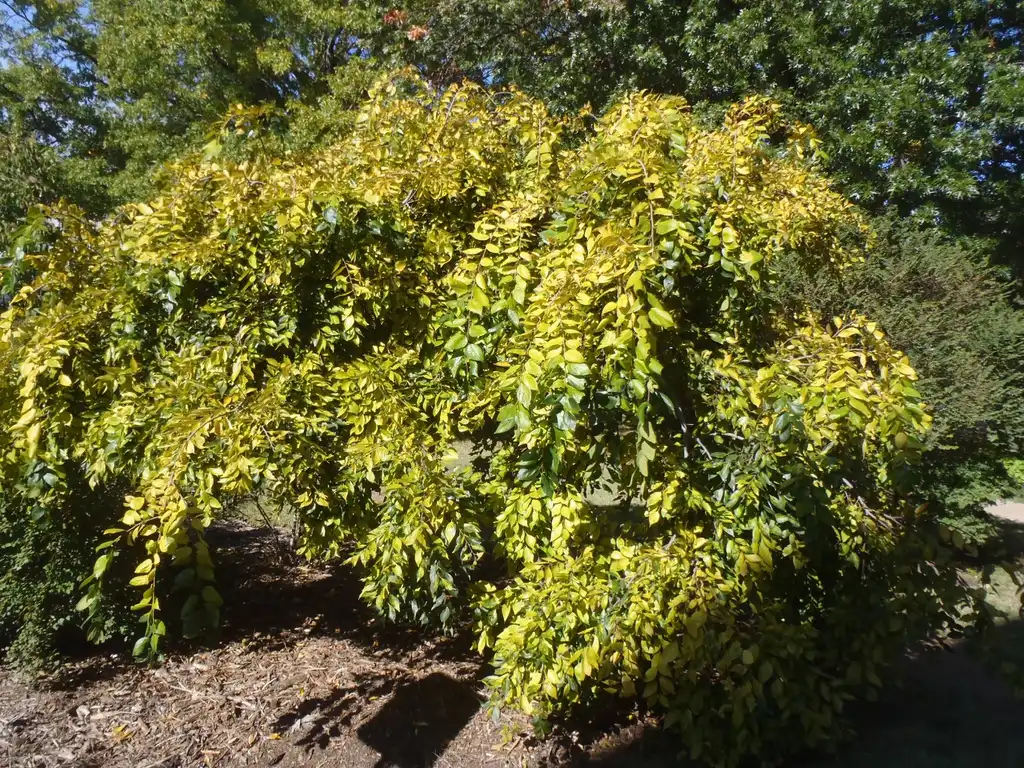
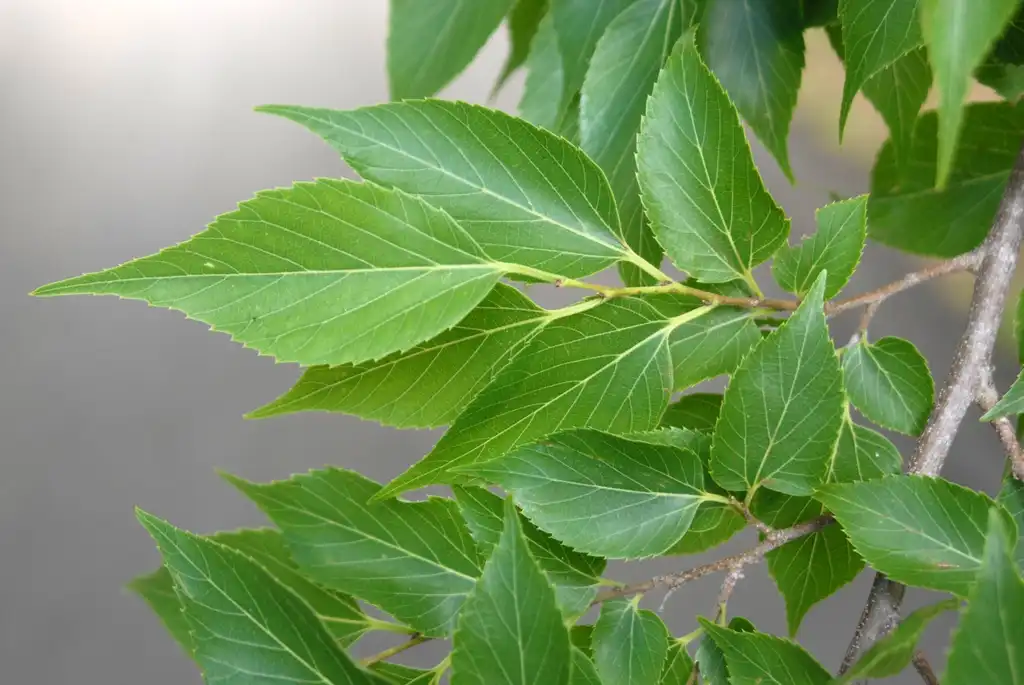
• Photo of Celtis sinensis (Celtis sinensiss)

Plant Profile: Celtis sinensis

Taxonomy: Celtis sinensis

Names

Chinese Hackberry

  • Photo of Celtis sinensis (Celtis sinensiss)

Phonetic Spelling:SEL-tis sy-NEN-sis

Genus:Celtis

Species:sinensis

Family:Cannabaceae

The Chinese Hackberry is a fast-growing deciduous tree belonging to the hemp family. Although it can thrive in partial shade, it flourishes best in full sunlight and requires moist, well-drained soil rich in organic matter. This resilient species readily self-seeds, but it can also be propagated through stem cuttings. It is well-adapted to withstand drought, wind, urban environments, and a variety of soil conditions, whether dry, wet, or of low quality.

Celtis sinensis Feature Summary

Celtis sinensis Image Gallery

Tags

#deciduous
#drought tolerant
#wildlife plant
#moths
#air pollution tolerant
#nighttime garden
#self-seeding
#larval host plant
#deciduous tree
#urban conditions tolerant
#wet soils tolerant
#dry soils tolerant
#butterfly friendly
#moth larvae
#pollinator garden
#question mark butterfly
#hackberry emperor moth

Similar Plants

Celtis sinensis Feature Summary

Attributes
This plant supports Hackberry Emperor (Asterocampa celtis) and Question Mark Butterfly (Polygonia interrogationis) larvae. Questionmark butterflies have an interesting life cycles: overwintered adult Question Mark butterflies lay eggs from spring until the end of May. These will appear as summer adults from May-September, laying eggs that then develop into the winter adult form. The winter adults appear in late August and shelter for the winter starting the cycle all over again. Adult Question Mark butterflies feed on rotting fruit, tree sap, dung, and carrion only visiting flowers for feeding when absolutely necessary.

Whole Plant Traits
Cultural Conditions
Full sun (6 or more hours of direct sunlight a day)
Partial Shade (Direct sunlight only part of the day, 2-6 hours)
Good Drainage
Moist
Occasionally Wet
Occasionally Dry
High Organic Matter
Landscape
Butterfly Garden
Pollinator Garden
Nighttime Garden
Butterflies
Pollinators
Moths

Celtis sinensis Attributes

Celtis sinensis: Wildlife Value

This plant supports Hackberry Emperor (Asterocampa celtis) and Question Mark Butterfly (Polygonia interrogationis) larvae. Questionmark butterflies have an interesting life cycles: overwintered adult Question Mark butterflies lay eggs from spring until the end of May. These will appear as summer adults from May-September, laying eggs that then develop into the winter adult form. The winter adults appear in late August and shelter for the winter starting the cycle all over again. Adult Question Mark butterflies feed on rotting fruit, tree sap, dung, and carrion only visiting flowers for feeding when absolutely necessary.


Celtis sinensis: Life Cycle

Annual
Biennial
Bulb
Perennial
Woody

Celtis sinensis: Recommended Propagation Strategy

Division
Grafting
Layering
Leaf Cutting
Root Cutting
Seed
Stem Cutting

Celtis sinensis Whole Plant Traits

Celtis sinensis: Plant Type

Annual
Bulb
Carnivorous
Edible
Epiphyte
Fern
Ground Cover
Herb
Herbaceous Perennial
Houseplant
Mushroom
Native Plant
Ornamental Grasses and Sedges
Perennial
Poisonous
Rose
Shrub
Succulent
Tree
Turfgrass
Vegetable
Vine
Water Plant
Weed
Wildflower

Celtis sinensis: Woody Plant Leaf Characteristics

Broadleaf Evergreen
Deciduous
Needled Evergreen
Semi-evergreen

Celtis sinensis Cultural Conditions

Celtis sinensis: Light

Dappled Sunlight (Shade through upper canopy all day)
Deep shade (Less than 2 hours to no direct sunlight)
Full sun (6 or more hours of direct sunlight a day)
Partial Shade (Direct sunlight only part of the day, 2-6 hours)

Celtis sinensis: Soil Drainage

Frequent Standing Water
Good Drainage
Moist
Occasional Flooding
Occasionally Dry
Occasionally Wet
Very Dry

Celtis sinensis: USDA Plant Hardiness Zone

thermostat
7a
thermostat
7b
thermostat
8a
thermostat
8b
thermostat
9a
thermostat
9b

Celtis sinensis: Soil Texture

Clay
High Organic Matter
Loam (Silt)
Sand
Shallow Rocky

Celtis sinensis Leaves

Celtis sinensis: Woody Plant Leaf Characteristics

Broadleaf Evergreen
Deciduous
Needled Evergreen
Semi-evergreen

Celtis sinensis: Hairs Present

No
Yes

Celtis sinensis Stem

Celtis sinensis: Stem Is Aromatic

No
Yes

Celtis sinensis Landscape

Celtis sinensis: Landscape Theme

Asian Garden
Butterfly Garden
Children's Garden
Cottage Garden
Cutting Garden
Drought Tolerant Garden
Edible Garden
English Garden
Fairy Garden
Garden for the Blind
Native Garden
Nighttime Garden
Pollinator Garden
Rain Garden
Rock Garden
Shade Garden
Water Garden
Winter Garden

Celtis sinensis: Attracts

Bats
Bees
Butterflies
Frogs
Hummingbirds
Moths
Pollinators
Predatory Insects
Reptiles
Small Mammals
Songbirds
Specialized Bees










