Ulmus alata: Uses (Ethnobotany)
The heavy wood is used for furniture, crates, and boxes.
Phonetic Spelling:ULM-us a-LAY-tuh
Genus:Ulmus
Species:alata
Family:Ulmaceae
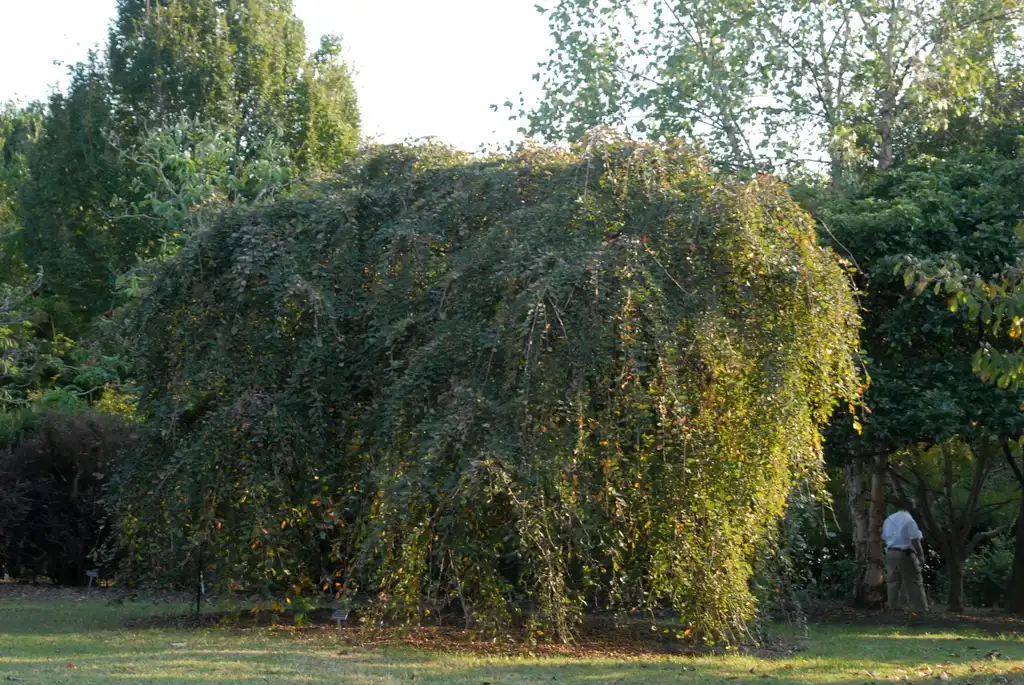
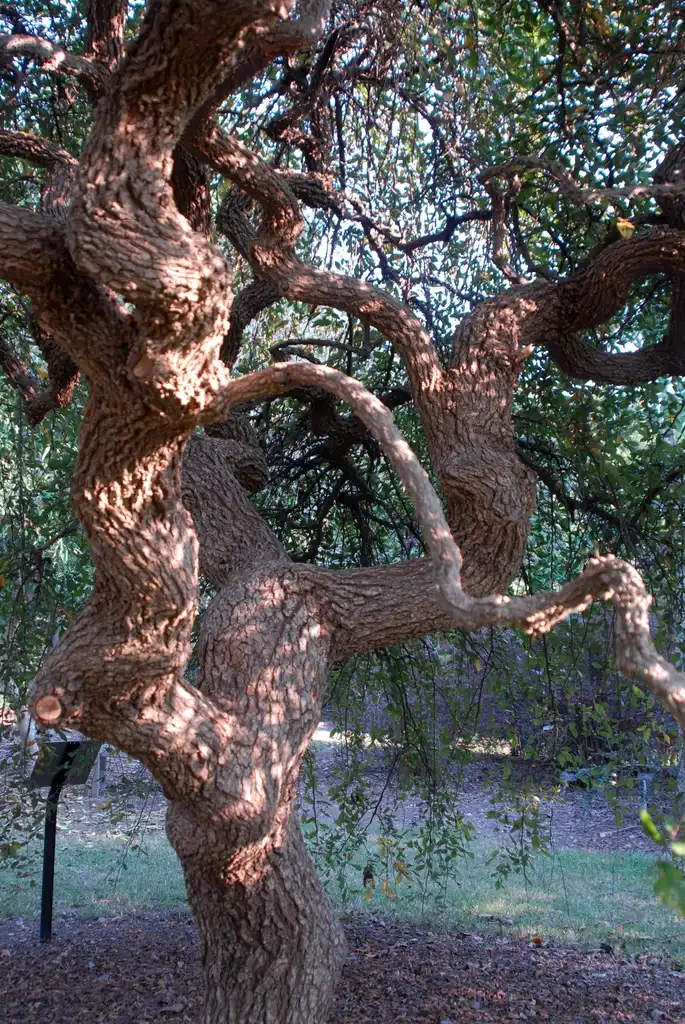
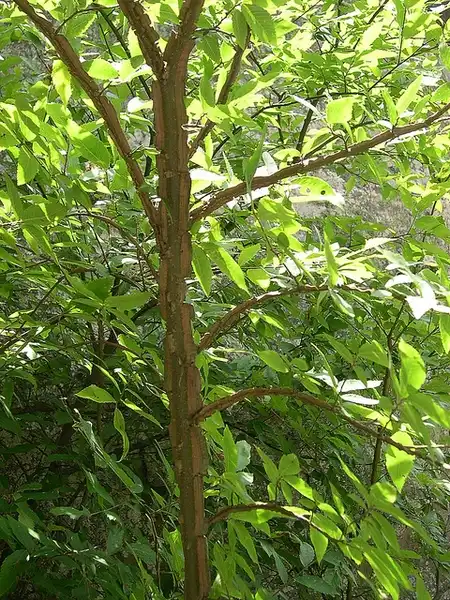
Ulmus alata, commonly known as the Winged Elm, is a deciduous tree that typically reaches heights of 40 to 60 feet and can have a diameter of 1 to 2 feet. When cultivated in open spaces, it develops a short trunk with branches that gracefully arch upward, creating a rounded crown. Conversely, in forested environments, the tree tends to grow taller and straighter. This species can be found in various natural settings, including rocky outcrops, dry woodlands, fields, and areas that have been disturbed.
The Winged Elm thrives in full to partial sunlight and can adapt to a range of moisture levels, from moist to dry conditions. It is versatile regarding soil types, tolerating loam, clay, sand, and rocky substrates. The tree's ultimate size is influenced by soil fertility and moisture levels. Regular pruning of young trees is recommended to prevent the development of multiple trunks.
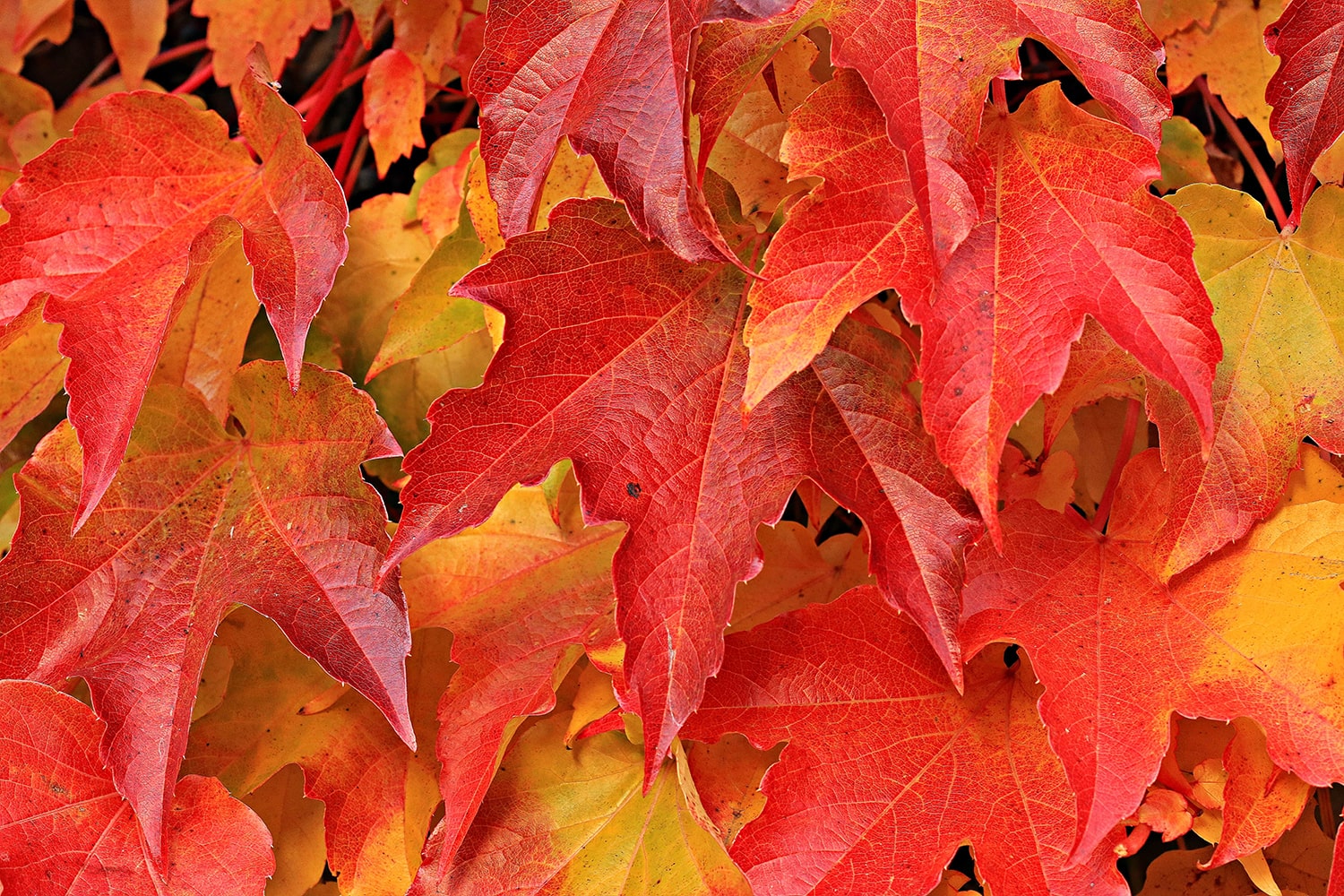
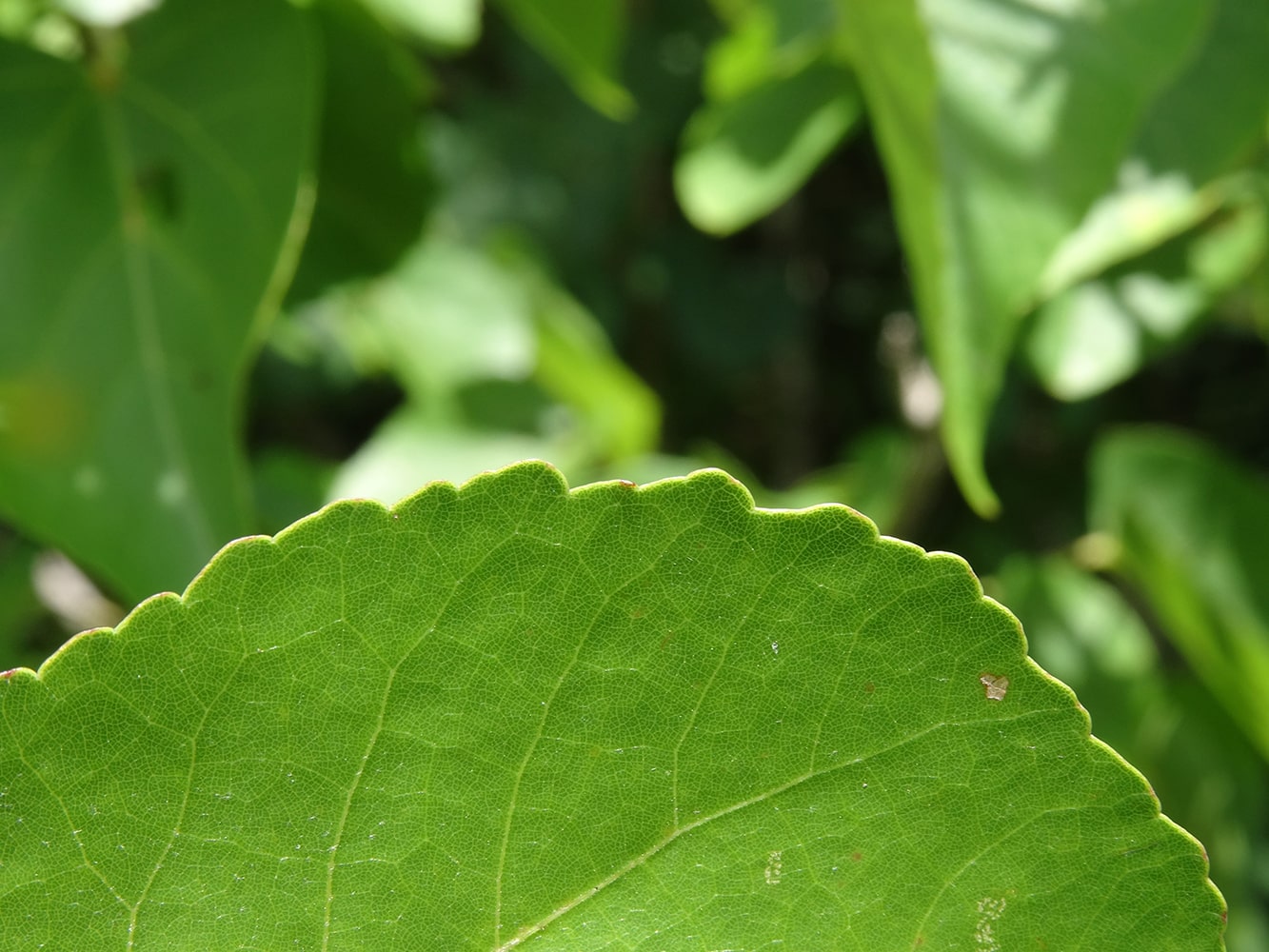
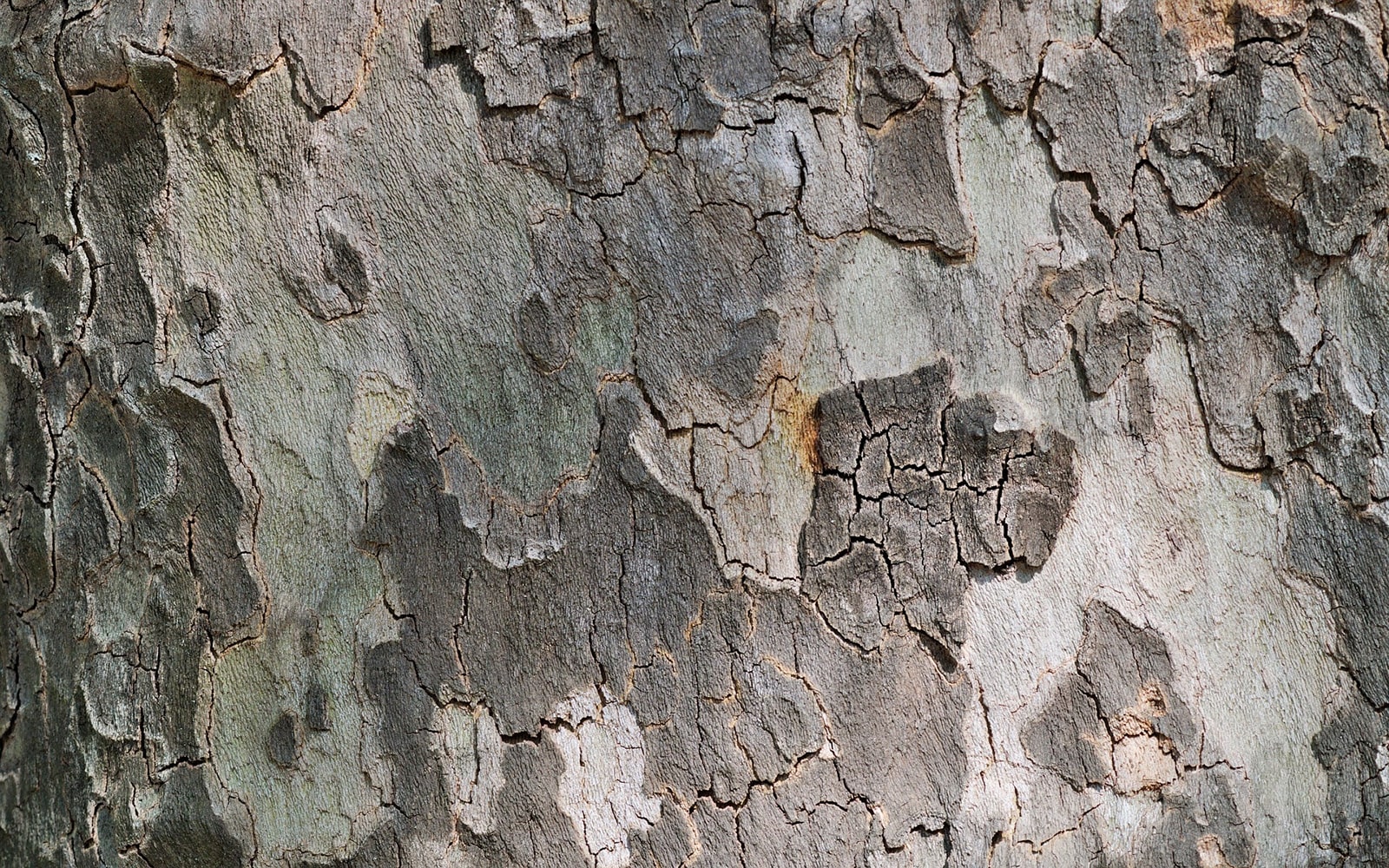
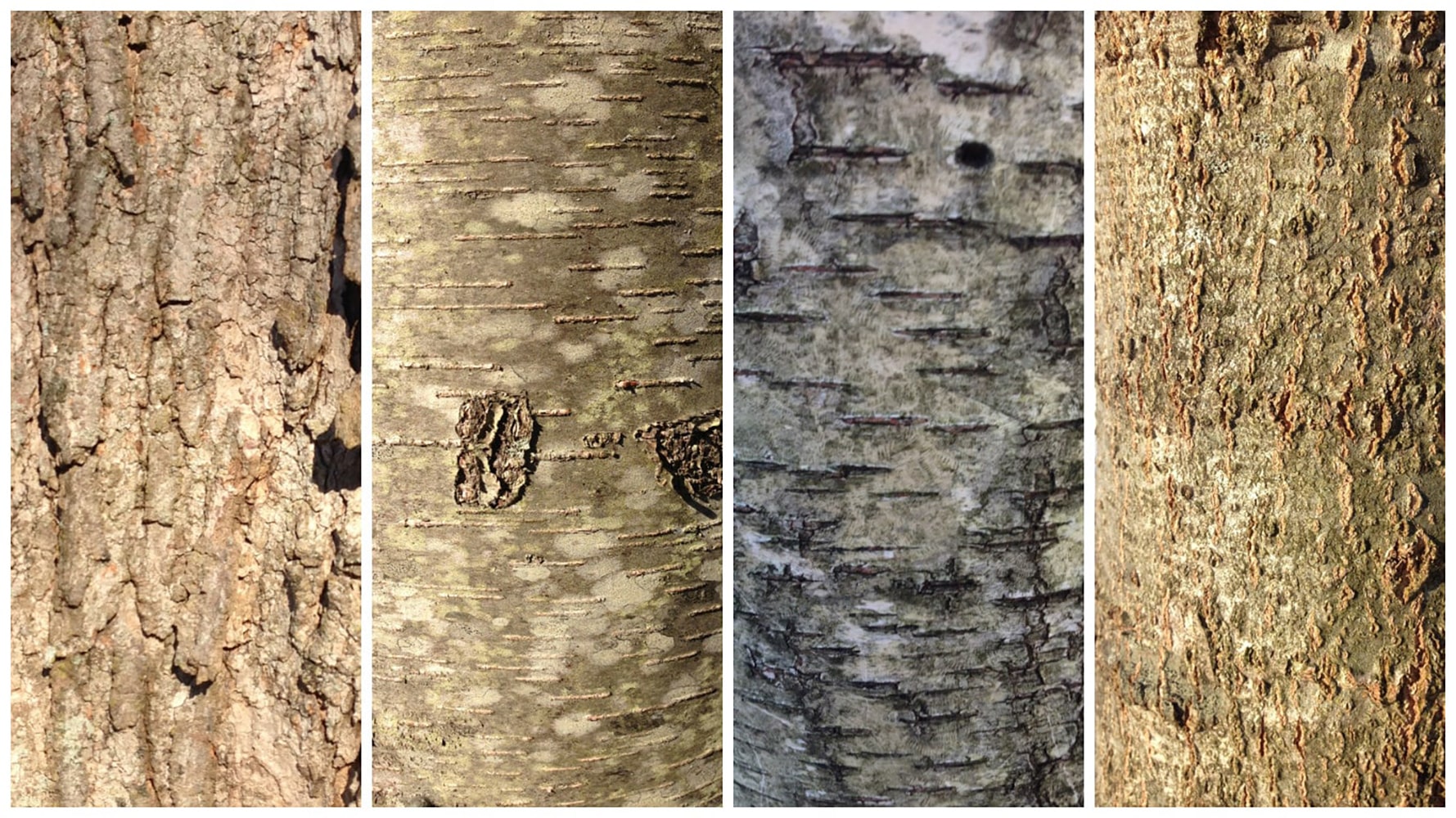
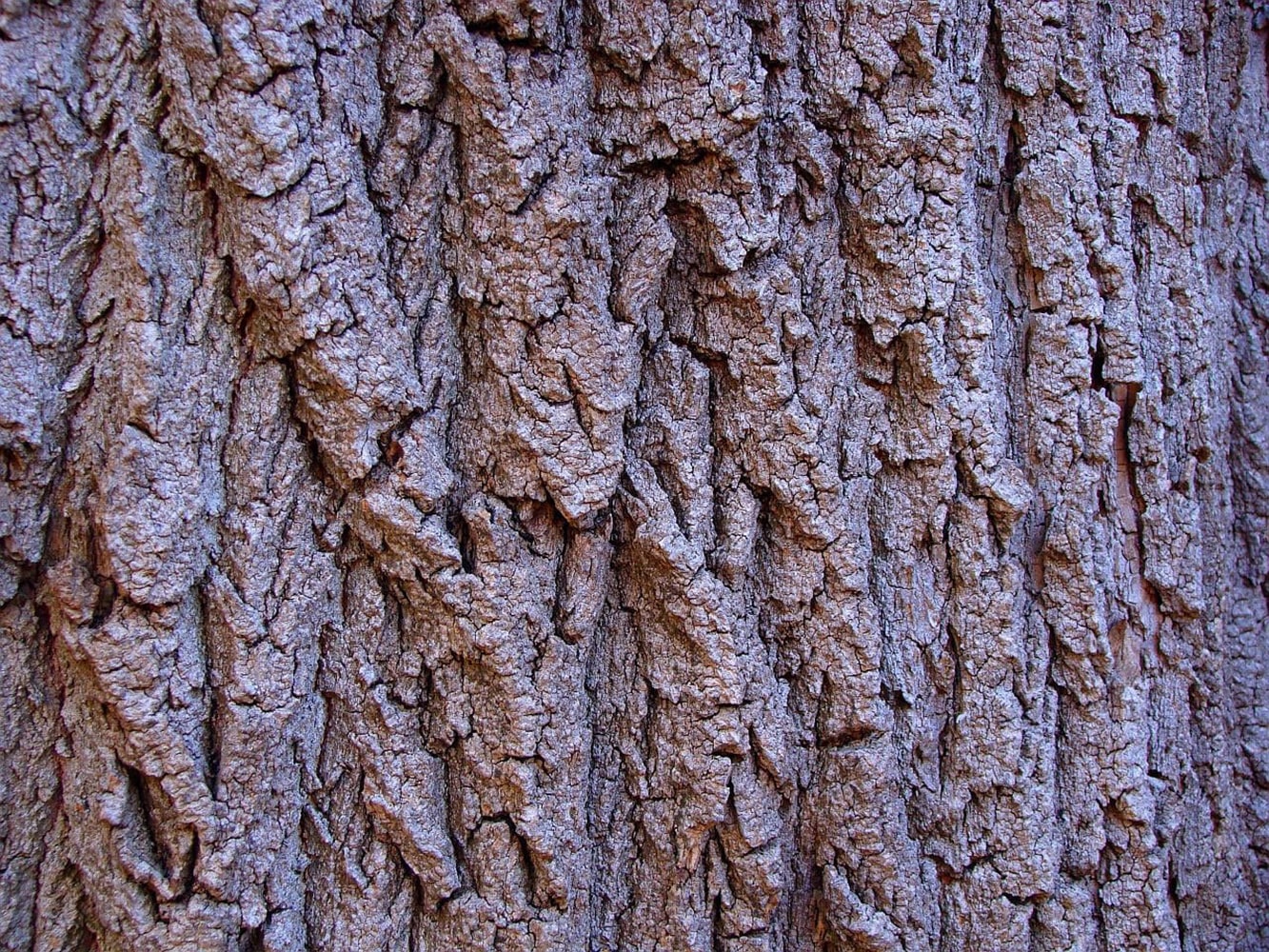
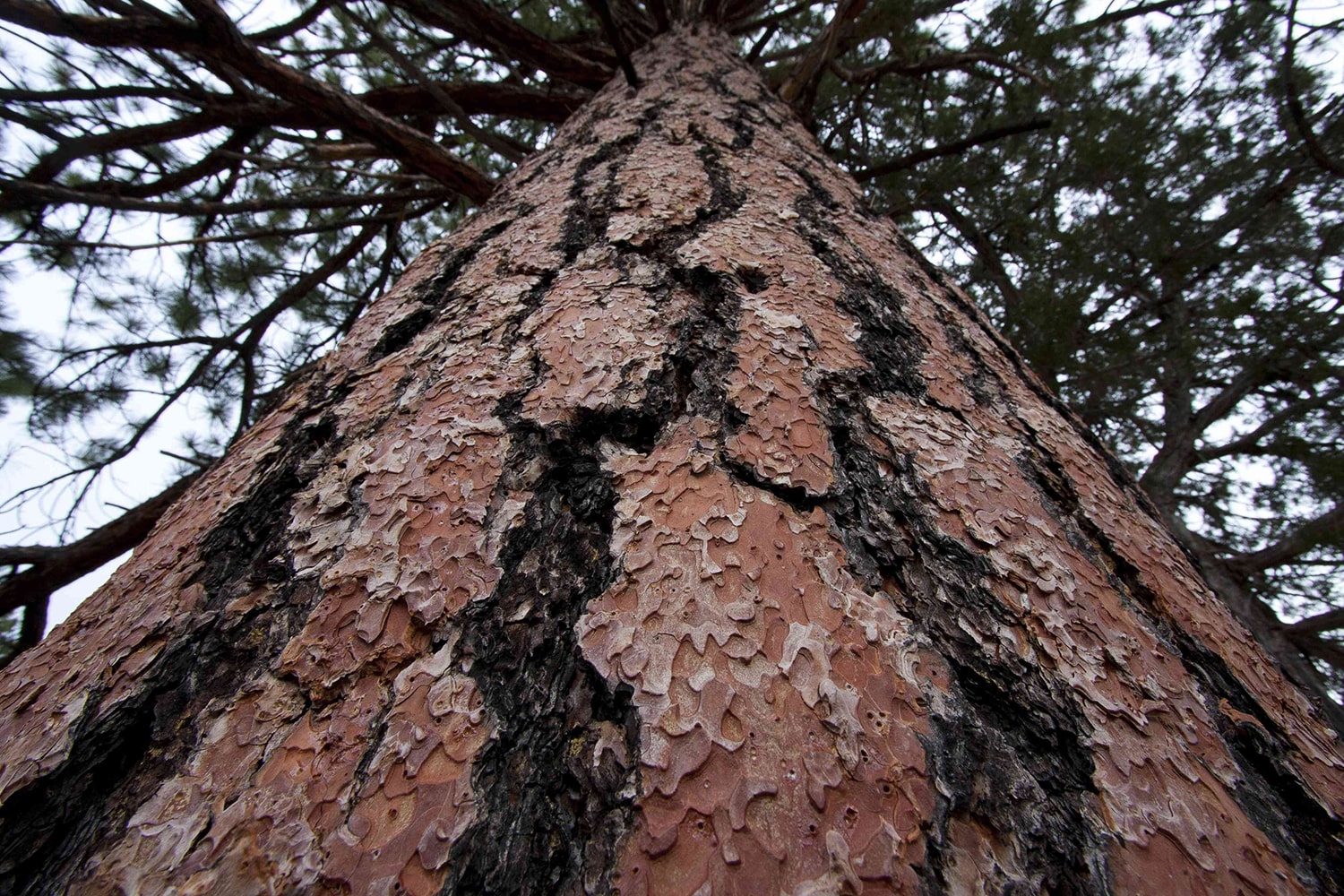
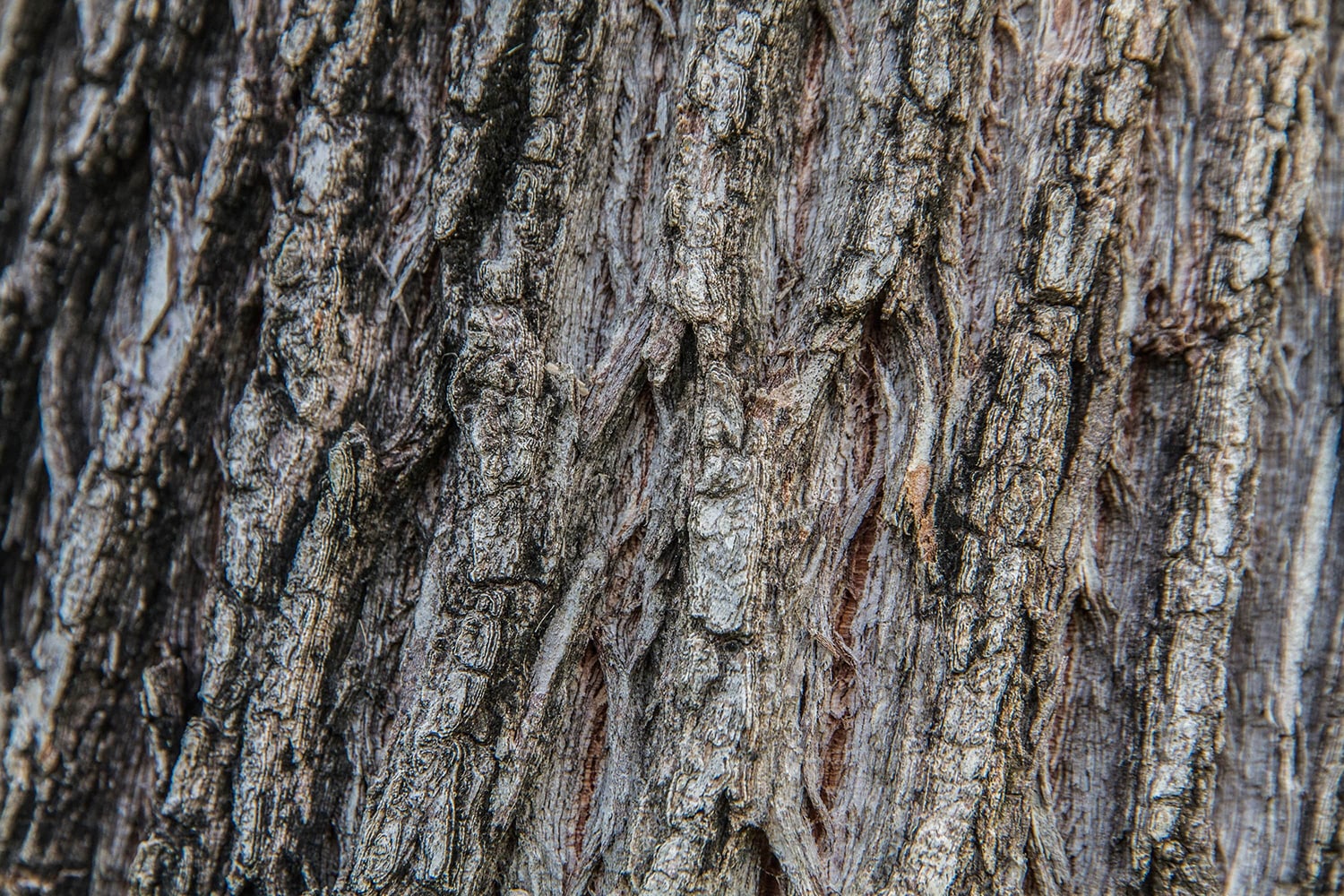
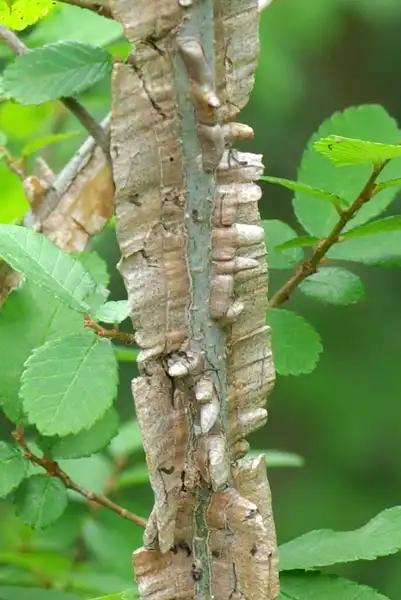
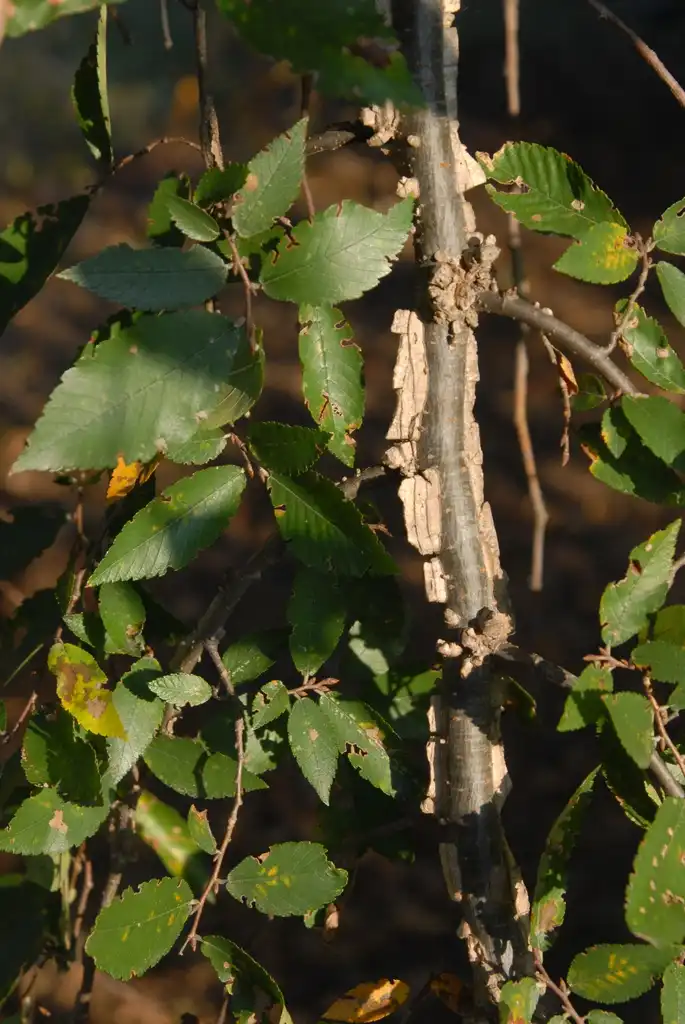
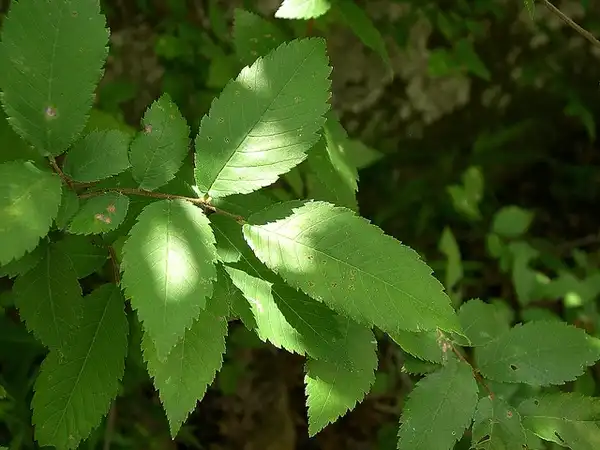
The leaves of the Winged Elm are arranged alternately, featuring a doubly serrated edge and an asymmetrical base. In autumn, the foliage turns a vibrant yellow. The bark varies in color from red-brown to ashy gray, characterized by flat-topped ridges separated by irregular fissures. In late winter, clusters of small red flowers emerge. The tree produces flattened samaras, measuring between 1/4 and 1/2 inch, with a hairy edge.
In terms of pests and diseases, the Winged Elm faces threats from various insects, including beetles, borers, caterpillars, leaf miners, and scale. It is particularly vulnerable to Dutch Elm disease, a lethal fungal infection spread by beetles, for which there is no effective treatment. Other potential issues include powdery mildew, phloem necrosis, cankers, and leaf spots, especially in trees that are under stress.